When apex predators disappear, it can trigger steep trophic cascades that throw ecosystems into chaos. Without these top animals to control herbivores, populations grow unchecked, leading to overgrazing and habitat destruction. This imbalance reduces biodiversity and hampers essential ecosystem services like soil health and climate regulation. Understanding these complex interactions shows how crucial predators are to ecosystem stability—keep exploring to learn more about how these changes unfold.
Key Takeaways
- Loss of apex predators leads to unchecked herbivore populations, causing overgrazing and habitat degradation.
- Trophic cascades disrupt ecosystem balance, reducing biodiversity and impairing ecosystem services like nutrient cycling.
- Overgrazing from missing predators results in soil erosion, decreased plant diversity, and long-term ecosystem collapse risks.
- Examples like Yellowstone wolves and sea otters illustrate how predator removal destabilizes prey and habitats.
- Restoring predator populations through protection and reintroduction can reverse trophic cascades and promote ecosystem recovery.

Wildlife Conservation Decoded: How Anyone Can Unlock the Secrets of Wildlife Management and Biodiversity, Even Without a Science Background
As an affiliate, we earn on qualifying purchases.
As an affiliate, we earn on qualifying purchases.
Understanding Trophic Cascades and Their Role in Ecosystems
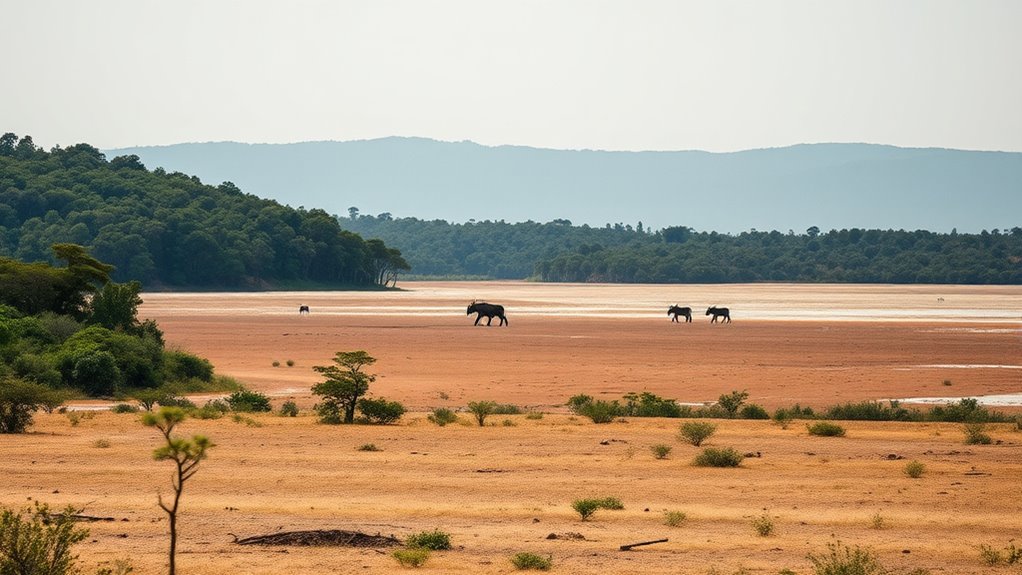
Understanding trophic cascades is fundamentally to grasp how ecosystems function and maintain balance. When apex predators are present, they regulate herbivore populations, preventing overgrazing and supporting plant diversity. These predators influence not just prey numbers but also behaviors—herbivores may alter their feeding habits out of fear, which benefits vegetation. As a result, energy flow moves through the food chain, affecting soil nutrients, plant growth, and overall ecosystem productivity. Trophic cascades occur in terrestrial, freshwater, and marine environments worldwide, illustrating their fundamental role in ecosystem health. Recognizing these processes helps you understand how predator declines can ripple through ecosystems, destabilizing ecological relationships and leading to long-term degradation. Essentially, predators are key drivers that sustain the intricate balance of natural systems.
The Consequences of Losing Top Predators

When top predators disappear from an ecosystem, the balance that keeps herbivore populations in check quickly breaks down. Without these predators, herbivores like deer, kangaroos, or sea urchins multiply unchecked, leading to overgrazing and habitat degradation. This unchecked herbivory reduces plant diversity and biomass, which affects other species dependent on those plants. Soil health also declines as plant roots diminish, disrupting nutrient cycles. Ecosystem stability weakens, increasing the risk of desertification or collapse into a degraded state. You might notice the loss of key species, reduced biodiversity, and diminished ecosystem services like water purification and carbon storage. Ultimately, the absence of top predators triggers a chain reaction that destabilizes the entire ecosystem, making recovery difficult and long-term sustainability uncertain.
Real-World Examples of Cascades Triggered by Predator Decline
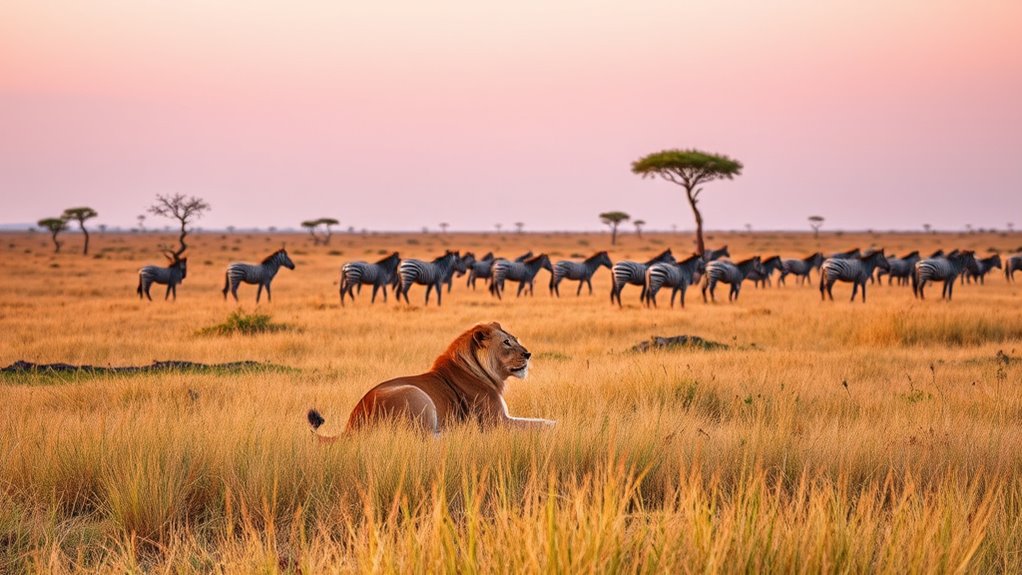
Numerous real-world cases demonstrate how the decline or removal of top predators triggers cascading effects throughout ecosystems. In Yellowstone, the removal of wolves led to elk overgrazing, which damaged young trees and reduced biodiversity. Similarly, in the North Pacific, sea otter declines caused sea urchin populations to explode, destroying kelp forests and disrupting marine habitats. In Australia, the decline of dingoes resulted in increased kangaroo numbers, leading to overgrazed vegetation and soil nutrient changes. Across marine systems, shark declines have allowed mid-level predators to thrive, reducing fish diversity. These examples show that predator loss can destabilize prey populations, diminish plant and habitat health, and alter ecosystem functions. Such cascades emphasize the crucial role apex predators play in maintaining ecological balance and resilience. Conservation efforts are vital to protect these top predators and preserve ecosystem stability. Recognizing the importance of top-down regulation can help inform effective management strategies that support ecosystem health. Additionally, understanding these dynamics highlights the importance of ecosystem resilience in the face of environmental changes.
Broader Impacts on Biodiversity and Ecosystem Services

The loss of apex predators deeply threatens biodiversity and disrupts essential ecosystem services. When predators disappear, unchecked herbivore and mesopredator populations grow, damaging plant communities and reducing species diversity. This imbalance leads to habitat degradation, soil erosion, and diminished nutrient cycling, ultimately lowering ecosystem productivity. For example, overgrazed areas lose their plant cover, which affects pollinators and other wildlife, while soil fertility declines, impairing crops and natural vegetation. These changes reduce services like carbon storage, water purification, and climate regulation. As ecosystems become less resilient, their ability to recover from disturbances weakens, risking collapse. You’ll find that the absence of apex predators doesn’t just threaten individual species; it undermines the foundation of ecosystem health and the benefits humans rely on daily. Additionally, the disruption of trophic interactions can lead to soundscape imbalances, affecting the acoustic environment that many species depend on for communication and survival. Furthermore, the decline of top predators can cause shifts in species distribution, leading to unpredictable changes in community composition and ecosystem function. Such changes can also impact ecosystem resilience, making recovery from environmental stresses increasingly difficult. A decline in biodiversity can further exacerbate these problems by reducing genetic variation and adaptive capacity within ecosystems. Moreover, the loss of predators can disturb trophic stability, destabilizing food webs and leading to unpredictable ecological consequences.
Strategies for Restoring Apex Predators and Ecosystem Health
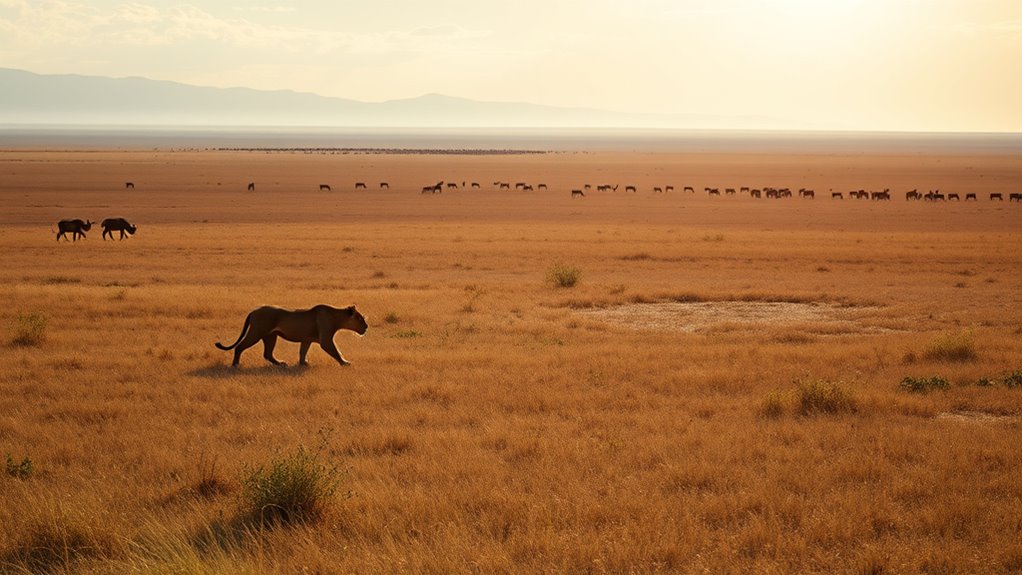
Restoring apex predators is essential for re-establishing balanced ecosystems, and effective strategies focus on protecting and reintroducing these key species. Conservation efforts often start with habitat protection, ensuring predators have safe, suitable environments to thrive. Reintroduction programs, like wolves in Yellowstone, demonstrate how restoring predators can trigger positive trophic cascades, controlling herbivore populations and revitalizing plant communities. Legal protections, such as hunting bans and wildlife corridors, reduce human-wildlife conflicts and facilitate predator recovery. Engaging local communities through education and incentives encourages coexistence. Additionally, adaptive management techniques allow for monitoring predator populations and ecosystem responses, adjusting strategies as needed. Supporting scientific research and community involvement is crucial for successful recovery efforts. Restoring apex predators requires coordinated policies, scientific research, and community support, ultimately helping to rebuild resilient, self-sustaining ecosystems. Incorporating a variety of teasets and accessories can also symbolize the importance of harmony and balance within ecosystems, emphasizing the interconnectedness of all elements. Recognizing the importance of natural materials and their role in ecosystem health can further enhance conservation efforts. Supporting AI-driven monitoring tools can improve the accuracy and efficiency of tracking predator populations and ecosystem changes. Moreover, promoting remote work can facilitate collaboration among conservationists and researchers across different regions, accelerating recovery initiatives.
Frequently Asked Questions
How Quickly Do Trophic Cascades Typically Develop After Predator Loss?
Trophic cascades can develop surprisingly quickly after predator loss, often within months to a few years. When apex predators disappear, herbivore populations often surge rapidly, leading to overgrazing and vegetation decline. This swift change destabilizes the ecosystem, affecting soil health and other species. Your actions, like conserving predators, can prevent or slow these cascades, helping maintain ecosystem balance and resilience over time.
Can Trophic Cascades Be Reversed Once an Apex Predator Is Reintroduced?
Yes, trophic cascades can be reversed once you reintroduce an apex predator. When you bring back predators like wolves or dingoes, they control herbivore populations, reducing overgrazing. This helps restore plant diversity and soil health, gradually rebalancing the ecosystem. However, the process takes time, and full recovery depends on factors like habitat quality and the extent of previous damage. Reintroduction is a vital step toward ecosystem stability.
What Are the Main Human Activities Contributing to Apex Predator Decline?
You should know that human activities like hunting, habitat destruction, and lethal control are the main causes of apex predator decline. For example, over 90% of large predator populations have vanished due to these actions. By hunting predators, destroying their homes, and controlling populations, you disrupt ecosystems and trigger harmful trophic cascades. To protect biodiversity, it’s vital to reduce these activities and promote conservation efforts.
Are Trophic Cascades More Severe in Certain Ecosystems or Regions?
You’ll find trophic cascades tend to be more severe in ecosystems heavily impacted by human activities, like islands, where predator populations are already reduced, or in isolated regions with limited species diversity. These areas lack the ecological buffers that can mitigate cascade effects. Additionally, ecosystems experiencing rapid habitat loss or overexploitation often face more intense trophic disruptions, leading to greater ecosystem instability and long-term degradation.
How Do Non-Lethal Predator Effects Influence Ecosystem Dynamics?
Imagine fear as a silent artist shaping the landscape; non-lethal predator effects act similarly, guiding prey behavior without direct killing. You see, when predators intimidate herbivores, plants flourish and ecosystems stay balanced. This fear-driven change influences where animals graze, how they move, and even how nutrients cycle. By controlling prey actions, non-lethal effects maintain ecosystem health, proving that danger’s shadow can be just as powerful as its bite.
Conclusion
When apex predators vanish, ecosystems unravel, and chaos replaces balance. You witness forests overrun by herbivores, rivers choked with algae, and species lost forever. It’s a stark reminder that removing these top hunters doesn’t just affect one creature—it triggers a cascade of collapse. Protecting predators isn’t just about saving them; it’s about preserving your world’s delicate harmony. Without them, the beauty and resilience of nature fade into irreversible silence.