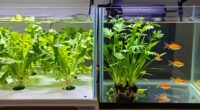
Community science is changing conservation in the U.S. by involving everyday people like you in collecting and analyzing environmental data. Your participation helps fill gaps in remote or underserved areas, making conservation efforts more accurate and inclusive. Digital tools make it easy for you to contribute and stay informed, fostering a deeper connection with local ecosystems. If you keep exploring, you’ll discover how your involvement can make a real difference in protecting the environment.

Prime made for students and young adults
- Fast, free delivery for dorm and study essentials
- Prime Video and Amazon Music included
- Member-only deals
Key Takeaways
- Community science empowers citizens to actively participate in environmental data collection and conservation efforts nationwide.
- Digital tools and online platforms make environmental monitoring accessible, fostering widespread community engagement.
- Community-led data gathering fills gaps in remote or underserved areas, enhancing overall environmental understanding.
- Data democratization ensures local observations influence policy, promoting inclusive and informed conservation decisions.
- Community science strengthens local connections to ecosystems, inspiring sustainable behaviors and conservation support.
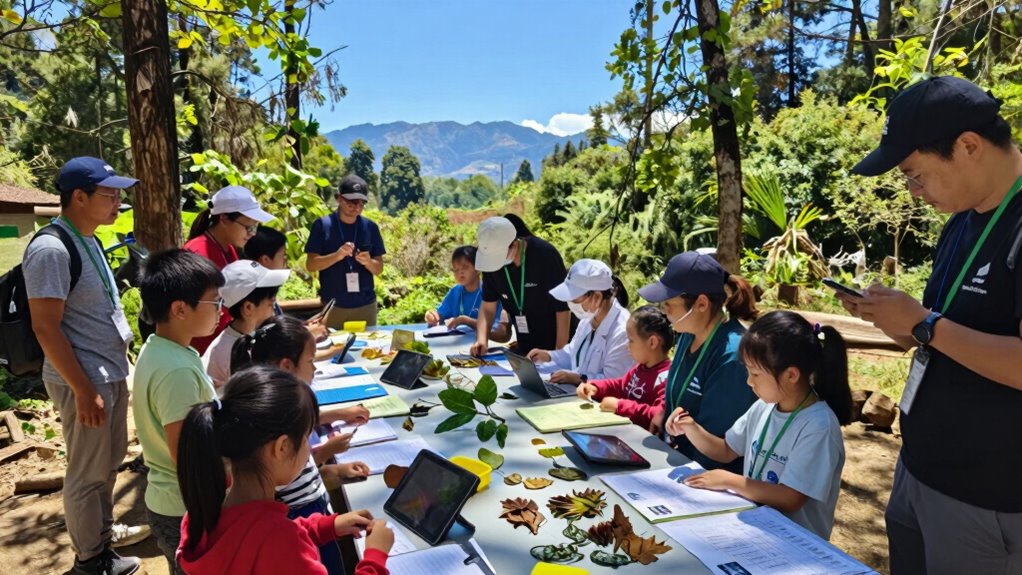
Have you ever wondered how everyday people are making a real difference in conserving the environment? It’s all thanks to community science, a movement where ordinary citizens actively participate in scientific research. This approach empowers you to contribute directly to environmental monitoring, data collection, and conservation efforts. When you get involved, you’re not just observing nature—you’re becoming a crucial part of a larger effort to protect it. Citizen participation is at the core of community science, and it’s transforming how conservation projects are designed and implemented across the U.S. By collecting data on local species, water quality, or air pollution, you help create a more detailed picture of environmental health. Your observations can fill gaps that traditional research might miss, especially in remote or underserved areas.
One of the most exciting aspects of this movement is data democratization. It means breaking down barriers so that data isn’t just the domain of scientists but is accessible to everyone. You can access, analyze, and even contribute to datasets that influence policy and conservation strategies. This shift levels the playing field, giving communities a voice and a stake in environmental decision-making. You don’t need a PhD to make a meaningful impact—you just need curiosity and a willingness to participate. Apps and online platforms now make it easier than ever to upload your observations, view data collected by others, and see how your efforts fit into larger conservation initiatives. Digital tools are revolutionizing how community members engage with scientific research, making participation more accessible and effective. Incorporating community-based monitoring methods further enhances the relevance and accuracy of the collected data. Additionally, the use of technology-driven data collection allows for more rapid and widespread dissemination of information, fostering greater community involvement.
Community science also fosters a deeper connection between people and their environment. When you actively participate, you develop a better understanding of local ecosystems and the challenges they face. This firsthand experience can inspire more sustainable behaviors and support for conservation policies. Furthermore, data democratization ensures that your local knowledge and observations are respected and integrated into scientific research. This collaborative approach leads to more accurate, diverse, and actionable data, ultimately driving more effective conservation efforts.
As an affiliate, we earn on qualifying purchases.
Frequently Asked Questions
How Can I Start Participating in Community Science Projects?
You can start participating in community science projects by exploring volunteer opportunities online or through local organizations. Once you find a project that interests you, learn about their data collection methods, such as bird counting or water testing. Get involved by signing up, attending training sessions, and actively contributing your time and skills. Your participation helps gather valuable data, supporting conservation efforts and making a real difference in your community.
What Training Is Needed to Contribute Effectively?
To contribute effectively, you’ll need volunteer training that covers project-specific methods and data collection techniques. This training helps guarantee your observations are accurate, which is essential for data accuracy. Many community science projects offer online tutorials or in-person workshops, so you can learn the necessary skills. By completing this training, you’ll be better prepared to collect reliable data and make a meaningful impact on conservation efforts.
Are Community Science Data Accepted by Professional Researchers?
While community science data isn’t always fully embraced, many professional researchers do recognize its value, especially when it demonstrates strong data accuracy and thorough documentation. They often seek professional validation through standardized methods and training, which enhances trust. Your contributions can be highly impactful, especially when you prioritize accuracy and follow best practices, increasing the likelihood that your data will be accepted and used to inform meaningful conservation efforts.
How Does Community Science Impact Local Policy Decisions?
Community science directly influences local policy decisions through heightened stakeholder engagement and policy influence. When community members gather and share data, they provide valuable insights that policymakers can use to craft more effective, locally tailored regulations. Your involvement fosters trust and collaboration, encouraging officials to take into account community-driven evidence. This active participation strengthens the link between citizens and decision-makers, ensuring policies better reflect local needs and environmental priorities.
What Are the Funding Sources for Community Science Initiatives?
You can find funding for community science initiatives through diverse sources like funding partnerships with government agencies, nonprofits, and private foundations. Grant opportunities also play a significant role, offering financial support specifically designed for community-driven projects. By actively seeking out these grants and forming strategic partnerships, you increase your chances of securing the resources needed to sustain and expand your community science efforts, making a tangible impact on conservation.
Conclusion
By diving into community science, you’re not just helping conservation—you’re literally transforming the entire landscape of the U.S.! Your efforts could spark a revolution so powerful that it changes how we protect our planet forever. Imagine a world where every citizen’s voice and observation can outrank even the biggest conservation organizations—like David defeating Goliath! So get involved, because your participation isn’t just important; it’s the game-changer that will redefine conservation for generations to come.
Halloween Picks
halloween
As an affiliate, we earn on qualifying purchases.