Carrying capacity in ecology is the maximum number of individuals an environment can support over time without damaging its resources. It depends on factors like food, water, shelter, and environmental conditions such as rainfall or temperature. When populations exceed this limit, resources become scarce, leading to decline. Changes like climate shifts or invasive species can affect carrying capacity. If you want to understand how ecosystems balance these factors, keep exploring how environment and species interact.
Key Takeaways
- Carrying capacity is the maximum population an environment can support sustainably over time.
- It depends on resources like food, water, shelter, and environmental conditions.
- Factors such as climate change and human activities can cause fluctuations in carrying capacity.
- Invasive species can reduce carrying capacity by outcompeting native organisms for resources.
- Maintaining ecological balance and biodiversity is essential for sustainable carrying capacity.
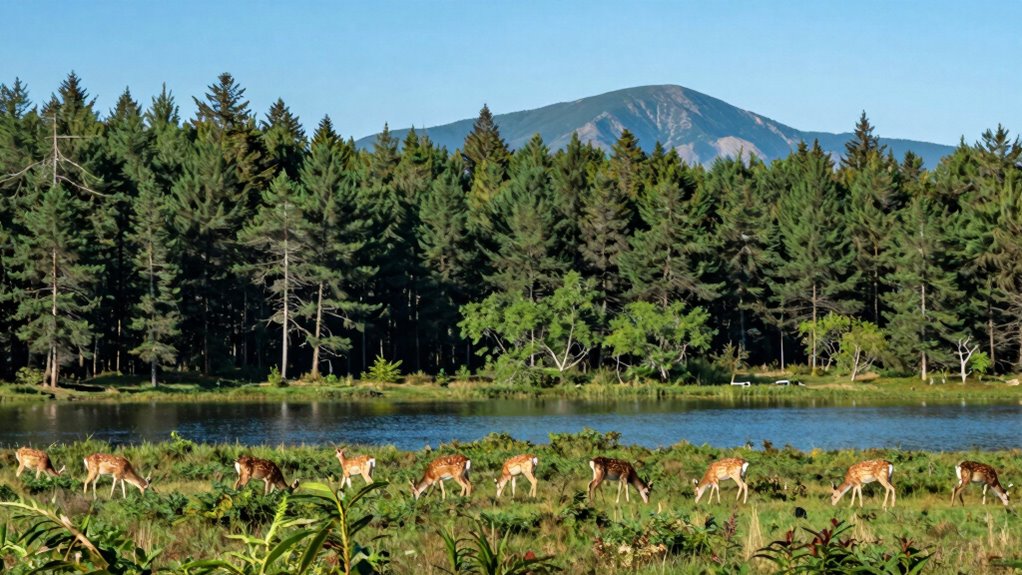
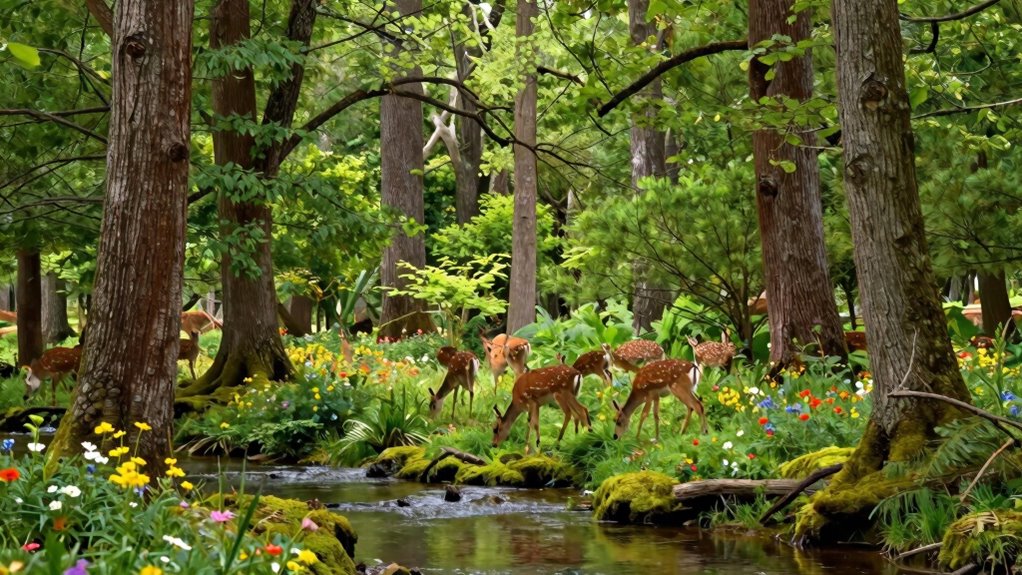
Have you ever wondered how many organisms an environment can support? That’s where the concept of carrying capacity in ecology comes into play. Carrying capacity refers to the maximum number of individuals of a particular species that an environment can sustain over time without degrading the habitat. It’s not a fixed number; instead, it depends on factors like food availability, water, shelter, and other resources. When populations grow beyond this limit, resources become scarce, leading to increased competition, lower survival rates, and eventually, a decline in population size.
Carrying capacity is the maximum population an environment can support without harming itself.
Environmental conditions constantly fluctuate, and so does carrying capacity. For example, during periods of abundant rainfall, plant growth may surge, increasing the food supply for herbivores and consequently raising the environment’s carrying capacity. Conversely, droughts or harsh winters can decrease resources, shrinking the number of organisms the environment can support. Human influences have a significant impact here. Climate change, for instance, alters climate patterns, leading to unpredictable shifts in resource availability. Rising temperatures and changing weather patterns can reduce water sources or disrupt ecosystems, lowering the carrying capacity for many species. This can cause populations to decline or shift toward more resilient or invasive species better adapted to the new conditions.
Invasive species play an essential role in this dynamic. When non-native organisms enter an environment, they often face no natural predators or competitors, allowing their populations to grow rapidly. This can lead to a phenomenon called ecological imbalance, where invasive species outcompete native ones for limited resources. The result is a decrease in biodiversity and a reduction in the environment’s overall carrying capacity for native species. Invasive species can also alter habitats, make resources less accessible, and change the physical environment, further impacting the ecosystem’s balance and resilience**. Additionally, climate change effects** influence how these environmental changes are perceived visually, especially in digital visualizations of ecosystems. Understanding carrying capacity can also help in developing sustainable management practices that aim to balance resource use with **conservation efforts. Recognizing how invasive species** influence ecosystems is crucial for maintaining biodiversity and ecological stability.
ecology textbooks
As an affiliate, we earn on qualifying purchases.
As an affiliate, we earn on qualifying purchases.
Frequently Asked Questions
How Does Climate Change Affect Carrying Capacity?
Climate change reduces your environment’s carrying capacity by altering habitats and food sources. As temperatures rise and weather patterns shift, species struggle to adapt, impacting their survival. Your efforts in climate adaptation and reducing your carbon footprint can help stabilize ecosystems. When you cut emissions, you support healthier habitats, allowing ecosystems to sustain more life. This balance is essential for maintaining the environment’s capacity to support populations over time.
Can Carrying Capacity Change Over Time?
Your environment is like a shifting tide, so carrying capacity can change over time. As resource availability fluctuates due to seasons, climate, or human activity, your population adjusts accordingly. When resources are abundant, your community can grow; when scarce, it contracts. These population fluctuations mirror nature’s delicate balance, showing that carrying capacity isn’t fixed. It ebbs and flows, responding to the ever-changing dance of resources around you.
What Factors Influence an Ecosystem’s Carrying Capacity?
You influence an ecosystem’s carrying capacity through factors like food availability and predator-prey dynamics. When food sources are abundant, the capacity increases, supporting more organisms. Conversely, if predators reduce prey populations, the ecosystem’s ability to sustain large numbers drops. Changes in climate, habitat, and resource distribution also impact carrying capacity, making it a dynamic balance that shifts based on these interconnected factors.
How Do Invasive Species Impact Carrying Capacity?
Invasive species threaten ecosystem balance, often drastically reducing carrying capacity. You see, these species outcompete native ones, taking resources like food and space that native populations rely on. Their unchecked spread can cause native species decline, disrupting food chains and leading to ecosystem collapse. When invasive species thrive, they diminish the land’s ability to support diverse life, making it harder for ecosystems to sustain themselves naturally.
Is Carrying Capacity the Same for All Species?
No, carrying capacity isn’t the same for all species. It varies based on species adaptation and resource availability in a given environment. Different species have unique needs and abilities to utilize resources, which influences how many individuals an environment can support. You’ll find that some species thrive in certain conditions while others struggle, so carrying capacity fluctuates depending on their specific adaptations and the resources accessible to them.
sustainable resource management books
As an affiliate, we earn on qualifying purchases.
As an affiliate, we earn on qualifying purchases.
Conclusion
Just as the Tower of Babel stood tall but fragile, your understanding of carrying capacity reminds you of nature’s delicate balance. Keep in mind that exceeding this limit can lead to chaos, much like the biblical tale warns. Respect nature’s thresholds, and you’ll help preserve its harmony. Remember, every ecosystem has its own story—listen closely, and you’ll see how maintaining balance keeps the world in tune, just like the wise whispers of ancient parables.

Invasive Plants: Guide to Identification and the Impacts and Control of Common North American Species
As an affiliate, we earn on qualifying purchases.
As an affiliate, we earn on qualifying purchases.
![Climate Change Impact on Ecosystem [Hardcover] [Jan 01, 2013] Sundaresan, J.](https://m.media-amazon.com/images/I/51++krnz6nL._SL500_.jpg)
Climate Change Impact on Ecosystem [Hardcover] [Jan 01, 2013] Sundaresan, J.
As an affiliate, we earn on qualifying purchases.
As an affiliate, we earn on qualifying purchases.