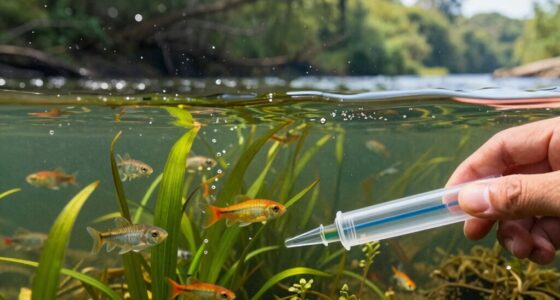
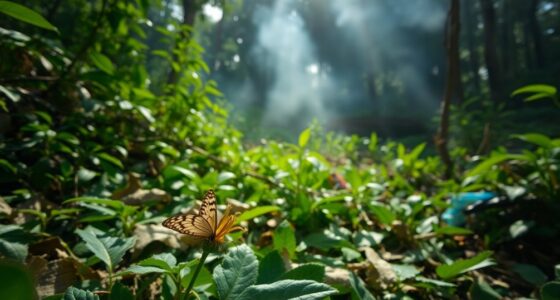
Yes, cities can be biodiversity strongholds when you prioritize green spaces, corridors, and native plants. By designing parks, green rooftops, and connected habitats, you help support diverse insects, birds, and small mammals. City planning that focuses on green infrastructure keeps ecosystems resilient and promotes wildlife movement. Your involvement in these efforts can make a real difference. Keep exploring, and you’ll discover how urban areas can thrive as vibrant habitats for nature.
Key Takeaways
- Urban green spaces serve as critical habitats supporting various species within cities.
- Wildlife corridors connect green areas, enabling safe movement and genetic diversity for urban wildlife.
- Native plantings in cities provide essential food and nesting sites for local species.
- Green infrastructure enhances ecological resilience and biodiversity conservation in urban environments.
- Cities actively function as biodiversity strongholds through strategic planning and community engagement.
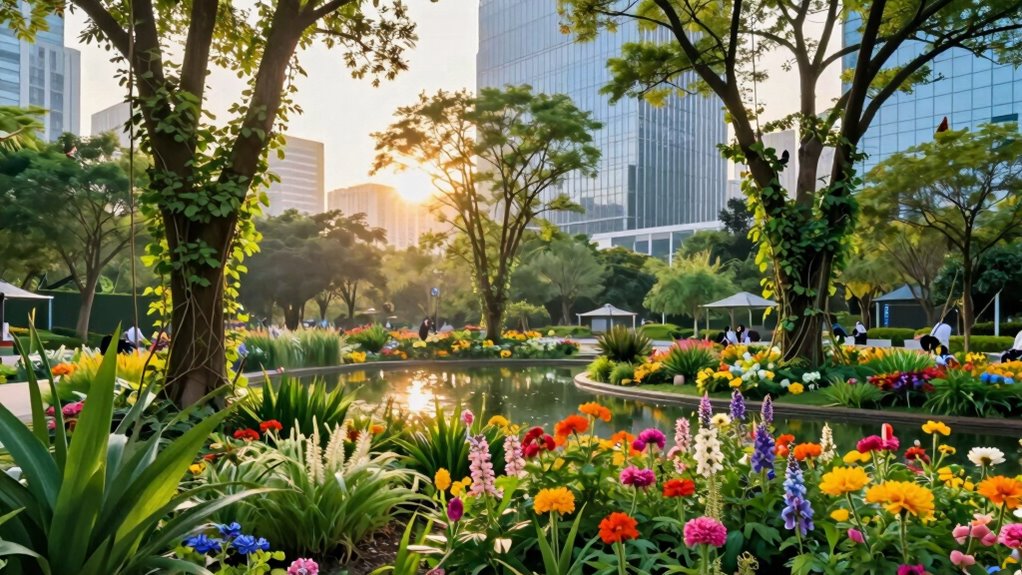
While cities are often seen as hubs of human activity and development, they also play a surprising role in conserving biodiversity. You might think that urban environments are inhospitable to wildlife, but the reality is quite different. Strategic planning and thoughtful design can turn cities into essential refuges for many species. Urban green spaces, such as parks, community gardens, and green rooftops, provide essential habitats where plants and animals can thrive amid concrete landscapes. These green areas act as pockets of biodiversity, supporting insects, birds, and small mammals that might otherwise struggle to find shelter and food in urban settings.
Cities can serve as vital refuges for wildlife through strategic planning and green space design.
You can also find wildlife corridors weaving through cityscapes, connecting isolated green spaces and enabling animals to move safely across urban areas. These corridors are indispensable because they prevent habitat fragmentation, which often threatens species’ survival. By creating continuous pathways—whether they’re greenways along train lines, vegetated bridges over busy roads, or tree-lined streets—you help wildlife navigate the city more effectively. These corridors not only support individual species but also promote genetic diversity by allowing populations to interbreed and exchange genes, which strengthens their resilience. Incorporating urban habitat connectivity into city planning is crucial for maintaining healthy and resilient ecosystems within urban environments.
Cities aren’t just passive hosts for biodiversity; they can actively promote it. When you incorporate native plantings into urban green spaces, you create food sources and nesting sites for local wildlife. Educating communities about the importance of maintaining these habitats encourages stewardship and responsible urban planning. Additionally, integrating native plantings supports the survival of specialized species that depend on specific flora, further enhancing urban ecological networks. Promoting public awareness about biodiversity benefits can also motivate residents to participate in conservation efforts and habitat restoration projects. Moreover, adopting innovative green infrastructure solutions can further bolster biodiversity by providing additional habitats and ecological functions within cities.
The evidence shows that, with intentional effort, cities can be biodiversity strongholds. Urban green spaces and wildlife corridors are more than just aesthetic features—they’re essential infrastructure for sustaining urban ecosystems. By prioritizing these elements in city planning, you help preserve species that might otherwise vanish in heavily developed areas. It’s a collaborative effort, where urban residents, planners, and policymakers work together to design cities that support both human and ecological well-being. Ultimately, cities that embrace this approach prove that urban environments can be dynamic, resilient, and rich in biodiversity—proof that urban living and wildlife conservation can go hand in hand. Recognizing the importance of green infrastructure in urban planning is key to fostering resilient ecosystems within cities.

The Southwest Native Plant Primer: 235 Plants for an Earth-Friendly Garden
As an affiliate, we earn on qualifying purchases.
As an affiliate, we earn on qualifying purchases.
Frequently Asked Questions
How Do Urban Areas Compare to Natural Habitats for Biodiversity?
Urban areas can support notable biodiversity, often comparable to natural habitats. You can enhance this by creating green corridors and planting native species, which serve as habitats and migration pathways for wildlife. These efforts help maintain ecological balance, attract pollinators, and provide refuge for native plants and animals. So, with intentional planning like native planting and green corridors, your city can become a vibrant biodiversity stronghold.
What Specific Species Thrive Best in City Environments?
You’ll find that urban flora like hardy plants and trees thrive in city environments, adapting well to concrete and pollution. City fauna, including birds such as pigeons and sparrows, as well as insects like butterflies and bees, also flourish here. These species often have unique adaptations that help them survive amidst urban challenges. So, in city environments, both specific urban flora and resilient city fauna succeed by adjusting to human-made habitats.
How Can City Planning Enhance Urban Biodiversity?
You can enhance urban biodiversity by incorporating green corridors and native plantings into city planning. Green corridors connect habitats, allowing species to migrate and thrive, while native plantings provide essential food and shelter. By prioritizing these features, you create ecosystems that support a wide range of species, from pollinators to birds. This approach not only boosts biodiversity but also improves air quality, reduces heat, and enriches residents’ quality of life.
Are There Successful Global Examples of Biodiversity in Cities?
Cities worldwide showcase success stories of boosting biodiversity through urban green spaces and wildlife corridors. For example, Singapore’s lush parks and interconnected green networks serve as essential refuges for native species. Similarly, Toronto’s extensive urban green spaces and corridors support diverse flora and fauna. These cities prove that with strategic planning, urban environments can flourish as biodiversity strongholds, demonstrating that nature and development can coexist and thrive together.
What Challenges Do Cities Face in Maintaining Biodiversity?
You face challenges like balancing urban development with green space preservation, which is essential for biodiversity. Pollution mitigation is another hurdle, as air, water, and soil pollution harm local ecosystems. Limited space makes it tough to create and maintain habitats, while funding constraints can hinder conservation efforts. Overcoming these obstacles requires innovative planning, community engagement, and policies that prioritize biodiversity, ensuring cities remain vibrant, healthy ecosystems.

5D Diamond Art Kits for Adults Beginners,White Wolf Animal Cool Wildlife Blue Gradient DIY Diamond Painting Kits Round Full Drill Gem Art Crafts for Home Office Wall Decor,12x12in Retro Floral
Premium Material – Our diamond painting kits adopt standard 2mm round diamonds with consistent size and full shape….
As an affiliate, we earn on qualifying purchases.
As an affiliate, we earn on qualifying purchases.
Conclusion
You can champion change by championing cities as sanctuaries for species. Recognize that urban areas, with their unique blend of green spaces and community efforts, can become biodiversity bastions. By building bridges between development and nature, you empower ecosystems to thrive amidst the hustle and bustle. So, step up, support sustainable strategies, and see cities transform into vibrant vaults of energy—proof positive that urban environments can indeed be biodiversity’s best buddies.

Farm Plastic Supply – American Excelsior QuickGrass Pro – Green Erosion Control Blanket Landscape Roll, Erosion Control Blanket (4' x 50')
100% Biodegradable – The top of each blanket is covered with photo-degradable or biodegradable netting. The blankets are…
As an affiliate, we earn on qualifying purchases.
As an affiliate, we earn on qualifying purchases.

Parker the Planner (STEAM at Work!, 4)
As an affiliate, we earn on qualifying purchases.
As an affiliate, we earn on qualifying purchases.