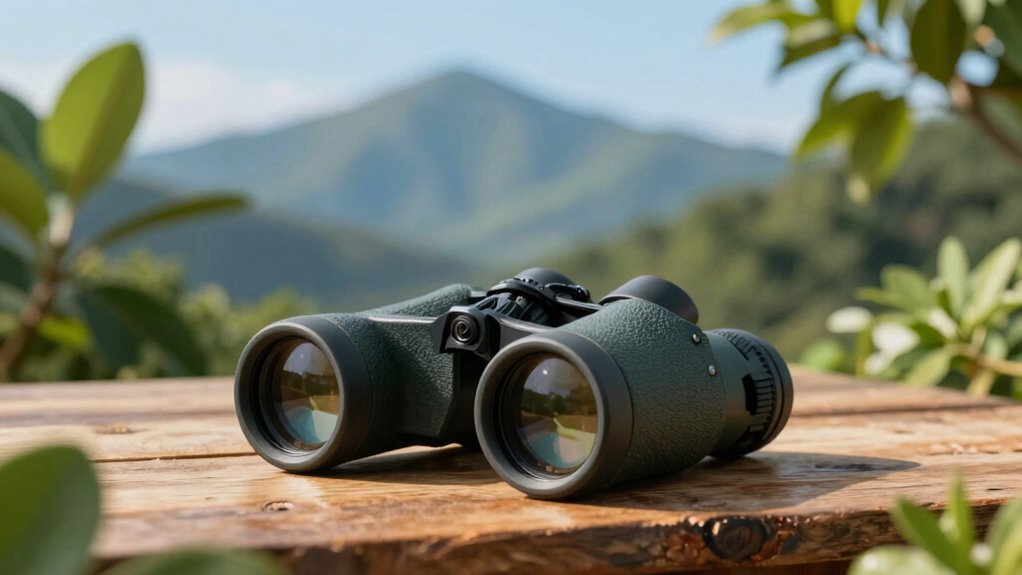

Image stabilization in binoculars is definitely useful, especially if you’re into birdwatching or sports. It compensates for small shakes, giving you clearer, steadier images that make fast-moving subjects easier to track. This feature really enhances your experience outdoors, especially during prolonged use. However, if you only need binoculars for quick glances, traditional models might be fine. Want to know more about how to choose the right pair for your needs?
Key Takeaways
- Image stabilization is beneficial for observing fast-moving subjects, enhancing clarity for birdwatchers and sports enthusiasts.
- It significantly improves viewing comfort during prolonged use and in challenging conditions.
- Casual users may find traditional binoculars sufficient for short-term observations without the need for stabilization.
- Stabilized binoculars typically feature more complex designs, which can lead to increased weight and size.
- Assessing personal usage needs is crucial; passionate users may justify the investment in advanced stabilization technology.
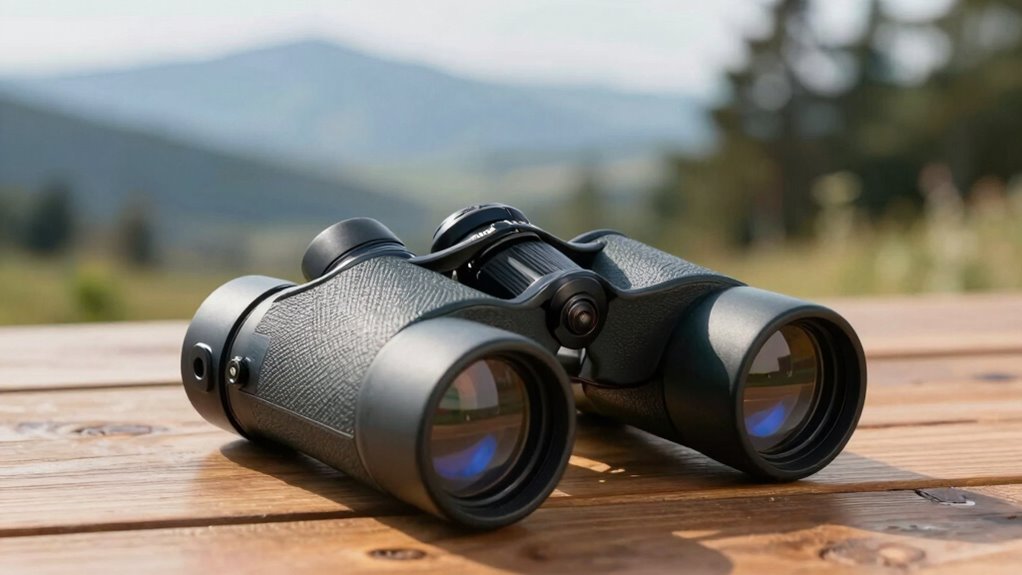
When you’re out in the field, observing wildlife or enjoying a scenic view, the last thing you want is shaky images. That’s where image stabilization in binoculars comes in. This stabilization technology can dramatically enhance your user experience, allowing you to focus on the beauty around you without the distraction of unwanted motion. You might be wondering, though, is this feature really necessary, or is it just overkill?
First off, let’s consider what image stabilization does. It compensates for small movements, whether from your hands shaking or environmental factors like wind. When you raise binoculars to your eyes, even the slightest tremor can turn a crisp view into a blurry mess. With stabilization technology, you can enjoy clear images, even at high magnifications. This feature is especially beneficial for birdwatchers or sports enthusiasts who need to spot fast-moving subjects from a distance. Additionally, the image stabilization technology often involves more complex optical systems, which can influence the overall weight and size of the binoculars.
Image stabilization in binoculars transforms shaky views into crystal-clear images, enhancing your focus on fast-moving wildlife or scenic wonders.
On the flip side, some might argue that image stabilization is overkill for casual users. If you’re just using binoculars for a quick look around, traditional models might suffice. These can be lighter, more affordable, and easier to handle, particularly for those who don’t spend extended periods watching wildlife. However, if you’re passionate about your pursuits, the benefits of stabilization should outweigh the drawbacks. Moreover, understanding the optical systems involved can help you make a more informed decision about whether this feature is worth the investment.

Canon 12×36 Image Stabilization III Binoculars
- Compact and portable design: Ideal for birdwatching and hunting
- Advanced Image Stabilization: Optics technology from Canon EF lenses
- High magnification: 12x magnification ratio
As an affiliate, we earn on qualifying purchases.
As an affiliate, we earn on qualifying purchases.
Frequently Asked Questions
How Do I Choose Between Stabilized and Non-Stabilized Binoculars?
When choosing between stabilized and non-stabilized binoculars, consider your needs. If you value optical performance and often use binoculars for long periods or in shaky conditions, go for stabilized models. They enhance user experience by reducing image shake. However, if you’re using them in stable environments or prefer a lighter option, non-stabilized binoculars might be more suitable. Assess where and how you’ll use them to make the best choice for you.
What Are the Battery Requirements for Image-Stabilized Binoculars?
You’ll need to evaluate battery types carefully; they’re the lifeblood of your image-stabilized binoculars! Most models use lithium-ion batteries, known for their power efficiency and long usage duration. Some options even offer rechargeable batteries, making them a practical choice for extended adventures. Just imagine not having to hunt for batteries while you’re staring at a breathtaking view! Always check the specifications to guarantee you get the best performance for your needs.
Can I Use Image-Stabilized Binoculars for Night Vision?
You can use image-stabilized binoculars for night vision, but it depends on the model. Some incorporate night vision technology, enhancing your viewing experience in low light. The stabilization benefits help reduce blur from hand movements, making it easier to spot details in darkness. However, verify your binoculars are specifically designed for night use, as not all models are equipped with this capability. Enjoy clearer, more stable views during your nighttime adventures!
How Do I Maintain Image-Stabilized Binoculars?
To maintain your image-stabilized binoculars, focus on proper lens care. Clean the lenses with a soft, lint-free cloth to avoid scratches. Store them in a protective case when not in use to prevent dust and damage. Check the stabilization technology regularly; if you notice any issues, consult the manufacturer. Avoid exposing them to extreme temperatures or moisture. With these steps, you’ll keep your binoculars in great shape for peak performance.
Are Image-Stabilized Binoculars Heavier Than Traditional Ones?
Yes, image-stabilized binoculars are generally heavier than traditional ones. The added components for stabilization contribute to the overall weight. When you’re considering a weight comparison, think about your usage scenarios. If you plan to hike or carry them for extended periods, the extra weight might be a drawback. However, if you’re using them for birdwatching or sports events where stability is essential, the benefits could outweigh the heaviness.
Conclusion
In the end, whether you choose image stabilization in binoculars really depends on your needs. If you’re hiking rugged trails or scanning distant landscapes, that extra stability can make all the difference. But if you’re just birdwatching from your backyard, traditional binoculars might suffice. It’s all about what works for you. So, weigh your options, consider your adventures, and find the perfect pair that enhances your experience without overwhelming it. Happy viewing!