
Whales play a crucial role in fighting climate change by supporting ocean health and boosting natural carbon storage. They feed on tiny fish and krill, helping transfer carbon to the deep ocean through their migrations and carcasses, known as whale falls. Their excretions promote phytoplankton growth, which absorbs significant amounts of CO2. Protecting whales maintains these processes, ensuring the ocean continues to act as a powerful carbon sink. To discover how, keep exploring their remarkable influence on our planet.

Prime made for students and young adults
- Fast, free delivery for dorm and study essentials
- Prime Video and Amazon Music included
- Member-only deals
Key Takeaways
- Whales support the biological carbon pump by transferring carbon from surface waters to the deep ocean through their migration and death.
- Whale excretion stimulates phytoplankton growth, which absorbs significant amounts of CO2 through photosynthesis.
- Dead whales sink as “whale falls,” sequestering carbon in the ocean floor for centuries and preventing its release into the atmosphere.
- Healthy whale populations help maintain marine biodiversity and ecosystem processes that regulate climate and support carbon storage.
- Protecting whales preserves natural carbon sequestration mechanisms, enhancing the ocean’s role as a critical climate change buffer.
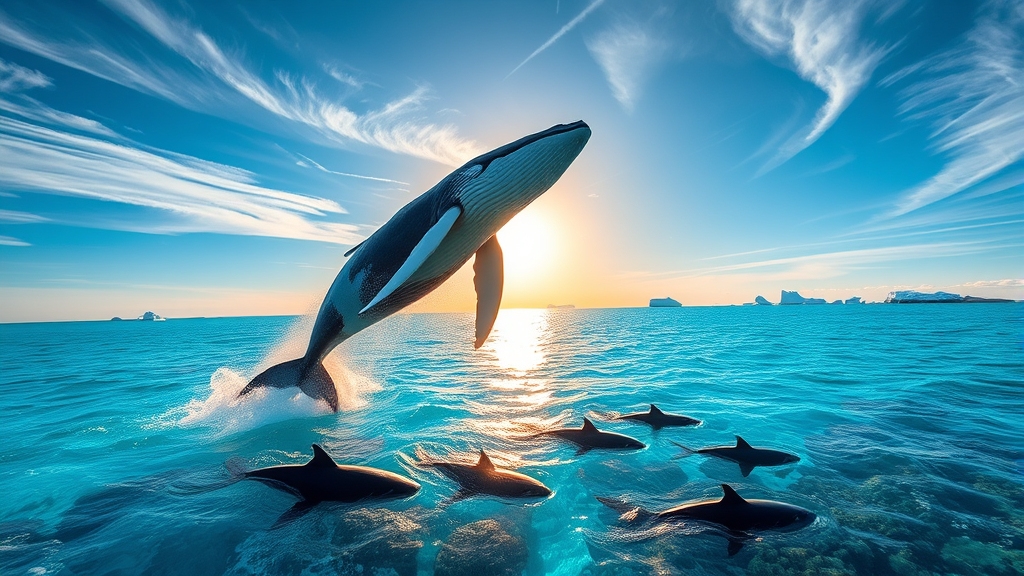
Have you ever wondered how whales influence our planet’s climate? These massive creatures do far more than just glide gracefully through the ocean; they play a essential role in maintaining the health of our environment. By supporting marine protection efforts, we help guarantee that whale populations remain stable, allowing their natural functions to continue benefiting the planet. One of the most fascinating ways whales impact climate is through their influence on oceanic carbon. When whales feed, migrate, and eventually die, they contribute to a process known as the biological carbon pump, which is key for regulating atmospheric carbon dioxide levels.
Whales help transfer carbon from the surface of the ocean to its depths, effectively acting as natural carbon sinks. During their feeding season, they consume vast quantities of small fish and krill, which are rich in carbon. Afterward, as they migrate to breeding grounds or deeper waters, they excrete nutrient-rich waste that stimulates the growth of phytoplankton. These microscopic plants form the foundation of the oceanic food chain and are among the most efficient natural absorbers of carbon dioxide. When phytoplankton photosynthesize, they draw in CO2, helping to reduce greenhouse gases in the atmosphere.
Whales promote carbon sequestration by feeding, excreting nutrients, and supporting phytoplankton growth, vital for reducing atmospheric CO2.
As whales reach the end of their lives, their bodies sink to the ocean floor, taking stored carbon with them. This deep-sea burial of whale carcasses, known as “whale falls,” effectively sequesters carbon for centuries, preventing it from re-entering the atmosphere. This process underscores why marine protection is so essential; preserving whale populations guarantees that these natural carbon sequestration mechanisms remain active. Without healthy whale populations, the balance of oceanic carbon could tip, leading to increased greenhouse gases and more rapid climate change.
Furthermore, whales’ presence influences the entire marine ecosystem, supporting biodiversity and the resilience of oceanic systems that regulate climate. Protecting whales through marine protection initiatives means safeguarding these complex processes that help control global warming. It’s not just about saving majestic animals; it’s about maintaining a natural balance that directly impacts our climate stability. Every effort to support marine protection and sustain whale populations helps keep the ocean functioning as a powerful carbon sink, ultimately helping to mitigate the effects of climate change. In short, whales are not only giants of the sea but also essential allies in the fight against global warming, reminding us of the interconnectedness between marine life and our planet’s climate health.
As an affiliate, we earn on qualifying purchases.
Frequently Asked Questions
How Do Whale Populations Impact Global Carbon Levels Long-Term?
Your question about whale populations and long-term carbon levels highlights their essential role. Whales communicate through complex sounds, supporting healthy marine food webs. As they feed and migrate, they help sequester carbon by transporting nutrients and facilitating the growth of phytoplankton, which absorb CO2. Protecting whales ensures these natural processes continue, maintaining long-term carbon balance and benefiting the planet’s climate stability.
What Specific Whale Species Are Most Effective in Carbon Sequestration?
You might wonder which whale species are best at capturing carbon. Baleen whales, like blue and humpback whales, are highly effective because their diet of krill and small fish fuels large migrations. These patterns help them absorb significant amounts of carbon and distribute nutrients across the ocean. Their long migrations and feeding habits make them vital in long-term carbon sequestration, benefiting the planet in ways you may not realize.
Are There Ongoing International Efforts to Protect Whales for Climate Benefits?
You should know that international efforts to protect whales are actively ongoing. Organizations work through marine protected areas and international treaties like the International Whaling Commission to safeguard whale populations. These measures help guarantee whales thrive, which benefits climate health by enhancing carbon sequestration. Your support for these initiatives can make a difference, contributing to global conservation goals and the fight against climate change.
How Does Climate Change Threaten Whale Habitats and Migration Patterns?
You might not realize it, but climate change threatens whale habitats and migration patterns by causing ocean acidification and sea level rise. These changes disrupt the delicate ecosystems whales depend on, forcing them to alter migration routes and struggle to find food. As ocean conditions shift, whales face increased stress and habitat loss, making it harder for them to survive. Protecting their environments is essential to maintaining healthy whale populations.
Can Whale Conservation Directly Influence Local Climate Conditions?
You might wonder if whale conservation can directly impact local climate conditions. By promoting whale tourism and establishing marine protected areas, you help sustain whale populations, which in turn supports healthy ocean ecosystems. These thriving ecosystems enhance carbon absorption and regulate local climate patterns. Your efforts in conservation create a positive feedback loop, benefiting both whales and the environment, ultimately contributing to more stable, localized climate conditions.
Conclusion
By protecting whales, you’re not just saving majestic giants—you’re also helping fight climate change. For example, whales can store up to 33 tons of carbon each, effectively removing it from the atmosphere. Their role in nutrient cycling boosts ocean health and boosts phytoplankton growth, which absorbs even more CO2. So, by supporting whale conservation, you’re actively contributing to a healthier planet and a more balanced climate. Every action counts when it comes to our ocean’s giants and our future.
Halloween Picks
halloween
As an affiliate, we earn on qualifying purchases.