
TL;DR
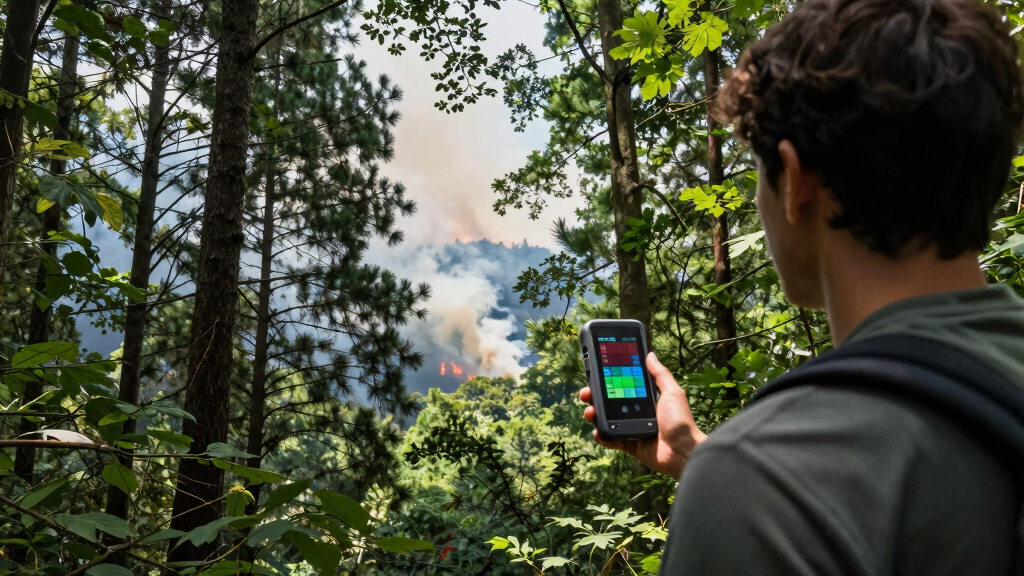
Canada is experiencing an intense wildfire season in 2026, with hundreds of fires burning across several provinces. Authorities have issued evacuations, and air quality is deteriorating nationwide. The situation remains ongoing with uncertain future developments.
Canada is currently battling one of its most severe wildfire seasons in 2026, with dozens of active fires across provinces including British Columbia, Alberta, and Quebec. Authorities have issued multiple evacuation orders, and air quality indices are reaching hazardous levels in several regions. This development underscores the escalating impact of climate change and resource challenges faced by Canadian firefighting agencies.
As of April 2026, Canadian officials report over 300 active wildfires nationwide, with the largest fires burning in British Columbia and Alberta. The provinces have declared states of emergency, mobilizing thousands of firefighters and resources to contain the blazes. The fires have forced evacuations of thousands of residents, particularly in rural and semi-urban areas, disrupting communities and local economies.
Air quality advisories have been issued across the country, with some regions experiencing air pollution levels comparable to severe pollution episodes in urban centers. The Canadian Interagency Forest Fire Centre (CIFFC) confirms that the wildfire activity is among the highest recorded for this time of year, with drought conditions and high temperatures contributing to the severity.
Federal and provincial officials emphasize that climate factors, including prolonged drought and heatwaves, are major drivers of this intense fire season. The Canadian government has allocated additional funding for firefighting efforts and disaster relief, but experts warn that such conditions could persist through the summer months.
Impacts on Public Safety and Climate Policy
This wildfire season highlights the increasing frequency and intensity of fires linked to climate change, posing ongoing threats to public safety, infrastructure, and ecosystems. The widespread evacuations and deteriorating air quality affect millions of Canadians and underscore the urgency for climate adaptation and mitigation strategies. The situation also strains firefighting resources, raising questions about preparedness for future fire seasons.

Ready America 72 Hour Deluxe Emergency Kit, 4-Person 3-Day Backpack, First Aid Kit, Survival Blanket, Power Station, Emergency Food, Portable Disaster Preparedness Go-Bag for Earthquake, Fire, Flood
- Emergency Kit for 4 People: Supports four people for three days
- Emergency Food and Water: Includes food bars and water cartons
- Comprehensive First Aid Kit: 107 piece first aid supplies included
As an affiliate, we earn on qualifying purchases.
As an affiliate, we earn on qualifying purchases.
Recent Trends and Climate Factors in Canadian Wildfires
Canada has experienced a rising trend in wildfire activity over the past decade, with 2026 being notably severe. Past years, such as 2021 and 2023, saw record-breaking fire sizes and durations. Experts attribute this to prolonged drought periods, rising temperatures, and changing precipitation patterns, all linked to global climate change. The 2026 season follows similar patterns, with early-season fires igniting in March and spreading rapidly due to dry conditions.
Historically, wildfire management in Canada has focused on suppression and evacuation, but recent years have highlighted the need for adaptive strategies, including controlled burns and landscape management, to reduce future risks. International support and collaboration have increased, but the scale of current fires exceeds available resources in many cases.
“The conditions fueling these wildfires are directly linked to climate change, and we must prepare for more intense seasons ahead.”
— Climate scientist Dr. Emily Chen
Uncertain Future Fire Developments and Climate Impact
While current firefighting efforts are active, it remains unclear how long the wildfire season will persist at this intensity. Weather forecasts predict continued high temperatures and drought conditions, but specific fire spread patterns and new ignitions are unpredictable. The long-term impact of climate change on future wildfire frequency and severity in Canada is also still being studied.
Upcoming Fire Season Milestones and Preparedness Measures
Fire agencies will continue active suppression efforts through the upcoming months, with weather conditions being closely monitored. Authorities are preparing for potential escalation and are working on community resilience plans. Climate scientists and policymakers are expected to release updated assessments and strategies aimed at reducing future wildfire risks and improving response capabilities.
Key Questions
How many wildfires are currently active in Canada?
As of April 2026, over 300 wildfires are active across multiple provinces, with the largest in British Columbia and Alberta.
What areas are most affected by the wildfires?
British Columbia, Alberta, and Quebec are experiencing the most significant impacts, including evacuations and air quality issues.
Are there any long-term climate implications from this wildfire season?
Yes, experts link the severity of the 2026 season to climate change, which is expected to increase the frequency and intensity of future wildfires.
What measures are being taken to protect communities?
Authorities have issued evacuation orders, mobilized firefighting resources, and are working on community preparedness and resilience strategies.
When will the wildfire season likely peak?
The peak is expected during the summer months, but ongoing weather conditions could influence the timing and severity.
Source: google-trends