The U.S. is making progress in saving its most endangered wolf, the red wolf, through habitat protection, captive breeding, and advanced monitoring tech. With over 28 wild wolves now in eastern North Carolina, efforts focus on boosting populations, maintaining genetic diversity, and managing threats like vehicle collisions and habitat loss. These strategies support long-term recovery and ecosystem health. If you want to discover how ongoing conservation efforts could secure the red wolf’s future, stay tuned.
Key Takeaways
- The red wolf population is steadily increasing through successful breeding and conservation efforts, with over 28 wolves in the wild.
- Advances in monitoring technologies and genetic management are enhancing survival and genetic diversity.
- Conservation goals include establishing multiple viable populations across distinct areas for long-term stability.
- Threats like habitat loss, vehicle collisions, and invasive species pose ongoing challenges to recovery.
- Community involvement and adaptive management are critical to ensuring the species’ future survival and ecosystem benefits.

The Secret World of Red Wolves: The Fight to Save North America's Other Wolf
As an affiliate, we earn on qualifying purchases.
As an affiliate, we earn on qualifying purchases.
The Current Status of the Red Wolf Population
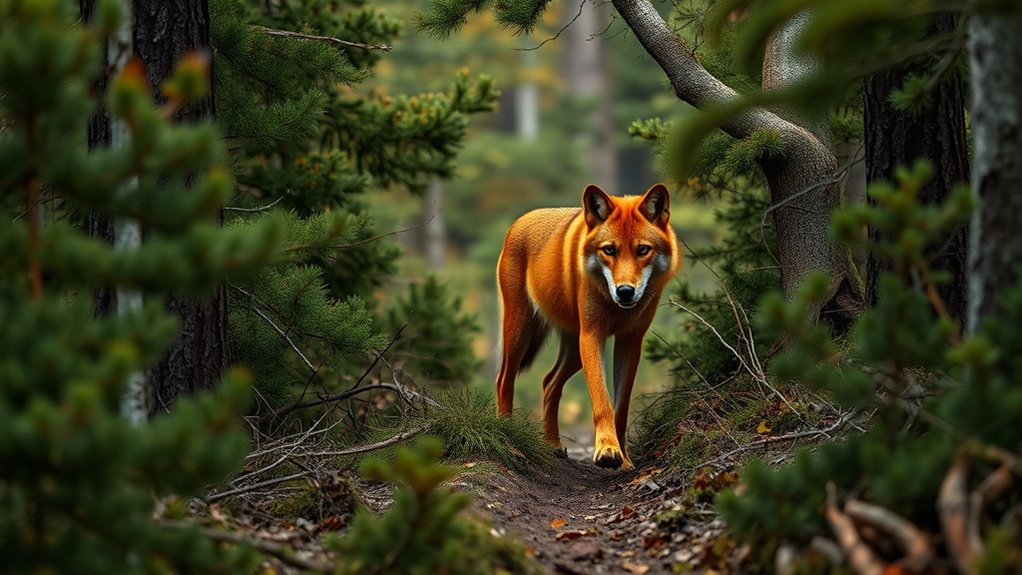
As of August 2025, the red wolf population in eastern North Carolina has shown significant improvement, with an estimated 28 to 31 individuals remaining in the wild. You can find 18 known, collared adult wolves actively tracked and monitored, giving researchers valuable insights into their behavior and movements. Meanwhile, 280 red wolves are kept in SAFE (Saving Animals From Extinction) captive breeding facilities nationwide, supporting future population growth. Since hitting a low point in 2020, the wild population has increased by over 150%, demonstrating promising recovery progress. Despite the small numbers, efforts continue to stabilize and expand the population. This progress marks a critical step toward restoring red wolves as a thriving part of North Carolina’s ecosystems. Conservation strategies play a vital role in ensuring the continued recovery of this endangered species.

Wildlife Population Monitoring
As an affiliate, we earn on qualifying purchases.
As an affiliate, we earn on qualifying purchases.
Recent Breeding Achievements and Population Growth

Recent breeding successes have led to notable population growth, with multiple litters boosting wild numbers. For example, a pair produced six pups in April 2025, representing at least a 25% increase in the wild population. These achievements mark a significant turnaround from record-low pup counts, highlighting the progress in red wolf recovery efforts. Emphasizing the importance of continuous learning, conservationists are adopting innovative strategies to ensure the species’ survival. Understanding legal requirements for wildlife protection is crucial for supporting these efforts. Additionally, integrating best conservation practices can further enhance recovery initiatives and secure the future of this endangered species. Staying informed about conservation legislation helps ensure ongoing support and resource allocation for red wolf recovery programs. Incorporating educational toys into awareness campaigns can also help foster community engagement and support for conservation initiatives.
Record-Low Pup Counts
Have the red wolves’ recent breeding successes defied expectations despite ongoing challenges? Not quite. While recent breeding efforts produced some pups, overall pup counts remain low, highlighting ongoing struggles. In April 2025, a breeding pair had six pups, and another litter of eight was born, marking a modest increase in the wild population. However, these numbers are still far from stable, with only a handful of pups surviving to be monitored. The population, estimated at just 28-31 wolves, struggles against threats like predation and vehicle mortality. Despite increased breeding activity, the pup counts are still at record lows, underscoring the fragile state of the species. These numbers reveal how much more work is needed to secure a sustainable future for the red wolf.
Increased Breeding Success
Despite ongoing challenges, the red wolf recovery program has achieved notable breeding successes that indicate progress. Recent efforts have led to multiple litters, boosting the wild population and demonstrating resilience. In April 2025, a breeding pair produced six pups, while another litter of eight was born in the Alligator River Refuge, representing at least a 25% increase in wild numbers. Additionally, a second litter of five pups arrived in May 2023, raising the Milltail pack to 13 wolves. The first cross-foster effort in red wolf history also occurred in 2025, enhancing genetic diversity. These milestones show that targeted management and habitat protection are fostering reproductive success, laying a foundation for long-term recovery. Monitoring techniques are being employed to guarantee pup survival and adaptation, ensuring the genetic diversity necessary for the species’ resilience. Furthermore, ongoing habitat restoration plays a crucial role in providing suitable environments for future generations. Implementing population management strategies is vital to sustain these gains and secure the future of the red wolf.
Population Growth Milestones
The red wolf recovery program has made significant strides in increasing the wild population through targeted breeding efforts and habitat management. As of August 2025, there are approximately 28-31 wild red wolves in eastern North Carolina, a 150% increase since 2020. Recent breeding successes, like the April 2025 litter of six pups and the eight pups born that same month, have contributed to this growth. The population has expanded through new litters and ongoing monitoring, with at least five pups from M2191’s litter remaining in the wild. Captive breeding efforts support the wild population, which now benefits from adaptive management and advanced tracking technologies. These milestones reflect ongoing progress toward establishing a sustainable, genetically diverse, and resilient red wolf population. Regular review and adjustment of management strategies are crucial to ensure continued success. Implementing genetic diversity measures helps maintain a healthy and adaptable population capable of withstanding environmental changes, and detailed monitoring techniques enhance conservation efforts. Additionally, population monitoring is essential for assessing progress and guiding future conservation strategies. Incorporating remote work productivity strategies can improve the efficiency of field researchers and conservationists working in the wild.

Small Montessori Animal Figures with Flash Cards, Realistic Animal Figurines Toys, Montessori Materials Homeschool Preschool Science Educational Matching Game for Toddler Kids (Zoo)
Animals Figurines: 12 Pcs Vibrant Colors Realistic Plastic Zoo Animal, About 2-3 In.
As an affiliate, we earn on qualifying purchases.
As an affiliate, we earn on qualifying purchases.
Key Strategies in Conservation and Management

Conservation and management of the red wolf rely on a combination of targeted strategies designed to bolster populations and guarantee long-term viability. You focus on habitat protection, population monitoring, and adaptive management. Habitat conservation ensures wolves have sufficient space and resources, reducing human-wildlife conflicts. Monitoring involves collaring and remote sensing to track movements, health, and dispersal patterns, enabling quick responses to threats. Adaptive management allows you to adjust strategies based on ongoing data, improving breeding success and population stability. You also prioritize maintaining genetic diversity and establishing multiple populations across different regions. These efforts work together to create a resilient recovery framework, increasing the chances of the red wolf’s survival and eventual delisting from the Endangered Species list. Incorporating biodiversity conservation practices can further enhance the resilience of these populations by supporting ecosystem health and stability. Implementing genetic diversity initiatives is crucial for avoiding inbreeding depression and ensuring adaptive capacity. Additionally, fostering positive vibrational energy among conservation teams and local communities can improve collaboration and overall success of recovery initiatives. Recognizing the importance of Cultural Intelligence can help conservation teams navigate diverse stakeholder perspectives and foster more inclusive engagement strategies.

PETKNOWS 12 Pack Pet Cage Liner Protection Rabbit Cage Urine Guard Clear Cage Edge Liner Guinea Pig Side Lining Habitat Siding Cage Accessories, 11.8 inches x 9.8 inches Bedding Litter
Transparent and Good Durability: You will receive 12 pieces pet cage liner, made of PVC material, which have…
As an affiliate, we earn on qualifying purchases.
As an affiliate, we earn on qualifying purchases.
The Role of Captive Breeding and Release Programs

Captive breeding and release programs play a crucial role in restoring the red wolf population by supplementing wild numbers and establishing resilient populations. These programs maintain a genetically diverse stock of red wolves in SAFE facilities, ensuring a healthy gene pool for future reintroduction efforts. When conditions are right, wolves are carefully released into the wild, where they join existing packs and help expand the population. The program’s success depends on selecting healthy, genetically suitable individuals and timing releases to maximize survival chances. Ongoing collaboration among SAFE partners, along with adaptive management strategies, helps improve release techniques. This approach not only boosts population numbers but also prepares wolves for the challenges of wild life, laying the foundation for long-term recovery and stability. Understanding the importance of genetic diversity is vital for ensuring the long-term health and adaptability of reintroduced populations. Incorporating mindfulness and emotional intelligence into management strategies can improve the coordination and success of these efforts.
Monitoring Technologies and Field Efforts
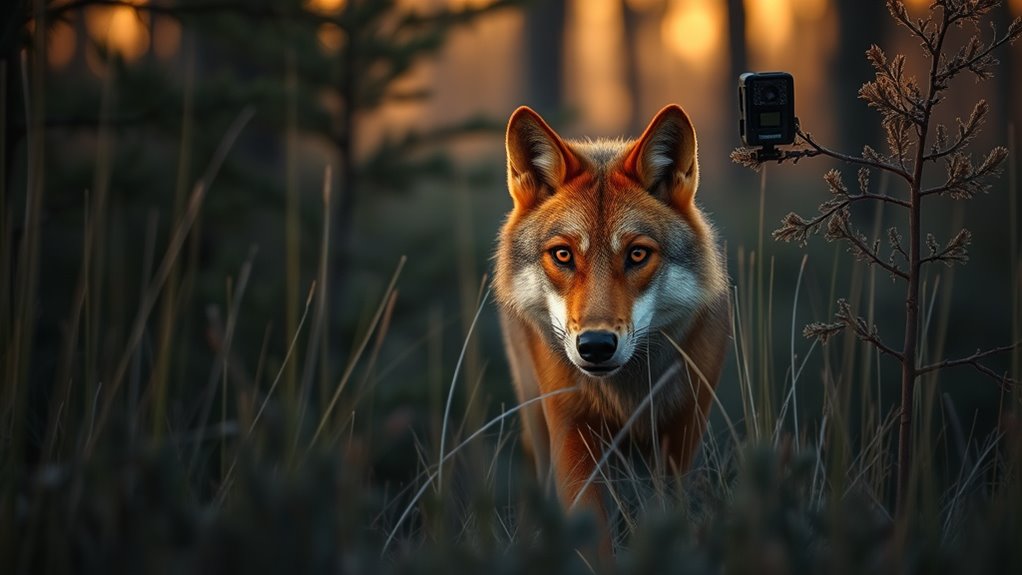
You can see how advanced collaring methods, like GPS and reflective tags, help track red wolves accurately in their habitat. Remote sensing techniques, such as camera traps and aerial surveys, provide real-time data on population movements and health. Field observation strategies, including direct monitoring and community engagement, guarantee you gather thorough insights to support recovery efforts.
Advanced Collaring Methods
Advanced collaring methods have revolutionized how scientists monitor and manage red wolf populations. These innovative techniques enable precise tracking, behavioral analysis, and health assessments, vital for effective conservation. Modern collars are lightweight, durable, and equipped with GPS and VHF transmitters, allowing real-time location data collection even in dense habitats. They also feature remote data download capabilities, reducing the need for frequent field visits. The collars are designed to minimize stress and discomfort for the wolves, ensuring ethical research practices. Additionally, advancements in collar technology facilitate long-term monitoring, helping scientists detect dispersal patterns, territorial shifts, and pack dynamics. This level of detailed insight supports adaptive management strategies, essential for addressing threats and promoting recovery efforts. Here are some key aspects of these advanced techniques:
- Integration of GPS and remote data retrieval systems
- Use of non-invasive, lightweight collar designs
- Enhanced battery life for extended monitoring periods
- Progress in collar technology continues to improve data accuracy and animal welfare. Ongoing innovations are expanding the capabilities and applications of these monitoring tools. New sensor integration further enhances the ability to gather comprehensive health and behavior data remotely.
Remote Sensing Techniques
Remote sensing techniques have become essential tools in monitoring red wolf populations, allowing conservationists to gather detailed data over large and challenging terrains. Camera traps equipped with infrared sensors capture images of wolves and other wildlife without disturbing them, providing real-time insights into behavior, movement, and population size. Satellite imagery helps identify habitat changes, track land use, and detect potential threats like development or deforestation. Radio and GPS collars transmit location data, enabling precise movement and dispersal tracking, especially for uncollared wolves. These technologies facilitate continuous, non-invasive monitoring, reducing the need for frequent field visits. Overall, remote sensing enhances conservation efforts by offering extensive, timely information critical for adaptive management and long-term recovery planning of the red wolf.
Field Observation Strategies
Effective field observation strategies are essential for monitoring red wolf populations and ensuring their continued recovery. You’ll rely on a combination of advanced technologies and dedicated field efforts to track these elusive animals. Using radio collars with bright orange reflective materials helps distinguish red wolves from coyotes, enabling precise identification. Remote cameras are strategically placed to capture activity patterns and detect dispersers, reducing blind spots. Regular patrols and habitat surveys allow you to observe behavior, monitor breeding success, and identify threats. Additionally, trained personnel conduct visual and track surveys, recording data to inform management decisions. These combined approaches create a complete picture of population dynamics, helping you adapt strategies and support the ongoing recovery of this critically endangered species.
Challenges Facing Red Wolf Recovery
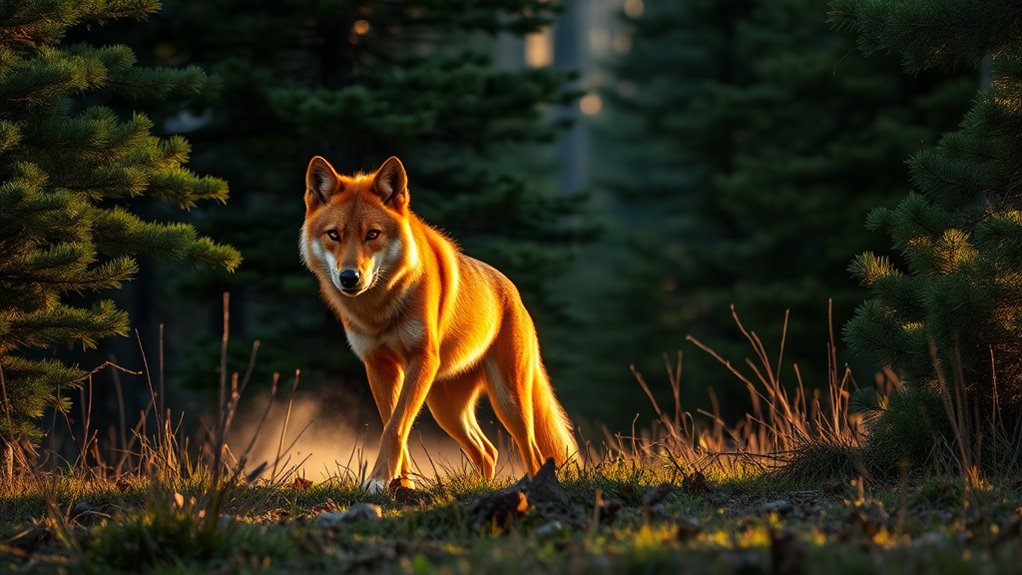
Red wolf recovery faces numerous challenges that threaten its continued progress. One major obstacle is ongoing threats from human activities, like vehicle collisions and habitat loss, which cause mortality and reduce available territory. Dispersing young wolves often encounter conflicts with agriculture and development, making survival difficult. Additionally, invasive species such as Burmese pythons pose predation risks, especially in Florida, complicating recovery efforts. Low population numbers increase vulnerability to genetic bottlenecks and environmental fluctuations, risking inbreeding and reduced resilience. Managing these threats requires constant monitoring, adaptive strategies, and collaboration among conservation agencies and local communities. Despite recent gains, these persistent challenges demand innovative solutions and sustained commitment to ensure the red wolf’s recovery remains on track.
The Significance of Genetic Diversity and Population Stability

Maintaining genetic diversity and population stability is essential for the red wolf’s long-term survival. Without genetic variation, the species risks inbreeding depression, reduced adaptability, and increased vulnerability to diseases. You must prioritize strategies that promote healthy gene flow across populations to avoid bottlenecks. Consider these key aspects:
Prioritize genetic diversity through multiple populations, captive breeding, and DNA monitoring to ensure red wolf survival.
- Ensuring multiple, geographically dispersed populations to prevent genetic isolation
- Supporting captive breeding programs to introduce diverse genetic material
- Monitoring genetic health through DNA analysis to detect signs of inbreeding or loss of diversity
Broader Ecosystem Benefits of Red Wolf Preservation

Preserving the red wolf goes beyond saving a single species; it plays a crucial role in restoring the health and balance of entire ecosystems. As top predators, red wolves help control populations of prey animals like deer and rodents, preventing overgrazing and habitat degradation. This balance benefits native plants and other wildlife, supporting biodiversity. Their presence encourages healthier, more resilient ecosystems that can better withstand environmental changes. By maintaining these natural processes, red wolf recovery also promotes water quality and soil stability. The table below highlights key ecosystem benefits:
| Benefit | Impact |
|---|---|
| Pest control | Reduces crop damage and disease spread |
| Vegetation health | Prevents overbrowsing, encourages plant growth |
| Biodiversity | Supports a variety of native species |
| Water quality | Improved through healthier riparian zones |
| Habitat stability | Maintains landscape resilience |
Goals and Criteria for Long-Term Recovery and Delisting

To guarantee the red wolf’s long-term survival, specific population thresholds must be met, including reaching at least three viable populations with individual sizes of 180 and 280 wolves. You need to keep these populations stable or growing for at least a decade with minimal human intervention. Maintaining high genetic diversity across all populations is vital to prevent inbreeding and secure their resilience over time.
Population Thresholds Established
Establishing clear population thresholds is essential for guiding the red wolf recovery and delisting process. These benchmarks define success and guarantee recovery efforts are measurable and focused. To achieve this, the goal is to establish three viable populations across distinct geographical areas, minimizing risks from localized threats. Each population must meet specific size criteria: one should reach at least 180 wolves, while the other two must each grow to a minimum of 280 wolves. Additionally, all populations need to maintain high genetic diversity and remain stable or increase for at least ten years with minimal human intervention. These thresholds provide a concrete framework for evaluating when the red wolf has recovered sufficiently to be delisted and fully recovered in the wild.
- Geographic distribution ensures population redundancy and resilience
- Minimum population sizes prevent genetic bottlenecks
- Long-term stability indicates self-sustaining recovery
Genetic Diversity Maintenance
Maintaining high genetic diversity is essential for ensuring the long-term resilience and adaptability of the red wolf populations. To achieve this, conservation efforts focus on preserving a broad gene pool across all established populations. This includes managing breeding pairs to maximize genetic variation and avoiding inbreeding, which can reduce health and reproductive success. Regular monitoring of genetic health through DNA analysis helps identify genetic bottlenecks or loss of diversity. The goal is to sustain diversity levels that support adaptation to environmental changes and disease resistance. Ensuring at least three viable populations with diverse genetics will help meet delisting criteria. Long-term, genetic diversity must remain stable or improve over a decade, securing the species’ resilience without ongoing human intervention.
Collaboration and Community Involvement in Conservation
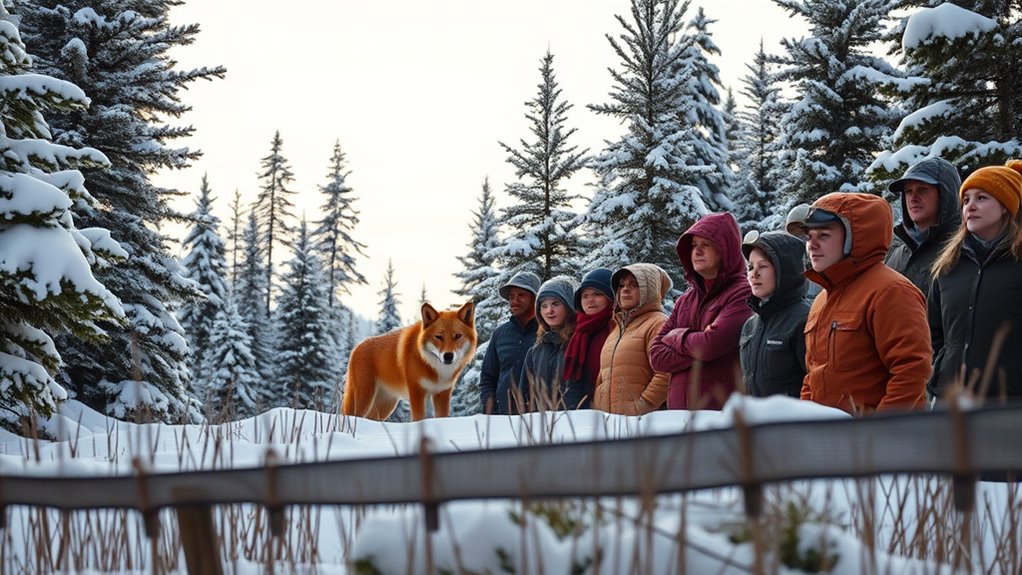
How does community involvement drive the success of red wolf conservation efforts? When local communities participate actively, you foster a sense of shared responsibility that strengthens protection measures. Community support can reduce threats like poaching and habitat destruction, making conservation more effective. Engaging residents also promotes education and awareness, encouraging coexistence with wolves. Your involvement helps build trust between conservationists and locals, leading to collaborative problem-solving.
- Promoting educational outreach that dispels myths and highlights ecological benefits
- Establishing local stewardship programs to monitor and protect wolf habitats
- Facilitating dialogue between scientists, policymakers, and community members to align conservation goals
Frequently Asked Questions
How Do Red Wolves Impact the Local Ecosystem Beyond Conservation?
You can see that red wolves help maintain a healthy ecosystem by controlling prey populations like deer and rodents, which prevents overgrazing and supports plant diversity. Their presence encourages balanced predator-prey relationships, fostering healthier habitats for other wildlife. Additionally, their recovery efforts promote landscape restoration and biodiversity, benefiting the broader environment. By protecting red wolves, you’re also supporting the resilience and stability of eastern North Carolina’s ecosystems.
What Are the Main Obstacles to Increasing Wild Red Wolf Numbers?
You face obstacles like vehicle collisions that kill many red wolves, similar to recent cases in North Carolina where traffic accidents markedly reduced local populations. These threats make it difficult to boost wild numbers despite breeding successes. Habitat loss, invasive predators, and dispersing wolves also challenge growth. To overcome these, you need continuous monitoring, adaptive management, and efforts to reduce human-related threats, ensuring the wolves can thrive and expand safely in their environment.
How Does Climate Change Affect Red Wolf Habitat and Recovery Efforts?
Climate change impacts red wolf habitats by altering ecosystems, increasing flooding, and shifting prey availability, which complicates recovery efforts. You’ll find that rising temperatures and severe weather disrupt breeding and dispersal patterns, making it harder to establish stable populations. These changes also threaten prey and plant communities essential for red wolves’ survival. To succeed, you must adapt management strategies to address climate-related challenges, ensuring habitats remain viable and resilient.
Are There Plans to Expand Red Wolf Recovery Beyond North Carolina?
They say, “Think globally, act locally,” and yes, there are plans to expand red wolf recovery beyond North Carolina. Conservationists are exploring opportunities to reintroduce these wolves in other suitable habitats across the southeastern U.S. to increase their chances of survival. This effort involves habitat assessments, stakeholder collaborations, and adaptive management strategies, aiming to establish multiple viable populations and prevent extinction. Your support can help make this ambitious goal a reality.
How Can the Public Assist in Red Wolf Conservation Initiatives?
You can help conserve red wolves by supporting organizations involved in their recovery, spreading awareness about their plight, and avoiding activities that harm their habitat. Volunteer for local conservation efforts, advocate for protective policies, and stay informed about red wolf issues. Your actions can make a difference by fostering community support, reducing threats like habitat destruction and vehicle collisions, and encouraging responsible coexistence with these critically endangered wolves.
Conclusion
If you act now, you could witness the miraculous comeback of the red wolf, transforming barren landscapes into vibrant, roaring wilderness. With your support, these incredible creatures might someday reclaim their rightful place, turning extinction into an epic victory story. Imagine forests alive with howls once more, a tribute to human dedication and nature’s resilience. Don’t let this legend fade into memory—be part of the extraordinary effort to save the red wolf!