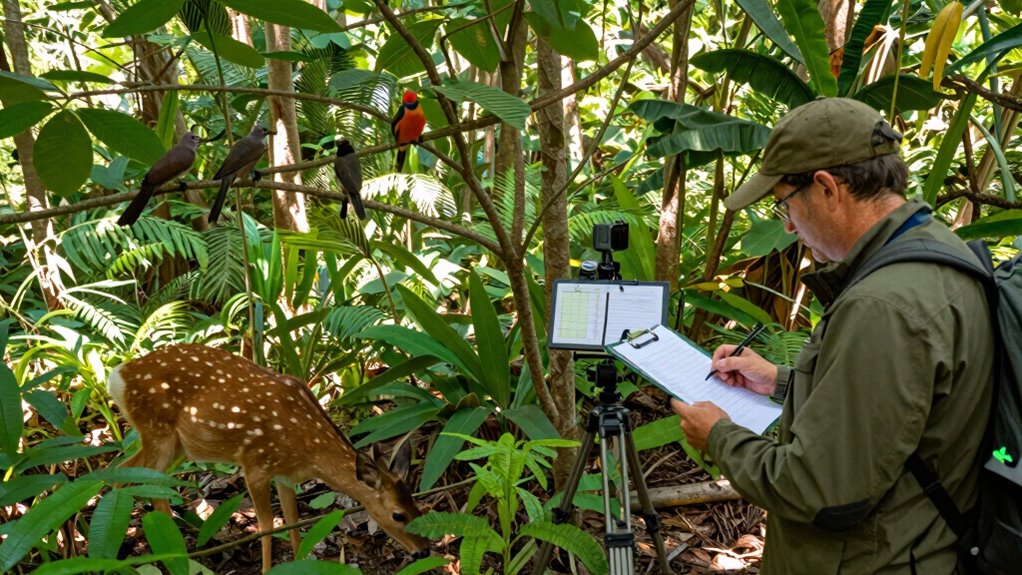

Adaptive management is a science-based approach that helps you respond to uncertainties in conservation efforts. It involves setting clear goals, taking actions, and then monitoring how ecosystems react. You can modify strategies based on what you learn, making sure your efforts stay effective over time. Because ecosystems are complex and change constantly, this flexible method lets you experiment, learn from mistakes, and build resilience. Keep exploring, and you’ll discover how this approach ensures long-term success.

Get school and study supplies delivered free — and shop member deals
- Fast, free delivery on millions of items
- Access to Prime Big Deal Days deals on October 6–7
- Prime Video, Amazon Music and more included
Key Takeaways
- Adaptive management is a flexible, iterative process that adjusts conservation strategies based on ongoing learning and ecosystem responses.
- It involves setting clear goals, implementing actions, and using data to evaluate success and inform future decisions.
- Stakeholder engagement ensures diverse perspectives and fosters long-term commitment to conservation efforts.
- Recognizing ecosystem complexity, it promotes experimentation and adaptation to changing environmental conditions.
- The approach emphasizes long-term sustainability by continuously learning, adjusting, and improving conservation practices.

Have you ever wondered how conservation efforts can stay effective amidst changing conditions and new challenges? That’s where adaptive management comes in. It’s a dynamic approach that helps you respond to uncertainties by continuously learning and adjusting strategies. This process enhances ecosystem resilience because it allows your efforts to evolve in response to environmental changes, threats, and new scientific insights.
Adaptive management helps conservation stay effective by learning, adjusting, and evolving strategies amid environmental changes and uncertainties.
In practice, adaptive management involves setting clear objectives, implementing targeted actions, and then carefully observing the results. You gather data on how ecosystems respond, which helps you understand whether your interventions succeed or need tweaking. This cycle of action and reflection keeps your conservation efforts relevant, especially when conditions shift unexpectedly. By embracing this iterative process, you improve the chances of protecting biodiversity and maintaining healthy ecosystems over time. Incorporating scientific insights into decision-making ensures your strategies are grounded in the latest understanding. Additionally, understanding watt-hours and capacity is crucial for measuring the effectiveness of your conservation tools and strategies.
Stakeholder engagement plays an essential role in adaptive management. You involve local communities, policymakers, scientists, and other relevant parties in decision-making. When everyone participates in the process, you gain diverse perspectives and valuable knowledge that can inform better strategies. Engaging stakeholders also fosters a sense of ownership and commitment, which is indispensable for long-term success. As challenges arise—be it climate change, invasive species, or habitat loss—you and your stakeholders work together to adapt your plans, ensuring that conservation remains effective and inclusive.
Because ecosystems are complex and interconnected, adaptive management recognizes that there’s no one-size-fits-all solution. You need the flexibility to respond to new information, unexpected disturbances, and social considerations. This approach encourages experimentation, learning from mistakes, and scaling up successful practices. Over time, it builds resilience into ecosystems and human communities alike, making them better equipped to withstand future pressures. Ecosystem complexity requires adaptive strategies that can accommodate multiple variables and uncertainties. Incorporating project performance metrics can further improve decision-making and outcomes in this process.
Ultimately, adaptive management is about being proactive rather than reactive. It requires you to stay engaged, keep learning, and be willing to change course when necessary. By fostering ecosystem resilience and strengthening stakeholder engagement, you create a more robust foundation for conservation efforts. This guarantees that your work remains effective, even as conditions evolve and new challenges emerge. Embracing adaptive strategies can help ensure long-term success and sustainability in conservation initiatives.
As an affiliate, we earn on qualifying purchases.
Frequently Asked Questions
How Does Adaptive Management Differ From Traditional Conservation Methods?
Adaptive management differs from traditional conservation methods by emphasizing flexibility and learning. You actively monitor ecosystem responses, adjusting policies to improve resilience and effectiveness. Unlike static, rigid approaches, adaptive management allows you to refine strategies based on new data, enhancing ecosystem resilience. This policy flexibility helps you respond to changing conditions, ensuring conservation efforts remain relevant and successful over time. It’s a dynamic process focused on continuous improvement.
What Are Common Challenges in Implementing Adaptive Management?
Imagine steering a ship through fog—your course depends on constantly adjusting based on new info. Common challenges in implementing adaptive management include maintaining stakeholder engagement, ensuring consistent data collection, and balancing scientific uncertainty. Without ongoing collaboration and reliable data, progress stalls, much like maneuvering without a clear map. You need patience and flexibility to adapt strategies, overcoming these hurdles to effectively conserve resources.
Can Adaptive Management Be Applied to Urban Conservation Efforts?
Yes, you can apply adaptive management to urban conservation efforts. By integrating urban development with ecological needs, you promote urban integration, ensuring cities support biodiversity. You adjust policies based on ongoing monitoring, allowing for policy adaptation that responds to new challenges and data. This approach helps you create flexible, resilient urban spaces that balance growth with conservation, making your efforts more effective and sustainable over time.
How Is Success Measured in Adaptive Management Programs?
You measure success in adaptive management programs by monitoring effectiveness through regular data collection and analysis, checking if conservation goals are met. Stakeholder engagement is vital, as it guarantees that all voices are heard and strategies are adjusted based on feedback. You should continuously evaluate outcomes, refine actions accordingly, and maintain transparent communication. This iterative process helps you adapt effectively, maximizing conservation success over time.
What Role Do Local Communities Play in Adaptive Management?
You might think local communities are just background noise, but they’re actually the stars of adaptive management. You get to lead community engagement, turning locals into conservation allies. Their cultural integration guarantees strategies respect traditions, making efforts sustainable. By involving them, you harness local knowledge, foster ownership, and create solutions that truly work. So, forget about top-down mandates—your community’s insights are the secret weapon for adaptive success.
Conclusion
Think of adaptive management as a steady compass guiding your conservation journey through unpredictable waters. It symbolizes hope and resilience, reminding you that change isn’t a setback but an opportunity to learn and improve. By embracing this approach, you become the captain steering toward a healthier, more balanced ecosystem. Remember, every adjustment you make is a beacon shining brighter for future generations—proof that your actions can truly turn the tide in conservation.
Fall Picks
fall essentials
As an affiliate, we earn on qualifying purchases.