
Humans turned wild species into our best friends and foods through thousands of years of selective breeding, taming, and adapting animals for our needs. We domesticated dogs, sheep, goats, cattle, pigs, horses, camels, and poultry, shaping their traits for companionship, food, and transportation. Over time, these animals evolved alongside us, developing behaviors suited to agricultural and cultural roles. If you keep exploring, you’ll discover how this long process transformed societies and cultures worldwide.
Key Takeaways
- Humans selectively bred wild animals like wolves, sheep, and cattle over thousands of years to enhance traits beneficial for companionship and food.
- Domestication involved mutual benefits, where animals gained access to food scraps and humans received labor, resources, and companionship.
- Advances in breeding techniques transformed wild species into manageable, productive animals suited for farming, transportation, and social roles.
- Animals like dogs, cattle, and horses became cultural symbols, supporting societal development and shaping human history.
- Through domestication, humans turned wild species into essential resources and partners, fundamentally transforming ecosystems and societies.
Top picks for "domestication human turn"
Open Amazon search results for this keyword.
As an affiliate, we earn on qualifying purchases.
The Beginnings of Canine Companionship
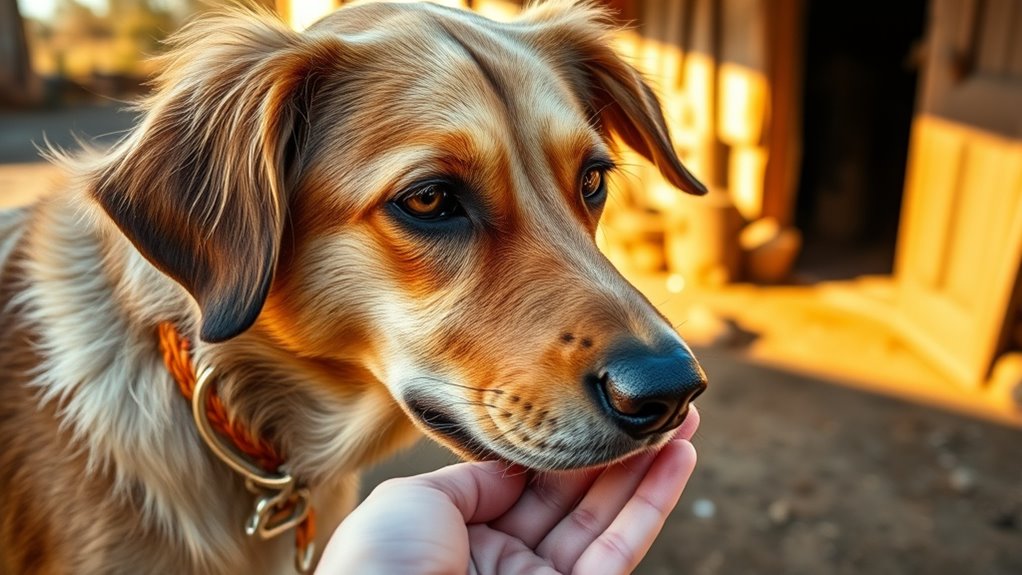
The beginnings of canine companionship trace back thousands of years when humans first domesticated dogs from wolves. You might imagine these early dogs as helpful hunters, protectors, or even companions, joining humans in daily life. Genetic evidence shows that dogs split from wolves around 33,000 years ago, indicating a long-standing relationship. The earliest archaeological find, a 12,000-year-old dog jawbone from Iraq, confirms their early presence alongside humans. Unlike other domesticated animals, dogs likely began their bond with humans during hunter-gatherer times, before farming. Selective breeding over generations rapidly changed their jaw size and teeth, tailoring dogs for specific roles. This deep, ancient connection laid the foundation for the close relationship we share with dogs today, making them truly our oldest companions. Additionally, the genetic studies reveal that the domestication process involved complex interactions and mutual adaptations between humans and dogs over millennia. Recent research also suggests that early humans may have actively selectively bred dogs for temperaments and traits advantageous for survival and companionship, further strengthening their bond. Moreover, evidence indicates that early domestication may have involved mutual benefits, such as wolves gaining access to food scraps while aiding humans in hunting or guarding.
Early Steps in Sheep and Goat Domestication
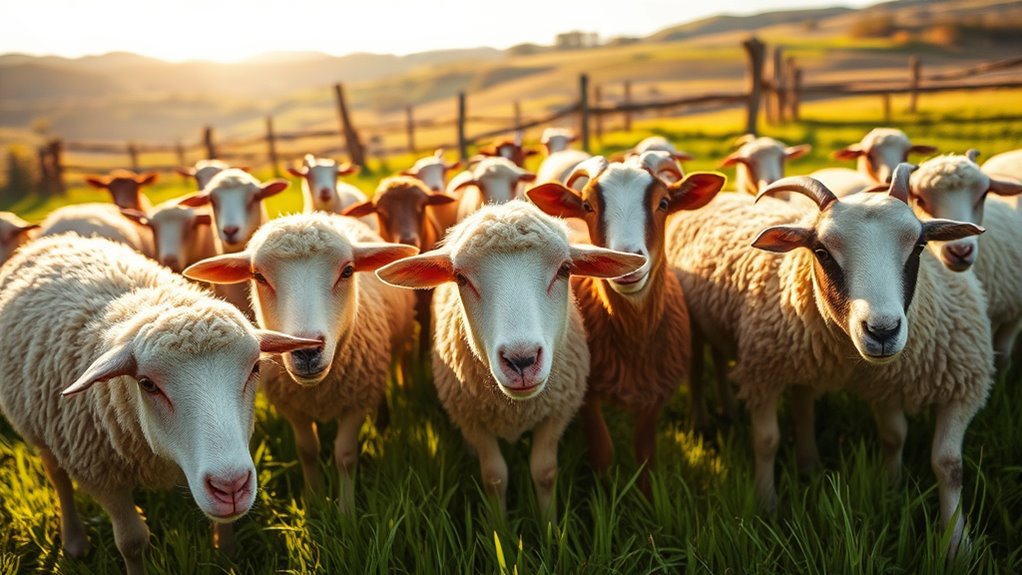
You can see how sheep and goats first became domesticated in Southwest Asia around 11,000 to 8,000 BCE, supporting nomadic lifestyles. These animals provided vital resources like meat, milk, and wool, helping early communities shift from hunting to herding. Their domestication laid the foundation for more settled and sustainable economies in the region. Additionally, the process of animal selection during domestication contributed to the development of specific breeds suited for human needs. This targeted breeding also increased traits like docility and productivity, making domesticated animals more manageable and beneficial for early human societies. The emphasis on community resilience played a crucial role in ensuring the success of early domestication efforts.
Origins in Southwest Asia
Southwest Asia emerges as a crucial region in the early history of animal domestication, particularly for sheep and goats. This area, home to the Fertile Crescent, served as a hub for early agricultural innovation. During this time, you can see three key developments:
- Sheep domestication began between 11,000 and 9,000 BCE, providing early communities with meat, wool, and milk.
- Goats were domesticated around 8,000 BCE, offering similar resources and adaptable grazing habits.
- These domesticated animals supported nomadic lifestyles, helping humans shift from hunting to herding.
- The region’s climate and abundant wild populations made it ideal for *domestication efforts*, facilitating the transformation of wild sheep and goats into essential domesticated species.
The region’s climate and abundant wild populations made it ideal for experimentation. As a result, Southwest Asia became a cradle for the earliest steps in transforming wild sheep and goats into essential domesticated species.
Supporting Nomadic Economies
How did early humans support their nomadic lifestyles through animal domestication? You relied on sheep and goats, which adapted well to movement. These animals provided essential resources like meat, milk, and wool, helping you sustain yourself on the move. Their manageable size and resilience made them perfect for herding across diverse terrains. To understand their significance, consider this table:
| Species | Key Resource | Domestication Time |
|---|---|---|
| Sheep | Wool, meat, milk | 11,000–9,000 BCE |
| Goats | Meat, milk, hides | Around 8,000 BCE |
| Support | Nomadic herding | Enabled mobility |
Additionally, the adaptability of these animals contributed significantly to the success of early nomadic societies.
Cattle and Pigs: Foundations of Agricultural Societies
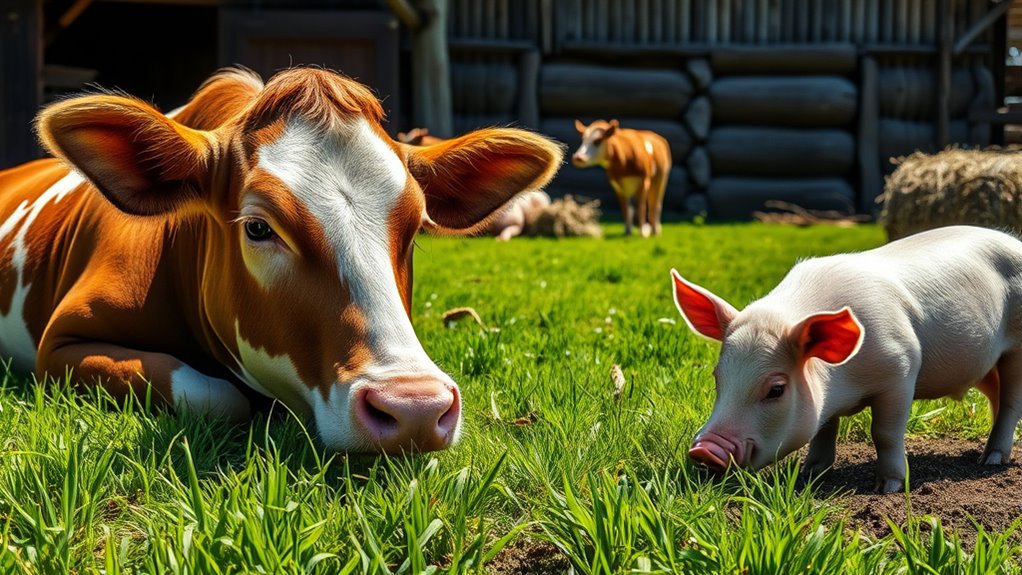
You can see how cattle and pigs transformed early societies by providing essential food sources and labor. Their domestication around 8,300 BCE laid the groundwork for agriculture and settled communities. These species became key to developing stable food supplies and supporting population growth. Additionally, their spiritual and emotional significance influenced cultural practices and societal development. Recognizing the importance of organization in managing these species helped early humans maintain healthier and more productive relationships with their domesticated animals. Incorporating farming techniques and sustainable practices further enhanced their roles within human societies. Moreover, understanding the benefits of glycolic acid in skincare illustrates how scientific advancements can improve health and appearance. The diverse animal breeds that emerged through domestication also contributed to the adaptability and resilience of early agricultural societies.
Early Domestication Timeline
Around 8,300 BCE, humans began domesticating cattle and pigs, marking a significant step in establishing agricultural societies. This early move laid the groundwork for stable food sources and community growth. Here’s what made this timeline pivotal:
- It enabled humans to produce consistent meat and dairy, reducing reliance on hunting.
- Domestication of cattle provided draft animals, boosting farming efficiency.
- Pigs offered a quick and adaptable meat source, ideal for settled communities.
This timeline shows how humans shifted from nomadic hunter-gatherers to settled farmers. The domestication process fostered population growth, supported larger communities, and set the stage for complex societies. These early domesticated animals became essential for food security and economic stability, shaping the future of human civilization.
Roles in Agriculture
The domestication of cattle and pigs marked a turning point in developing sustainable agricultural systems. You, as early farmers, relied on these animals to boost food production and improve your livelihoods. Cattle provided a steady source of meat, milk, and labor for plowing fields, making farming more efficient. Pigs offered meat and fat, essential for nutrition and cooking. Their presence supported larger, more stable settlements by increasing food surplus and reducing dependence on wild game. These animals also helped transform nomadic groups into settled communities, laying the foundation for complex societies. Their roles in agriculture made farming more productive and reliable, enabling population growth and technological advancements. In this way, cattle and pigs became vital to the rise of organized, sustainable food systems. Additionally, the process of animal domestication involved selective breeding practices that enhanced desirable traits, further integrating these animals into human society. Moreover, the development of selective breeding techniques contributed to the animals’ suitability for farming and food production. The ability to manage and breed these animals selectively allowed early farmers to optimize traits like size, docility, and productivity, reinforcing their importance in agriculture.
The Role of Cats in Human Settlements

Cats played a crucial role in human settlements by helping control rodent populations, which threatened stored food supplies. Their natural hunting instincts made them perfect pest controllers, especially near grain stores and homes. This benefit led to their gradual domestication. Additionally, their presence supported efforts to manage data privacy concerns by reducing rodents that could carry diseases, indirectly contributing to healthier living environments. The presence of cats also encouraged the development of early domestic behaviors, fostering closer interactions and mutual benefits between humans and felines. This interaction facilitated the development of unsolicited social bonds, which strengthened the emotional connection between humans and cats. Moreover, the influence of cats extended to shaping human cultural practices and emotional bonds, reinforcing their status as companions in everyday life.
Horses and Camels: Transforming Transportation
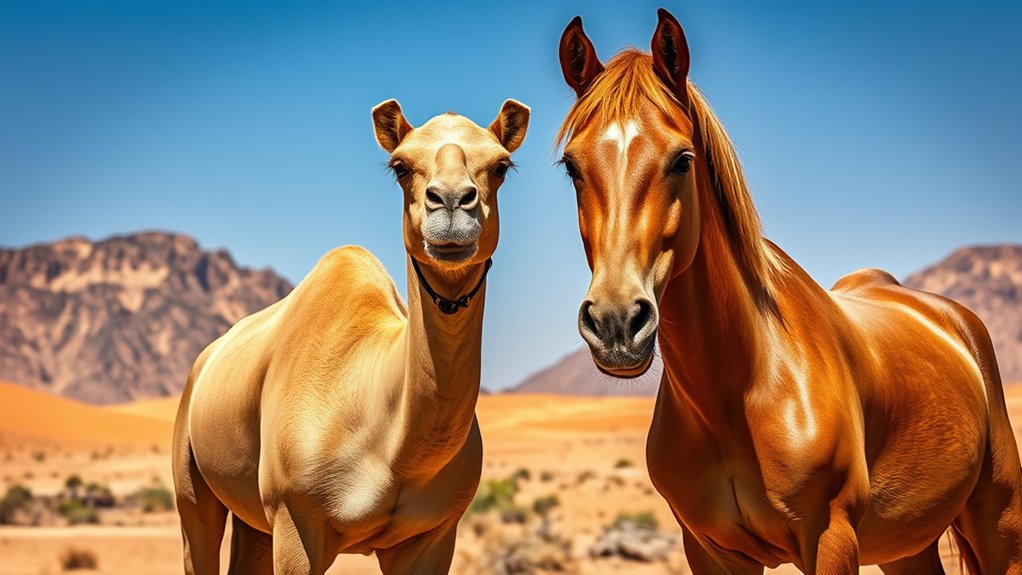
Horses and camels revolutionized transportation by enabling humans to travel farther and faster than ever before. Horses, domesticated around 3,500 BCE in Central Asia, transformed mobility for hunting, trade, and warfare. They increased the range and speed of travel, allowing societies to expand their influence and connect distant regions. Camels, domesticated between 2,500 and 1,000 BCE in Asia and the Middle East, adapted to arid environments, making trans-desert trade routes like the Silk Road possible. Camels carried heavy loads over long distances with minimal water, boosting commerce and cultural exchange. Both animals reduced travel time, facilitated the movement of armies, and supported the growth of civilizations. Their domestication marked a pivotal shift, turning transportation into a powerful tool for economic and social development. Additionally, signs of spoilage such as mold or off-smell, were not concerns with these animals, but are important to consider with stored foods like lemon or pineapple juice.
Llamas, Alpacas, and Other South American Livestock
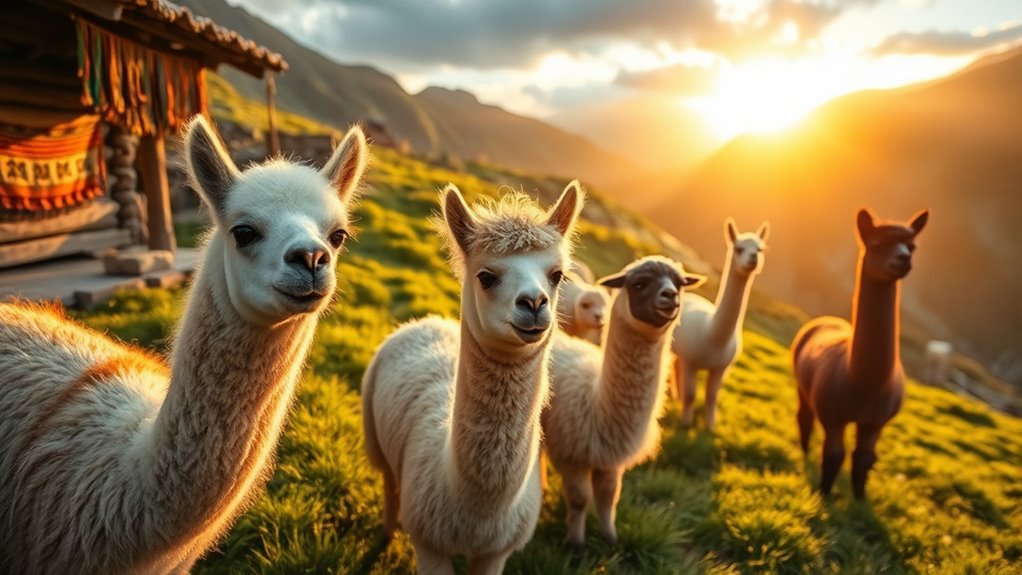
You can see how llamas and alpacas became essential for their wool and fibers, providing communities with materials for clothing and textiles. These animals also served as pack animals, transporting goods across rugged terrains in South America. Their domestication shaped local economies and helped early societies thrive in challenging environments. Additionally, the process of domestication techniques allowed humans to selectively breed these animals for desired traits, further integrating them into daily life. Understanding animal husbandry practices offers insight into how domestication has evolved to optimize both utility and sustainability, especially through the development of selective breeding methods that enhance specific characteristics. Recognizing the role of survivalist knowledge in managing and caring for domesticated animals highlights the importance of sustainable practices in modern and traditional contexts.
Wool and Fiber Use
Have you ever wondered how South American livestock like llamas and alpacas became essential sources of wool and fiber? Their fibers played a crucial role in traditional clothing and textiles. Here’s how they contributed:
- The soft, warm fiber of alpacas became a prized material for weaving fine garments.
- Llamas provided coarser wool for durable textiles and rope-making.
- Other species like guanacos and vicuñas supplied high-quality, fine fibers used in luxury fabrics.
Humans domesticated these animals around 3,000 BCE, selectively breeding for better fiber qualities. Over time, their wool became a cultural staple, supporting local economies. Their fibers offered insulation and durability, making them invaluable for cold climates and everyday use.
Transport and Pack Animals
Llamas, alpacas, and other South American livestock transformed transportation and trade by serving as reliable pack animals in rugged terrains. You relied on them to carry goods across mountains and deserts, enabling trade and cultural exchange. These animals are well-suited for steep slopes and harsh conditions, making them invaluable in the Andes. Their domestication supported the rise of complex societies by enhancing mobility and resource distribution. Below is a table illustrating their roles:
| Species | Uses | Region | Key Traits | Historical Significance |
|---|---|---|---|---|
| Llamas | Pack animals, meat | Andes | Hardy, sure-footed | Central to Andean trade |
| Alpacas | Wool, pack support | Andes | Soft fleece, gentle | Vital for textile production |
| Guanacos | Wild ancestors, occasional pack use | South America | Agile, adapted to rugged terrain | Pre-domestication ancestors |
| Vicunas | Wool (rarely domesticated) | South America | Fine wool, shy | Conservation importance |
| Camels | Desert transport | Middle East, Africa | Endurance, water efficiency | Similar role in other regions |
The Domestication of Chickens and Other Poultry
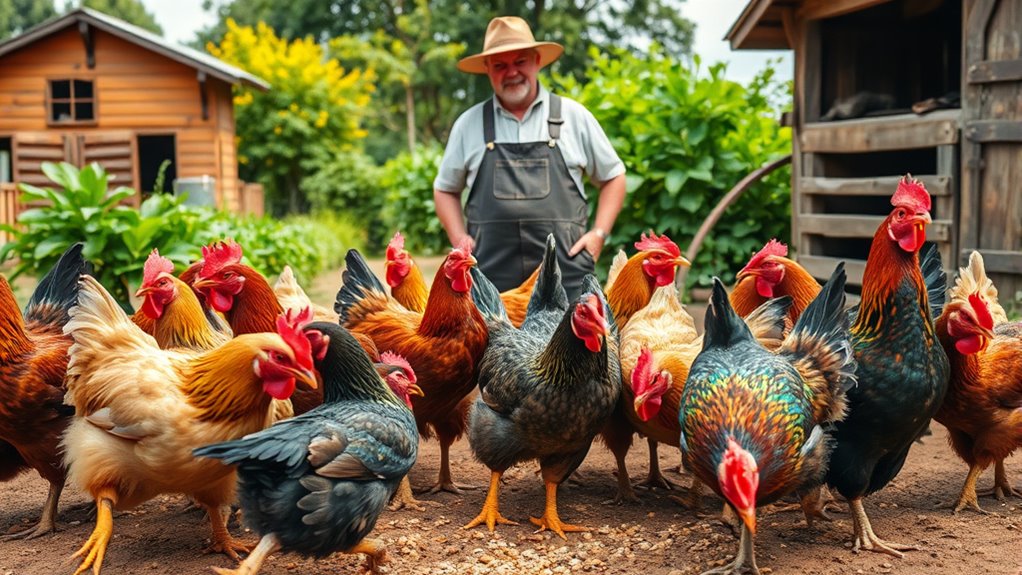
Chickens and other poultry species were domesticated around 2,000 BCE, primarily in East Asia and the Middle East, and quickly became essential sources of food and cultural significance. As you explore their domestication, consider these key aspects:
- They were originally wild jungle fowl, selectively bred for calmer temperaments and higher egg production.
- Domestication shifted their role from wild scavengers to reliable sources of eggs and meat.
- Poultry’s versatility supported diverse diets, religious rituals, and social practices across ancient societies.
This transformation allowed humans to harness their reproductive potential, making poultry a sustainable and crucial part of everyday life. Over time, selective breeding refined their traits, cementing their place in human culture and sustenance.
From Wild to Tamed: The Evolution of Utility Animals

The process of turning wild animals into useful companions reflects a remarkable journey of human influence and adaptation. You selectively bred animals for specific traits, gradually shifting their behaviors and physical features to suit your needs. For example, wolves evolved into dogs that now serve as trusted helpers, guardians, and friends. Similarly, wild sheep and goats became domesticated livestock, providing meat, wool, and milk. Cattle and pigs were bred for productivity, supporting larger settlements and stable food supplies. Horses and camels transformed mobility, enabling trade and expanding human territories. Over generations, these species adapted to living alongside humans, losing some of their wild instincts and gaining new behaviors that fit into your agricultural, transportation, and economic systems. This evolution highlights your ability to shape nature for your benefit.
Cultural Significance and Symbolism of Domesticated Species
Domesticated animals have played a profound role in shaping human culture and symbolism throughout history. You might notice how dogs symbolize loyalty, while cattle often represent prosperity. Consider these key points:
- Many societies see sheep as symbols of purity or sacrifice.
- Horses embody strength, freedom, and status across cultures.
- Cats often symbolize independence and protection.
These animals appear in myths, religious rituals, and art, serving as more than just resources—they become icons of values and beliefs. Dogs, for example, represent loyalty and companionship, while bulls symbolize power and fertility. In some traditions, animals serve as spiritual guides or divine messengers. Their symbolism reflects human aspirations, fears, and social structures, making domesticated species integral to cultural identity and collective memory.
The Impact of Domestication on Human Societies
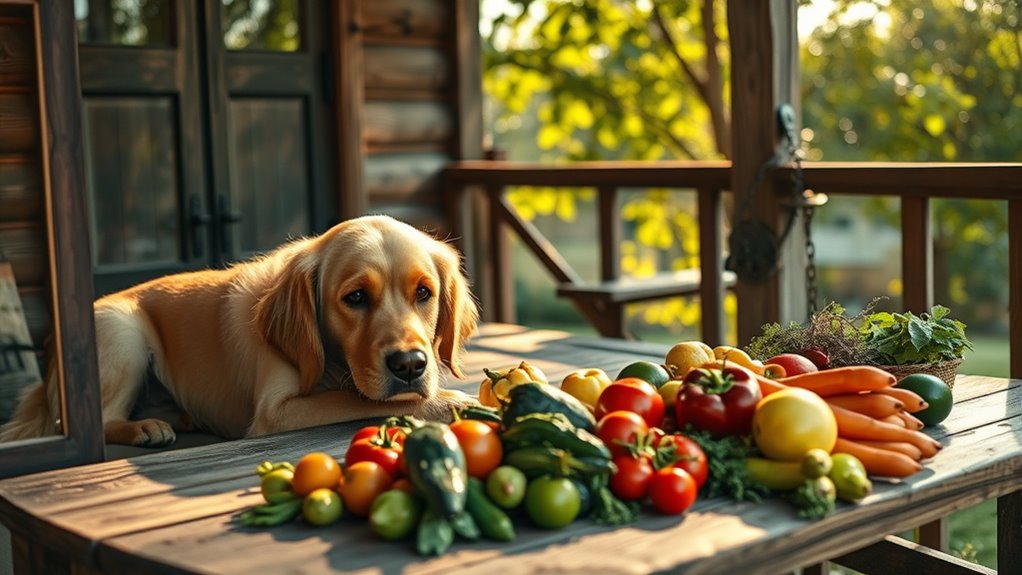
Transforming wild animals into domesticated species fundamentally reshaped human societies by enabling more stable food supplies, fostering permanent settlements, and supporting population growth. With domesticated animals providing meat, milk, and labor, humans shifted from nomadic hunting to settled farming communities. This stability allowed for the development of larger populations and complex social structures. Domestication also prompted technological advances, such as plowing tools and animal-driven transportation, boosting productivity. It facilitated trade and cultural exchange across regions, creating interconnected societies. Additionally, domesticated animals became symbols of status and played roles in rituals. Overall, domestication transformed human life from reliance on wild resources to organized, sustainable communities, laying the groundwork for civilization’s growth and diversity.
Frequently Asked Questions
How Did Early Humans Select Animals for Domestication?
You select animals for domestication based on traits like calm temperament, social behavior, and adaptability to human environments. Early humans observed animals that were less aggressive, easier to control, and could provide valuable resources like food or labor. You also prioritized animals that could thrive near humans, reproduce easily, and form bonds, ensuring a sustainable relationship that benefits both species over generations.
Were Domestication Processes Similar Across Different Species?
They say “birds of a feather flock together,” and the domestication process shows that. While methods varied, humans generally selected animals with friendly temperaments, adaptability, and usefulness. They often chose species that thrived near settlements or could be easily managed. Despite differences, all domesticated animals shared traits like social behavior and willingness to cooperate, making the process somewhat similar across species, tailored to each animal’s unique biology and environment.
How Did Domestication Influence Human Health and Diet?
You see, domestication transformed your diet and health by providing reliable food sources like meat, milk, and eggs, which improved nutrition and supported population growth. It also introduced new foods rich in essential nutrients. However, it sometimes led to health issues from close contact with animals or consuming contaminated products. Overall, domestication shaped your diet, making it more diverse, stable, and capable of supporting larger communities.
What Genetic Changes Occurred During Domestication?
Imagine you’re browsing a modern grocery store, but centuries ago, these animals had different genes. During domestication, humans selected for traits like docility, size, and reproductive cycles, causing genetic changes. These include reduced aggression, altered metabolism, and smaller jaws, making animals easier to manage. You’d see a shift in their DNA that supports living alongside humans, creating animals that fit into your daily life and needs.
Why Were Certain Animals Domesticated Earlier Than Others?
You notice that animals domesticated earlier, like dogs and sheep, offered immediate benefits such as companionship, protection, and reliable food sources. These species were easier to tame due to their social structures or behaviors, making them ideal for early humans. Animals like horses or camels, domesticated later, required more advanced skills and technologies. The animals that fit well with human needs and environments were domesticated first.
Conclusion
As you explore domestication, remember that around 10,000 years ago, humans transformed wild species into our closest companions and essential food sources. This shift fueled the rise of civilizations and shaped cultures worldwide. Did you know that today, over 70% of the world’s calories come from just a handful of domesticated animals and plants? Your daily life is deeply connected to this ancient process, showing how our shared history continues to influence us.