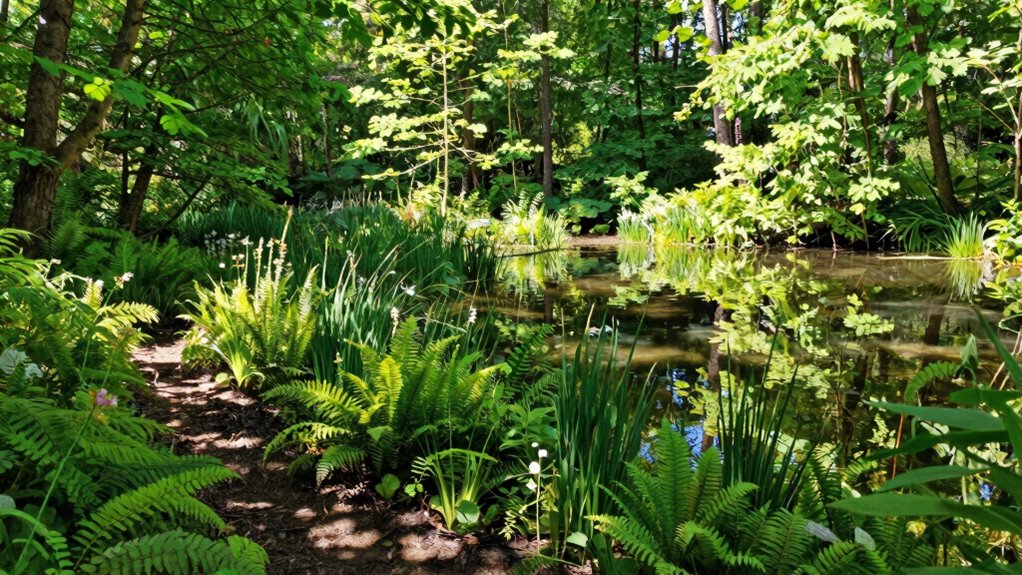

An ecotone is a natural boundary where different ecosystems meet, such as a forest edge or grassland transition. These areas are rich because they combine resources, microhabitats, and species from neighboring habitats, creating a hotspot for biodiversity. Edge habitats support many species and foster interactions that boost ecological resilience. They’re also dynamic, changing with seasons and conditions, which helps species adapt and thrive. Exploring further reveals why protecting these zones is vital for preserving our planet’s diversity.

Prime made for students and young adults
- Fast, free delivery for dorm and study essentials
- Prime Video and Amazon Music included
- Member-only deals
Key Takeaways
- Ecotones are transitional zones between different ecosystems that support high biodiversity and ecological diversity.
- Edge habitats promote species interactions, microhabitat variety, and resource availability.
- These zones serve as natural corridors, facilitating species movement and habitat connectivity.
- Ecotones are dynamic, changing with environmental conditions, which fosters adaptation and resilience.
- They are vulnerable to habitat loss and climate change, making their conservation vital for biodiversity.
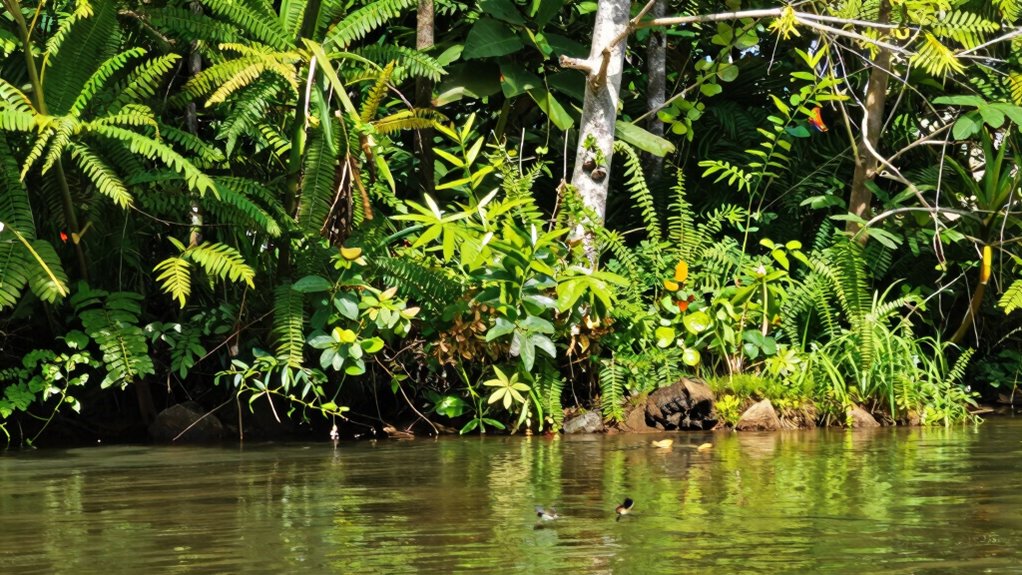
Have you ever wondered why the boundaries between different ecosystems are so rich in life? These areas, known as ecotones, are where two distinct habitats meet, creating a unique environment that supports a wide variety of species. Ecotones often act as natural corridors, allowing animals and plants to move between ecosystems, which increases genetic diversity and resilience. They are also essential for maintaining biodiversity hotspots—regions with exceptionally high species richness. These zones attract a mix of species from neighboring habitats, making them indispensable for conservation and ecological stability.
Ecotones are vital boundaries where habitats meet, fostering diversity, resilience, and ecological stability.
You’ll find that ecotones often occur in climate transition zones, where environmental conditions shift gradually from one climate type to another. Think of a forest edge giving way to grassland, or a mountain slope transitioning into alpine tundra. These transitional zones foster diverse microclimates and resource availability, attracting different species that might not thrive elsewhere. Because of this, climate transition zones become hotspots for biodiversity, offering niches for both forest-dwelling and open-habitat species. The overlapping conditions mean that plants and animals find new opportunities for survival, leading to greater species richness than in the core areas of either habitat. Additionally, ecotones are often characterized by a higher diversity of microhabitats, which further supports this rich variety of life. This structural complexity creates a mosaic of opportunities that wouldn’t exist in more uniform environments. This diversity is crucial for ecosystem resilience, helping habitats recover from disturbances and adapt to changes. Recognizing the importance of habitat connectivity can further enhance conservation efforts in these areas.
Furthermore, the presence of multiple species in ecotones can facilitate species interactions that promote ecological stability and evolutionary processes. Moreover, ecotones and edge habitats are dynamic; they change with seasons, weather, and human activity. This fluidity can further enhance biodiversity, as species adapt to shifting conditions. However, because these zones are so sensitive, they’re also vulnerable to habitat destruction and climate change, which can shrink or alter these transition areas. Preserving ecotones means protecting the natural processes that sustain biodiversity hotspots and climate transition zones, ensuring the continued richness of life they support. By understanding the importance of these boundary zones, you can better appreciate how ecosystems stay resilient and how essential it is to maintain their integrity.
As an affiliate, we earn on qualifying purchases.
Frequently Asked Questions
How Do Ecotones Influence Local Climate Conditions?
Ecotones influence local climate conditions by creating climate modulation, where they often lead to temperature variation and increased humidity. You’ll notice that these edge habitats tend to be more stable and diverse because they buffer extreme weather changes. This climate moderation supports a variety of plants and animals, making ecotones essential for maintaining local ecological balance and offering a more resilient environment against climate fluctuations.
Can Ecotones Act as Natural Barriers to Species Migration?
You might not realize it, but ecotones can act as natural barriers to species migration, especially when habitat fragmentation occurs. These crossover zones often create challenging conditions, such as sharp environmental changes, which can hinder movement. As a result, ecotones can limit species migration, helping preserve distinct ecosystems but also possibly trapping species within fragmented habitats. This dual role highlights ecotones’ importance in shaping biodiversity and ecosystem resilience.
What Are Some Human Activities That Threaten Ecotones?
Human activities like urban development, agriculture, and logging threaten ecotones by causing habitat fragmentation and disrupting natural boundaries. Pollution impacts from chemicals and waste further degrade these sensitive zones, harming plant and animal life. As you continue these activities without considering ecological effects, you risk destroying these rich edge habitats, reducing biodiversity, and weakening the resilience of ecosystems that rely on ecotones for survival and connectivity.
How Do Ecotones Affect Biodiversity Conservation Efforts?
Ironically, ecotones boost biodiversity conservation by enhancing habitat connectivity, which you might think complicates efforts. They facilitate species interactions across habitats, creating essential corridors for movement and gene flow. Recognizing their importance helps you prioritize protecting these transition zones, ensuring diverse species thrive. By maintaining ecotones, your conservation strategies become more effective, supporting resilient ecosystems where species interactions flourish and habitats stay connected, ultimately safeguarding biodiversity.
Are Ecotones Present in Urban Environments?
Yes, ecotones are present in urban environments. You’ll find them at city boundaries where urban greenery meets natural or less-developed areas. These boundary zones support diverse species because they combine elements of both ecosystems. By maintaining parks, green roofs, and corridors, you can enhance these ecotones, promoting biodiversity and ecological health within the city. Urban ecotones help balance development with nature, making cities more resilient and vibrant.
Conclusion
Think of ecotones as the crossroads of nature, where two worlds meet like intertwined threads in a tapestry. These edge habitats symbolize the promise of diversity and resilience, thriving in the blending of boundaries. By embracing these vibrant borders, you reveal the secret to nature’s richness—where life’s colors merge and flourish. Remember, it’s at these boundaries that life’s most beautiful stories unfold, reminding you that growth often happens at the edges, not in the middle.
Fall Picks
fall essentials
As an affiliate, we earn on qualifying purchases.