
Conservation statuses like “endangered” and “threatened” help you understand how risky a species is of going extinct. An endangered species faces a very high risk of extinction within the next 20 years or five generations, often with fewer than 2,500 mature individuals. Threatened species are at risk too but aren’t as close to extinction yet. Knowing these categories helps you see which species need urgent action and the protections that vary for each. Keep exploring to learn how these definitions influence conservation efforts.
Key Takeaways
- Endangered species face a very high risk of extinction in the near future, often with fewer than 2,500 mature individuals remaining.
- Threatened species are at risk of becoming endangered but currently do not meet the strict criteria for that status.
- Endangered status indicates an urgent need for conservation actions to prevent imminent extinction, while threatened status suggests proactive measures are needed.
- Both statuses help prioritize conservation efforts and resource allocation to protect vulnerable species.
- Legal protections and conservation strategies are typically more rigorous for endangered species compared to threatened ones.
Top picks for "endanger threaten conservation"
Open Amazon search results for this keyword.
As an affiliate, we earn on qualifying purchases.
Understanding Endangered Species
Have you ever wondered what makes a species officially endangered? It’s when a species faces an extremely high risk of extinction in the wild within the next 20 years or five generations. Usually, there are fewer than 2,500 mature individuals left, and their numbers are decreasing rapidly. The IUCN sets specific criteria, like a decline of 20% or more over recent years or a very limited geographic range. These species often struggle with habitat loss, poaching, or environmental changes. Their populations are fragile, and even small threats can push them closer to extinction. Recognizing a species as endangered helps highlight the urgent need for conservation efforts to prevent their disappearance from the planet. Implementing effective organizational strategies can improve species protection and support recovery plans. Understanding what makes a species endangered allows you to better appreciate the importance of protecting these vulnerable creatures. Conservation statuses play a crucial role in prioritizing efforts to save at-risk species, especially when resources are limited. Additionally, understanding the criteria used to classify species can help the public and policymakers make informed decisions about conservation priorities.
The Significance of Threatened Status
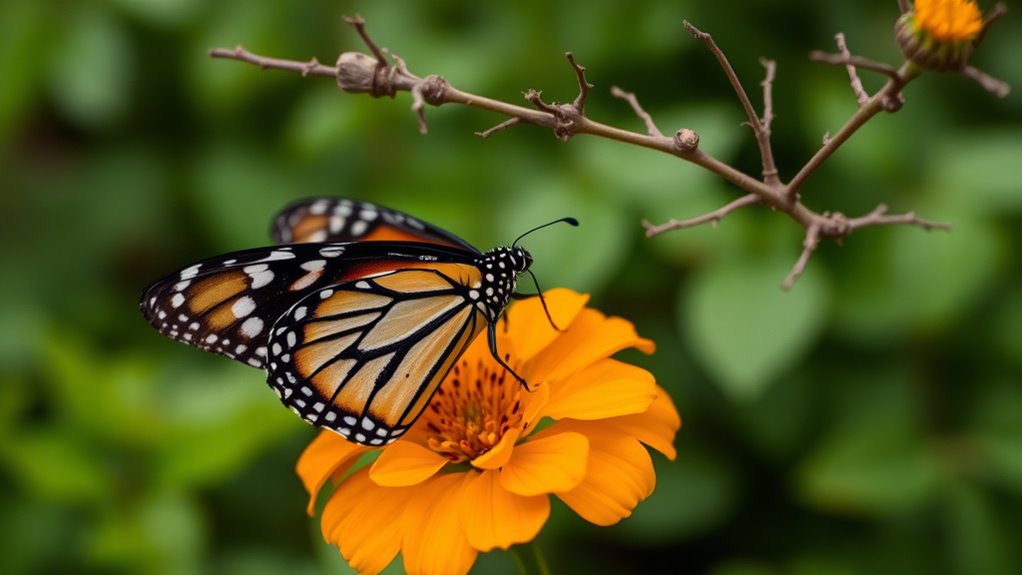
When a species is labeled as threatened, it signals that it’s close to risking extinction, prompting you to take notice. This status helps prioritize conservation efforts and allocate resources effectively. Recognizing threatened species is urgent because it highlights the need for immediate action before they become endangered. Implementing support solutions such as habitat protection and public awareness campaigns can be crucial in preventing further decline. Raising awareness about biodiversity loss can motivate community action and policy changes to safeguard vulnerable species. Additionally, understanding the financial impact of species decline underscores the importance of proactive conservation strategies. The use of conservation statuses in scientific and policy contexts ensures that efforts are directed appropriately to protect at-risk species. Recognizing the threatened status also emphasizes the importance of early intervention to prevent more species from reaching critical endangerment levels.
Indicates Near-Extinction Risk
Did you know that a species classified as threatened signals it’s at significant risk of becoming endangered in the near future? This status highlights urgent conservation needs before extinction becomes imminent. Threatened species face ongoing threats like habitat loss, climate change, and poaching that could push them closer to extinction. Recognizing this risk helps prioritize actions to protect these species early. Understanding conservation statuses is essential for effective biodiversity management.
Guides Conservation Priorities
Understanding the threatened status of a species is crucial for setting effective conservation priorities. When a species is listed as threatened, it signals that it’s at risk of becoming endangered if conditions worsen. This helps you focus resources on species that are not yet critically at risk but could decline rapidly without intervention. Prioritizing threatened species allows conservation efforts to prevent further population declines and preserve essential habitats. It also guides policymakers in implementing targeted protections and regulations. By recognizing threatened species, you ensure that efforts aren’t just reactive but proactive, preventing them from slipping into the more urgent, and often more costly, endangered category. Recognizing the conservation status of species can also facilitate better allocation of resources and public awareness campaigns. Ultimately, addressing threatened species helps maintain biodiversity and ecosystem health for the long term.
Signals Urgent Action Needed
Recognizing a species as threatened serves as a clear warning that urgent action is required to prevent further decline. When a species is labeled threatened, it indicates that its population is at risk of becoming endangered soon without intervention. This status signals that current threats like habitat destruction, climate change, or poaching are already impacting the species’ survival. By acting quickly, conservationists can implement measures such as habitat protection, legal regulations, and recovery programs to halt or reverse decline. Ignoring these signals risks pushing the species closer to extinction, where recovery becomes more difficult and costly. The threatened status highlights the need for immediate, targeted efforts to address threats and secure a sustainable future for the species before it reaches critical danger levels. Additionally, understanding the conservation statuses can help prioritize efforts and resources effectively.
Differences in Legal Protections
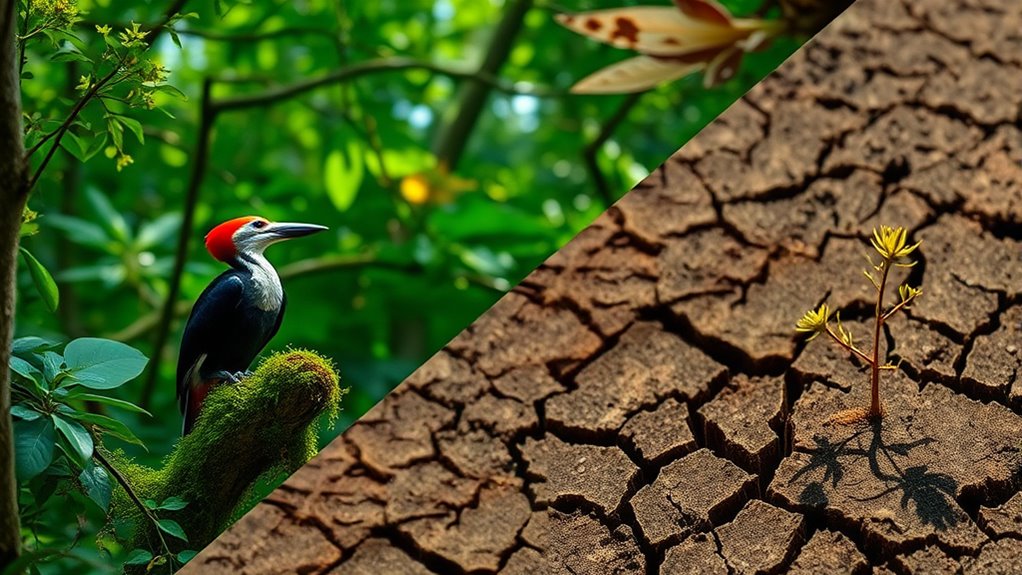
Legal protections for endangered and threatened species differ markedly, primarily in the level of enforcement and the specific regulations that apply. As someone involved in conservation, you’ll notice that:
- Endangered species automatically receive full protection under laws like the ESA, making hunting or trading illegal.
- Threatened species are protected through specific regulations, such as 4(d) rules, which can vary by region.
- Enforcement for endangered species tends to be stricter, with penalties for violations being more severe.
- Threatened species may have limited protections, depending on the regulations established for their conservation.
- Regular monitoring and appliance maintenance plans ensure that conservation efforts remain effective over time.
Major Threats Facing Vulnerable Populations
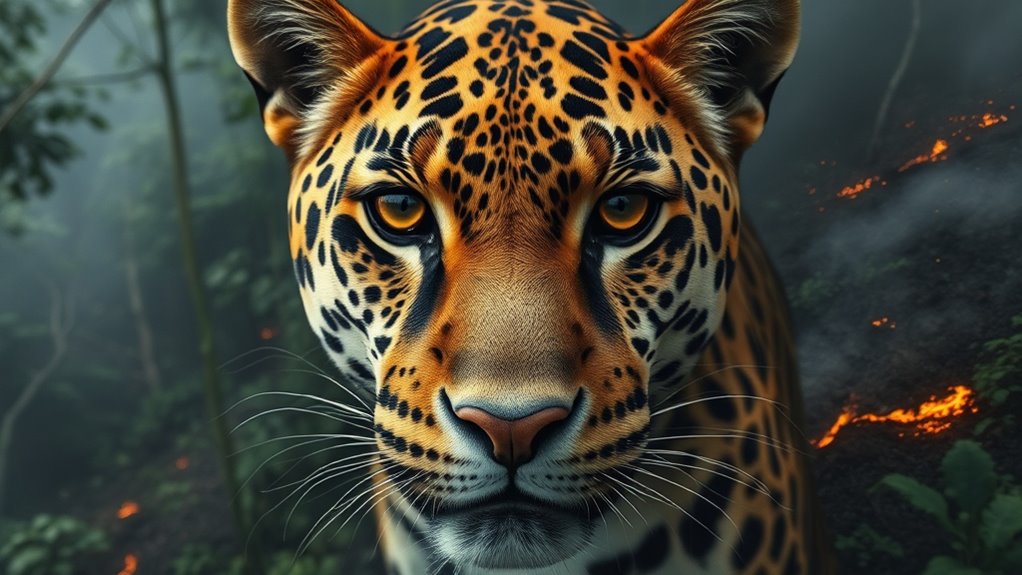
You need to understand that habitat destruction and fragmentation, climate change, and invasive species are the biggest threats to vulnerable populations. These issues directly reduce living spaces, alter ecosystems, and outcompete native species for resources. Addressing these threats is vital to prevent further declines and protect at-risk species. Incorporating creative problem-solving approaches can help develop innovative conservation strategies to tackle these complex challenges effectively. Additionally, understanding the cost and budgeting involved in conservation projects is essential to allocate resources efficiently and ensure long-term sustainability. Recognizing the importance of nutrient-rich ingredients from juices can also inspire sustainable practices in conservation efforts by emphasizing the value of natural resources. Moreover, implementing comprehensive water filtration systems can support habitat preservation by ensuring clean water supplies for both wildlife and local communities. Protecting critical habitats and considering foraging ranges are essential for maintaining healthy ecosystems and supporting vulnerable populations.
Habitat Destruction and Fragmentation
Habitat destruction and fragmentation pose significant threats to vulnerable populations by reducing the available living space and disrupting ecosystems. When habitats are cleared for agriculture, urban development, or infrastructure, species lose essential resources and breeding grounds. Fragmentation isolates populations, making it harder to find mates and increasing the risk of inbreeding. This can lead to reduced genetic diversity and weaken resilience. Here are four key impacts:
- Loss of shelter and food sources, forcing species into smaller, less suitable areas.
- Increased human-wildlife conflicts as animals venture into human settlements.
- Disruption of migration routes, affecting breeding and feeding behaviors.
- Higher vulnerability to invasive species and environmental changes.
Addressing habitat issues is *vital* to prevent further declines of vulnerable species. Protecting and restoring habitats can help mitigate these impacts and support species survival Snake Plant, which is known for tolerating low-light conditions.
Climate Change Effects
Habitat destruction and fragmentation have already compromised many vulnerable species’ survival, but climate change is adding an accelerating pressure that worsens these threats. Rising temperatures shift ecosystems, forcing species to migrate to cooler areas, but many can’t keep pace or find suitable habitats. Changing weather patterns cause droughts, floods, and storms that destroy nesting sites, breeding grounds, and food sources. Sea levels rise, flooding coastal habitats and displacing populations. Climate-related stress weakens animals’ immune systems, making them more susceptible to disease. These effects reduce reproductive success and accelerate population declines. Vulnerable species often lack the resilience or mobility to adapt quickly, pushing them closer to extinction. The loss of biodiversity resulting from these combined threats underscores the urgent need for comprehensive climate action. Additionally, the inability of many species to adapt rapidly highlights the importance of conservation efforts to mitigate these impacts.
Invasive Species Competition
Invasive species pose a significant threat to vulnerable populations by outcompeting native wildlife for resources and disrupting established ecosystems. They often thrive because they lack natural predators, allowing their populations to grow rapidly. This competition reduces food, habitat, and breeding opportunities for native species, pushing them closer to extinction. To understand the impact, consider these key points:
- Resource Competition: Invasive plants and animals consume essential food and habitat, leaving natives struggling to survive.
- Predation: Some invasive species prey on native species unfamiliar with their predators, causing sudden declines.
- Disease Transmission: Invasive species can introduce new diseases, further threatening native populations.
- Ecosystem Disruption: They alter nutrient cycles and habitat structures, making environments inhospitable for native species. digital platforms for coding and brainstorming are often utilized in efforts to develop innovative solutions to control invasive populations.
- Monitoring and Management: Effective monitoring techniques are crucial for early detection and control efforts to prevent invasive species from establishing themselves. Understanding the reproductive strategies of invasive species is also vital for developing targeted management approaches.
Mitigating invasive species is indispensable for protecting vulnerable populations from further decline.
How Conservation Efforts Are Categorized
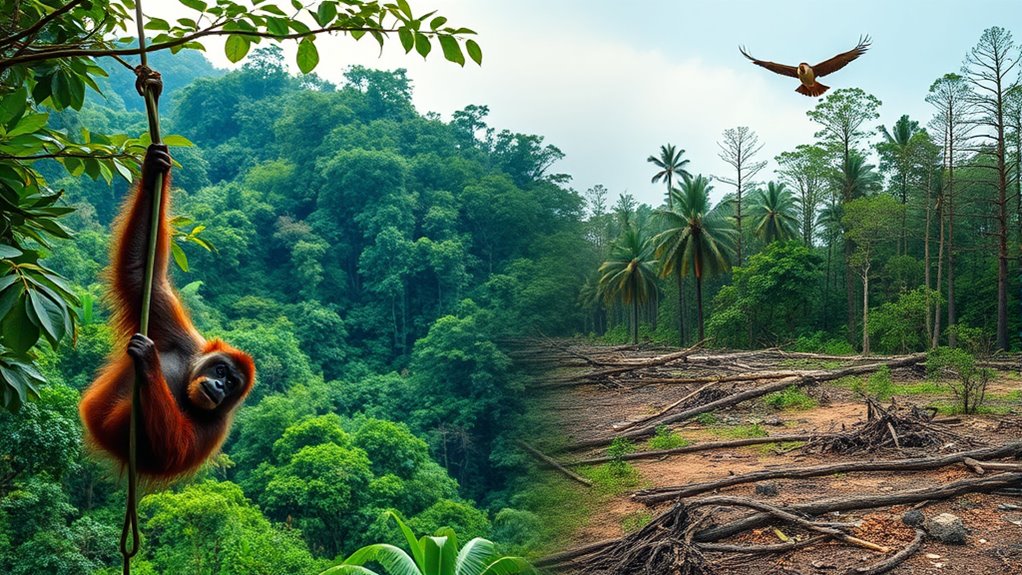
Conservation efforts are categorized based on the species’ risk levels and the specific actions needed to prevent their extinction. You’ll find that organizations like the IUCN and national agencies assign categories such as Endangered, Vulnerable, or Threatened to indicate urgency. These categories help prioritize resources and guide actions. For example, species labeled as Endangered require immediate, intensive interventions like habitat protection and breeding programs. Threatened species, including Vulnerable and Near Threatened, need proactive measures to prevent escalation to higher risk levels. Regulations and protections vary depending on the category, with stricter laws for Endangered species. Your conservation strategies focus on addressing specific threats like habitat loss, poaching, or climate change, tailored to the species’ risk level and the urgency of intervention.
Examples of Species in Different Categories

Many species are classified into different conservation categories based on their risk levels, illustrating the urgency of their protection. Here are some examples:
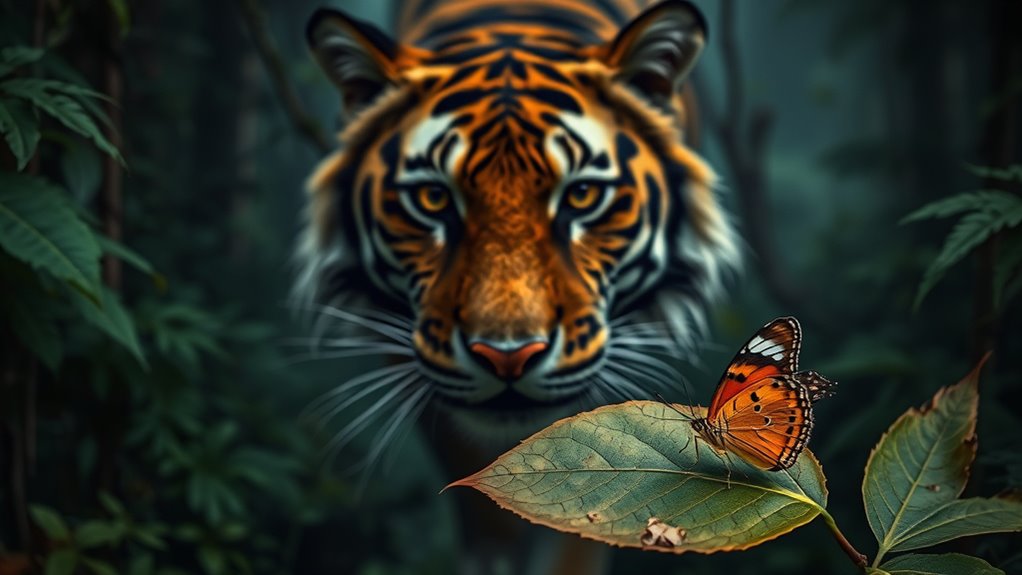
- Endangered species like tigers, which face imminent extinction due to poaching and habitat loss.
- Vulnerable species such as the Asian elephant, at high risk but not yet critically endangered.
- Threatened species like polar bears, likely to become endangered without intervention.
- Least concern species such as the house sparrow, which currently face minimal threat and are widespread.
These examples highlight how conservation statuses vary, guiding protection efforts and resource allocation to prevent extinction. Recognizing these categories helps you understand the urgency behind conservation actions for each species.
Frequently Asked Questions
How Often Are Conservation Statuses Reassessed for Species?
You should know that conservation statuses are reevaluated periodically, usually every 5 to 10 years, depending on the species and available data. For some species facing rapid threats, assessments might happen more frequently, even annually. Organizations like the IUCN and national agencies prioritize updates to guarantee accurate risk levels. Staying informed about these updates helps you understand which species need urgent conservation actions and how their risks evolve over time.
What Role Do Local Communities Play in Conservation Efforts?
You’re the hero in this story, so it’s your job to rally local communities. They hold the keys to protecting habitats, enforcing regulations, and educating others about conservation. By involving them, you tap into their knowledge, culture, and passion. Their active participation can turn the tide, making conservation efforts more effective. Remember, no policy beats grassroots enthusiasm—so encourage locals to become stewards, not just spectators, in saving their own environment.
Can a Species Move Between Threatened and Endangered Categories?
Yes, a species can move between threatened and endangered categories as its population and threats change. If conditions improve, it might be downlisted from endangered to threatened. Conversely, if threats intensify or populations decline further, it can be uplisted to endangered. Monitoring and conservation efforts influence these shifts, reflecting the species’ current risk level. Your actions and policies can help prevent these movements toward higher risk categories.
How Do Conservation Statuses Impact Funding and Resource Allocation?
Your conservation status directly impacts funding and resource allocation. If you’re classified as endangered, you’ll likely receive more urgent and substantial support for protection efforts, habitat restoration, and research. Threatened species may still get funding, but usually less than endangered ones. Your status guides agencies and organizations to prioritize actions, ensuring resources are directed where they’re needed most to prevent further decline or extinction.
Are There Species Classified as Both Endangered and Threatened Simultaneously?
Yes, species can be classified as both endangered and threatened at the same time because “threatened” is an umbrella term that includes critically endangered, endangered, and vulnerable categories. For example, a species might be listed as endangered in one region due to severe threats, while elsewhere it’s considered threatened overall. This classification helps prioritize conservation efforts and legal protections, ensuring resources target species at different risk levels.
Conclusion
So, next time you see a “threatened” species, remember it’s just a step away from “endangered,” like a warning sign on a cliff’s edge. Ironically, these labels might save them—or doom them—depending on how we act. Your choices can tip the balance, turning a fragile hope into a final fall. Conservation isn’t just labels; it’s your chance to stop the fall before it’s too late.