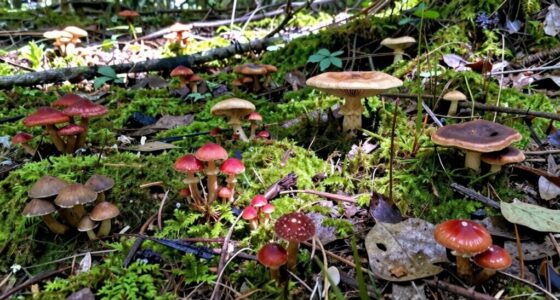
Invasive species are nonnative plants, animals, or organisms that humans accidentally or intentionally introduce into new environments. They spread quickly, outcompeting native species by dominating resources, altering habitats, and disrupting natural processes like nutrient cycling and fire regimes. These changes can harm ecosystems, threaten native biodiversity, and cause economic or health problems. Understanding how invasives enter and thrive helps you see their full impact, and exploring this topic further reveals ways to protect our natural world.

Prime made for students and young adults
- Fast, free delivery for dorm and study essentials
- Prime Video and Amazon Music included
- Member-only deals
Key Takeaways
- Invasive species are nonnative organisms that spread rapidly, outcompeting native species and disrupting ecosystems.
- They often lack natural predators, enabling aggressive growth and widespread establishment.
- Invasive species alter habitats, water quality, and nutrient cycles, harming native biodiversity.
- They can cause economic damage, affect agriculture, and spread diseases harmful to humans.
- Preventing and managing invasives is crucial to protect ecosystem health and reduce economic costs.
invasive species identification guide
As an affiliate, we earn on qualifying purchases.
As an affiliate, we earn on qualifying purchases.
Defining Invasive Species and Their Characteristics

Invasive species are nonnative organisms introduced by humans, either intentionally or accidentally, into new areas where they did not naturally occur. To be classified as invasive, they must cause or have the potential to cause harm to the environment, economy, or human health. These species include plants, animals, fungi, bacteria, and even seeds or eggs. What sets invasive species apart from other non-native species is their ability to spread rapidly and disrupt native ecosystems or economies. They are often considered “nuisance,” “prohibited,” or “aggressive” based on their behavior and impact. Their capacity to dominate habitats and outcompete native species makes them particularly problematic, leading to significant ecological and economic consequences. The ability to spread rapidly and disrupt native ecosystems or economies is partly due to their often aggressive reproductive strategies and lack of natural predators in new environments. Additionally, their rapid spread can be facilitated by human activities, which inadvertently assist in the dissemination of these organisms across large distances. Understanding their reproductive strategies can help in developing effective control measures and prevent further ecological damage.
How Invasive Species Alter Natural Ecosystems
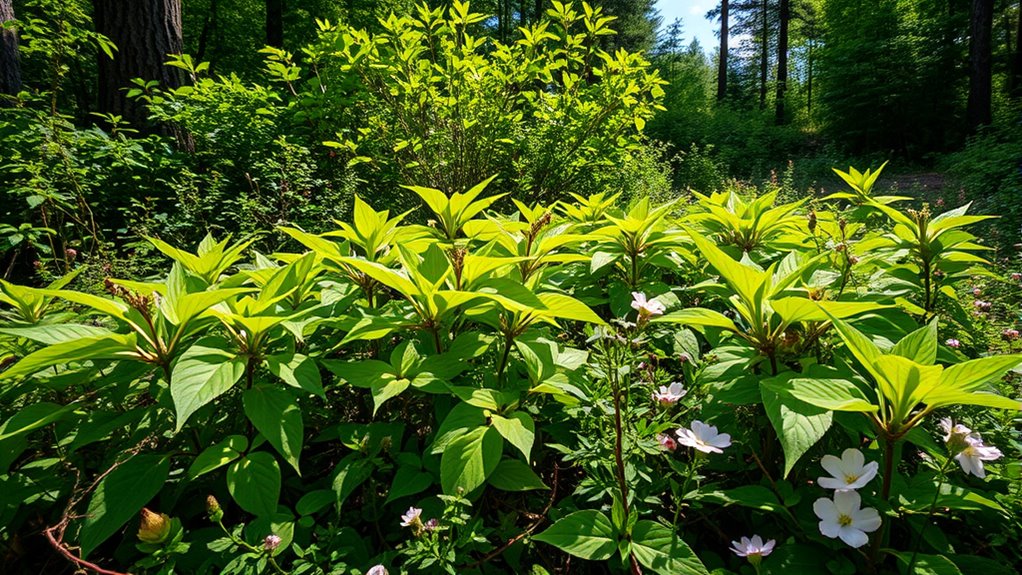
When invasive species enter an ecosystem, they often disrupt existing food webs by outcompeting native species for resources or preying on them directly. These changes can lead to declines or extinctions of native plants and animals, weakening the ecosystem’s balance. As a result, habitats are modified, and natural processes like nutrient cycling and fire regimes are altered, making recovery difficult. Additionally, AI security technologies can assist in monitoring and managing invasive species by analyzing environmental data and predicting spread patterns. Implementing vertical storage solutions can help control human impact by reducing clutter and disturbance in natural areas, thereby indirectly supporting ecosystem health. Moreover, understanding and ecosystem resilience are crucial for developing effective conservation strategies to mitigate invasive species’ impact. Recognizing the importance of native species preservation can enhance efforts to maintain ecosystem stability and prevent further invasions. Furthermore, increasing public awareness about invasive species identification is essential for early detection and rapid response efforts to contain their spread.
Disruption of Food Webs
Have you ever wondered how the introduction of a nonnative species can ripple through an entire ecosystem? When invasive species enter, they often compete with native animals and plants for resources, altering established food webs. They might become new prey for native predators or, conversely, outcompete and displace native prey species. This shifts predator-prey relationships, causing cascading effects. For example, if an invasive predator reduces a native prey population, native predators that rely on that prey struggle to survive. Similarly, invasive plants can block sunlight, reducing native plant growth and affecting herbivores. These disruptions weaken the balance of ecosystems, often leading to declines in native species and reduced biodiversity. Invasive species essentially rewire food webs, destabilizing ecosystems and reducing their resilience. Implementing conservation strategies can help mitigate these impacts and protect native biodiversity. Understanding the impact on food webs is crucial for developing effective management practices. Recognizing how invasive species alter native predator-prey interactions can help guide restoration efforts. Additionally, invasive species often thrive due to lack of natural predators, which allows them to spread unchecked and cause further imbalance.
Habitat Modification Effects
Many invasive species actively modify their new environments, often transforming natural habitats in ways that can be difficult for native ecosystems to withstand. These changes can disrupt the balance and resilience of local ecosystems. For example, they may:
- Alter soil composition, affecting native plant growth
- Change water availability or quality, impacting aquatic life
- Disrupt fire regimes, either increasing or decreasing natural fires
- Modify sedimentation or erosion patterns, affecting habitat stability
Such habitat modifications can make it harder for native species to survive, reproduce, or compete. These changes often lead to habitat degradation, making it more challenging for native flora and fauna to thrive. The invasive species often create conditions favorable for their spread while hindering native plants and animals. This process weakens the overall health and diversity of ecosystems, leading to long-term ecological shifts. Additionally, habitat modifications by invasive species can interfere with resource efficiency and the sustainable functioning of ecosystems. For instance, they may also influence biodiversity loss, further destabilizing native communities.
Economic and Social Effects of Invasives
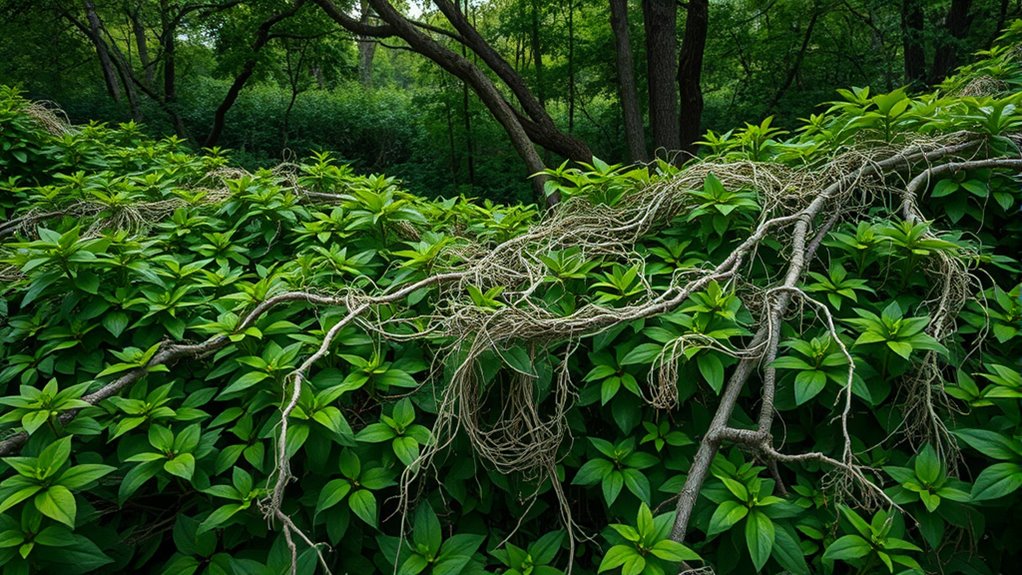
Invasive species can cause significant financial losses and increase costs for communities and industries. They also threaten industry sectors like agriculture, forestry, and tourism by competing for resources or damaging infrastructure. Additionally, they pose public health challenges by spreading diseases and toxins, making prevention and management essential. Using preventative measures such as monitoring and early detection can help mitigate these impacts before they escalate. Implementing early detection systems can be critical in managing invasive species more effectively and reducing long-term costs. Incorporating ecosystem resilience strategies can further enhance the ability of native habitats to recover from invasive pressures and minimize economic damages. Moreover, understanding regional divorce statistics and demographic factors can improve community responses and resource allocation for invasive management efforts.
Financial Losses and Costs
The economic and social costs of invasive species run into hundreds of millions of dollars worldwide each year. These costs affect governments, industries, and communities through various channels. You might notice this impact in several ways:
- Damage to infrastructure, such as power lines covered by invasive plants like kudzu, causing outages.
- Reduced agricultural productivity due to resource competition and crop loss.
- Increased management expenses for control efforts, including removal, chemical treatments, and biological controls.
- Tourism and recreation decline when native landscapes are replaced or degraded, reducing visitor appeal.
- The costs are often underestimated because many damages are indirect, affecting ecosystems and economies over time. Incorporating wall organization strategies can sometimes help communities better manage these invasive threats by creating organized barriers and controls.
These financial burdens strain resources and divert funds from other priorities. The true scale of these costs highlights the importance of early detection and risk assessment to minimize long-term economic and social impacts.
Industry Disruption Risks
When invasive species establish themselves in new environments, they often disrupt industries by outcompeting native resources and damaging critical infrastructure. You might see this in agriculture, forestry, and fisheries, where invasives threaten crops, trees, and fish populations, leading to economic losses. Infrastructure can also suffer—plants like kudzu overgrow power lines, causing outages. These disruptions increase costs for control and management, burdening both governments and private sectors.
| Industry | Impact |
|---|---|
| Agriculture | Crop damage, reduced yields |
| Forestry | Tree dieback, thinning |
| Fisheries | Fish population decline, habitat alteration |
| Utilities | Power outages, infrastructure damage |
| Tourism | Natural landscape degradation, fewer visitors |
Public Health Challenges
Public health faces significant challenges due to invasive species, which can spread diseases, toxins, and allergens that threaten human well-being. These species may carry pathogens harmful to people, contaminate water supplies, or produce allergens causing respiratory issues. They can also directly cause injuries or poisonings.
- Spread of vector-borne diseases like Zika or West Nile virus
- Introduction of toxic plants or bacteria affecting drinking water
- Allergens from invasive plants triggering asthma or hay fever
- Direct injuries from aggressive species or hazardous substances
These impacts increase healthcare costs, strain public health resources, and reduce quality of life. Managing and preventing invasive species is critical to minimize these risks, protect communities, and safeguard public health from emerging threats. Dog names can even reflect the unique identity of invasive species, helping with identification and management efforts.
Common Ways Invasive Species Enter New Areas

Invasive species often find their way into new areas through both intentional and accidental human activities. You might introduce them intentionally by planting ornamental plants, releasing pets, or using species for erosion control or agriculture. Accidental transport occurs when ships discharge ballast water containing larvae, seeds hitchhike on clothing or gear, or goods move through global trade routes. Sometimes, species escape from aquaculture facilities or pet stores, establishing themselves in the wild. Travel and landscape modifications also spread invasives, with seeds or eggs carried on vehicles, equipment, or clothing. Once introduced, many species spread naturally, especially if predators or competitors are absent. These human-mediated pathways markedly accelerate invasions, making prevention and early detection critical to managing their impact on native ecosystems.
Traits That Make Species Highly Invasive
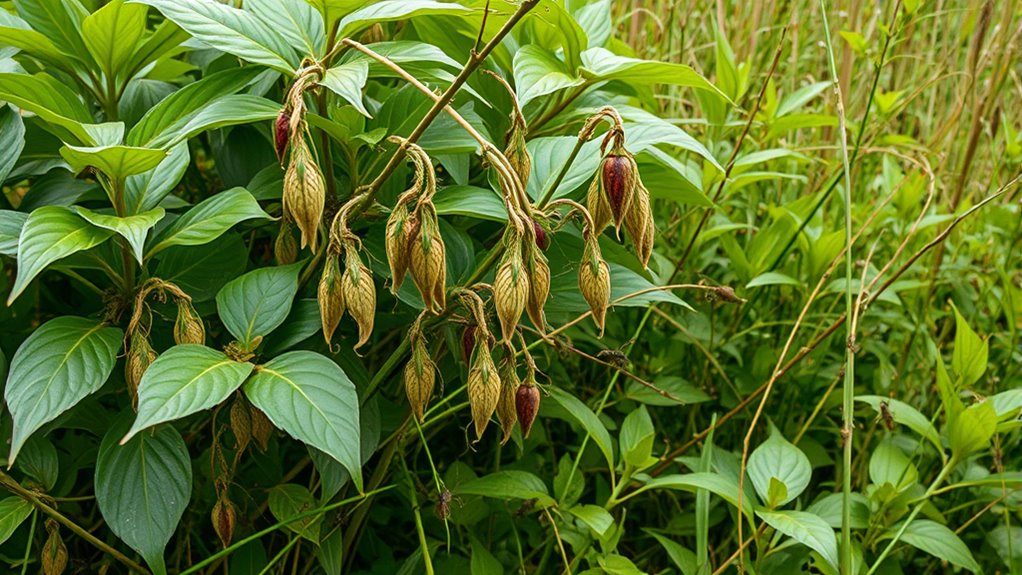
Species that are highly invasive share certain biological traits that enable them to establish and dominate new environments quickly. These traits give them a competitive edge over native species and help them spread rapidly. You’ll often find that invasive species:
- Grow fast and reproduce quickly, allowing quick population buildup.
- Use resources inaccessible or less used by native species, like specific soil types or water depths.
- Outcompete natives by dominating space, light, or nutrients.
- Adapt easily to different environmental conditions, even poor or variable habitats.
These characteristics make invasive species resilient and aggressive, enabling them to establish themselves before native species can respond. Their ability to thrive in varied conditions and outcompete native flora and fauna is key to their invasiveness.
Strategies for Managing and Controlling Invasive Species

Effective management and control of invasive organisms require a strategic combination of prevention, early detection, and targeted interventions. You should focus on identifying invasive species quickly to stop their spread before they become entrenched. Physical removal methods like hand-pulling, trapping, or mowing are often effective for small infestations. Chemical treatments can be used carefully to target specific populations while minimizing environmental impact. Biological control involves introducing natural predators or pathogens to suppress invasives, but it requires thorough research to avoid unintended consequences. Collaborating with local agencies, landowners, and the public is essential to share information and coordinate efforts. Ultimately, preventing new invasions and acting swiftly on detected populations help reduce costs and ecological damage.
The Importance of Prevention and Early Detection
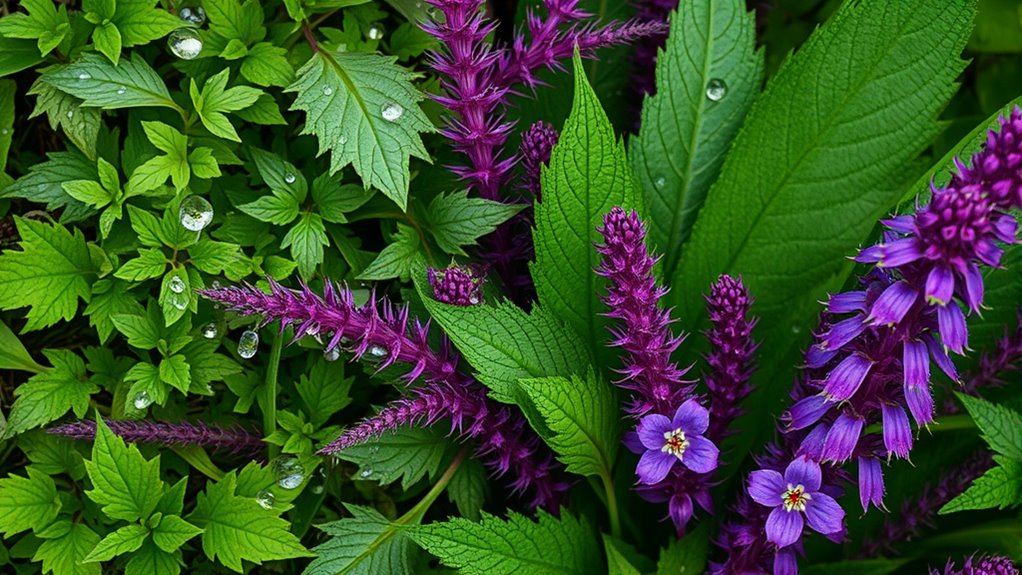
Preventing the introduction of invasive organisms and detecting their presence early are crucial steps in minimizing ecological and economic damage. By staying vigilant, you can stop invasives before they establish and spread. Regular monitoring helps identify new threats quickly, allowing prompt action. You can:
Early detection and prevention are key to stopping invasive species before they cause harm.
- Follow regulations on importing plants and animals
- Inspect cargo, equipment, and plants before transport
- Report suspicious species or activity to authorities
- Educate yourself and others about invasive risks
Early detection enables rapid response, reducing the need for costly control measures later. It also prevents native species from being outcompeted or displaced. Overall, proactive prevention and vigilant monitoring protect ecosystems, save money, and preserve biodiversity. Acting early makes a significant difference in managing invasive species effectively.
Frequently Asked Questions
How Do Invasive Species Affect Native Pollinators and Plant Reproduction?
You might notice invasive species affect native pollinators and plant reproduction by outcompeting native plants for pollinator attention. These invasives often produce less nutritious or less accessible nectar and pollen, disrupting pollination patterns. As a result, native plants struggle to reproduce, reducing plant diversity. This imbalance can also harm native pollinators that rely on native plants for food, ultimately weakening the entire ecosystem’s resilience and biodiversity.
Can Invasive Species Be Beneficial in Any Ecosystems or Situations?
You might think invasive species can sometimes be beneficial, and in some cases, they fill ecological gaps or provide new resources. For example, they can stabilize erosion or offer food for native wildlife when native plants are scarce. However, these benefits are often outweighed by the risks they pose, such as disrupting native ecosystems and causing long-term harm. It’s important to weigh these factors carefully before considering any invasive species advantageous.
What Are the Most Invasive Species Currently Threatening Global Biodiversity?
Right now, the most threatening invasive species are Asian carp, emerald ash borers, and cane toads. These pests spread rapidly, outcompeting native wildlife, damaging ecosystems, and disrupting economies worldwide. You might not see them coming, but their aggressive growth and adaptability make them unstoppable if not controlled early. Their presence can cause irreversible damage to biodiversity, making it essential to understand and prevent their spread before it’s too late.
How Does Climate Change Influence the Spread of Invasive Species?
Climate change accelerates the spread of invasive species by altering habitats and creating new, suitable environments for them to thrive. You’ll find that warmer temperatures, changing precipitation patterns, and extreme weather events weaken native ecosystems, making it easier for invasives to establish and outcompete native species. Additionally, climate change can expand the geographic range of invasives, increasing their impact on ecosystems, economies, and human health worldwide.
Are There Successful Case Studies of Invasive Species Eradication?
Yes, there are successful case studies of invasive species eradication. You can look at the removal of brown tree snakes in Guam, which restored native bird populations. Another example is the fight against Spartina grass in the U.S. Atlantic estuaries, where targeted control measures reduced its spread. These successes show that with early detection, dedicated effort, and proper management, you can effectively eliminate invasive species and protect native ecosystems.
Conclusion
You hold the power to protect ecosystems from invasive species. While they can silently destroy habitats and threaten local wildlife, your actions—like early detection and prevention—can keep them at bay. Imagine a world where native species thrive, untouched by invasives. Now realize that only you can make that difference. Choose awareness and responsibility; together, you can preserve the delicate balance of nature before invasives take what’s irreplaceable.
Columbus Day / Indigenous Peoples' Day Picks
long weekend sales
As an affiliate, we earn on qualifying purchases.