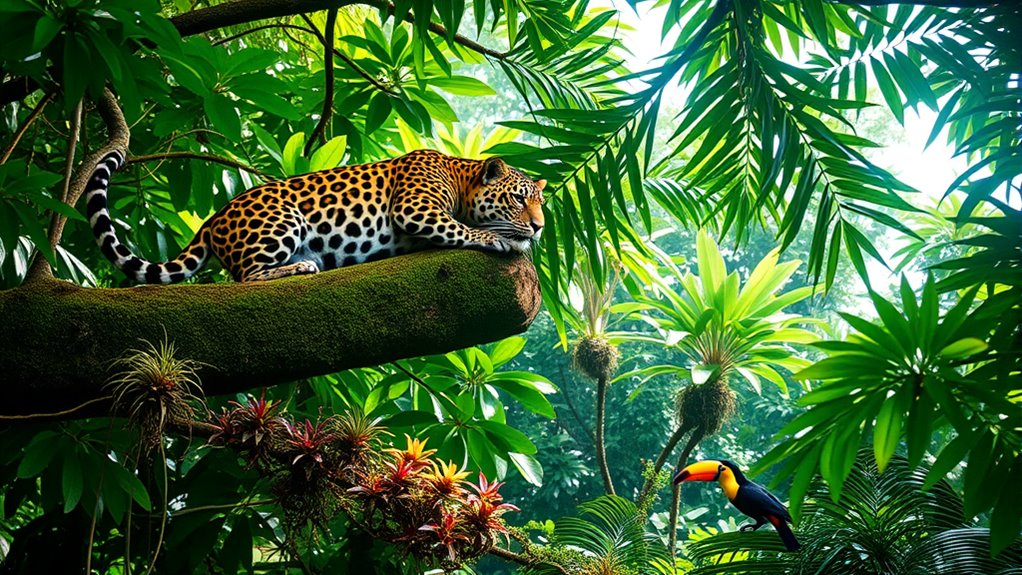

Keystone species are animals and plants that hold ecosystems together by shaping their structure, diversity, and stability. Predators control prey populations, preventing overgrazing and habitat damage. Engineers like beavers create habitats that support many species. Mutualistic relationships, such as those between sea otters and kelp, also strengthen ecosystems. Protecting keystone species is essential for maintaining biodiversity and resilience. If you want to understand how these critical species impact our environment, keep exploring this fascinating topic.
Key Takeaways
- Keystone species have a disproportionate impact on ecosystem structure, stability, and biodiversity.
- Predators like wolves and sea otters regulate prey populations, preventing habitat overgrazing and promoting diversity.
- Ecosystem engineers such as beavers and corals create habitats that support numerous other species.
- Mutualistic relationships, like those involving mangroves and certain marine species, enhance ecosystem resilience.
- Protecting keystone species through conservation and habitat preservation maintains ecosystem health and prevents collapse.
Understanding the Role of Keystone Species in Ecosystems
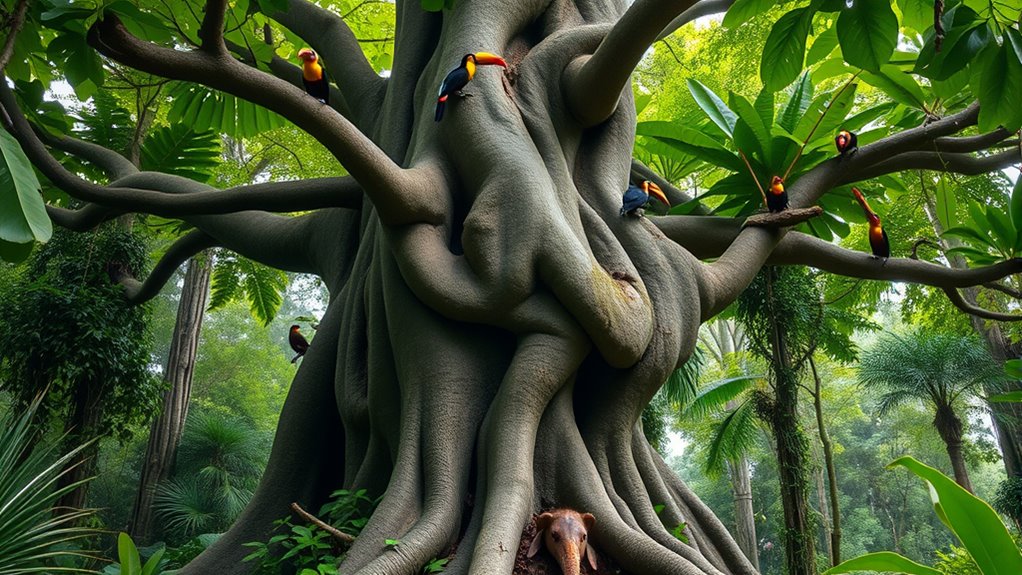
Have you ever wondered how a single species can influence the entire ecosystem? Keystone species do this by having a disproportionately large effect on their environment compared to their numbers. Their presence shapes the structure, diversity, and stability of ecological communities. For example, predators control prey populations, preventing overgrazing that could damage habitats. Ecosystem engineers, like beavers, modify their surroundings, creating homes for many other species. Mutualists, such as bees, facilitate plant reproduction, supporting food webs. When keystone species disappear, ecosystems often face dramatic changes or collapse because the delicate balance they maintain is broken. Protecting these species is vital because their role guarantees ecological resilience, biodiversity, and the overall health of the environment you depend on.
How Predators Maintain Ecological Balance

You can see how predators keep prey populations in check, preventing them from overrunning their habitats. By controlling these numbers, predators help avoid overgrazing that could damage the entire ecosystem. This balance supports a rich diversity of species and maintains overall ecological health. Additionally, predators often engage in risk assessments to determine the best hunting strategies, which further contributes to the stability of the ecosystem. The presence of predators also influences the behavior and distribution of prey species, encouraging adaptive responses that support ecosystem resilience. As AI-driven security systems become more prevalent, they can aid in monitoring these ecological interactions by providing real-time data and analysis.
Controlling Prey Numbers
How do predators keep ecosystems balanced? They control prey numbers, preventing overpopulation that can damage habitats. When prey populations grow unchecked, they may overconsume plants or resources, leading to habitat degradation. Predators keep these numbers in check, maintaining healthy, stable ecosystems. This balance supports biodiversity and prevents species dominance. Here’s a simplified view:
| Predator | Prey | Effect |
|---|---|---|
| Wolf | Deer | Prevents overbrowsing |
| Sea star | Mussels | Keeps space for other species |
| Lion | Zebras | Maintains grassland health |
| Tiger | Wild boar | Controls crop damage |
| Owl | Rodents | Reduces crop pests |
Additionally, predator-prey relationships are fundamental to understanding ecological stability and resilience.
Preventing Overgrazing
Predators play a crucial role in preventing overgrazing by controlling herbivore populations. When predators like wolves or sea stars hunt herbivores such as deer or sea urchins, they keep these populations in check. This balance prevents herbivores from consuming vegetation excessively, which can damage habitats and reduce biodiversity. Without predators, herbivore numbers may explode, leading to overgrazing that depletes plant life and destabilizes ecosystems. By keeping herbivore populations stable, predators help maintain the health and resilience of habitats like forests, grasslands, and coral reefs. Their presence ensures that plant communities can regenerate and thrive, supporting a diverse web of life. This natural regulation highlights the importance of predators in sustaining ecological balance and preventing destructive overgrazing. Additionally, workaholic tendencies can influence the balance within ecosystems when human activities prioritize economic growth over environmental conservation. Recognizing the importance of ecological balance emphasizes the need for conservation efforts that protect predator species and maintain natural predator-prey dynamics. Understanding how species interactions shape ecosystems further underscores the vital role predators play in maintaining this delicate balance. Moreover, the loss of predators can lead to a cascade of effects that disrupt entire ecosystems, demonstrating the interconnectedness of species and their environments. Additionally, public awareness campaigns are essential to promote conservation of predator species and support ecosystem health. Furthermore, the incorporation of personal development principles, such as awareness and mindfulness, can foster a greater appreciation for ecological systems and our role in preserving them.
Supporting Biodiversity
Have you ever wondered how predators help maintain a diverse and balanced ecosystem? Predators control prey populations, preventing any one species from dominating. This regulation allows a variety of plants and animals to thrive, supporting high biodiversity. For example, wolves hunt herbivores like deer, reducing overgrazing and enabling plant growth. Sea otters keep sea urchin numbers in check, protecting kelp forests that host numerous marine species. Predators also create opportunities for other organisms by shaping habitats—beavers build dams, creating wetlands for many species. When predators are present, they ensure no single species overexploits resources, maintaining ecological stability. Their role is essential for keeping ecosystems resilient, diverse, and functioning properly, highlighting the importance of supporting predator populations for overall biodiversity.
The Impact of Ecosystem Engineers on Habitat Creation
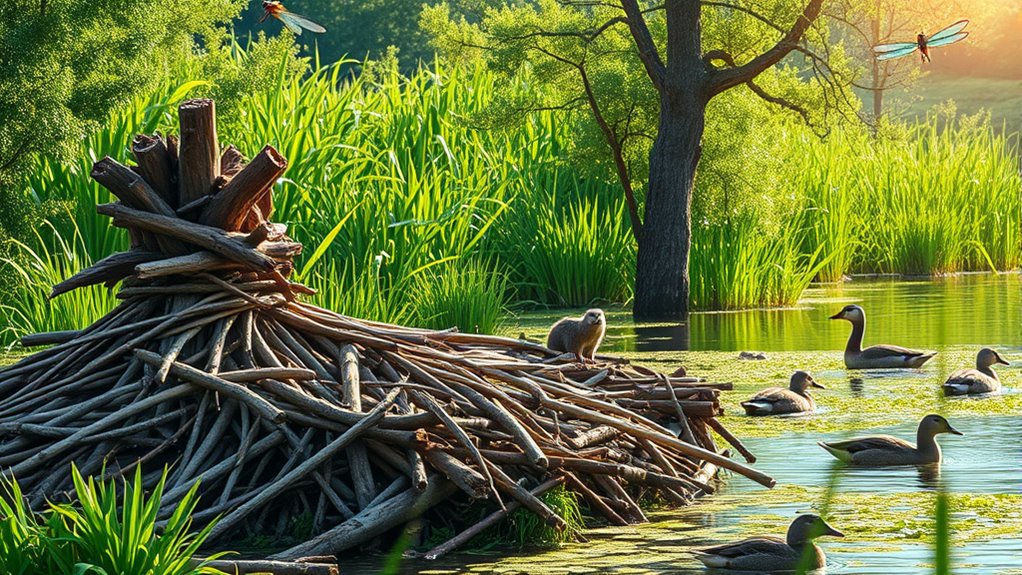
Ecosystem engineers play a crucial role in shaping their environments by actively modifying physical habitats, creating new niches, and influencing the distribution of other species. By altering landscapes, they establish conditions beneficial for various organisms. For example, beavers build dams that transform streams into ponds, providing habitat for fish, amphibians, and aquatic plants. Similarly, mangroves stabilize coastlines, reduce erosion, and create nursery grounds for many marine species. These engineers increase habitat complexity, supporting higher biodiversity. Their activities can also influence nutrient cycling and water flow, fostering resilient ecosystems. Additionally, the integration of automation technologies in environmental management can enhance habitat restoration efforts and monitoring. Recent developments in ONE2CRYPTO demonstrate innovative approaches to supporting sustainable ecosystems through digital solutions, which can complement traditional conservation strategies. Without these engineers, habitats would be less diverse and less productive, making ecosystems more vulnerable to disturbances. Their habitat creation is fundamental to maintaining ecological balance and ensuring the survival of numerous species.
Mutualistic Relationships That Sustain Biodiversity

Mutualistic relationships are essential interactions where different species benefit from working together, helping to sustain biodiversity within ecosystems. You might notice hummingbirds feeding on nectar while pollinating flowers, ensuring plant reproduction. Bees, for example, transfer pollen as they gather nectar, supporting plant growth and providing food for themselves. In these partnerships, both species depend on each other’s survival and success. Such mutualisms enhance ecosystem stability by promoting plant diversity, which in turn supports a wide array of animals. For instance, the relationship between ants and acacia trees offers protection for the tree while providing food for the ants. These reciprocal interactions create complex networks that maintain ecosystem resilience and allow species to thrive in balance. Additionally, mutualistic relationships often involve co-evolution, where species adapt specifically to benefit each other over time, further strengthening these vital ecological connections. Recognizing the importance of symbiotic interactions can help us understand how biodiversity is maintained and why preserving these relationships is crucial for ecosystem health.
Keystone Species in Marine Environments

In marine environments, certain keystone species like coral reef engineers, sea otters, and mangroves play crucial roles in maintaining ecosystem health. Coral reefs create habitats for countless marine organisms, while sea otters control sea urchin populations that threaten kelp forests. Mangroves protect shorelines from erosion and serve as nurseries for young fish, supporting overall coastal stability. Additionally, the health of these keystone species can be significantly influenced by ecosystem modifications, which underscores the importance of conservation efforts. The health and resilience of these species are often directly impacted by home improvement practices in coastal development, highlighting the interconnectedness of human activity and ecological balance. Understanding the battery technologies that sustain our portable energy solutions can serve as a metaphor for the delicate balance required to preserve these vital species. The resilience of these species often depends on the legal protections established to conserve their populations and habitats. Moreover, environmental monitoring is essential to detect early signs of ecosystem stress and implement timely interventions.
Coral Reef Engineers
Coral reefs are essential marine environments where certain species act as engineers, shaping the habitat and supporting countless other organisms. You’ll find corals at the heart of these ecosystems, building complex structures from calcium carbonate. These structures provide shelter, breeding grounds, and feeding sites for a wide variety of marine life. By creating this habitat, corals support high biodiversity and maintain ecosystem stability. Their growth influences water flow, light penetration, and nutrient cycling, affecting the entire reef community. Without corals acting as engineers, the reef’s intricate architecture would collapse, leading to a loss of countless species. Protecting corals guarantees the persistence of these vibrant, life-sustaining habitats, highlighting their role as keystone species in marine environments. Understanding keystone species helps us appreciate the critical importance of conserving these vital habitats before they face irreversible decline.
Sea Otters’ Role
Sea otters play a pivotal role in maintaining the balance of marine ecosystems, much like coral reefs do as engineers. You’ll find them preying on sea urchins, which helps prevent urchin populations from exploding. When sea otters keep urchins in check, kelp forests thrive, providing habitat and food for countless marine species. Without otters, unchecked urchins overgraze kelp, leading to barren underwater landscapes known as urchin barrens. Their presence supports biodiversity, stabilizing the entire ecosystem. By controlling sea urchins, otters indirectly protect the habitat for fish, invertebrates, and other marine life. Their keystone role demonstrates how a single predator can influence the structure and health of the broader ecosystem, highlighting the importance of conserving these charismatic yet essential animals. Additionally, pimple patches, while unrelated to marine ecology, exemplify targeted interventions that promote healing and balance in skin health. Ecosystem stability relies heavily on such keystone species to maintain overall health and resilience. Recognizing the impact of keystone species underscores the significance of biodiversity in sustaining thriving ecosystems, as it promotes robustness and adaptability in changing environments.
Mangroves Protect Shorelines
Mangroves serve as essential keystone species in marine environments by stabilizing shorelines and preventing erosion. Their dense root systems anchor sediments, reducing the impact of waves and storms that threaten coastal areas. By trapping sediments and organic matter, mangroves build and maintain land, creating critical habitats for numerous species. They act as natural buffers, protecting inland ecosystems from storm surges and rising sea levels. Their complex root networks also filter pollutants, improving water quality and supporting marine life health. As ecosystem engineers, mangroves foster biodiversity, providing shelter and breeding grounds for fish, crabs, birds, and other wildlife. Without mangroves, coastlines become more vulnerable to erosion, habitat loss, and the impacts of climate change, making them indispensable keystone species for coastal resilience. Additionally, their role in maintaining healthy ecosystems underscores their importance in sustaining the overall health of marine environments.
Terrestrial Keystone Species and Their Contributions

Terrestrial keystone species play a essential role in shaping their ecosystems by influencing the populations and habitats of other species. For example, predators like wolves regulate herbivore numbers, preventing overgrazing and enabling plant diversity. Beavers act as ecosystem engineers by building dams, creating wetlands that support numerous aquatic and terrestrial species. Pollinators such as bees guarantee plant reproduction, maintaining food sources and habitat structure. Prairie dogs dig burrows that aerate soil and create habitats for other animals. Large predators like tigers control prey populations, maintaining balance within food webs. These species help sustain biodiversity, promote habitat stability, and facilitate nutrient cycling. Their presence is indispensable for ecosystem resilience, making their conservation essential for the health of terrestrial environments.
The Consequences of Losing a Keystone Species

Losing a keystone species can trigger a chain reaction that destabilizes the entire ecosystem. Without their influence, prey populations may skyrocket, leading to overgrazing or habitat destruction. For example, if sea otters disappear, sea urchins can overpopulate, decimating kelp forests that support numerous marine species. Similarly, the loss of predators like wolves can cause herbivore numbers to spike, damaging plant communities and altering landscape structures. Beavers, as ecosystem engineers, create habitats that many species depend on; their absence can lead to habitat loss for numerous plants and animals. When keystone species vanish, biodiversity declines, food webs break down, and ecosystems become less resilient to environmental changes. Ultimately, the disappearance of a keystone species threatens the stability and health of the entire ecosystem.
Protecting and Conserving Keystone Species for Ecosystem Health
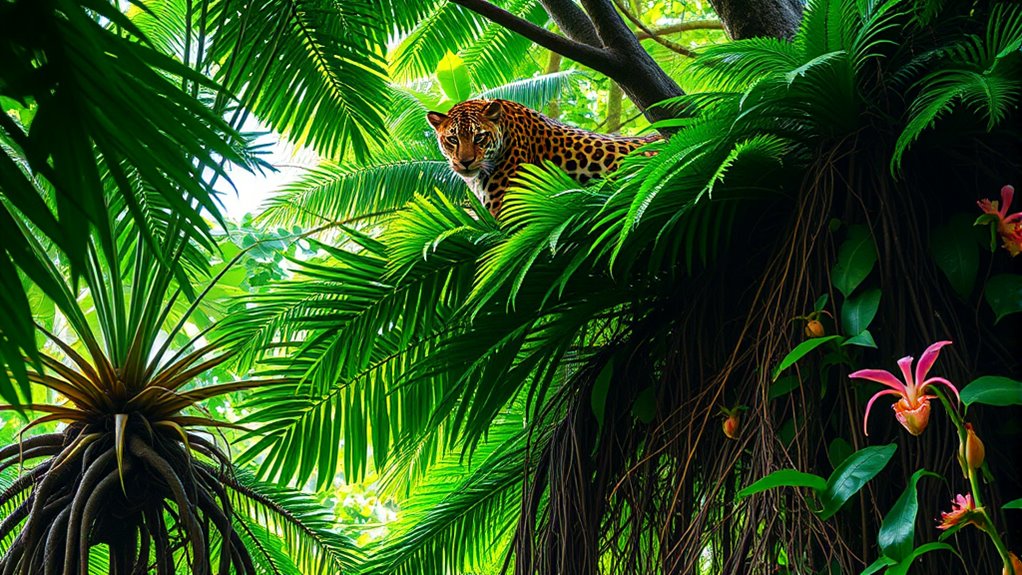
Why is protecting keystone species essential for maintaining healthy ecosystems? Because these species hold the balance, their presence supports biodiversity and ecosystem stability. When you conserve keystone predators, engineers, or mutualists, you prevent cascading failures that can lead to ecosystem collapse. Protecting these species often involves habitat preservation, legal protections, and reducing human threats like pollution and overhunting. Supporting research and monitoring helps identify vulnerable keystone species and assess their needs. Restoring habitats or reintroducing species can also strengthen ecological functions. By focusing on keystone species, you safeguard the intricate relationships that sustain ecosystems, ensuring they remain resilient against environmental changes. Your efforts directly contribute to maintaining the natural balance that benefits countless other species and human communities alike.
Examples of Keystone Species in Action

Keystone species play a vital role in maintaining the stability and diversity of ecosystems, and their actions can be seen clearly through various real-world examples. For instance, sea otters keep sea urchin numbers in check, protecting kelp forests. American alligators create burrows that provide water and shelter for other animals. Bees pollinate plants, supporting reproduction and food webs. Large predators like lions and tigers regulate prey, maintaining balance. Tiger sharks control turtle and dugong populations, safeguarding seagrass beds. Here’s a quick look at some examples:
| Keystone Species | Ecosystem Function |
|---|---|
| Sea Otters | Control sea urchins, protect kelp |
| Beavers | Build habitats, modify waterways |
| Pollinating Bees | Support plant reproduction |
| Lions/Tigers | Regulate prey populations |
| Oysters | Filter water, create reefs |
Frequently Asked Questions
How Are Keystone Species Identified in Different Ecosystems?
You identify keystone species in different ecosystems by observing their impact on community structure and function. You look for species whose removal causes significant changes, such as population declines, overgrowth, or habitat loss. You can also analyze their role in regulating prey, creating habitats, or facilitating mutualisms. Experimental removal or monitoring of natural fluctuations helps confirm their keystone status, revealing how essential they are to ecosystem stability.
Can a Species Be Both a Keystone and an Indicator Species?
You can be both a keystone and an indicator species—like killing two birds with one stone. As a keystone, you have a big influence on your ecosystem’s structure, while as an indicator, you signal the health of your environment. If you’re threatened or thriving, it tells others about ecosystem changes. Recognizing this dual role helps conservation efforts target species that hold ecosystems together and reflect their overall health.
What Are the Main Threats Facing Keystone Species Today?
You should know that keystone species today face threats like habitat destruction, pollution, climate change, and overhunting. These activities diminish their populations or eliminate them altogether, disrupting the delicate balance of ecosystems. As a result, the loss of keystone species can cause cascading effects, leading to reduced biodiversity and ecosystem collapse. Protecting these essential species is critical for maintaining healthy, resilient environments for all species, including humans.
How Do Keystone Mutualists Influence Plant Diversity?
You see a bee visit a flower, and it’s a perfect example of how keystone mutualists influence plant diversity. By pollinating plants, they enable more species to reproduce and thrive, increasing overall diversity. Without these mutualists, some plants might decline or disappear, reducing habitat variety. Their essential reciprocal interactions create a more resilient, diverse ecosystem, demonstrating how keystone mutualists keep plant communities rich and balanced.
Are Keystone Species Always the Most Abundant in Their Habitats?
No, you shouldn’t assume keystone species are always the most abundant in their habitats. They usually have a large impact relative to their numbers, often being rare or less common. Their critical role isn’t about how many there are but how profoundly they influence the ecosystem’s structure and function. Removing even a few individuals of a keystone species can cause major changes, regardless of their abundance.
Conclusion
Imagine walking through a vibrant forest or coral reef, where every plant and animal plays a crucial role, like the intricate threads holding a tapestry together. When a keystone species disappears, that tapestry unravels, leaving behind a shadow of its former splendor. Protecting these essential species keeps ecosystems alive and thriving, ensuring you can still marvel at nature’s delicate balance. Your actions today can preserve the breathtaking beauty and harmony of our planet’s most precious habitats.