

Biodiversity is crucial because Earth’s history shows how life recovers and adapts after mass extinctions. When dominant species vanish, new niches open, allowing different organisms to flourish and diversify. This cycle keeps ecosystems resilient, supporting essential functions like pollination, nutrient cycling, and climate regulation. If ecosystems lack diversity, they become fragile and can’t bounce back from environmental stresses. Continue exploring to discover how lessons from Earth’s past can help protect our planet’s future.
Key Takeaways
- Past extinctions show that biodiversity loss reduces ecosystem resilience and hampers recovery from environmental changes.
- Extinction events create opportunities for new species to diversify and fill ecological niches, driving evolutionary innovation.
- High species diversity supports essential ecosystem functions like pollination and nutrient cycling, ensuring stability.
- Understanding historical extinctions emphasizes the importance of habitat protection and climate mitigation to prevent current biodiversity crises.
- Maintaining biodiversity ensures ecosystem resilience, enabling recovery and adaptation after environmental disturbances.
As an affiliate, we earn on qualifying purchases.
The Major Mass Extinctions and Their Consequences
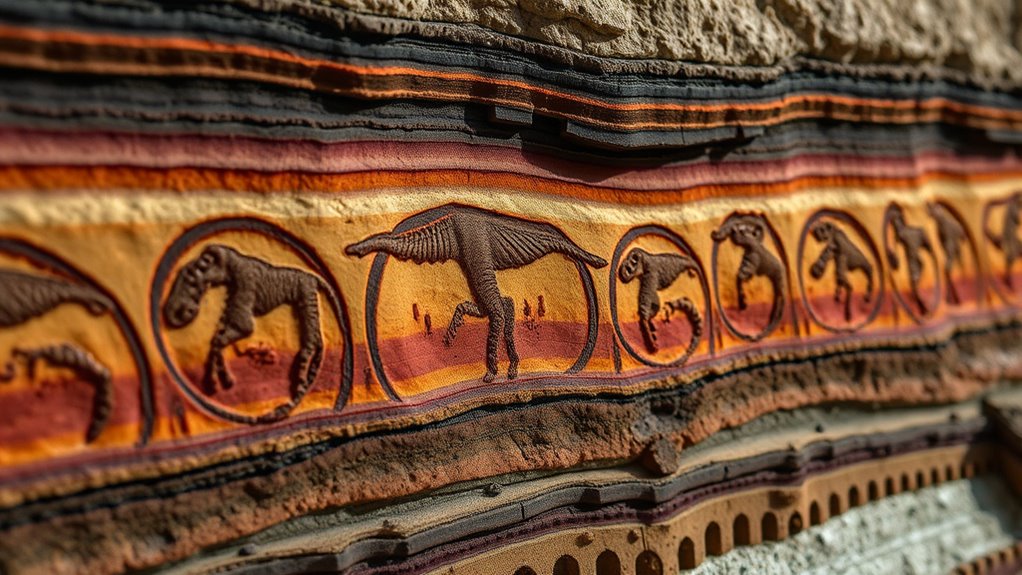
Throughout Earth’s history, five major mass extinctions have dramatically reshaped life on our planet. These events wiped out vast numbers of species, often over 70%, and reset evolutionary progress. The end-Ordovician extinction, about 444 million years ago, decimated 85% of marine life, drastically reducing biodiversity. The Late Devonian caused the loss of around 70% of all species, mainly impacting marine groups. The Permian-Triassic extinction, the worst in Earth’s history, eliminated over 95% of marine species and 70% of terrestrial vertebrates, paving the way for new lifeforms. The end-Cretaceous, famous for wiping out non-avian dinosaurs, resulted in a 75% species loss globally. These extinctions pruned evolutionary trees, eliminating some groups and enabling others to diversify and dominate new ecological niches. Understanding these events highlights the importance of biodiversity in maintaining resilient ecosystems and adapting to environmental changes.
Triggers Behind Earth’s Most Catastrophic Biodiversity Losses

The triggers behind Earth’s most catastrophic biodiversity losses stem from a combination of natural processes and environmental changes that occur rapidly or intensely enough to cause widespread extinction. These events often result from sudden shifts that overwhelm ecosystems, preventing species from adapting in time. A deeper understanding of mass extinction events reveals the complex interplay of multiple triggers contributing to these global crises. Recognizing the role of environmental stressors, such as climate change and habitat destruction, is crucial in understanding these historical extinctions. Additionally, technological advancements have enabled scientists to better analyze past extinction patterns and predict potential future risks. Studying these extinction mechanisms can help us develop strategies to mitigate current biodiversity loss.
How Extinctions Reshape Ecosystems and Influence Evolution

When mass extinctions occur, they dramatically reorganize ecosystems by removing dominant species and opening new niches. This creates opportunities for surviving organisms to diversify and evolve into new forms. As a result, extinctions fundamentally shape the course of life’s evolutionary history. Understanding biodiversity’s importance highlights how the variety of life contributes to ecosystem resilience and adaptability during these critical periods.
Ecosystem Reorganization
Mass extinctions dramatically reshape ecosystems by removing dominant species and disrupting existing community structures. This upheaval creates new opportunities for surviving species to fill vacant niches and reorganize ecological interactions. As a result:
- Ecosystem complexity often decreases initially, with simplified food webs.
- Key functional groups, like large predators or sessile marine species, may disappear or decline sharply.
- New dominant species emerge, altering community dynamics and energy flow.
- Habitat structures change, influencing species distributions and interactions.
These reorganizations can lead to long-term stability or further instability, depending on how species adapt and how new relationships form. Over time, ecosystems evolve into different configurations, often more diverse or resilient, but sometimes less stable if critical functions are lost.
Evolutionary Opportunities
Extinction events don’t just eliminate species; they also open up new evolutionary pathways by removing competitors and reshaping ecological niches. When dominant species disappear, previously inaccessible or underused habitats become available, allowing surviving organisms to diversify and adapt. These openings spark evolutionary radiations, where minor or overlooked species can emerge as new leaders within ecosystems. For example, after the mass extinction that wiped out the dinosaurs, mammals rapidly diversified to fill the vacant niches, eventually giving rise to humans. Extinctions also streamline evolutionary trees, pruning away less fit lineages and fostering the growth of resilient, adaptable groups. In this way, extinctions act as catalysts for innovation, shaping the course of life by creating opportunities for new species to thrive and evolve. Additionally, biodiversity benefits from these events by encouraging resilient ecosystems capable of withstanding environmental changes. Furthermore, the process of natural selection during these periods can accelerate adaptation, leading to a more diverse array of species in the long term. Recognizing these patterns highlights how extinction events have historically served as opportunities for evolutionary breakthroughs, and the occurrence of mass extinctions often accelerates the rate of evolutionary change in surviving groups. Studies show that evolutionary opportunities are often maximized during these periods of ecological upheaval, highlighting their vital role in shaping life’s diversity.
The Critical Role of Species Diversity in Ecosystem Resilience

Species diversity plays a crucial role in maintaining ecosystem resilience by guaranteeing that multiple species can perform various ecological functions. When you have a diverse range of species, ecosystems can better withstand environmental changes and recover faster from disturbances. This redundancy means that if one species declines, others can fill its role, keeping ecosystem processes stable. Consider these key points: 1. Diversity buffers ecosystems against climate fluctuations and habitat changes. 2. Multiple species contribute to essential functions like pollination, nutrient cycling, and water filtration. 3. Functional redundancy ensures ecosystem stability despite species loss. 4. Complex interactions among diverse species strengthen overall resilience and adaptability. Additionally, promoting native species can further enhance local biodiversity and ecosystem health. Understanding how different biodiversity factors impact the stability of ecosystems can provide insights into managing biodiversity more effectively. Recognizing the importance of ecosystem services helps underscore the need for conservation efforts that support diverse biological communities. Incorporating sustainable practices into land use can further bolster ecosystem resilience and promote long-term biodiversity conservation.
Lessons From Past Extinction Events for Modern Conservation

Have you ever wondered what ancient Earth’s upheavals can teach us about preserving today’s biodiversity? Past extinction events reveal how rapid environmental changes lead to massive species losses. Human activities now accelerate this process, risking a sixth mass extinction. By studying these events, you learn that protecting habitats and reducing climate impacts are essential. For example, understanding how volcanic eruptions or asteroid impacts caused abrupt collapses helps identify current threats like deforestation, pollution, and climate change. Monitoring species decline and ecosystem health offers early warnings, enabling proactive conservation efforts. Recognizing that extinctions open new ecological opportunities underscores the importance of maintaining biodiversity today. Learning from history emphasizes that swift action can prevent irreversible losses and preserve the resilience of Earth’s life support systems. Understanding the causes of past extinctions helps us develop strategies to mitigate current risks effectively, especially through ecosystem resilience initiatives. Additionally, examining how species adapt or become extinct during these events provides insight into the importance of genetic diversity for survival. Furthermore, analyzing technological advancements in conservation allows us to implement innovative solutions to protect vulnerable species and habitats. Studying extinction patterns from history can also guide us in prioritizing conservation efforts for the most at-risk ecosystems before they reach a tipping point.
The Evolutionary Opportunities Created by Extinction Events

When mass extinctions occur, they clear out existing species and open up new ecological niches. This process often results in rapid species diversification, allowing surviving organisms to adapt to the changing environment. This creates opportunities for surviving species to adapt, diversify, and become dominant in the evolving ecosystems. As a result, extinction events can spark bursts of evolutionary innovation and long-term biodiversity growth. Juice cleansing practices, for example, illustrate how dietary shifts can influence health and resilience during periods of environmental change. Additionally, understanding biodiversity helps clarify how ecosystems recover and evolve after such catastrophic events, often driven by adaptation strategies that help species survive in new conditions.
New Niches Opened
Extinction events, while devastating for many forms of life, also create crucial opportunities for evolution by opening new ecological niches. When dominant species vanish, they leave behind empty roles that surviving organisms can fill. This process sparks adaptive radiations, leading to increased biodiversity and complexity.
Here are key ways new niches emerge:
- Surviving species adapt to fill vacated roles, creating new ecological dynamics.
- Minor or overlooked species can become dominant in the absence of previous competitors.
- Ecosystems diversify as organisms exploit different resources and habitats.
- Evolution accelerates as species experiment with new traits to thrive in altered environments.
Surviving Species Thrive
Surviving species often seize the opportunity to adapt and flourish in the wake of environmental upheavals. When mass extinctions clear out dominant groups, new niches open, allowing survivors to diversify rapidly. For example, after the dinosaurs disappeared, mammals expanded into ecological roles previously filled by them, leading to the rise of many modern species. These extinctions act as evolutionary reset buttons, removing barriers for new adaptations and innovations. Some species, which seemed minor before, become key players in their ecosystems, shaping future biodiversity. This process isn’t random; it’s driven by the availability of unoccupied habitats and resources. By adapting to changed conditions, surviving species expand their ranges and evolve new traits, fueling the cycles of biodiversity that follow extinction events.
Human Impact and the Accelerating Rate of Biodiversity Loss

Human activities have dramatically accelerated the rate at which biodiversity is declining, far surpassing natural background levels seen in Earth’s history. This rapid loss is driven by deforestation, pollution, overhunting, and climate change. You should recognize that:
- Habitat destruction reduces the living spaces for countless species, leading to extinctions.
- Pollution contaminates ecosystems, harming or killing sensitive organisms.
- Overharvesting and hunting remove key species, disrupting food webs.
- Climate change causes temperature shifts and sea-level rise, altering habitats faster than species can adapt.
These factors combine to push ecosystems toward collapse, making recovery difficult. Unlike past natural extinctions, human influence accelerates this process, threatening the stability of life-supporting systems on Earth.
Protecting Biodiversity: Strategies Inspired by Earth’s History

By studying Earth’s history of mass extinctions and their aftermath, we can develop effective strategies to protect biodiversity today. Understanding how past events unfolded reveals the importance of habitat preservation and reducing environmental stressors. You should prioritize conserving natural habitats, establishing protected areas, and restoring ecosystems damaged by human activity. Learning from past extinctions shows that rapid climate shifts and habitat loss cause massive species declines, so mitigating climate change is essential. Promoting ecological connectivity helps species adapt and recover. Controlling invasive species and reducing pollution also strengthen resilience. Engaging local communities and supporting sustainable practices ensures long-term conservation. By applying these lessons, you can help maintain biodiversity’s critical functions and prevent the catastrophic losses seen in Earth’s deep past.
The Cyclic Nature of Extinction and Biodiversity Recovery

Extinction and biodiversity recovery follow a natural, cyclical pattern shaped by Earth’s evolving environments. When major extinctions occur, they clear the way for new species to emerge and diversify. This cycle is driven by environmental shifts, such as climate change, volcanic activity, and asteroid impacts, which cause mass die-offs. After these events, ecosystems gradually rebuild through adaptive radiations of surviving species.
You should remember that:
- Major extinctions reset ecological communities, creating opportunities for new life forms.
- Recovery often takes millions of years, involving complex evolutionary processes.
- New dominant species arise, sometimes replacing previous keystone species.
- These cycles demonstrate Earth’s resilience, highlighting that biodiversity can rebound after even severe losses.
Frequently Asked Questions
How Do Mass Extinctions Influence Current Biodiversity and Ecosystem Stability?
Mass extinctions shape your current biodiversity by removing dominant species and opening new ecological niches. This creates opportunities for species to diversify and adapt, influencing ecosystem stability. You see the effects in how ecosystems recover slowly and shift in structure after disturbances. Understanding these events helps you realize the importance of protecting biodiversity today to maintain resilient ecosystems and prevent similar collapses, ensuring the health of life on Earth for future generations.
Can Understanding Past Extinctions Help Predict Future Biodiversity Trends?
Understanding past extinctions helps you predict future biodiversity trends by revealing how environmental changes impact species survival. You see that rapid climate shifts, habitat loss, and invasive species can cause mass die-offs. Recognizing these patterns allows you to identify early warning signs and implement conservation strategies. By studying history, you can better anticipate how current human activities might accelerate biodiversity loss and work to prevent a similar crisis.
What Role Do Minor Species Play in Ecosystem Resilience After Extinctions?
Minor species are like tiny sparks that can reignite the forest after a fire. They play a essential role in ecosystem resilience by filling ecological gaps left after extinctions, supporting critical functions, and stabilizing the environment. Their presence promotes diversity and allows ecosystems to adapt and recover more quickly. Without these lesser-known players, ecosystems become fragile, risking collapse when faced with future disturbances.
How Do Extinction Events Shape the Long-Term Evolution of Life on Earth?
Extinction events shape long-term evolution by pruning whole lineages and creating new opportunities for surviving species. You see, they open up niches, encouraging adaptive radiations that diversify life. These events also reset ecosystems, leading to the rise of new dominant groups, like mammals after the dinosaurs. By removing dominant species, extinctions influence evolutionary trajectories, making evolution a dynamic, cyclic process driven by both loss and subsequent diversification.
What Conservation Strategies Are Most Effective Based on Earth’s Extinction History?
You should prioritize habitat preservation, control invasive species, and reduce pollution to protect biodiversity. Based on Earth’s extinction history, preventing rapid environmental changes and stabilizing climate are vital. Supporting conservation efforts, establishing protected areas, and promoting sustainable practices help maintain ecosystems and avoid the catastrophic losses seen in past extinctions. By acting now, you can help guarantee the resilience of life on Earth for future generations.
Conclusion
Understanding Earth’s history shows that 99.9% of species that ever existed are now extinct. By learning from past mass extinctions, you can see how biodiversity loss threatens ecosystem resilience and your own well-being. Protecting species isn’t just about saving animals; it’s about safeguarding the future of life on Earth. Every effort counts—so take action today, because the next chapter in Earth’s story depends on your choices.