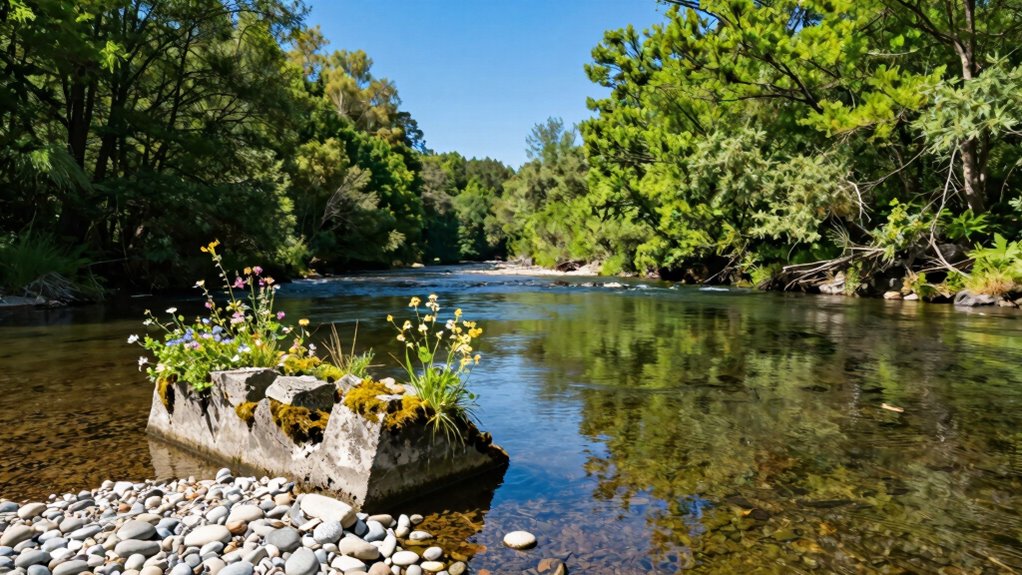

Removing dams helps your rivers recover by restoring natural flow and sediment transport, which benefits ecosystems and fish populations. It allows fish to reach their spawning grounds and supports biodiversity. Without dams, water quality improves, and habitats such as floodplains and wetlands are renewed. The process also enhances recreational and aesthetic values, making rivers healthier and more resilient overall. To understand the full range of benefits, explore how dam removal impacts ecosystems and local communities.

Prime made for students and young adults
- Fast, free delivery for dorm and study essentials
- Prime Video and Amazon Music included
- Member-only deals
Key Takeaways
- Removing dams restores natural fish migration routes, supporting healthier aquatic populations and biodiversity.
- Dam removal allows sediment flow, rebuilding habitats and preventing erosion and flooding.
- Unobstructed water flow improves oxygen levels and temperature regulation, benefiting aquatic life.
- Restoring river courses enhances recreational, aesthetic, and ecological value for communities.
- Overall, dam removal reconnects rivers with natural processes, promoting ecological resilience and sustainability.
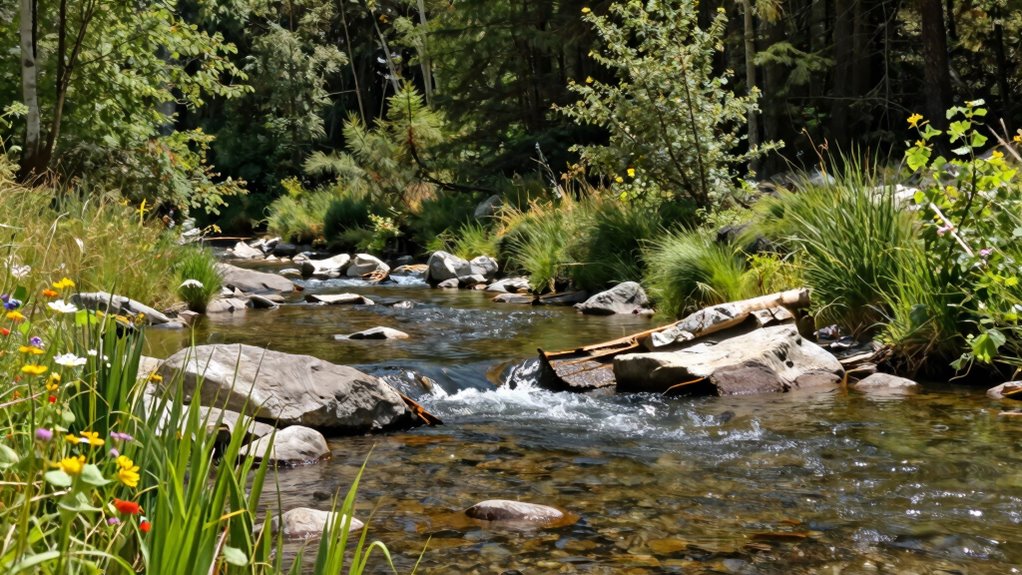
Many rivers suffer from dams that disrupt natural flow and harm ecosystems, but removing these barriers can kickstart the process of river recovery. When you eliminate a dam, you open up the river’s pathway, allowing fish migration to resume naturally. Fish that once traveled upstream to spawn find it easier to reach their traditional breeding grounds, restoring essential populations that have struggled under the dam’s restrictions. This renewed movement supports a healthier, more balanced aquatic ecosystem. Without dams blocking their route, fish can adapt more effectively to changing conditions, contributing to biodiversity and the resilience of entire river systems.
Removing dams restores natural fish migration, supporting healthier ecosystems and resilient river systems.
Sediment flow is another key aspect that improves when dams are removed. Dams trap sediments that would normally flow downstream, causing sediment buildup behind the barrier and erosion downstream. When you eliminate a dam, sediment that has accumulated begins to move freely again, nourishing riverbanks and restoring natural habitats. This sediment transport helps rebuild eroded banks and floodplains, which are fundamental for maintaining the ecological integrity of the river. Restoring sediment flow also reduces the risk of excessive sediment buildup that can lead to increased flooding and habitat loss.
The process of dam removal isn’t just about restoring fish migration and sediment flow; it also improves water quality and temperature regulation. With unobstructed flow, oxygen levels in the water increase, creating better conditions for aquatic life. Cooler, well-oxygenated waters are especially significant for species like salmon and trout, which require specific temperature ranges to thrive. When dams are taken out, the natural flow helps distribute nutrients evenly and prevents stagnation, further supporting a vibrant river ecosystem.
Beyond ecological benefits, dam removal can lead to improved recreational opportunities and aesthetic value of rivers. When you restore a river’s natural course, you often see the return of beaches, wetlands, and lush riparian zones, attracting wildlife and providing scenic landscapes. These changes can boost local economies through eco-tourism and fishing activities, fostering a stronger connection between communities and their waterways.
Ultimately, removing dams isn’t just about undoing a human-made obstacle; it’s about reconnecting the river with its natural processes. Fish migration, sediment flow, water quality, and habitat health all benefit when these barriers come down. For you, as someone invested in environmental health, dam removal offers a tangible way to restore rivers’ vitality and guarantee their resilience for generations to come.
As an affiliate, we earn on qualifying purchases.
Frequently Asked Questions
How Long Does It Take for a River to Fully Recover After Dam Removal?
It can take decades for a river to fully recover after dam removal. During this time, natural processes like sediment flow and ecosystem restoration gradually restore habitat and improve water quality. You’ll notice changes over years, as sediment redistributes, native plants return, and fish populations recover. Patience is key, as the river rebuilds its natural flow and ecological balance, creating healthier, more resilient ecosystems over time.
Are There Any Risks Involved in Removing a Dam?
Removing a dam is like opening a floodgate of change, but it comes with risks. You could cause ecological impacts by disturbing habitats and releasing sediment unexpectedly. Sediment management becomes vital to prevent pollution or riverbed destabilization. You might also face issues like erosion or stranded species. So, while dam removal offers benefits, you should carefully weigh these risks and plan thoroughly to guarantee a safe, successful recovery for the river.
What Are the Costs Associated With Dam Removal Projects?
You’ll face various costs with dam removal projects, including financial implications like planning, labor, equipment, and ecological trade-offs. The expenses can be significant, especially for large dams or complex ecosystems. While removal benefits the environment, you need to evaluate potential impacts on local communities, fisheries, and water management. Carefully assessing these costs helps you make informed decisions about whether dam removal aligns with your ecological and economic priorities.
How Do Dam Removals Affect Local Communities and Economies?
Imagine a river flowing freely again, revitalizing the land and sparking new life. Dam removals often boost local communities through community engagement, fostering pride and participation. Economically, they can attract tourism, improve fishing, and reduce maintenance costs, benefiting local businesses. While some residents may worry about short-term disruptions, the long-term gains include healthier ecosystems and stronger economies, creating a vibrant environment where communities thrive alongside revitalized rivers.
Can Dam Removal Improve Water Quality in the Long Term?
Dam removal can markedly improve water quality over time through ecosystem restoration and sediment management. As the dam is taken out, natural flow patterns are restored, which helps dilute pollutants and support aquatic life. Sediment that accumulated behind the dam is gradually released or managed, reducing contamination. This process revitalizes river ecosystems, enhances water clarity, and promotes healthier habitats, contributing to long-term improvements in water quality.
Conclusion
By removing dams, you’re opening the floodgates to hope, allowing rivers to breathe and dance once more. It’s like wiping away a foggy veil, revealing nature’s vibrant, untamed beauty beneath. As barriers fall, life rushes back, weaving a tapestry of renewed significance. With each dam dismantled, you’re helping rivers reclaim their song, turning silent barriers into bridges of rebirth. In this dance of renewal, the river’s spirit soars free, alive again.
Fall Picks
fall essentials
As an affiliate, we earn on qualifying purchases.