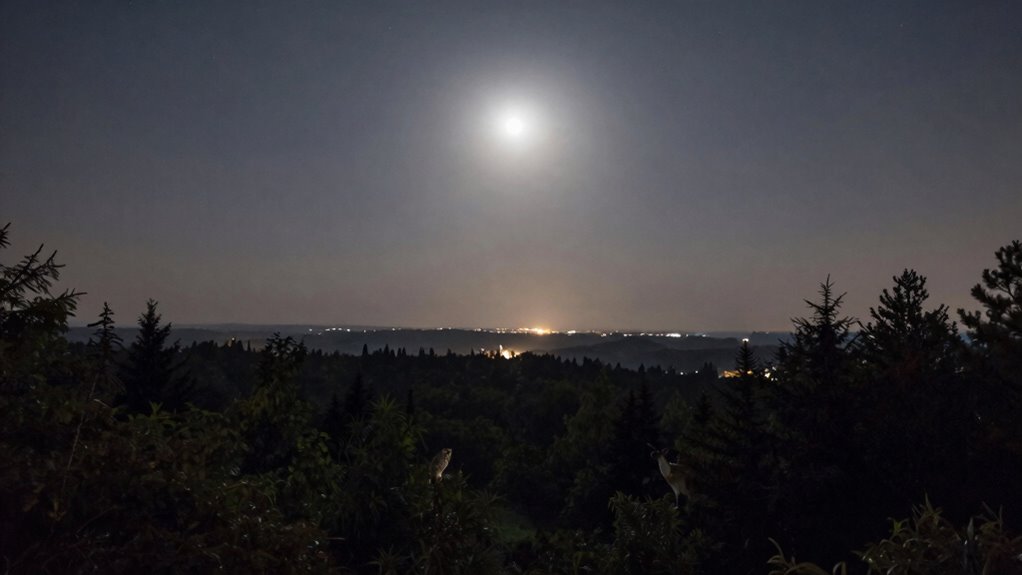
Bright nights caused by light pollution damage ecosystems in ways you might not see. They drown out stars, disrupting astronomy and changing how animals behave—affecting their hunting, mating, and navigation. Nocturnal animals and plants rely on darkness, and artificial light throws off their natural cycles, risking species survival. By understanding these hidden costs, you can learn simple ways to help reduce light pollution and protect the natural world around you.
Key Takeaways
- Light pollution disrupts natural animal behaviors, including migration, mating, and hunting patterns.
- Excess artificial light harms nocturnal wildlife and attracts insects, causing disorientation and death.
- Artificial illumination alters plant growth cycles and impairs pollination processes.
- Bright nights hinder scientific research and conservation efforts dependent on natural darkness.
- Individual actions like using shielded fixtures can reduce light pollution’s ecological impact.
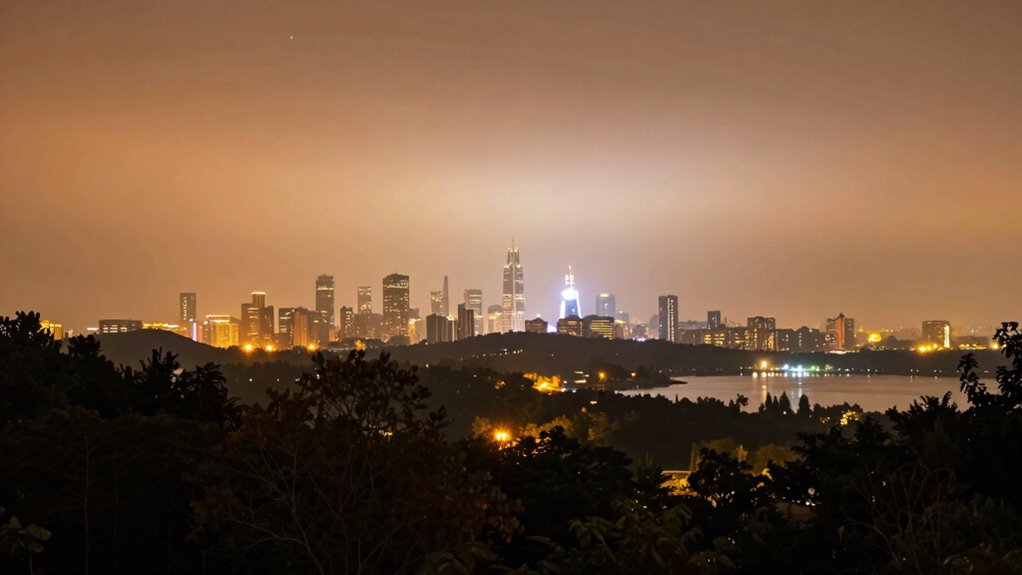
Have you ever wondered how artificial lights at night affect our environment and health? The phenomenon known as light pollution creates an urban glow that can be seen from miles away, transforming the night sky into a dull, hazy halo. This excessive brightness isn’t just a visual distraction; it has serious consequences for both nature and human wellbeing. When cities emit bright lights into the dark sky, they drown out the stars and disrupt the natural cycle of day and night. This urban glow influences countless creatures that rely on darkness for survival and alters ecological processes that have been in place for millennia.
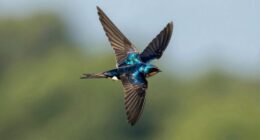
One of the most immediate effects of artificial lighting at night is nocturnal disruption. Many animals, especially those active after sunset, depend on darkness for hunting, mating, and navigation. Birds, insects, and marine life all experience disturbances when exposed to excessive artificial light. For example, nocturnal insects are attracted to bright lights, leading to mass disorientation and death, which impacts food chains and pollination. Birds often mistake bright cityscapes for the dawn, causing them to alter their natural migration routes or become disoriented during their long journeys. Marine species, like sea turtles, are also affected—hatchlings depend on natural light cues to find their way to the ocean, but artificial beachfront lighting can lead them astray, decreasing their chances of survival.
Artificial lights at night disrupt wildlife, causing disorientation and threatening survival for insects, birds, and marine animals.
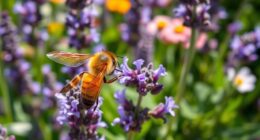
The disruption isn’t limited to wildlife; it also impacts ecosystems and plant life. Many plants rely on the natural light-dark cycle to regulate growth and flowering. When this cycle is thrown off by artificial illumination, it can lead to mismatched flowering times or disrupted pollination processes. Over time, these changes can ripple through entire ecosystems, reducing biodiversity and weakening resilience against environmental stresses. Additionally, light pollution can interfere with the biological clocks of both animals and plants, further compounding ecological disturbances. This disruption can also hinder scientific research that depends on natural night conditions to study celestial phenomena or animal behaviors. Furthermore, understanding these effects can foster greater awareness of environmental conservation efforts aimed at reducing light pollution.
Your everyday exposure to urban glow might seem insignificant, but it contributes to this broader problem. By turning off unnecessary lights and using fixtures that minimize light spillage, you help reduce nocturnal disruption. Simple steps like installing shielded lights or using lower-intensity bulbs can make a difference. When you choose to be mindful of light pollution, you’re not only protecting the natural rhythms of wildlife but also helping to preserve the beauty of the night sky. Recognizing the impact of artificial light on our environment encourages you to take action, ultimately fostering a healthier planet where both humans and nature can coexist more harmoniously.

2-Pack Dusk to Dawn Outdoor Wall Sconces, Exterior Farmhouse Gooseneck Barn Light, Vintage Matte Black Outside Wall Mount Light Fixture, Anti-Rust Waterproof Outdoor Light for House Porch Garage
Sophisticated Dusk to Dawn Photocell Sensor: Adopted with advanced dusk to dawn sensor, our 2 pack dusk to…
As an affiliate, we earn on qualifying purchases.
As an affiliate, we earn on qualifying purchases.
Frequently Asked Questions
How Does Light Pollution Affect Nocturnal Animal Behaviors?
Light pollution causes nocturnal animals to experience visual disruption, which interferes with their ability to navigate and find food. You might notice behavioral shifts, such as altered hunting or mating patterns, as these animals adapt to the excessive artificial light. These changes can threaten their survival by disrupting natural rhythms, making it harder for them to perform essential activities during the night.
Can Artificial Light Harm Plant Growth and Reproduction?
Artificial illumination disrupts plant physiology, much like a false dawn, confusing plants about when to grow or reproduce. You may not see it, but light pollution can stunt flowering, delay seed germination, and hinder photosynthesis. When plants receive too much or the wrong type of artificial light, their natural rhythms falter, risking long-term health. So, your light choices can quietly threaten plant resilience and the broader ecosystem’s balance.
What Species Are Most Vulnerable to Light Pollution?
You’ll find that nocturnal animals, like bats, moths, and certain frogs, are most vulnerable to light pollution. Urban glow and sky glow disorient these species, disrupting their natural behaviors like navigation, foraging, and mating. This artificial illumination confuses their instincts, making survival harder. By reducing unnecessary outdoor lighting and using shields, you can help protect these vulnerable species from the harmful effects of light pollution.
How Does Light Pollution Influence Insect Populations?
You might think artificial lighting disruption only affects humans, but it severely impacts insect populations too. Light pollution causes insect navigation challenges, leading to disorientation and decreased reproduction. Many insects, like moths, rely on natural light cues, and artificial lights interfere with these signals. As a result, their numbers decline, disrupting ecosystems and food chains. Addressing light pollution helps protect these essential pollinators and maintains ecological balance.
Are There Long-Term Ecological Consequences of Light Pollution?
Light pollution has significant long-term ecological consequences, affecting biodiversity and ecosystem stability. You might not see immediate effects, but it disrupts animal behaviors and plant cycles over time. These changes can lead to economic impacts, like reduced crop yields or increased conservation costs. Additionally, light pollution poses human health implications, such as sleep disturbances and increased stress. Addressing these issues now helps protect both ecosystems and our well-being in the future.
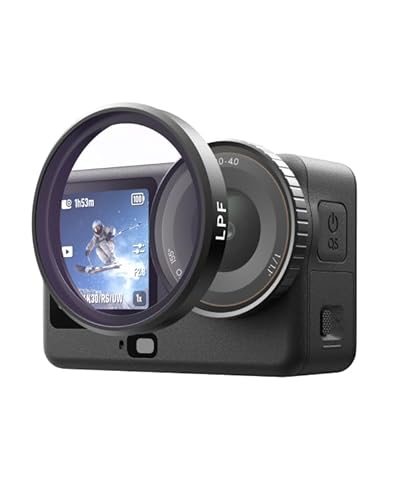
TELESIN LPR Light Pollution Reduction Filter for DJI Osmo Action 6, Night Clear Filter, Reduce Light Pollution, Enhance Stars & City Night Shots, HD Optical Glass, Nano Multi-Coated
【Reduce Light Pollution for Clear Night Shots】TELESIN LPR filter for DJI Osmo Action 6 effectively reduces artificial light…
As an affiliate, we earn on qualifying purchases.
As an affiliate, we earn on qualifying purchases.
Conclusion
As you gaze up at the night sky, remember that each flickering light isn’t just illuminating the darkness—it’s masking a silent, creeping threat. What if the vibrant symphony of nocturnal life fades forever, replaced by an unnatural glow that distorts life’s delicate balance? The true cost of bright nights isn’t just lost stars, but a future where nature’s secrets remain hidden, and the night’s quiet magic is forever altered. Will we act before it’s too late?

LamQee Outdoor Wall Lights Modern Exterior Lighting Fixtures, 3000K Integrated LED Outdoor Wall Sconce Lighting 2 Packs, Matte Black Outside Wall Mount Lights for House Front Door Porch Garage Patio
[ Modern Design ] The clean lines, modern style, and minimalist design of LamQee's outdoor wall lights highlight…
As an affiliate, we earn on qualifying purchases.
As an affiliate, we earn on qualifying purchases.

Lulu Home 4 Packs Solar Animal Repeller, Nocturnal Predator Deterrents with Red LED Flashing Lights Drive Away Raccoons, Deer, Skunks, Coyotes, Birds, Foxes from Chicken Coop Yard Farm
NOCTURNAL ANIMALS REPELLENT: Lulu Home predator eyes animal repeller is designed to effectively scare away most animals by…
As an affiliate, we earn on qualifying purchases.
As an affiliate, we earn on qualifying purchases.