
Your health is connected to animals and the environment through a complex web of interactions. Changes like habitat loss, climate change, and pollution can increase disease risks by disrupting ecosystems and creating new pathways for pathogen spread. Collaborating across disciplines helps us better understand these links, improve surveillance, and develop prevention strategies. Continuing to explore this interconnected approach can reveal how protecting nature and animals directly benefits your well-being.
Key Takeaways
- Human health is interconnected with animals and the environment through shared pathogens and ecosystems, influencing disease emergence and transmission.
- Changes in land use, climate, and pollution disrupt ecosystems, increasing the risk of zoonotic diseases transferring from animals to humans.
- Collaborative efforts across public health, veterinary, and environmental sectors enable early detection and coordinated responses to health threats.
- Zoonotic diseases spread via direct contact, vectors, or contaminated environments, highlighting the importance of integrated surveillance and prevention.
- Protecting environmental health and promoting sustainable practices reduce the risk of disease spillover and promote overall One Health resilience.

Translational Research for Zoonotic Parasites: New Findings toward Improved Diagnostics, Therapy and Prevention
As an affiliate, we earn on qualifying purchases.
As an affiliate, we earn on qualifying purchases.
The Core Principles of One Health Approach

The core principles of the One Health approach revolve around collaboration, integration, and sustainability. You work across sectors—public health, veterinary medicine, environmental science—to address shared health challenges. You also recognize that fostering interdisciplinary cooperation is essential for comprehensive solutions. By breaking down traditional barriers, you combine expertise and data from different disciplines to get a thorough view of health risks. This teamwork ensures early detection and coordinated responses to outbreaks, reducing impacts on humans and animals. You also prioritize sustainability, aiming for long-term solutions that protect ecosystems and preserve biodiversity. The approach emphasizes that health isn’t isolated; it’s interconnected. Your efforts focus on creating resilient systems that adapt to changing conditions, promote environmental health, and foster cooperation at local, national, and global levels. Additionally, understanding the importance of projector contrast ratios can help in designing environments that support health and well-being. Recognizing the role of environmental factors in disease emergence further enhances the effectiveness of a One Health approach. Incorporating public engagement is crucial for building community support and ensuring the success of health initiatives. Promoting community awareness enhances the collective capacity to prevent and respond to health threats effectively. This unified stance strengthens efforts to prevent and control health threats effectively.

Steel in the Field: A Farmer's Guide to Weed-Management Tools (Sustainable Agriculture Network Handbook Series, 2)
As an affiliate, we earn on qualifying purchases.
As an affiliate, we earn on qualifying purchases.
Factors Driving Health Risks at the Human-Animal-Environment Nexus

Changes in climate and land use considerably increase health risks by disrupting ecosystems and altering how pathogens spread. As temperatures rise and habitats change, vectors like mosquitoes expand their range, bringing diseases such as malaria and dengue to new areas. Deforestation and urbanization force wildlife into closer contact with humans and livestock, raising the chances of zoonotic spillover events. Unsustainable agricultural practices degrade the environment and create breeding grounds for disease-causing organisms. Globalization accelerates pathogen movement across borders through trade and travel, making outbreaks harder to contain. Human encroachment on natural habitats increases interactions between species, heightening disease transmission risks. These interconnected factors amplify health threats at the human-animal-environment interface, emphasizing the need for sustainable solutions. Additionally, nail art techniques can be used to raise awareness and promote health education through creative expression. Incorporating ecosystem health principles into policy and community efforts can further mitigate these risks. Strengthening disease surveillance systems and fostering international collaboration are also crucial in addressing emerging health threats. A comprehensive approach that integrates renewable energy and environmental conservation can help reduce the impact of climate change on disease dynamics.

Essentials of Environmental Health: . (Essential Public Health)
As an affiliate, we earn on qualifying purchases.
As an affiliate, we earn on qualifying purchases.
Understanding Zoonotic Diseases and Their Spillover Pathways

You need to understand how zoonotic diseases spread from animals to humans through various pathways like direct contact, shared environments, or vectors. Factors such as habitat loss, wildlife trade, and climate change increase the chances of spillover events. Recognizing these influences helps you better anticipate and prevent outbreaks at the human-animal-environment interface. Additionally, fostering innovative solutions in scientific research can lead to new approaches for disease prevention and control. Understanding disease transmission pathways further enhances the ability to implement effective measures against zoonotic spillovers. Incorporating sound design techniques into public awareness campaigns can improve communication and understanding of these complex issues. Promoting home decor that emphasizes natural materials and eco-friendly practices can also raise awareness about sustainable interactions with the environment.
Pathways of Transmission
Understanding how zoonotic diseases transmit from animals to humans is crucial for preventing outbreaks. Transmission pathways include direct contact with infected animals, such as handling or slaughtering, which allows pathogens to enter your body through cuts or mucous membranes. Indirect contact occurs via contaminated environments, like soil or water contaminated with animal feces or secretions. Inhalation of aerosols containing infectious agents from animal waste or secretions is another route. Additionally, vectors like ticks, mosquitoes, or fleas can transmit pathogens between animals and humans. Close proximity to wildlife or domestic animals increases your risk of exposure. Recognizing these pathways helps you implement effective precautions, such as proper hygiene, protective gear, and habitat management, to reduce transmission and prevent zoonotic disease outbreaks. Regular assessment and space management can help reduce clutter and potential points of contact with animals or contaminated materials. Advances in disease detection tools are also improving early identification and response efforts, emphasizing the importance of vibrational awareness in recognizing early signs of illness.
Factors Influencing Spillover
The pathways through which zoonotic diseases spill over from animals to humans are influenced by multiple interconnected factors. Changes in land use, like deforestation and urban expansion, increase contact between humans and wildlife, raising spillover risks. Climate change alters habitats and vector populations, making disease transmission more likely. Wildlife trade and live animal markets create dense interfaces where pathogens can jump species. Agricultural practices that disrupt ecosystems can stress animals, shedding pathogens that infect humans. Human behaviors, such as hunting or encroachment, heighten exposure. Additionally, inadequate sanitation and poor biosecurity measures facilitate pathogen transfer. These factors combine to create complex pathways, making spillover more probable and challenging to predict, emphasizing the need for integrated surveillance and intervention strategies. Incorporating holistic health approaches that address physical, mental, and environmental health can play a vital role in reducing zoonotic risks. Furthermore, ecosystem health monitoring can provide early warning signs of emerging threats, helping to prevent outbreaks before they occur. Recognizing the importance of disease ecology can enhance our understanding of how pathogens move through different environments and hosts, ultimately aiding in the development of more effective prevention measures. The interconnectedness of human activities and natural systems underscores the importance of environmental stewardship in controlling disease emergence.

Alternate Equipment Use for Social Distancing Metal Tin Sign, Public Health Safety Reminder Decor, 8"x12"
Product Size: This metal signboard measures 12×8 inches and is meticulously crafted from rust-resistant aluminum, ensuring it can…
As an affiliate, we earn on qualifying purchases.
As an affiliate, we earn on qualifying purchases.
Strategies for Disease Prevention and Control Through Collaboration
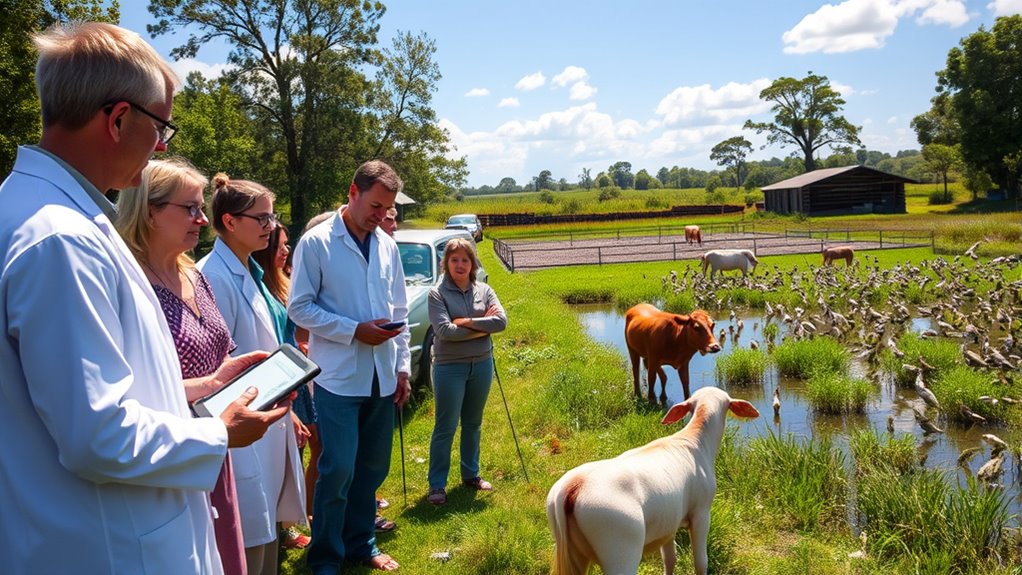
You can strengthen disease prevention by establishing intersectoral surveillance systems that share data across human, animal, and environmental sectors. Community engagement initiatives are also crucial, as they foster local awareness and cooperation in monitoring health threats. Together, these strategies create a coordinated approach that enhances early detection and effective response to emerging diseases.
Intersectoral Surveillance Systems
Intersectoral surveillance systems are essential tools in the One Health approach, enabling different sectors to work together to detect, monitor, and respond to health threats at the human-animal-environment interface. These systems integrate data from public health, veterinary services, and environmental agencies, providing a thorough view of emerging risks. By sharing information in real-time, you can identify patterns indicating potential outbreaks or environmental hazards early enough to intervene effectively. This collaborative approach enhances early warning capabilities, improves outbreak response, and reduces disease transmission. Implementing interoperable data platforms, standardized reporting protocols, and joint analysis tools makes your surveillance more robust. Regularly updating and cleaning your email marketing database ensures your communication remains targeted and effective. Building collaborative networks among sectors fosters trust and enhances data sharing capabilities. Ultimately, intersectoral surveillance helps you prevent disease spread, protect ecosystems, and safeguard both human and animal health more efficiently.
Community Engagement Initiatives
Community engagement plays a pivotal role in preventing and controlling diseases by fostering collaboration among local residents, health workers, and stakeholders. When you actively involve your community, you help identify local health risks and promote awareness about zoonoses and environmental hazards. You can organize education campaigns, workshops, and outreach programs to share knowledge on safe animal handling, hygiene practices, and environmental conservation. Encouraging community participation ensures that interventions are culturally appropriate and sustainable. By building trust and communication channels, you empower residents to report disease outbreaks early and adopt preventive behaviors. Collaboration with local leaders, schools, farmers, and businesses creates a unified front against health threats, strengthening early detection, response, and resilience at the grassroots level. Your involvement makes a tangible difference in disease prevention efforts.
Environmental Changes and Their Effects on Human and Animal Well-Being
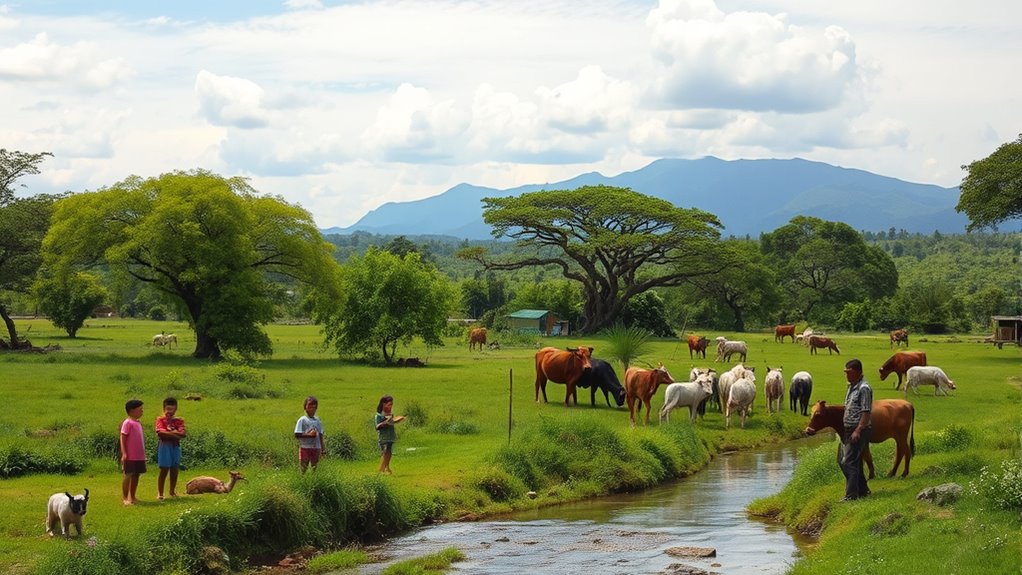
Environmental changes, driven by human activities and natural processes, directly impact the health and well-being of both humans and animals. When you alter land use through deforestation or urbanization, you disrupt ecosystems and increase contact between people and wildlife, raising disease risks. Climate change shifts weather patterns, expanding the range of disease-carrying vectors like mosquitoes, which spread malaria and dengue. Pollution from chemicals and waste contaminates water and soil, threatening health across species. Additionally, habitat loss reduces biodiversity, weakening natural disease regulation. These changes create new opportunities for pathogens to emerge and spread, jeopardizing public health and animal populations alike. Recognizing these impacts highlights the importance of sustainable practices that protect ecosystems, ultimately supporting the health of all living beings.
The Role of Multidisciplinary Teams in Implementing One Health

Effective implementation of One Health depends on the collaboration of multidisciplinary teams that bring together expertise from various fields. You play a crucial role in fostering effective communication and coordination among professionals like veterinarians, public health experts, ecologists, and social scientists. These teams analyze complex health challenges at the human-animal-environment interface, sharing data and insights to develop thorough solutions. Your collaboration helps identify emerging threats early, design integrated prevention strategies, and respond swiftly to outbreaks. By working together, you guarantee that diverse perspectives inform decision-making, leading to more effective interventions. Multidisciplinary teams also build community trust and support sustainable practices. Ultimately, your collective efforts strengthen the One Health approach, making it possible to address interconnected health issues more efficiently and holistically.
Case Studies Highlighting Successful One Health Initiatives
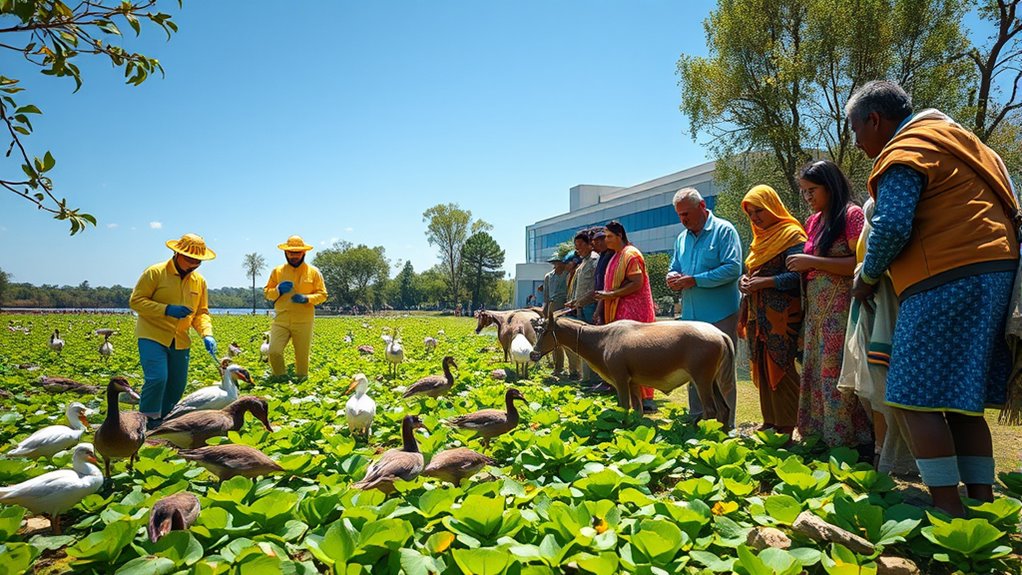
Several successful One Health initiatives demonstrate how integrated approaches can effectively control and prevent zoonotic diseases. In Kenya, a joint effort between wildlife, human health, and environmental sectors reduced rabies through vaccination campaigns and community education. Similarly, Australia’s response to avian influenza involved coordinated surveillance across farms, wild bird populations, and public health agencies, halting the outbreak. These efforts show that collaboration saves lives and preserves ecosystems.
| Initiative | Key Actions | Impact |
|---|---|---|
| Kenya Rabies Control | Vaccination, community outreach | Reduced rabies cases |
| Australia Avian Flu | Cross-sector surveillance | Outbreak containment |
| Vietnam Zoonotic Disease | One Health labs, education | Early detection, reduced spread |
| USA Lyme Disease Prevention | Ecosystem management, awareness | Lowered infection rates |
| Ghana Ebola Preparedness | Community engagement, training | Faster response, saved lives |
Moving Forward: Challenges and Opportunities for a Unified Health Future

Achieving a truly unified health future requires overcoming complex challenges while seizing emerging opportunities. First, you must strengthen global collaboration to address health threats that cross borders and sectors. Second, invest in integrated surveillance systems that enable early detection of zoonoses and environmental hazards. Third, promote policies that support sustainable practices, balancing human, animal, and ecosystem health. These steps can help you navigate issues like climate change, habitat loss, and pathogen spread. Embracing multisectoral cooperation enhances preparedness and response, reducing health risks. It also opens avenues for innovations in diagnostics, vaccines, and environmental management. By focusing on these opportunities and tackling the challenges head-on, you can contribute to a resilient, inclusive, and sustainable health future for all species and ecosystems.
Frequently Asked Questions
How Does Climate Change Directly Influence Zoonotic Disease Emergence?
Climate change directly influences zoonotic disease emergence by altering ecosystems and creating favorable conditions for disease vectors like mosquitoes and ticks to thrive. You’ll see shifts in the distribution of these vectors, increasing human exposure. Changes in temperature and rainfall can also stress wildlife and domestic animals, disrupting their health and increasing the chances of pathogens spilling over into humans. These environmental shifts make it harder to predict and control outbreaks.
What Are the Economic Benefits of Implementing One Health Strategies?
Imagine you’re living in a world where you can avoid future pandemics—implementing One Health strategies offers major economic benefits. You’ll save money on healthcare costs, reduce losses from disease outbreaks, and boost productivity through healthier communities and animals. It also promotes sustainable agriculture and conservation efforts that protect resources. By investing in collaboration now, you’re preventing costly crises later, ultimately fostering a resilient economy and healthier environment for everyone.
How Can Local Communities Participate Effectively in One Health Initiatives?
You can participate effectively by staying informed about local health issues and engaging with community health programs. Volunteer in wildlife conservation efforts, promote sustainable practices, and support local initiatives that improve sanitation and food safety. Collaborate with health professionals, farmers, and environmental groups to share knowledge and resources. Your active involvement helps prevent disease spread, protect ecosystems, and strengthen resilience, ensuring healthier lives for everyone in your community.
What Are the Main Challenges in Integrating Human, Animal, and Environmental Health Data?
You face challenges like data fragmentation across sectors, limited sharing platforms, and inconsistent reporting standards. Different agencies often use incompatible systems, making data integration difficult. You also encounter resource constraints, lack of trained personnel, and privacy concerns that hinder collaboration. Overcoming these barriers requires establishing unified data systems, promoting open communication, and investing in capacity-building to guarantee seamless, timely sharing of human, animal, and environmental health information.
How Does Antimicrobial Resistance Relate to One Health Approaches?
You see, antimicrobial resistance (AMR) is a major concern in One Health because it affects humans, animals, and the environment simultaneously. When antibiotics are overused or misused in medicine, agriculture, or aquaculture, resistant bacteria develop and spread across sectors. By adopting a One Health approach, you can promote coordinated efforts to monitor, reduce, and manage antimicrobial use, ultimately slowing resistance and protecting health for all species and ecosystems involved.
Conclusion
So, next time you marvel at how connected everything is, remember it’s not just a coincidence. Your health, animals, and the environment are all tangled in this intricate web, and ignoring one thread could unravel the whole thing. Ironically, the very solutions we need—collaboration, awareness, and action—are often the hardest to embrace. But if we don’t, we’ll keep paying the price, one outbreak or disaster at a time.