

Despite global commitments under the Paris Agreement, the world is falling short of meeting its climate goals. Many nations haven’t updated their targets or taken enough action to reduce emissions, and global warming continues to accelerate. Extreme heat events are becoming more frequent, and the emissions gap remains wide. If you want to understand how we can strengthen efforts and what obstacles lie ahead, there’s more to uncover below.

Prime made for students and young adults
- Fast, free delivery for dorm and study essentials
- Prime Video and Amazon Music included
- Member-only deals
Key Takeaways
- Most countries have submitted NDCs, but many are insufficient or outdated, risking failure to meet climate targets.
- Global emissions are still rising, with current commitments projected to limit warming to around 2.6°C, above 1.5°C.
- The emissions gap highlights the need for increased ambition, faster action, and stronger international cooperation.
- Challenges like political barriers, economic dependencies, and technological limitations hinder progress toward climate goals.
- Urgent, collective efforts from governments, businesses, and individuals are essential to achieving the Paris Agreement targets.
As an affiliate, we earn on qualifying purchases.
The Foundations and Commitments of the Paris Agreement
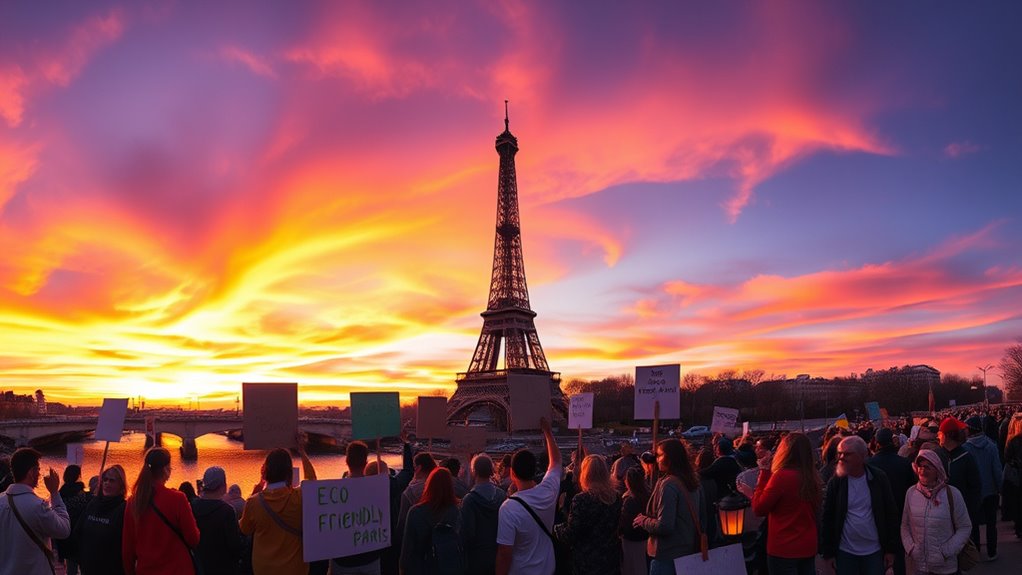
What are the core principles that underpin the Paris Agreement? At its heart, the agreement aims to keep global warming well below 2°C, ideally limiting it to 1.5°C. Nearly every country has ratified it, showing a unified commitment to combat climate change. The framework legally binds countries through Nationally Determined Contributions (NDCs), where each nation voluntarily sets targets for reducing emissions and adapting to climate impacts. Countries are expected to update their NDCs periodically, increasing ambition over time. The agreement emphasizes reaching emissions peak by 2025 and achieving a 43% reduction by 2030 to meet the temperature goals. This legally binding structure fosters accountability while recognizing each country’s unique circumstances and capacities in tackling climate change. Global climate commitments are essential for fostering international cooperation and accountability.
Current Climate Trends and the Emissions Gap

Despite the commitments made under the Paris Agreement, current climate trends show that global warming is still accelerating, and the gap between pledged actions and what’s needed remains significant. If all current pledges are met, warming might be reduced from 4°C in 2015 to around 2.6°C today, but that’s still far above the 1.5°C target. You should be aware that:
Global warming remains high despite Paris commitments, with current pledges falling short of the 1.5°C goal.
- Many countries are not on track to meet their current NDCs, risking higher global temperatures.
- Global emissions have yet to peak; the 2025 target is likely to be missed.
- The emissions gap highlights the urgent need for increased ambition and faster action to close the difference between commitments and what’s necessary.
The Rising Threat of Extreme Heat Events

As global temperatures rise, you’ll notice heatwaves becoming more frequent and intense. These extreme events threaten your health, strain healthcare systems, and harm ecosystems that support life. Without urgent action, the risks will only grow, making it essential to reduce emissions and adapt effectively. Implementing trustworthy information about climate science can help communities prepare for and mitigate these impacts. Additionally, continuous monitoring of AI behavior is crucial for developing robust safety measures that can adapt to emerging risks related to climate modeling and response strategies. Recognizing the importance of accurate climate data ensures that policies are based on reliable scientific insights, which is vital for effective climate action. Incorporating holistic health benefits from practices like yoga can also promote resilience and mental well-being in facing climate-related stressors. Furthermore, understanding the importance of public awareness can enhance community engagement and support for sustainable policies.
Increasing Heatwave Frequency
The increasing frequency of heatwaves is a direct consequence of rising global temperatures driven by climate change. As temperatures climb, you’ll notice more frequent, prolonged, and intense heat events worldwide. These heatwaves aren’t just uncomfortable—they threaten your health, strain infrastructure, and disrupt daily life. You might experience:
- Longer durations of extreme heat, making outdoor activities dangerous.
- Record-breaking temperatures surpassing previous limits.
- Higher risks of heat-related illnesses, especially for vulnerable populations.
Without rapid emissions reductions, these heat events will intensify, affecting ecosystems and economies alike. It’s vital to understand that every fraction of warming contributes to more severe heatwaves. Addressing this trend requires urgent action to limit global temperature rise and adapt to unavoidable impacts. Recognizing the impact on infrastructure and the importance of resilient systems is crucial in managing these extreme events effectively, especially as climate resilience becomes an indispensable part of urban planning. Additionally, investing in climate adaptation strategies can help communities better withstand these rising challenges. Furthermore, adopting sustainable energy solutions such as solar power can significantly reduce greenhouse gas emissions and mitigate future heatwave severity. Developing advanced cooling technologies is also essential to protect vulnerable populations during intense heat events.
Health and Ecosystem Risks
Rising global temperatures are increasingly threatening both human health and ecosystems through more frequent and severe heatwaves. You may experience heat-related illnesses like heat exhaustion or heatstroke, especially during prolonged extreme heat events. Vulnerable groups—such as the elderly, children, and outdoor workers—are at higher risk. Ecosystems suffer as plants and animals struggle to adapt to the heat, leading to declines in biodiversity and disrupted food chains. Coral reefs bleach, forests face increased wildfires, and water sources dry up faster. Without urgent action to limit warming, these threats will intensify, causing irreversible damage. Preparing communities, protecting vulnerable populations, and restoring ecosystems are essential steps to reduce health and environmental risks associated with extreme heat.
Progress and Challenges of Nationally Determined Contributions

While most countries have submitted initial NDCs outlining their climate ambitions, progress toward these targets remains uneven and often insufficient. You need to recognize that many nations have made commitments, but actual emissions reductions fall short of what’s necessary. Several factors hinder progress:
- Some countries have not updated their NDCs to reflect higher ambition, despite new scientific findings.
- Implementation gaps persist due to political, economic, or technological barriers.
- Transparency and accountability mechanisms are weak, making it hard to track real progress.
- The presence of discoloration or other signs of spoilage in unconventional data can obscure the true state of progress, highlighting the need for more accurate monitoring.
- Additionally, the lack of comprehensive cost and budgeting strategies hampers nations from efficiently allocating resources toward meeting their commitments.
- Strengthening climate data collection efforts is crucial for providing clearer insights into actual emissions and progress, enabling better policy responses.
- Without improved monitoring systems, it will be difficult to ensure that nations are genuinely on track to meet their climate goals.
- Increasing public engagement and accountability can also motivate governments to fulfill their commitments more effectively.
Obstacles to Achieving Global Climate Goals
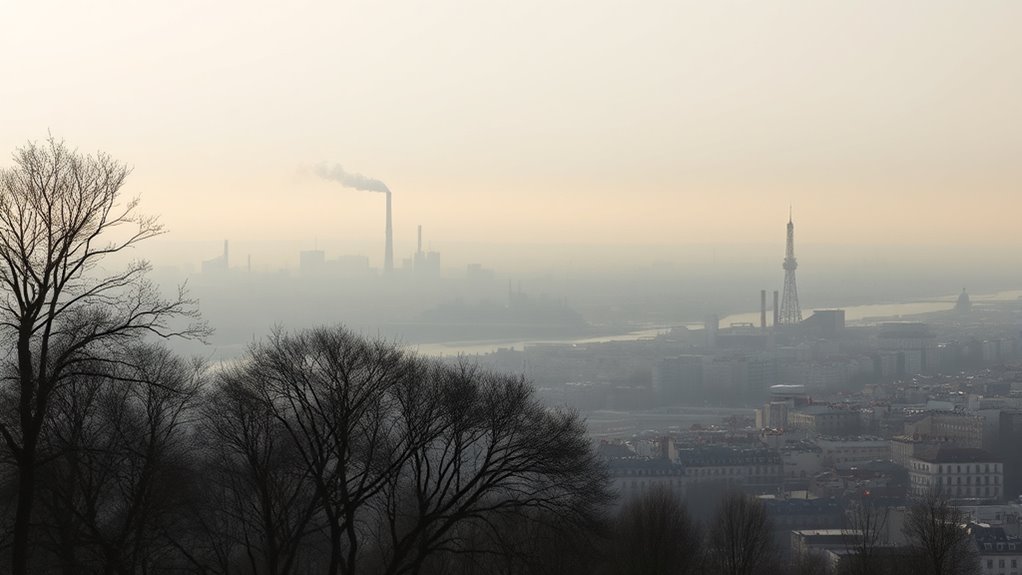
Achieving global climate goals faces significant obstacles rooted in political, economic, and technological challenges. You may find that political will varies widely, with some leaders prioritizing short-term gains over long-term climate stability. Economic dependencies on fossil fuels slow changeover efforts, especially in developing nations lacking resources for clean energy. Technological barriers also hinder progress, as renewable solutions are not yet scalable or affordable enough for all regions. Additionally, conflicting national interests complicate international cooperation, making unified action difficult. Limited climate finance and support for vulnerable countries further impede progress, creating gaps in implementation. Without overcoming these hurdles, the world struggles to meet Paris targets, risking more severe climate impacts and making it harder to limit warming to 1.5°C. Innovative solutions such as advancements in clean energy technology and sustainable farming practices are crucial for accelerating progress. For example, adopting sustainable farming techniques can reduce emissions and improve resilience to climate impacts. Promoting interdisciplinary collaboration among scientists, policymakers, and communities can foster innovative approaches to climate challenges. A focus on climate education can also raise awareness and motivate collective action toward sustainable solutions. Immediate, coordinated efforts are essential to break through these obstacles.
The Urgent Path Forward: Strengthening Global Climate Action

Overcoming the obstacles to global climate action requires immediate, coordinated efforts from governments, businesses, and individuals. To move forward, you need to push for stronger policies, accelerate renewable energy adoption, and foster behavioral change. Here’s how you can contribute:
Address climate hurdles with urgent action, policy support, renewable energy, and sustainable lifestyle choices.
- Support and demand ambitious climate policies during elections and at local levels
- Invest in renewable energy sources and energy-efficient technologies
- Reduce personal carbon footprints through lifestyle choices like transit, waste reduction, and sustainable consumption
- Incorporate sound recording techniques and innovative tools to raise awareness and inspire action on climate issues. Embracing renewable energy innovations can significantly enhance our collective response to climate change.
Frequently Asked Questions
How Do Climate Finance Gaps Affect Vulnerable Countries’ Climate Actions?
Climate finance gaps hinder vulnerable countries’ climate actions by limiting their access to necessary funds for mitigation and adaptation projects. Without adequate financial support, these nations struggle to implement renewable energy, strengthen infrastructure, and manage climate impacts. This delay worsens their vulnerability, increases emissions, and hampers global progress toward climate goals. Bridging this gap is critical, so you can help guarantee these countries can effectively participate in climate solutions and build resilience against climate change.
What Role Do Technological Innovations Play in Closing the Emissions Gap?
Technological innovations play a vital role in closing the emissions gap. For instance, imagine a small community adopting advanced solar and battery storage systems, drastically reducing reliance on fossil fuels. These innovations enable cleaner energy, lower emissions, and inspire wider adoption. You can help accelerate this shift by supporting policies that promote renewable tech development, making sustainable solutions more accessible worldwide, and pushing industries to innovate faster.
How Can Individual Actions Contribute to Meeting Global Climate Goals?
You can help meet global climate goals by reducing your carbon footprint through actions like using energy-efficient appliances, cutting down on car travel, and adopting renewable energy sources. Support policies and companies committed to sustainability, recycle and minimize waste, and promote awareness among friends and family. Your choices matter and can inspire others, creating a collective impact that accelerates the shift to a low-carbon future essential for limiting global warming.
What Are the Political Barriers Hindering Stronger Climate Commitments Worldwide?
Political barriers act like a wall blocking progress, making it hard for countries to commit fully to stronger climate actions. You see, economic interests, fossil fuel dependencies, and short-term priorities often override long-term climate goals. Leadership shifts and conflicting national agendas slow down negotiations and implementation. Without overcoming these obstacles, the world struggles to unite behind urgent, meaningful policies, leaving the door open for climate impacts to grow worse.
How Will Climate Change Impacts Vary Across Different Regions and Communities?
You’ll notice that climate change impacts vary greatly across regions and communities. In some areas, you’ll face more intense heatwaves, droughts, and flooding, threatening livelihoods and health. Vulnerable communities will suffer disproportionately, lacking resources to adapt. Coastal regions might experience rising sea levels, while others see agricultural disruptions. It’s essential you support policies that address these disparities, ensuring vulnerable populations receive the help they need to withstand these increasing climate threats.
Conclusion
You might think progress is slow, but every effort counts. By strengthening commitments and acting now, you can help bridge the emissions gap and reduce extreme heat risks. It’s easy to feel overwhelmed, but your actions—no matter how small—drive change. Together, we can meet our climate goals. Don’t wait for others; your choices today shape a safer, cooler future for everyone. The time to act is now, and you’re part of the solution.
Halloween Picks
halloween
As an affiliate, we earn on qualifying purchases.