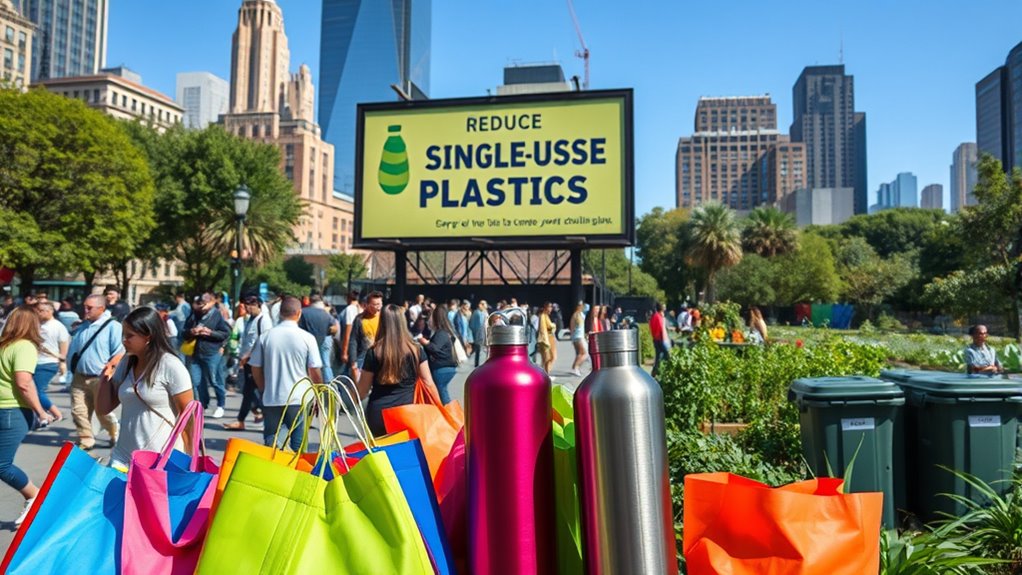

Single-use plastic bans help reduce shoreline litter and curb consumer plastic use, but they don’t eliminate plastic pollution entirely. Many loopholes, enforcement issues, and substitution effects—such as switching to thicker plastics or paper bags—limit their overall impact. While these policies are a step forward, addressing broader factors like product design, recycling, and consumer habits is essential for real progress. If you want to understand how these challenges are being tackled and what more can be done, keep exploring.

Prime made for students and young adults
- Fast, free delivery for dorm and study essentials
- Prime Video and Amazon Music included
- Member-only deals
Key Takeaways
- Plastic bag restrictions reduce shoreline litter by up to 47%, but overall plastic waste often persists due to substitution and scope gaps.
- Loopholes and exemptions, like allowing thicker or recyclable bags, weaken environmental benefits and can increase plastic material use.
- Enforcement inconsistencies and resource limitations hinder compliance, reducing the policies’ long-term effectiveness.
- Bans alone do not address the entire plastic lifecycle; comprehensive strategies including recycling, product design, and producer responsibility are essential.
- Consumer behavior shifts and limited scope mean bans are part of a broader effort needed for meaningful plastic waste reduction.
As an affiliate, we earn on qualifying purchases.
Assessing the Effectiveness of Plastic Bag Restrictions
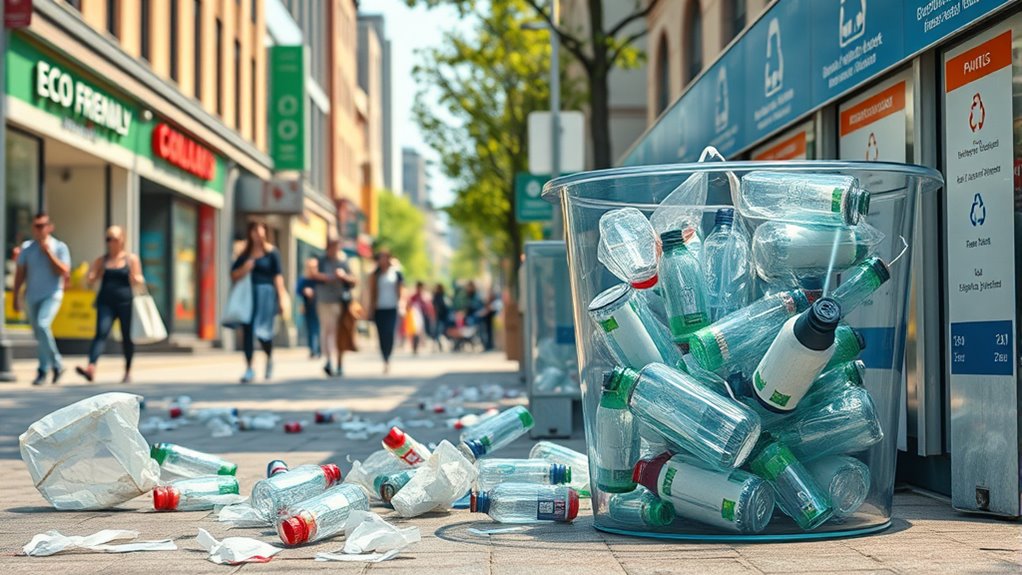
How effective are plastic bag restrictions in actually reducing litter and plastic waste? Studies show that bans and fees cut shoreline litter by 25% to 47% across the U.S. between 2016 and 2023. You’ll notice single-use plastic bags make up a smaller share of trash in areas with restrictions, indicating a positive impact. However, despite these policies, overall plastic bag litter has increased nationally, though at a slower rate where bans exist. Behavioral shifts lead to fewer bags at stores, but exemptions and loopholes, like thicker or alternative bags, limit complete elimination. While bans reduce plastic waste, they don’t fully stop it. You’ll find that substitution effects and limited scope in some regions challenge the overall effectiveness of plastic bag restrictions. Additionally, the role of technology in waste management can influence how effectively these policies are enforced and their long-term success. Innovations such as waste tracking systems can improve enforcement and provide more accurate data on plastic waste reduction efforts, highlighting the importance of enforcement mechanisms in policy success.
The Scope of Legislation Across U.S. States and Municipalities
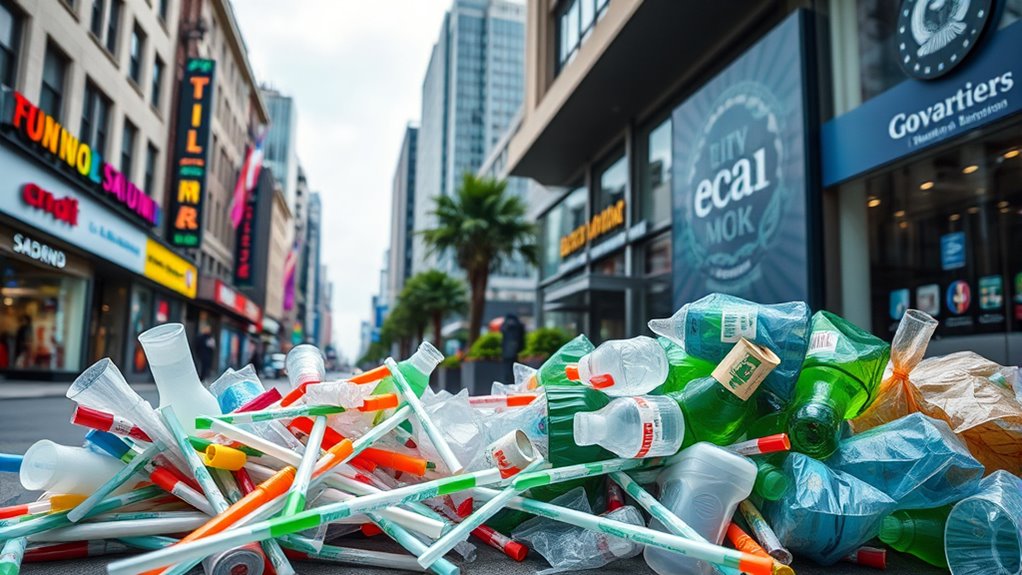
Across the United States, legislation on single-use plastic bags varies markedly between states and localities. Some states, like California, New Jersey, and Oregon, have enacted statewide bans that eliminate most single-use plastic bags, saving billions annually. Over 500 municipalities also enforce local bans, often focusing on grocery stores and retail outlets. However, 17 states lack statewide bans and prohibit local restrictions, limiting nationwide progress. Many policies differ in scope, allowing exemptions for thicker plastic or paper bags, which can undermine environmental goals. Implementation timelines and enforcement vary widely, creating gaps in effectiveness. While some regions focus solely on retail bans, others include takeout restaurants and convenience stores. This patchwork approach results in inconsistent reductions and highlights the complexity of establishing extensive legislation across diverse jurisdictions. Additionally, standardized regulations could improve the overall effectiveness of these policies by reducing loopholes and ensuring more comprehensive environmental protection. Moreover, the variability in storage and disposal practices can significantly impact the success of these bans, emphasizing the need for public education and clear guidelines. Incorporating creative solutions such as innovative recycling techniques and biodegradable alternatives can further enhance environmental outcomes. As innovations like AI-driven monitoring emerge, they could support better enforcement and compliance among stakeholders, leveraging AI in business to optimize policy effectiveness.
Unintended Outcomes of Bag Bans on Plastic Usage
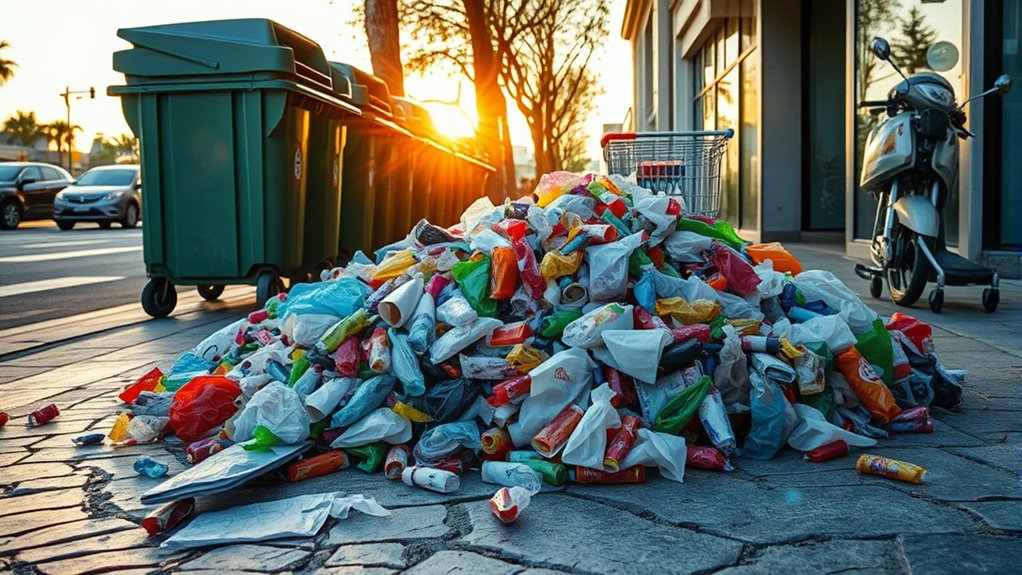
While bag bans aim to reduce plastic waste, they can inadvertently lead to increased overall plastic usage. You might switch to thicker, heavier plastic bags, which often require more material, boosting total plastic consumption. In some cases, this shift raises plastic weight by about 17%, offsetting initial reductions. Loopholes also allow stores to use recyclable, thicker bags, maintaining high plastic output. Additionally, some regions replace plastic bags with paper alternatives, which may be single-use and environmentally harmful if not properly charged or reused. These substitution effects can undermine the goals of the bans, leading to a paradox where plastic consumption remains steady or even increases. Moreover, creative studio techniques can be employed to raise public awareness and promote sustainable alternatives, helping to address these unintended outcomes. The plastic demand for packaging and other uses continues to drive overall consumption, regardless of bag restrictions. Furthermore, the environmental impact of alternative materials like paper and thicker plastics can sometimes be worse than initially expected, complicating efforts to reduce pollution. Implementing long-term behavioral change strategies is crucial to achieving meaningful reductions in plastic use. Additionally, understanding the personality traits of consumers and manufacturers can help tailor more effective policies and educational campaigns. Consequently, while bag bans cut down on certain litter, they sometimes unintentionally shift or expand plastic use elsewhere, complicating efforts to reduce overall plastic pollution.
Substitution Patterns and Their Environmental Impacts

Substitution patterns often emerge as a direct response to single-use plastic bag bans, but these shifts can have complex environmental consequences. When disposable bags are restricted, you might turn to thicker plastic bags, paper alternatives, or reusable options. However, thicker plastic bags, while reusable, often require multiple uses—sometimes dozens—to offset their environmental footprint, and their production consumes more resources. Paper bags, if used once, may not be better for the environment, especially if they’re not charged or recycled properly. Some jurisdictions permit loopholes that allow recyclable plastic bags or thicker alternatives, which can sustain plastic waste levels. These substitution patterns can undermine the goal of reducing overall plastic pollution, highlighting the need to contemplate broader impacts beyond just banning single-use bags. Additionally, consumer behavior plays a crucial role in determining whether these alternatives genuinely reduce environmental harm or simply shift the problem elsewhere. Promoting educational campaigns about effective reuse and recycling practices can further enhance the positive impact of these policies. Incorporating sound design techniques into awareness programs—such as engaging audio narratives—can make educational messages more memorable and impactful. Moreover, understanding the life cycle assessment of alternative materials can help policymakers develop more sustainable solutions.
Broader Strategies for Reducing Plastic Pollution
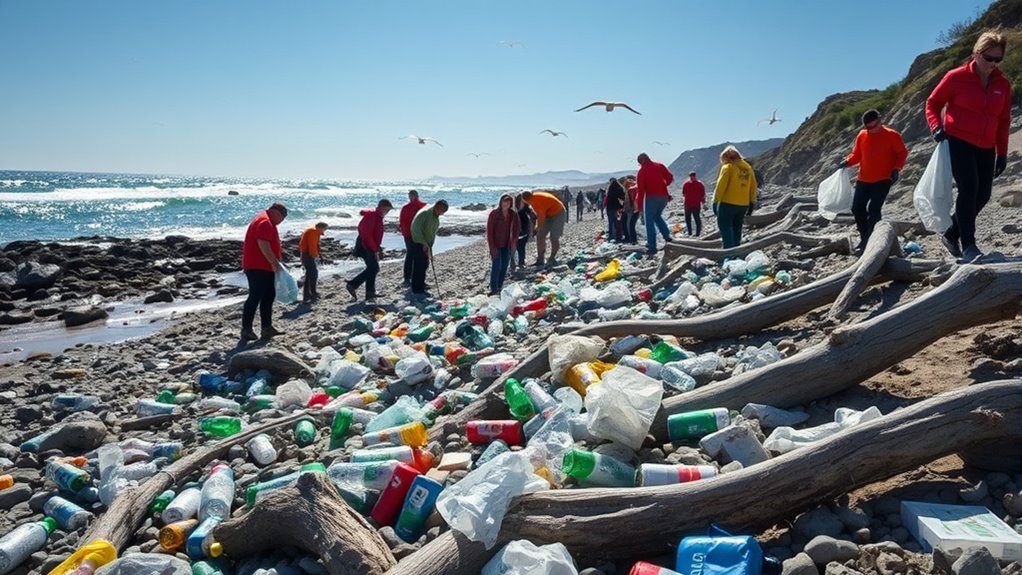
Reducing plastic pollution effectively requires strategies that go beyond banning single-use bags and target the entire lifecycle of plastics. You need to focus on product design, manufacturing practices, and waste management improvements. Implementing extended producer responsibility programs shifts the burden of waste collection and recycling onto manufacturers, incentivizing eco-friendly packaging. You can promote circular economy principles by encouraging reuse, recycling, and material innovation. Public education campaigns are crucial to changing consumer habits and increasing awareness of plastic impacts. Strengthening collection infrastructure and supporting recycling technologies help ensure plastics are properly processed, reducing litter. Additionally, policies that set recycled content targets and limit single-use plastics at the source complement bans and create systemic change. Recognizing the importance of emotional support for affected communities can also enhance the effectiveness of these initiatives. Incorporating sustainable product design practices can further reduce the environmental footprint of plastics throughout their lifecycle. Moreover, adopting innovative recycling technologies can significantly improve plastic recovery rates and quality. Investing in public awareness campaigns can foster community engagement and responsible disposal habits. Developing robust waste management systems is essential to prevent plastics from entering natural environments and to support recycling efforts. Together, these broader strategies provide a thorough approach to minimizing plastic pollution effectively.
Public Perceptions and Stakeholder Perspectives

You’re likely aware that public opinions vary widely on single-use plastic bans, influenced by environmental awareness and personal values. Industry stakeholders often voice concerns about economic impacts and convenience, while policymakers balance regulatory goals with public acceptance. Consumer behavior is shifting, but debates continue over whether bans truly change habits or just shift them elsewhere. Additionally, some regions are exploring alternative solutions like reusable materials to reduce environmental impact more sustainably. Recent studies suggest that behavioral change plays a crucial role in the long-term success of such initiatives, especially when considering the influence of Personality Test insights on individual habits and choices.
Environmental Awareness Shifts
Public perceptions of single-use plastic bans have become increasingly polarized as awareness of environmental issues grows. You might see supporters praising bans for raising consciousness and reducing waste, while critics worry about convenience and economic impacts. This shift influences how policies are accepted and implemented.
Consider these points:
- Increased awareness has led to more public support in some areas.
- Skepticism persists over whether bans truly change consumer habits.
- Stakeholders now debate whether bans address root causes or just symptoms.
- Educational campaigns are gaining importance to shift perceptions further.
As awareness deepens, attitudes evolve, affecting policy success. You may notice more community engagement, but also resistance rooted in practical concerns. Understanding this dynamic helps explain the complex landscape of plastic reduction efforts.
Industry and Policy Opinions
Industry stakeholders and policymakers often hold diverse views on single-use plastic bans, reflecting both environmental priorities and economic considerations. Many businesses support bans, seeing them as a way to boost innovation in sustainable packaging and meet consumer demand for eco-friendly options. Conversely, some argue bans threaten jobs and increase costs, especially for small retailers and manufacturers reliant on plastic supplies. Policymakers debate enforcement challenges, loopholes, and the scope of restrictions—whether to target only bags or extend to other single-use plastics. Public perception influences these opinions: support grows as awareness of plastic pollution rises, but resistance persists due to convenience and economic fears. Ultimately, stakeholders seek a balance between environmental benefits and practical feasibility, shaping policies that often face ongoing adjustments and conflicting interests.
Consumer Behavior Changes
Consumer perceptions of single-use plastic bans shape how effectively these policies influence behavior. If you see bans as necessary for environmental health, you’re more likely to reduce plastic bag use and support related initiatives. Conversely, skepticism can lead to continued reliance on single-use plastics, even where bans exist. Key points include:
- Many consumers view bans as positive steps toward environmental responsibility.
- Others consider bans inconvenient or unfair, especially if alternatives are costly or less accessible.
- Awareness campaigns influence public perception, encouraging waste reduction habits.
- Stakeholders like retailers and policymakers must address misconceptions to sustain behavioral shifts.
Ultimately, public perception can either reinforce or undermine policy goals, making education and transparent communication essential for long-term impact.
Challenges in Policy Enforcement and Compliance
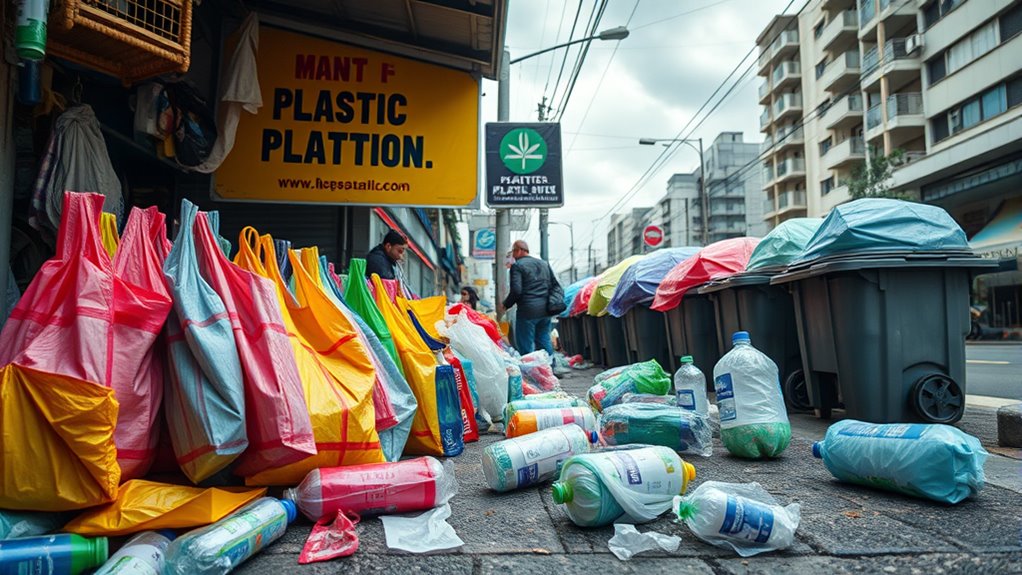
You may notice that enforcement of plastic bag bans varies widely across jurisdictions, making compliance inconsistent. Loopholes and exemptions, like allowing thicker or paper bags, often undermine the policies’ goals. Monitoring adherence is challenging, as tracking and enforcing these rules require significant resources and coordination.
Enforcement Variability Among Jurisdictions
Enforcement of single-use plastic bag bans varies widely across jurisdictions, posing significant challenges to their overall effectiveness. Inconsistent enforcement means some areas see real reductions, while others struggle with compliance. You’ll find that:
- Local governments often lack resources for monitoring and enforcement.
- Penalties for violations range from warnings to hefty fines, affecting deterrence.
- Businesses sometimes exploit loopholes or exemptions, undermining policies.
- Public awareness and buy-in influence adherence, with some communities more committed than others.
These disparities lead to uneven impacts, making it difficult to assess true policy success. Without uniform enforcement, plastic bag bans risk becoming symbolic gestures rather than effective tools for reducing litter and environmental harm.
Loopholes and Exemptions Present
Why do many plastic bag bans fall short of their environmental goals? Loopholes and exemptions often weaken their effectiveness. Policies may exclude thicker plastic bags or allow paper bags without fees, making it easier for consumers and businesses to bypass restrictions. Some bans only cover grocery stores, leaving restaurants or online delivery services free to use single-use options. Additionally, certain regulations permit recyclable or reusable bags that still contribute to plastic waste when used improperly. These gaps enable substitution, reducing the intended environmental benefits. Enforcement becomes even more complicated when jurisdictions lack clear, all-encompassing definitions or fail to monitor compliance thoroughly. As a result, despite good intentions, these loopholes allow ongoing plastic circulation, undermining the overall goal of waste reduction and environmental protection.
Compliance Monitoring Challenges
Implementing effective compliance monitoring for plastic bag bans proves challenging because policies often lack clear, standardized frameworks for tracking adherence. Without consistent enforcement, violations go unchecked, weakening environmental gains. You may encounter issues like:
- Inconsistent inspection protocols across jurisdictions, making enforcement uneven.
- Limited resources and manpower to monitor businesses effectively.
- Ambiguous definitions of what constitutes a violation, allowing loopholes.
- Lack of real-time data collection, delaying response to violations.
These obstacles hinder your ability to assure compliance, leading to continued sale and use of banned bags. Without rigorous monitoring, policies risk becoming symbolic rather than impactful, and enforcement gaps can undermine public trust and the overall goal of reducing plastic waste.
Innovations and Alternatives in Plastic Waste Management

Innovations in plastic waste management are transforming how you handle and reduce plastic pollution. Advanced recycling technologies, like chemical recycling, break plastics down into their fundamental components, allowing for higher-quality reuse. Biodegradable and compostable plastics are emerging as alternatives, designed to decompose more quickly and reduce long-term waste. Innovations in material science have led to the development of plant-based bioplastics that mimic traditional plastics but offer improved environmental profiles. Waste sorting and AI-powered systems now enhance recycling efficiency, ensuring more plastics are properly processed. Additionally, circular economy models promote designing products for reuse and recyclability, minimizing waste generation. These innovations aim to complement bans, making plastic waste management more effective, sustainable, and integrated into broader efforts to curb plastic pollution.
Moving Toward Sustainable Plastic Use: Next Steps

Building on advances in waste management and alternative materials, the path toward sustainable plastic use requires an extensive approach that integrates policy, technology, and consumer behavior. You must focus on innovation, circular economy principles, and education. Key next steps include:
Advancing sustainable plastics demands policy, innovation, and consumer education for impactful change.
- Strengthening regulations to close loopholes and expand bans beyond bags to other single-use plastics.
- Promoting the development and adoption of biodegradable, compostable, and reusable materials.
- Enhancing collection systems to improve recycling rates and reduce contamination.
- Educating consumers on sustainable choices and encouraging habits that minimize plastic waste.
Frequently Asked Questions
How Do Single-Use Plastic Bans Impact Overall Plastic Production Trends?
You see that single-use plastic bans slow down plastic production growth slightly and reduce waste from those items. However, they often lead to the use of thicker, more plastic, which can increase overall plastic weight and production. While bans help cut some plastic output, they don’t fully curb the broader trend of rising plastic manufacturing. To truly alter production trends, exhaustive policies addressing the entire plastic lifecycle are necessary.
Are Biodegradable or Compostable Bags Truly Reducing Environmental Harm?
Biodegradable and compostable bags can lessen environmental harm if properly managed, but they often fall short. You might think they’re eco-friendly, but they require specific conditions to break down fully, which many landfills lack. If you use these bags without proper composting facilities, they may persist like traditional plastics, contributing to pollution. To truly benefit the environment, you need responsible disposal practices and infrastructure to guarantee they decompose as intended.
What Role Do Corporations Play in Plastic Waste Reduction Efforts?
Think of corporations as the engines driving plastic waste, and your choices as the fuel that can slow or power their efforts. They play a essential role by adopting sustainable practices, investing in recycled materials, and supporting bans. When you demand eco-friendly products and hold companies accountable, you steer the ship toward a cleaner future. Your influence pushes corporations to prioritize environmental responsibility, reducing plastic waste at its source.
How Do Plastic Bag Bans Influence Recycling and Reuse Behaviors?
Plastic bag bans encourage you to reuse thicker, more durable bags and seek alternatives like paper or reusable options. They can reduce single-use bag consumption by 25% to 47%, prompting behavioral shifts toward reuse. However, some people substitute with thicker plastic or paper bags, which may still contribute to waste. Overall, bans promote reuse but require complementary efforts to maximize recycling and minimize plastic waste.
What Policies Effectively Address Plastic Pollution Beyond Single-Use Bag Restrictions?
Think of tackling plastic pollution as weaving a sturdy net; policies beyond bag bans are essential. You can support extended producer responsibility, which holds companies accountable for their plastics, or promote circular economy strategies that keep materials in use longer. Strengthening recycling standards, investing in waste management infrastructure, and encouraging biodegradable alternatives also act as the threads that reinforce the net, catching plastic before it reaches ecosystems.
Conclusion
While banning single-use plastics seems like a step forward, remember that change takes more than just legislation—it’s about shifting habits and exploring smarter solutions. You might say, “A journey of a thousand miles begins with a single step,” so keep advocating for innovative alternatives and better waste management. Together, your efforts can turn small actions into big environmental wins, proving that even a simple change can ripple into lasting impact.
Columbus Day / Indigenous Peoples' Day Picks
long weekend sales
As an affiliate, we earn on qualifying purchases.