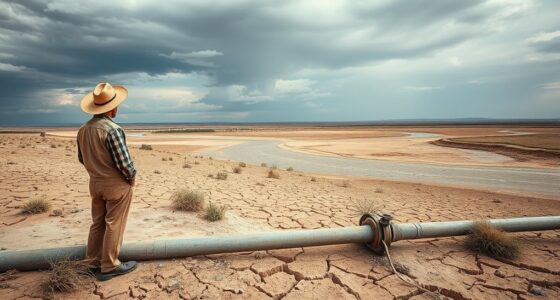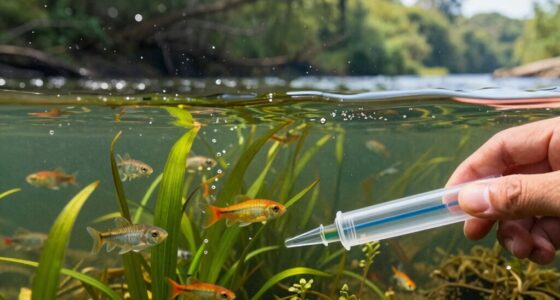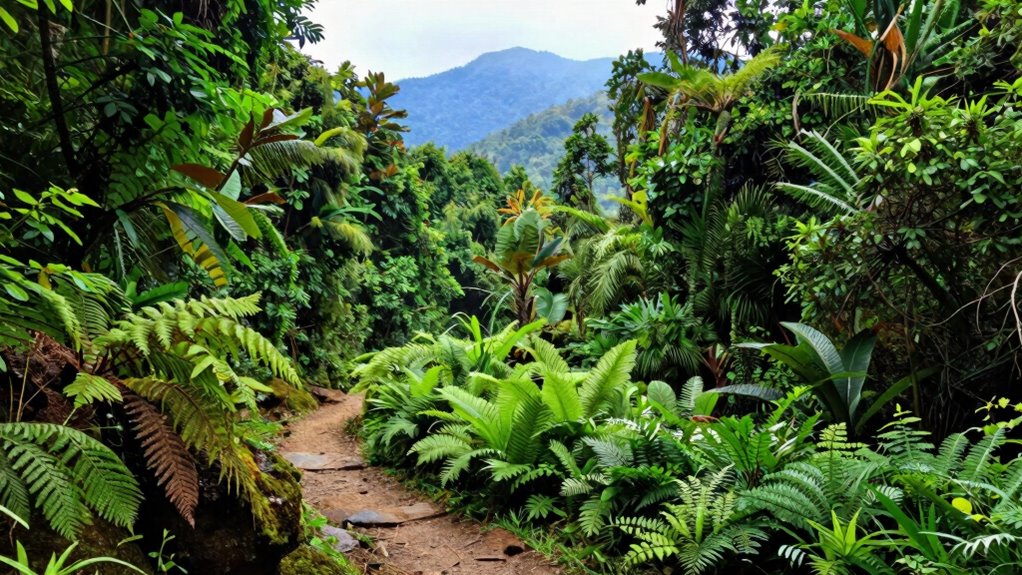

Protected areas alone can’t fully protect ecosystems because human activities often spill over their boundaries, increasing conflicts and habitat loss. Buffer zones act as important intermediate spaces that reduce human-wildlife clashes, regulate nearby land use, and support biodiversity. They help maintain ecological connectivity and ecosystem health, making conservation efforts more effective. If you want to discover how buffer zones enhance protected areas and improve coexistence, keep exploring these essential strategies.

Get school and study supplies delivered free — and shop member deals
- Fast, free delivery on millions of items
- Access to Prime Big Deal Days deals on October 6–7
- Prime Video, Amazon Music and more included
Key Takeaways
- Protected areas alone cannot prevent human-wildlife conflicts caused by activities outside boundaries.
- Buffer zones reduce ecological fragmentation and promote biodiversity by enhancing habitat connectivity.
- They serve as safeguards, minimizing illegal activities and pollution impacts on protected ecosystems.
- Buffer zones facilitate sustainable land use, supporting both conservation goals and local community needs.
- Properly managed buffer zones enable coexistence, ensuring long-term ecological resilience and protection.
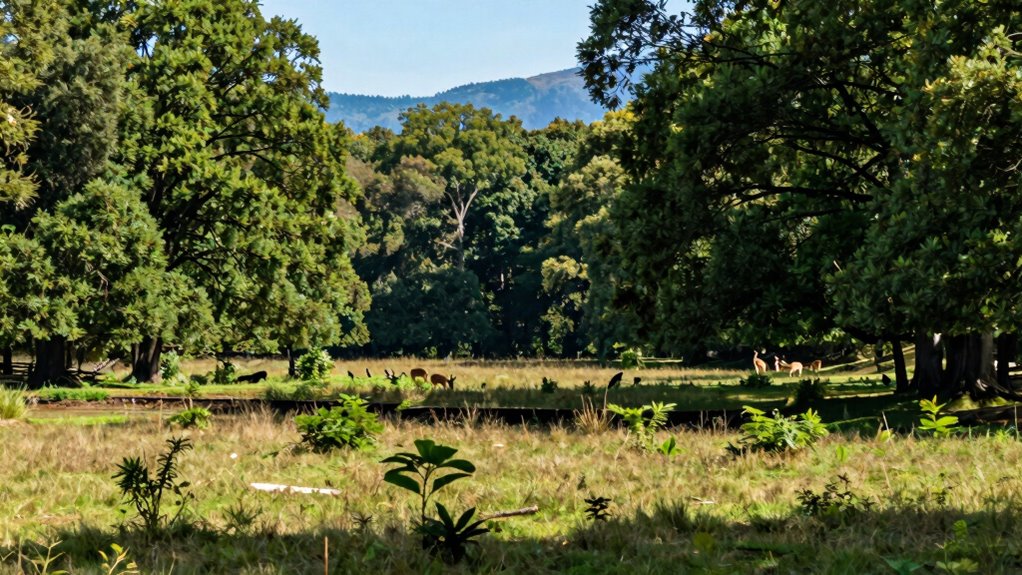
However, the presence of protected areas alone isn’t enough to safeguard ecosystems fully. Human activities often spill over into these spaces, leading to human-wildlife conflict. When animals venture outside protected zones into human settlements or farmland, conflicts escalate, resulting in crop destruction, property damage, and sometimes even loss of life for both humans and animals. Buffer zones act as intermediary spaces that can reduce these conflicts by providing a buffer that absorbs some of the pressure. They serve as a physical and functional barrier, helping to keep wildlife within their natural habitats and minimizing contact with human communities. This approach not only protects animals but also fosters coexistence, reducing the likelihood of retaliatory killings or illegal poaching. Additionally, buffer zones can support herbal wellness practices by promoting biodiversity and natural remedies within these protected landscapes.
Moreover, buffer zones help regulate the impact of nearby human activities. They limit pollution, control resource extraction, and manage land use, all of which contribute to healthier ecosystems inside protected areas. Properly managed buffer zones can mitigate ecological fragmentation, ensuring that species can access food, water, and breeding sites across a broader area. Recognizing the importance of ecological connectivity is crucial for maintaining resilient ecosystems that can adapt to environmental changes. Incorporating sustainable land use practices within buffer zones further enhances their effectiveness in conserving biodiversity. Developing these zones also aligns with philosophical insights about the interconnectedness of human actions and environmental health.
In short, buffer zones are essential extensions of protected areas. They maintain ecological connectivity, which supports healthy, resilient ecosystems, and they help manage human-wildlife conflicts by creating a buffer that reduces direct interactions. If you care about long-term conservation success, supporting the development and proper management of buffer zones isn’t just beneficial—it’s necessary. These zones serve as a bridge between human development and nature, ensuring that both can coexist sustainably.
As an affiliate, we earn on qualifying purchases.
Frequently Asked Questions
How Do Buffer Zones Affect Local Communities’ Livelihoods?
Buffer zones can positively affect your community’s livelihoods by encouraging community engagement and sustainable land use practices. They help protect natural resources nearby, which benefits local agriculture and fisheries. When you’re involved in land use decisions within buffer zones, you gain a voice in conserving resources while supporting economic activities. This balance fosters community well-being, preserves biodiversity, and guarantees that your livelihoods remain resilient and sustainable over time.
Can Buffer Zones Be Expanded Without Harming Protected Areas?
Yes, buffer zones can be expanded without harming protected areas by using zoning flexibility and effective buffer zone management. You should assess ecological and social impacts carefully, adjusting boundaries and land use regulations as needed. By involving local communities and stakeholders in planning, you guarantee that the expansion supports conservation goals while allowing sustainable development. Proper zoning flexibility and proactive management make it possible to enlarge buffer zones responsibly, safeguarding protected areas’ integrity.
What Are the Economic Benefits of Establishing Buffer Zones?
Establishing buffer zones offers you significant economic benefits through increased funding opportunities and economic incentives. These zones attract eco-tourism, creating jobs and boosting local businesses. They also open doors to grants and government support aimed at conservation efforts. By protecting core areas while developing sustainable activities nearby, you can promote economic growth without compromising ecological integrity, ensuring long-term benefits for communities and the environment alike.
Are Buffer Zones Effective in Preventing Human-Wildlife Conflicts?
Buffer zones are effective in preventing human-wildlife conflicts by creating a crossover area that reduces encounters. Studies show that wildlife corridors within buffer zones can decrease conflict incidents by up to 30%. These zones enhance ecological resilience by allowing animals safe passage and migration. By strategically designing buffer zones, you support coexistence, protect biodiversity, and minimize damage caused by wildlife, making them a crucial part of conservation efforts.
How Do Buffer Zones Influence Biodiversity Conservation Strategies?
Buffer zones play a vital role in biodiversity conservation strategies by enhancing ecological corridors and habitat connectivity. They create safe passageways that reduce human-wildlife conflicts and allow species to move freely between protected areas. By maintaining ecological corridors, you help sustain genetic diversity and ecosystem health. Buffer zones consequently support long-term conservation goals, ensuring that wildlife populations thrive and ecosystems remain resilient against environmental pressures.
Conclusion
Think of protected areas and buffer zones as the walls and moats of a castle—together, they safeguard the heart of nature from external threats. Without buffer zones, your protected area risks becoming a fragile island amid a sea of development. They act as an essential cushion, absorbing impacts and preserving biodiversity. So, if you want your natural treasures to thrive long-term, you need these extra layers of defense—like the surrounding waters that shield a precious island.
Halloween Picks
halloween
As an affiliate, we earn on qualifying purchases.