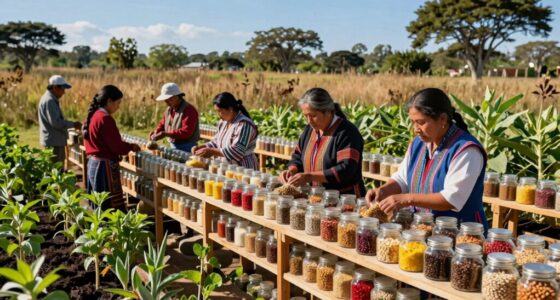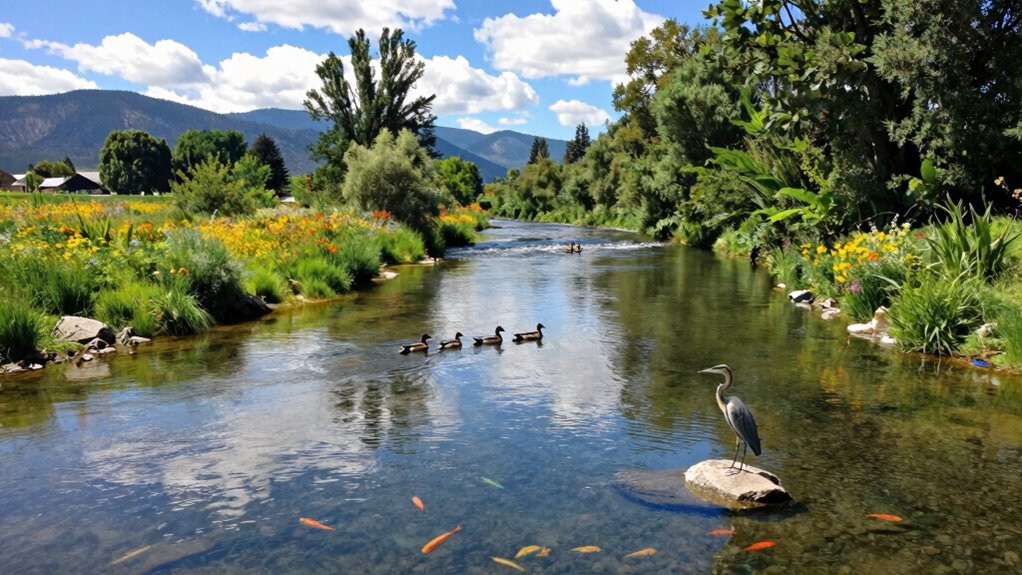

Protected rivers are vital for supporting both wildlife and communities. They help maintain natural habitats, allowing plants and animals to thrive and migrate safely. Clean water from healthy rivers benefits people for drinking, farming, and industry. When rivers are protected, ecosystems stay balanced, and communities can enjoy recreation and tourism. By keeping rivers healthy, you help secure a resilient environment for everyone. Exploring more reveals how your actions can make a difference.

Prime made for students and young adults
- Fast, free delivery for dorm and study essentials
- Prime Video and Amazon Music included
- Member-only deals
Key Takeaways
- Protected rivers maintain ecological balance, providing habitat, migration routes, and breeding grounds for diverse wildlife.
- They ensure clean water access for human communities, agriculture, and industry.
- Conservation efforts reduce pollution and habitat fragmentation, supporting healthy ecosystems.
- Healthy rivers attract tourism and recreation, boosting local economies.
- Preserving river connectivity helps wildlife adapt and survive amidst environmental changes.
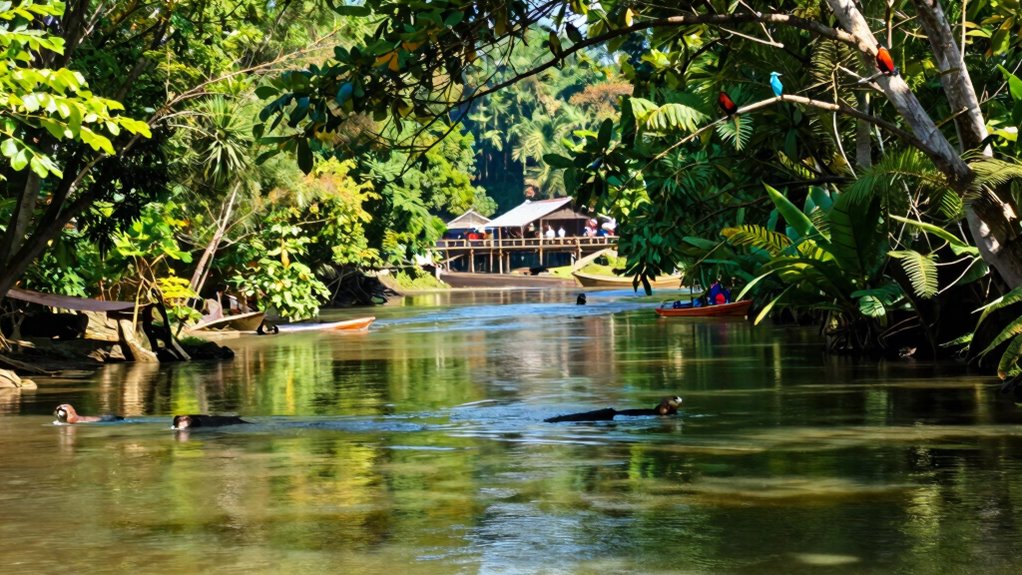
Have you ever wondered how rivers support such diverse ecosystems? It’s fascinating how these flowing bodies of water serve as lifelines for countless species, providing food, shelter, and migration routes. When rivers are healthy and protected, they maintain a natural balance that benefits both wildlife and nearby communities. But, unfortunately, river pollution threatens this balance, disrupting habitat connectivity and endangering the plants and animals that depend on these waters. Pollution—whether from agricultural runoff, industrial waste, or sewage—clogs waterways, poisons aquatic life, and breaks the essential connection between different habitats along the river’s course. This habitat fragmentation makes it harder for species to migrate, find food, or reproduce, ultimately reducing biodiversity.
By protecting rivers, you help preserve these indispensable habitat corridors that allow wildlife to move freely across landscapes. Habitat connectivity is fundamental because it enables species to access breeding grounds, seasonal feeding areas, and refuge spots during times of stress. When rivers are polluted or altered by dams and other infrastructure, these connections get severed, isolating populations and making them more vulnerable to extinction. Restoring and maintaining clean, free-flowing rivers ensures that animals like fish, amphibians, birds, and mammals can traverse the ecosystem seamlessly. It also supports plant life along the banks, which stabilizes the shoreline and provides additional shelter and nourishment for aquatic creatures.
Healthy rivers also benefit communities by providing clean water for drinking, agriculture, and industry. When pollution levels decrease, the water becomes safer and more sustainable for human use. Additionally, protected rivers attract tourism and recreation, which bolster local economies. When you advocate for river conservation, you’re helping to secure an essential resource that sustains both ecological and human communities. It’s clear that safeguarding these waterways means more than just stopping pollution; it’s about maintaining the natural connectivity that allows ecosystems to thrive.
In short, protected rivers serve as ecological arteries, supporting wildlife and human populations alike. They sustain biodiversity, enable species migration, and provide clean water—key ingredients for a healthy environment. You play a significant role in this effort, whether through conservation initiatives, pollution reduction, or simply spreading awareness about the importance of keeping rivers clean and connected. When rivers flourish, so do the countless forms of life that depend on them, creating a resilient and vibrant landscape for generations to come.
As an affiliate, we earn on qualifying purchases.
Frequently Asked Questions
How Do Protected Rivers Impact Local Water Quality?
Protected rivers improve local water quality by reducing pollution levels, which benefits both ecosystems and communities. You’ll notice cleaner water, as conservation efforts limit runoff and contaminants entering the river. This enhances ecosystem health, supporting diverse wildlife and aquatic life. For communities, it means safer drinking water and better recreation opportunities. Overall, protecting rivers helps maintain natural water flow and quality, ensuring the environment remains balanced and resilient for future generations.
What Economic Benefits Do Protected Rivers Provide to Communities?
Protected rivers promote prosperity through plentiful opportunities for ecotourism and recreational fishing, fueling local finances and fostering community growth. You’ll find visitors flocking for fun and fascination, creating a steady stream of income and jobs. These vibrant venues not only boost business but also build bonds among residents and visitors. By safeguarding rivers, you secure sustainable, supportive sources of revenue that enrich both the environment and the economy, ensuring enduring prosperity.
How Are Protected Rivers Managed and Enforced?
You manage protected rivers through a combination of legal frameworks and community engagement. Laws set boundaries and regulations to prevent pollution and habitat destruction. Meanwhile, involving local communities helps enforce these rules, ensuring everyone understands the importance of conservation. Participating in monitoring and decision-making fosters a sense of ownership, making enforcement more effective. Together, legal measures and community support create a sustainable approach to safeguarding these essential waterways.
Can Protected Rivers Adapt to Climate Change?
Protected rivers can adapt to climate change by maintaining healthy riparian corridors, which act as buffers against extreme weather and habitat loss. These corridors support ecosystem resilience, allowing plants and animals to recover and adjust to changing conditions. By preserving natural flow regimes and reducing human interference, you help guarantee the river’s ability to withstand climate impacts, ultimately safeguarding both wildlife and community needs now and in the future.
What Threats Do Protected Rivers Face Today?
You face threats like pollution sources, including agricultural runoff and plastic waste, which harm water quality and ecosystems. Invasive species also threaten protected rivers, outcompeting native wildlife and disrupting habitats. These issues weaken the river’s natural balance, putting both wildlife and communities at risk. It’s essential to monitor and control pollutants and invasive species to maintain healthy, resilient protected rivers for future generations.
Conclusion
By safeguarding our rivers, you’re nurturing a delicate dance of life that sustains both wildlife and communities. These waterways are like quiet guardians, gently supporting the vibrant tapestry of nature and human existence alike. When you help protect them, you’re not just preserving water—you’re ensuring a harmonious future where creatures and people thrive side by side. In doing so, you’re keeping the heart of our planet softly beating for generations to come.
Fall Picks
fall essentials
As an affiliate, we earn on qualifying purchases.