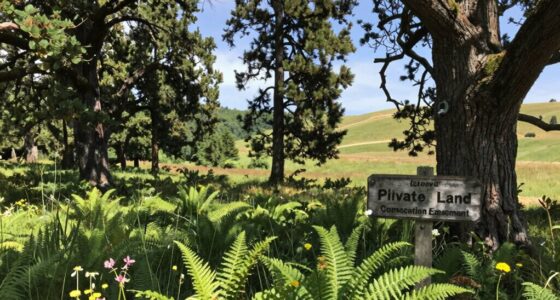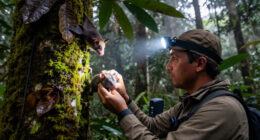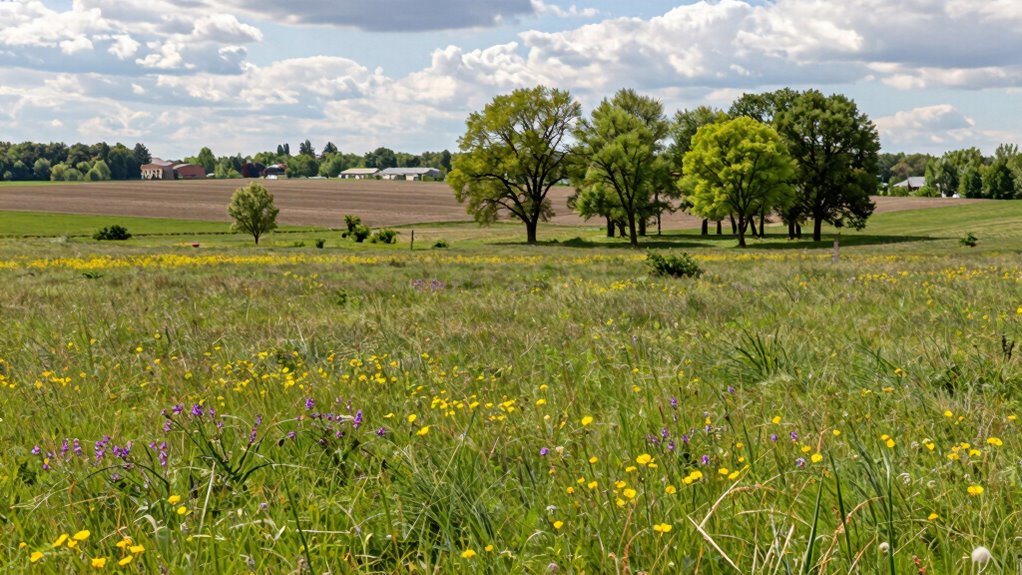

Rewilding definitely works in human-dominated landscapes by creating small, connected green spaces that support wildlife and foster coexistence. You can help by establishing wildlife corridors and transforming vacant lots into native plant habitats. These efforts boost biodiversity and make urban areas more sustainable. Even small, strategic actions make a difference. If you want to discover how simple changes can bring nature back into cities, keep exploring this topic further.

Prime made for students and young adults
- Fast, free delivery for dorm and study essentials
- Prime Video and Amazon Music included
- Member-only deals
Key Takeaways
- Rewilding creates interconnected green spaces, supporting wildlife movement in fragmented urban environments.
- Urban green spaces like parks and rooftops can serve as vital rewilding zones for native species.
- Community involvement and policy support are crucial for establishing and maintaining ecological corridors.
- Small, strategic efforts can significantly enhance ecological connectivity in human-dominated areas.
- Rewilding fosters coexistence between humans and wildlife, promoting sustainable urban ecosystems.
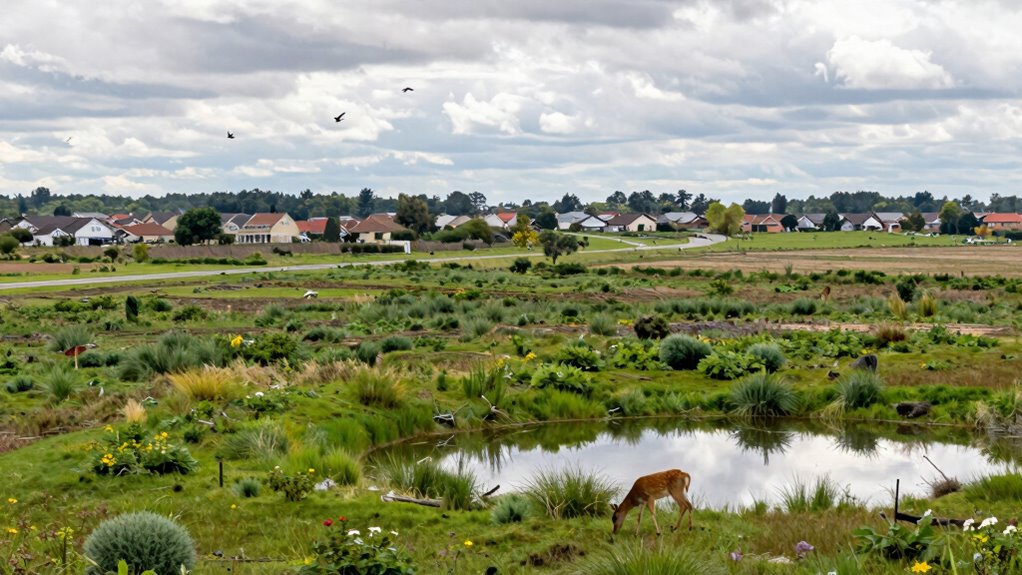
Have you ever wondered if rewilding can thrive amid human-dominated landscapes? It’s a compelling question, especially as urban areas expand and natural habitats shrink. The good news is that rewilding isn’t about converting cities into wilderness overnight but about creating small, connected pockets of nature that support local wildlife. One of the most effective tools for this is establishing wildlife corridors—strips of natural habitat that link isolated green spaces. These corridors allow animals to move safely between habitats, find food, breed, and maintain healthy populations. Instead of isolated parks, imagine a network of green pathways weaving through neighborhoods, urban green spaces, and across farmland. With proper planning, these corridors can become essential lifelines for species that would otherwise struggle to survive in fragmented environments.
Wildlife corridors connect green spaces, helping animals move, find resources, and thrive in urban landscapes.
Urban green spaces play a fundamental role in this process. Parks, community gardens, green rooftops, and even vacant lots can serve as mini-rewilding zones, offering shelter and resources to native flora and fauna. When managed intentionally, these spaces can become more than just recreational areas; they can act as stepping stones for wildlife. For example, planting native species, reducing pesticide use, and creating natural water features encourage biodiversity. You might be surprised how even small efforts, like planting pollinator-friendly flowers or leaving some fallen logs untouched, can make a significant difference. These efforts create a patchwork of habitats within cities, making it easier for animals to adapt and thrive.
Rewilding in human-dominated landscapes also depends on community involvement. As someone living in or near a city, you can advocate for policies that prioritize green space connectivity and support local rewilding initiatives. Community-led projects can transform vacant lots into wildflower meadows or native plant gardens, further enhancing ecological networks. Education plays a key role, too—raising awareness about the importance of wildlife corridors and urban green spaces encourages residents to participate actively in conservation efforts.
While it might seem challenging to turn concrete jungles into thriving ecosystems, incremental steps can lead to meaningful change. You don’t need vast tracts of land; small, strategic efforts—creating corridors, supporting green spaces, and fostering community engagement—are enough to kickstart rewilding. By rethinking how cities are designed and managed, you help create a landscape where humans and wildlife can coexist more harmoniously. Rewilding in human-dominated landscapes isn’t just a dream; it’s a practical, achievable goal that benefits everyone.
native plant seeds for urban gardens
As an affiliate, we earn on qualifying purchases.
As an affiliate, we earn on qualifying purchases.
Frequently Asked Questions
How Do Rewilding Efforts Impact Local Agriculture?
Rewilding efforts can positively impact local agriculture by promoting agricultural coexistence, where natural habitats and farming activities thrive together. However, they may also lead to land use conflicts, especially when rewilded areas encroach on farmland. You might need to balance conservation goals with farmers’ needs, creating buffer zones or wildlife corridors that minimize disruptions. With thoughtful planning, rewilding can enhance biodiversity without harming agricultural productivity.
What Are the Biggest Challenges to Rewilding in Urban Areas?
You face significant challenges when rewilding urban areas. For example, establishing wildlife corridors can be difficult amid dense development. Urban habitats often lack space, and local residents may oppose changes. Balancing human needs with ecological goals requires careful planning, community engagement, and innovative solutions like green rooftops and parks. Overcoming these hurdles is essential to reconnect and sustain urban wildlife populations effectively.
Can Rewilding Help Mitigate Climate Change Effects?
Rewilding can profoundly help mitigate climate change effects by boosting carbon sequestration and enhancing ecosystem resilience. When you restore natural habitats, trees and plants absorb more CO₂, reducing greenhouse gases in the atmosphere. Additionally, healthier ecosystems better withstand climate impacts, protecting biodiversity and supporting local communities. Your efforts in rewilding contribute to a more stable climate, making landscapes more resilient and helping to combat climate change’s long-term effects.
How Do Local Communities Typically React to Rewilding Projects?
You’ll find that local communities’ reactions to rewilding projects vary widely. Often, community engagement helps address concerns and foster support, but cultural perceptions can influence acceptance. Some residents see rewilding as beneficial for biodiversity and tourism, while others worry about land use changes or disruptions. Successful projects usually involve open dialogue, respecting local values, and demonstrating long-term benefits, which can lead to broader community buy-in.
What Species Are Most Likely to Thrive in Rewilded Human Landscapes?
You’ll notice native plants flourishing, creating lush, vibrant patches amid the landscape, while predator-prey dynamics stabilize naturally. Species like foxes, hawks, and deer thrive, adapting to rewilded spaces where they find food and refuge. These animals, guided by instinct, re-establish their roles, restoring balance. Your landscape becomes a lively tapestry of life, with native plants providing food and shelter, making the environment resilient and teeming with thriving species.
Conclusion
You might think rewilding in a human-dominated landscape is like planting a seed in barren soil, but it’s more like coaxing a wildflower to bloom amid concrete. With careful planning and persistence, nature can find cracks in the pavement and weave itself back into our world. Rewilding isn’t about undoing progress; it’s about dancing with it—turning gray spaces into vibrant tapestries of life, proving that even in busy landscapes, nature’s spirit can still stir and flourish.
Evergreen bestsellers Picks
bestsellers
As an affiliate, we earn on qualifying purchases.