When species teeter on the edge of extinction, conservation efforts like habitat restoration and captive breeding work together to restore their populations. You can help by supporting initiatives that protect habitats, reduce invasive species, and promote genetic diversity. These efforts strengthen the resilience of endangered species and give them a fighting chance to thrive again. If you’re interested in understanding how these strategies turn back the clock on extinction, there’s plenty more to discover.

Prime made for students and young adults
- Fast, free delivery for dorm and study essentials
- Prime Video and Amazon Music included
- Member-only deals
Key Takeaways
- Captive breeding programs help preserve genetic diversity and produce healthy individuals for reintroduction.
- Habitat restoration creates suitable environments, supporting population growth and natural breeding.
- Combining captive breeding with habitat recovery enhances species’ chances of survival and long-term resilience.
- Maintaining genetic diversity reduces disease susceptibility and inbreeding depression in small populations.
- Ecosystem interconnectedness ensures sustainable recovery through biodiversity support and habitat stability.
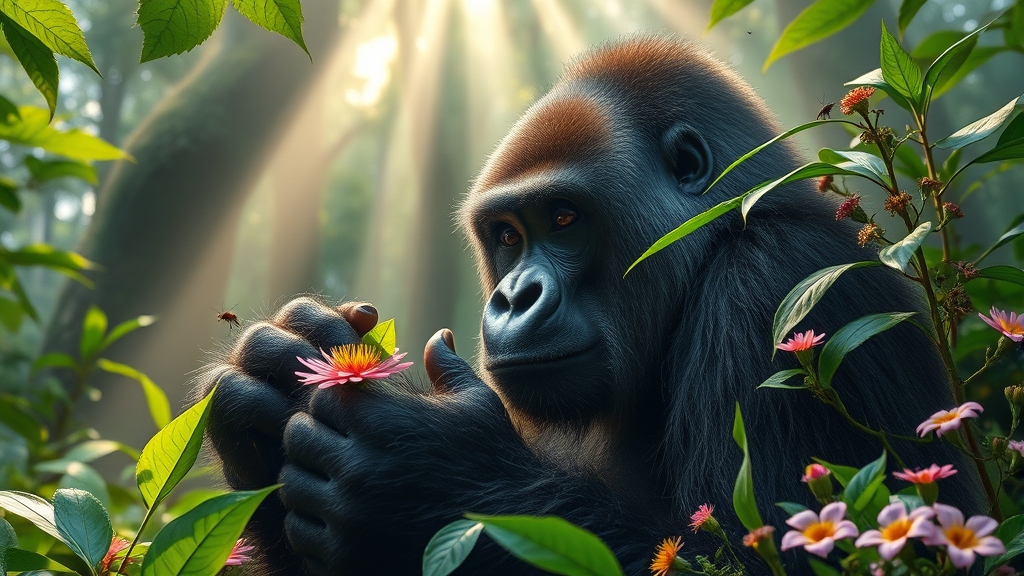
Have you ever wondered how we can bring endangered species back from the brink of extinction? It’s a challenging process, but one that’s increasingly successful thanks to a combination of scientific strategies. Central to these efforts are maintaining genetic diversity and restoring habitats, both of which play essential roles in species recovery.
Genetic diversity is indispensable because it provides the raw material for evolution and adaptation. When populations shrink to very small numbers, their genetic variation diminishes, making them more vulnerable to disease, environmental changes, and inbreeding depression. You can imagine how a lack of genetic diversity hampers a species’ ability to survive in a rapidly changing world. Conservationists work to preserve or enhance this diversity through methods like captive breeding programs, where carefully selected pairs are bred to maximize genetic variation. These programs aim to produce healthy, resilient individuals that can be reintroduced into the wild. But without a healthy, suitable habitat, even the strongest, most genetically diverse populations can struggle to thrive.
Genetic diversity provides the raw material for adaptation and survival in changing environments.
That’s where habitat restoration comes in. You need to understand that many species are pushed toward extinction because their natural homes have been degraded or destroyed. Restoring these habitats isn’t just about planting trees or cleaning up areas; it’s about recreating the complex ecosystems that these species depend on. Restoring wetlands, re-establishing native plant communities, and removing invasive species are all steps that help rebuild the environment that once supported these animals. When their habitats are restored, it allows populations to grow, spread, and establish healthy breeding grounds. This, in turn, supports the genetic diversity necessary for long-term survival. Additionally, understanding the interconnectedness of ecosystems is crucial for designing effective recovery strategies. Recognizing how ecosystems support biodiversity helps conservationists create more sustainable and resilient recovery plans. Recognizing the importance of genetic health in these efforts can further improve success rates.
Effective species recovery combines these two approaches—enhancing genetic diversity and restoring habitats—creating a feedback loop that strengthens the chances of survival. For instance, once habitat restoration provides a suitable environment, you can introduce individuals from captive breeding programs, helping establish a self-sustaining population. As the habitat improves and the population grows, genetic diversity can increase naturally through reproduction, making the species more adaptable and resilient over time.
In the end, bringing species back from extinction isn’t just about saving individual animals; it’s about restoring entire ecosystems and ensuring genetic health. These efforts require dedication, scientific expertise, and a deep understanding of the interconnectedness between species and their environments. When done correctly, we can turn the tide for many endangered species, giving them a real chance to recover and thrive once again.
endangered species conservation books
As an affiliate, we earn on qualifying purchases.
As an affiliate, we earn on qualifying purchases.
Frequently Asked Questions
How Long Does It Typically Take for a Species to Recover?
Recovery times for species vary, but it often takes decades or even longer. You need to focus on increasing genetic diversity and improving habitat connectivity, which are vital for survival. These efforts help populations adapt and thrive again. By protecting ecosystems and reducing threats, you can speed up recovery. Remember, patience and consistent action are key, as restoring a species’ health and numbers is a gradual process.
What Are the Main Challenges Faced During Species Recovery?
You face major challenges during species recovery, such as habitat fragmentation, which affects 75% of the world’s terrestrial environments, and ongoing poaching threats. These obstacles hinder population growth and genetic diversity, making recovery efforts difficult. You must address these issues through habitat restoration, anti-poaching measures, and community engagement. Overcoming such challenges is vital to giving endangered species a real chance at survival and long-term recovery.
Can Reintroduced Species Fully Regain Their Original Habitats?
You wonder if reintroduced species can fully regain their original habitats. While habitat restoration efforts help, they often don’t perfectly recreate the original environment, limiting full recovery. You should also consider genetic diversity, which may be reduced in reintroduced populations, affecting adaptability. Despite these challenges, ongoing conservation work improves habitat quality and genetic health, increasing the chances of reintroduced species thriving and gradually reclaiming their native habitats.
How Do Conservationists Prioritize Which Species to Save?
You might think saving every species is impossible, but conservationists face the incredible task of choosing wisely. They prioritize based on genetic diversity, which keeps species resilient, and habitat fragmentation, which threatens their survival. By focusing on species with unique traits or those in critically fragmented habitats, they maximize the chances of long-term recovery. Your efforts support these essential decisions, ensuring ecosystems thrive for generations to come.
What Role Do Local Communities Play in Species Recovery Efforts?
You play a crucial role in species recovery efforts through community engagement and promoting sustainable practices. By collaborating with local communities, conservationists can guarantee that efforts align with local needs and knowledge. Your involvement helps build trust, fosters stewardship, and encourages sustainable land use, which benefits both wildlife and people. When communities actively participate, they become key allies in protecting endangered species and restoring ecosystems effectively.
Conclusion
Now, it’s your turn to be the hero in this story. Every effort you make—whether supporting conservation, spreading awareness, or simply caring—becomes a crucial thread in the tapestry of hope. Remember, the path from extinction to recovery isn’t just a story of the past; it’s an ongoing chapter waiting for your voice. Will you stand by and watch, or will you help turn the tide? The choice is yours—be the change the world needs.
Columbus Day / Indigenous Peoples' Day Picks
long weekend sales
As an affiliate, we earn on qualifying purchases.