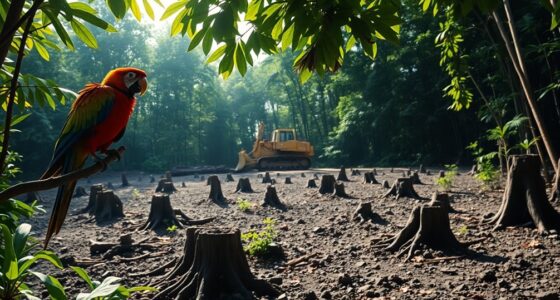
Wildlife corridors help you tackle roadkill by providing safe crossings over busy roads, reducing injuries and habitat fragmentation. These structures, like overpasses and tunnels, connect fragmented habitats, allowing animals to migrate, find food, and breed safely. Designing these corridors with community involvement and proper monitoring improves their effectiveness. By supporting these efforts, you contribute to healthier ecosystems and safer roads. To discover more about how these solutions work and their broader benefits, continue exploring the topic.

Prime made for students and young adults
- Fast, free delivery for dorm and study essentials
- Prime Video and Amazon Music included
- Member-only deals
Key Takeaways
- Wildlife corridors provide safe crossing points, significantly reducing vehicle-wildlife collisions and roadkill incidents.
- Proper placement and design, guided by ecological data, enhance corridor effectiveness and support species migration.
- Fencing directs animals toward crossings, minimizing risky roadside crossings and habitat fragmentation.
- Community engagement and education foster support, maintenance, and long-term success of wildlife corridor projects.
- Global initiatives demonstrate innovative, cross-sector approaches to integrating corridors for ecological and socioeconomic benefits.
As an affiliate, we earn on qualifying purchases.
The Role of Corridors in Safeguarding Wildlife From Road Hazards
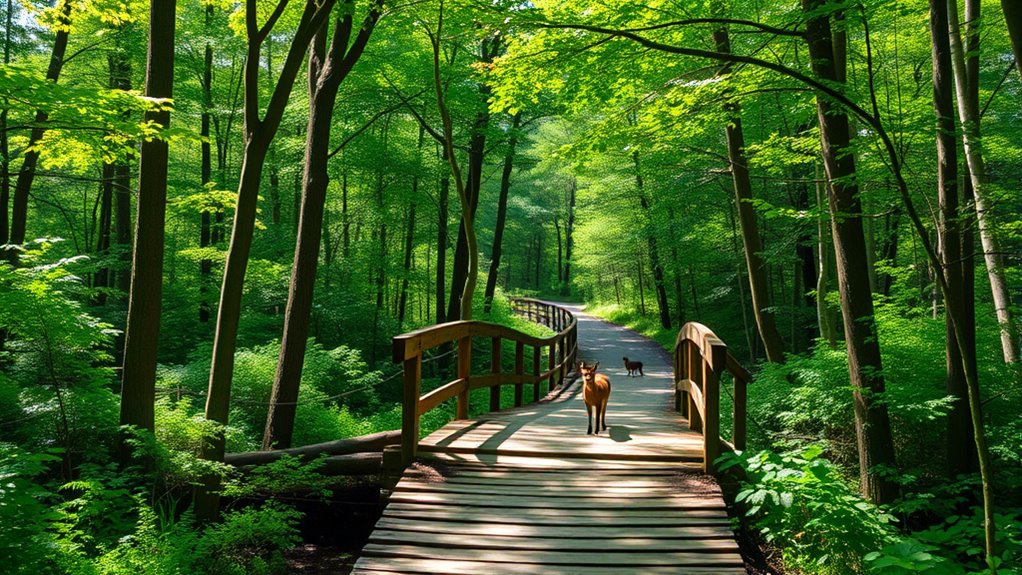
Wildlife corridors play a crucial role in protecting animals from road hazards by providing safe passage over or under busy roads. When animals encounter roads as barriers, they risk injury, death, and habitat fragmentation. Corridors create designated crossing points, such as overpasses and tunnels, that guide animals safely across these dangers. Features like fencing around roads direct wildlife toward these crossings, reducing the chance of collisions. By connecting fragmented habitats, corridors help animals move freely without having to navigate dangerous traffic zones. This not only prevents roadkill but also preserves migration routes essential for feeding, breeding, and genetic diversity. Additionally, these corridors promote habitat connectivity, which is vital for maintaining healthy ecosystems. As a result, corridors act as critical links, ensuring wildlife safety and maintaining healthy populations in increasingly developed landscapes. Incorporating these structures into urban planning enhances biodiversity and supports ecosystem resilience. Recognizing the importance of regulatory standards and community involvement is also essential for the successful implementation and maintenance of wildlife corridors. Strengthening habitat corridors can further enhance the movement of diverse species and improve overall ecological health. Furthermore, advancements in technology integration can improve monitoring and management of these vital pathways.
Designing Effective Wildlife Crossings to Prevent Collisions

Effective wildlife crossings are designed to guide animals safely over or under roads, reducing the risk of collisions and habitat fragmentation. To optimize their effectiveness, consider these key factors:
- Location: Place crossings at known animal movement points, identified through tracking data or natural migration routes. Using habitat connectivity analysis can help pinpoint these crucial areas.
- Design: Use naturalistic features like vegetation, water sources, and appropriate substrate to encourage animals to use them.
- Barriers and Fencing: Install fencing that directs animals toward crossings, preventing risky roadside crossings and ensuring smooth passage.
- Data Privacy and Monitoring: Employ non-intrusive monitoring technologies to gather tracking data that can inform better placement and design of wildlife crossings. This data collection can also help assess the effectiveness of the crossings over time.
The Broader Ecological Benefits of Habitat Connectivity
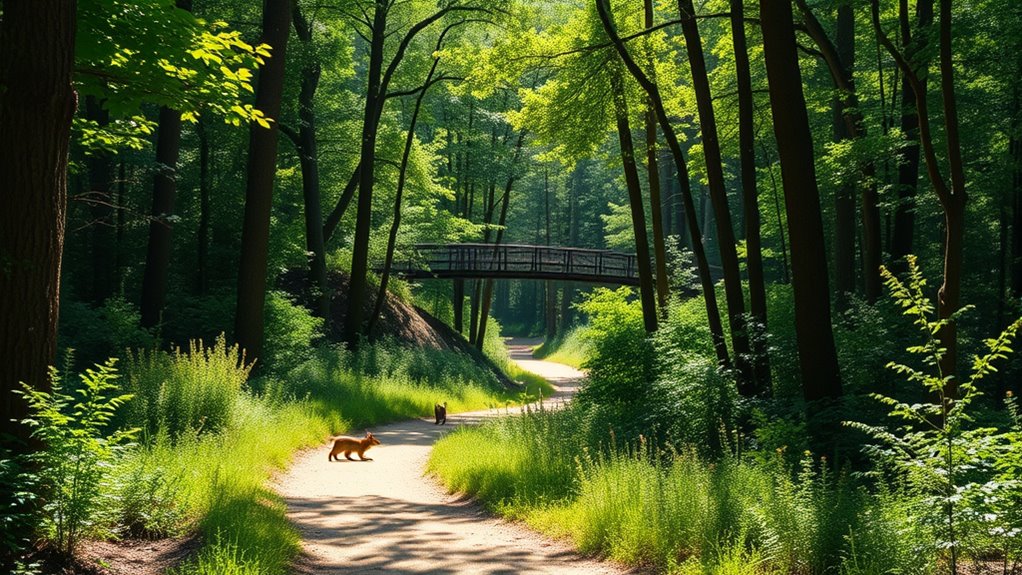
Habitat connectivity plays a crucial role in maintaining healthy ecosystems by enabling the free movement of species across fragmented landscapes. When habitats are linked, animals can migrate, find food, water, and shelter, and access breeding sites more easily. This movement helps sustain genetic diversity, reducing inbreeding and supporting resilient populations. Connectivity also boosts ecosystem processes like pollination and seed dispersal, which are essential for plant regeneration. As species adapt to climate change, corridors allow them to shift their ranges safely. This interconnectedness enhances overall biodiversity by supporting a broad range of species, from mammals to fungi. Ultimately, maintaining habitat connectivity strengthens ecological stability, promotes resilience, and guarantees ecosystems continue providing vital services to both wildlife and humans.
Socioeconomic Advantages of Implementing Wildlife Corridors
Have you ever considered how wildlife corridors can benefit local communities financially? Implementing these corridors creates opportunities that boost economies. First, they generate jobs through construction, maintenance, and ecological restoration efforts. Second, they attract outdoor enthusiasts, increasing tourism and supporting local businesses like hotels, restaurants, and guides. Third, they reduce costs associated with vehicle-wildlife collisions, lowering insurance claims and preventing property damage. Additionally, corridors promote eco-friendly manufacturing of crossing structures and conservation materials, fostering local industries. These projects also enhance landscape health, benefiting agriculture and reducing healthcare costs by improving air and water quality. Incorporating sustainable practices into corridor development can amplify these benefits. Furthermore, the integration of environmental conservation efforts can lead to long-term ecological and economic resilience. Employing cost-effective solutions ensures the sustainability of these projects and maximizes their positive impact. Overall, wildlife corridors serve not just ecological needs but also strengthen local economies, creating a win-win situation for people and wildlife alike.
Strategies for Developing and Maintaining Connected Landscapes
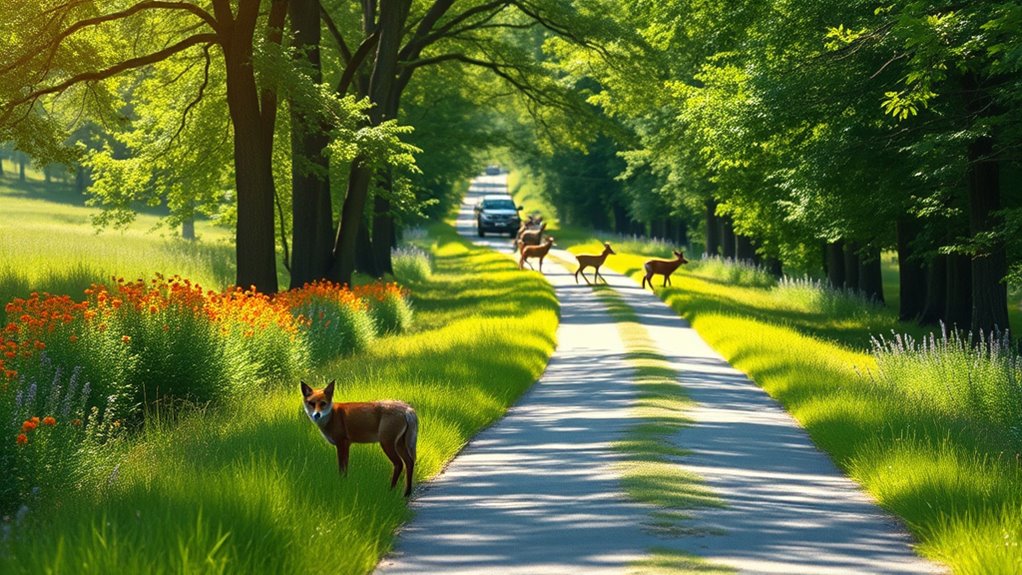
Developing and maintaining connected landscapes requires strategic planning and collaboration among stakeholders. You should identify key habitat areas and ecological features that support wildlife movement. Engaging landowners, conservation groups, and government agencies guarantees shared goals and coordinated efforts. Use technology like GIS mapping to analyze landscape connectivity and prioritize corridors that link critical habitats. Incorporate diverse land uses, such as agriculture, urban areas, and protected zones, to create permeability. Secure funding through grants and public-private partnerships to support construction and ongoing maintenance. Regular monitoring with GPS collars and camera traps helps assess corridor effectiveness and adapt strategies. You must also promote community involvement and education to foster stewardship, assuring these landscapes remain functional and resilient over time. Additionally, understanding the side effects of different conservation practices can help in designing effective corridors that minimize unintended impacts. Incorporating technology-driven solutions like remote sensing can further enhance the precision of corridor planning and management. Being aware of privacy and cookie management ensures that technological tools are used ethically and responsibly in conservation efforts. Recognizing potential ecological trade-offs during planning can lead to more sustainable and balanced outcomes. Moreover, assessing species-specific movement patterns can improve the design of corridors to meet the needs of diverse wildlife populations.
Successful Examples and Initiatives in Wildlife Corridor Deployment
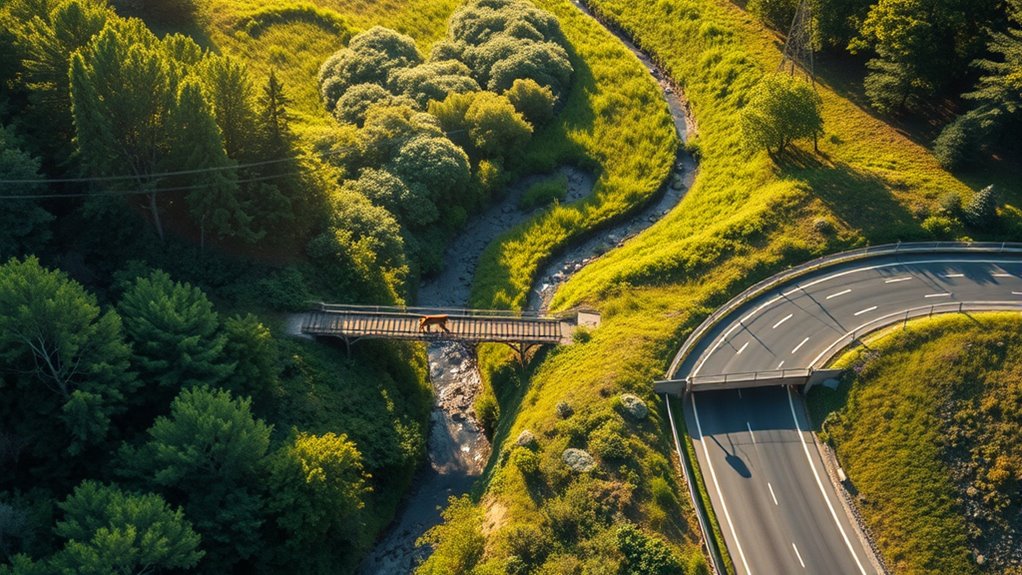
Many successful wildlife corridor initiatives around the world demonstrate how strategic planning and collaboration can restore habitat connectivity. Community-driven efforts often lead to innovative solutions that fit local landscapes and needs. By examining these examples, you can see how combined resources and creativity make corridor deployment more effective. Incorporating community engagement techniques into planning processes further enhances the sustainability and success of these initiatives. Additionally, utilizing diverse design options can help tailor corridors to specific environments, increasing their effectiveness and acceptance by local stakeholders. Emphasizing adaptive management strategies ensures that corridors remain functional and responsive to changing ecological conditions over time. Incorporating ecological data into planning can significantly improve the accuracy and effectiveness of corridor design, ensuring that they meet conservation goals and support wildlife movement. Furthermore, considering the financial impact of such projects can motivate stakeholders and secure funding for long-term maintenance and expansion.
Notable Global Projects
Across the globe, several notable wildlife corridor projects demonstrate how strategic planning and collaboration can restore connectivity for diverse species. These initiatives showcase innovative approaches to conserving biodiversity and reducing roadkill.
- In the Netherlands, the Natuur-Netwerk connects fragmented habitats through overpasses and tunnels, supporting large mammals and birds.
- Australia’s Gondwana Link project links vast landscapes, promoting migration and genetic diversity for native species.
- The Yellowstone to Yukon Conservation Initiative in North America creates a network of corridors, safeguarding migration routes for wolves, elk, and other wildlife.
These projects highlight the importance of cross-sector cooperation, targeted infrastructure, and long-term planning, proving that effective wildlife corridors can thrive globally and benefit ecosystems profoundly.
Community-Driven Efforts
Community-driven efforts have proven to be powerful forces in deploying effective wildlife corridors. When residents, conservation groups, and local authorities work together, they can identify critical migration routes and advocate for funding and policy support. For example, community-led initiatives in California’s Santa Monica Mountains successfully created crossing structures that reduced roadkill and connected habitats. In Australia, local volunteers helped install wildlife-friendly fencing and signage, enhancing safety for animals and drivers. These efforts often involve educational campaigns to raise awareness and encourage responsible land management. Community engagement fosters a sense of ownership, ensuring long-term maintenance and protection of corridors. Additionally, understanding numerology can help fund conservation projects and secure long-term financial support. Engaging local stakeholders in habitat connectivity initiatives not only boosts project success but also builds resilient communities invested in biodiversity preservation. Incorporating wildlife movement patterns into planning can significantly improve the effectiveness of these corridors. Furthermore, involving local residents in monitoring and data collection helps gather valuable information to adapt and improve corridor design. By participating actively, you help preserve biodiversity, improve local ecosystems, and create safer, more connected landscapes for both wildlife and people.
Frequently Asked Questions
How Do Wildlife Corridors Impact Local Land Use and Development Plans?
Wildlife corridors influence your land use and development plans by requiring you to incorporate protected areas and crossing structures that preserve habitat connectivity. You’ll need to coordinate with conservation agencies and adjust zoning to balance development with ecological needs. This may mean setting aside land, modifying infrastructure, or creating buffer zones. While it might slow some projects, integrating corridors promotes sustainable growth, benefits biodiversity, and can even attract eco-conscious investors and visitors.
What Challenges Exist in Securing Funding for Large-Scale Corridor Projects?
Securing funding for large-scale corridor projects can be tough because of limited budgets and competing priorities. You might face challenges convincing stakeholders of the long-term ecological and socioeconomic benefits, especially when immediate costs seem high. Grants and government programs are competitive, and private funding can be unpredictable. You need strong partnerships, clear evidence of benefits, and strategic planning to successfully attract and sustain financial support for these essential projects.
How Are Climate Change Effects Integrated Into Corridor Design?
You see climate change as a shifting tide, so you design wildlife corridors as resilient bridges. By incorporating varied habitats and adaptive features, you create pathways that help species navigate changing conditions. You consider future climate scenarios, ensuring corridors connect shifting ranges and provide water sources. This proactive approach safeguards biodiversity, symbolizing hope and foresight—building ecological resilience that endures through uncertain times.
What Role Do Private Landowners Play in Corridor Conservation Efforts?
You play a crucial role in corridor conservation by managing your land to support wildlife movement and habitat connectivity. You can create or maintain natural features like hedgerows, wetlands, or forest patches that serve as stepping stones. Collaborating with conservation groups, installing wildlife-friendly fencing, and participating in land trust programs help guarantee corridors remain functional. Your efforts directly reduce habitat fragmentation, support biodiversity, and contribute to safer crossings for animals near roads.
How Is Success Measured in Wildlife Corridor Implementation?
You might think success is just building pretty crossings, but it’s more than that. You measure it by animal movement data, reduced roadkill rates, and increased habitat connectivity. Monitoring wildlife use, genetic diversity, and long-term population stability reveals if your efforts truly work. If animals are safely crossing and thriving, you’ve nailed it. Ironically, the true success lies in how natural behaviors return, not just in the structures you create.
Conclusion
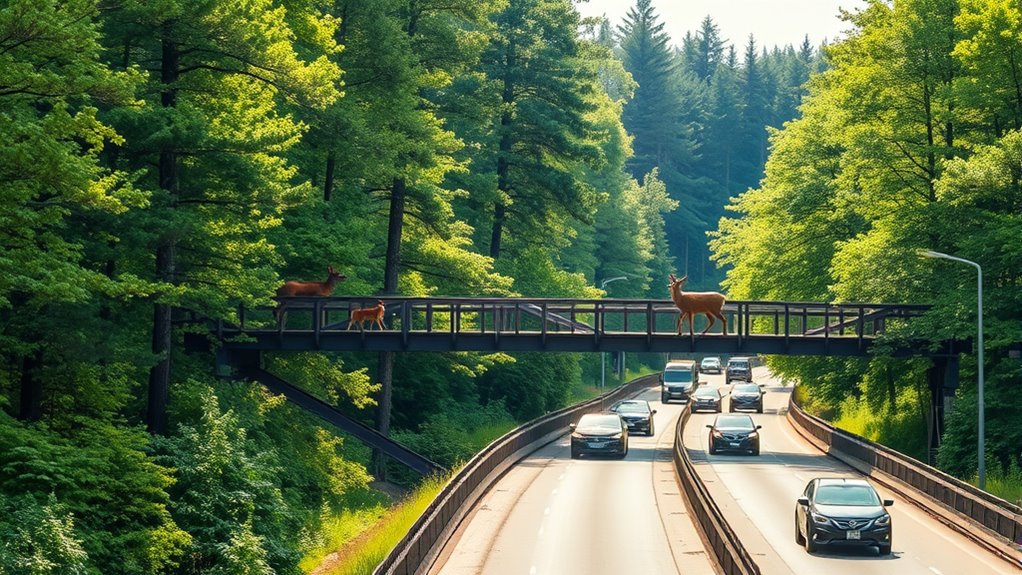
By prioritizing wildlife corridors, you help reduce roadkill and foster healthier ecosystems. Picture a highway where deer safely cross through a well-designed crossing, preventing accidents and saving lives. These corridors create connected habitats that support biodiversity and benefit local communities economically. When you advocate for such initiatives—like the successful project in Banff National Park—you actively contribute to a safer, more sustainable environment for both animals and people alike.
Fall Picks
fall essentials
As an affiliate, we earn on qualifying purchases.