Ancient forests are irreplaceable because they support unique biodiversity, store vast amounts of carbon, and sustain complex ecological processes essential for our planet’s health. Their multi-layered canopies, fallen logs, and microhabitats create diverse homes for countless species. These forests also hold cultural and spiritual significance, serving as living monuments of resilience. By understanding their complex features and threats, you can appreciate why protecting these ecosystems is imperative for future generations. Keep exploring to uncover more about their magic.
Key Takeaways
- They serve as critical reservoirs of biodiversity, supporting rare and endangered species unique to old-growth habitats.
- Their complex multi-layered structures create diverse microhabitats vital for countless species.
- Ancient forests act as significant carbon sinks, helping mitigate climate change through long-term carbon storage.
- They maintain soil health and stability, supporting nutrient cycling and preventing erosion.
- Their cultural and spiritual significance fosters deep connections, emphasizing their irreplaceable role beyond ecological value.
Defining the Unique Identity of Ancient Forests

Defining the unique identity of ancient forests can be challenging because these ecosystems are characterized by a combination of structural features, ecological processes, and historical context. You’ll find large, old trees that surpass typical harvest ages, standing snags, and abundant fallen logs that create a complex ground layer. The multilayered canopy, with gaps formed by fallen trees, adds vertical diversity, supporting various plant and animal species. Soil health is essential; it sustains fungi and rare organisms adapted to these conditions. Unlike managed forests, old-growth stands contain mixed-age trees, ensuring continuous regeneration. Their resilience isn’t solely based on age but on a dynamic balance of natural processes, structural complexity, and ecological functions that distinguish them from younger or disturbed forests. Natural disturbance regimes help maintain the ecological integrity of these ecosystems, promoting ongoing diversity and health. Additionally, the presence of ecological processes such as nutrient cycling and disturbance regimes plays a crucial role in maintaining their unique ecological integrity. These processes are maintained through natural disturbance regimes, which help preserve the diversity and health of these ancient ecosystems. Understanding the genetic diversity within these forests also highlights their importance as reservoirs of biodiversity that have developed over centuries.
The Structural Marvels of Old-Growth Ecosystems

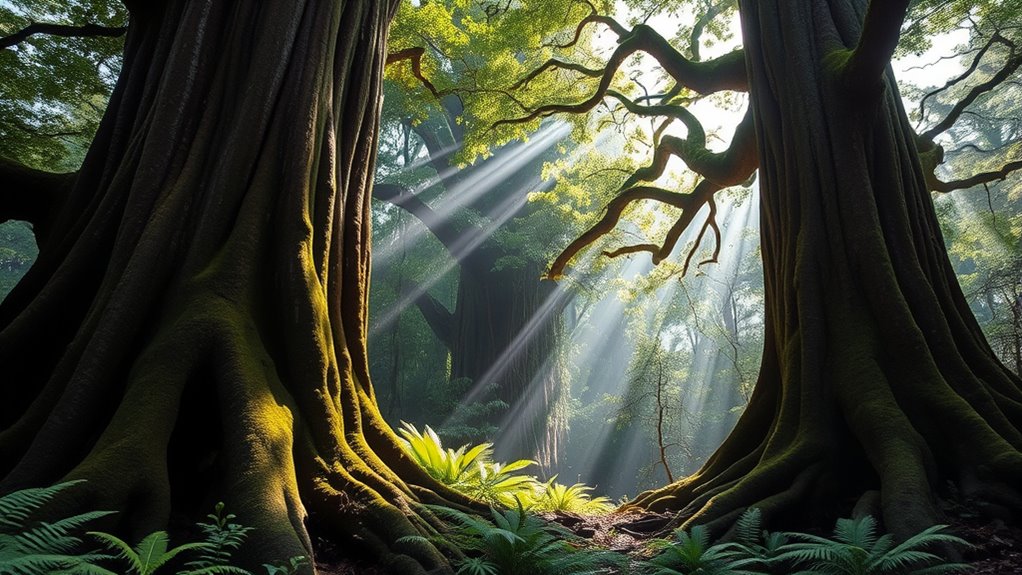
You’ll notice that old-growth ecosystems feature multi-layered canopies, creating diverse habitats and light patterns on the forest floor. Large, decayed trees stand as essential components, offering shelter and nutrients for a variety of species. These structural marvels work together to sustain the complexity and resilience that define ancient forests. A detailed understanding of ecological balance is crucial to appreciating the irreplaceable nature of these ecosystems. The intricate arrangement of living and dead wood contributes to biodiversity, supporting countless organisms that depend on this unique habitat. Recognizing the ecological significance of these layered structures highlights their vital role in maintaining long-term forest health. Additionally, the presence of Snacks – Mad Tasting exemplifies how human appreciation and conservation efforts can help preserve these invaluable ecosystems for future generations.
Multi-layered Canopies
Old-growth forests are renowned for their intricate, multi-layered canopies, which are essential to their ecological complexity. These layered structures create diverse habitats and promote biodiversity. As you explore, you’ll notice how gaps from fallen trees allow light to reach lower layers, fostering new growth. The canopy layers include tall emergent trees, the main canopy, and the understory, each supporting unique species. This vertical diversity influences nutrient cycling, water retention, and microclimates.
- Multiple canopy levels offering varied habitats
- Gaps promoting regeneration and understory growth
- Complex bark and branch structures supporting lichens and mosses
- Dead wood in different decay stages enriching the ecosystem
- Canopy openings facilitating light-dependent species
Large, Decayed Trees
Large, decayed trees stand as living monuments within old-growth forests, embodying the long history and dynamic processes that shape these ecosystems. These trees, often called snags or hollow logs, provide critical habitats for countless species, from insects to birds and fungi. Their complex bark and decayed wood harbor unique lichens, mosses, and fungi, supporting biodiversity. Their presence also indicates a mature, resilient ecosystem that has developed over centuries. As they break down, they release nutrients back into the soil, fueling forest regeneration and enhancing soil fertility. These fallen and standing dead trees also create canopy gaps, fostering new growth and structural diversity. Their presence signals a mature, resilient ecosystem, maintaining ecological functions like carbon storage and water filtration. Recognizing the ecological importance of large, decayed trees underscores the need for their protection, as they are essential for preserving the integrity and complexity of old-growth forests. Additionally, these trees play a vital role in carbon sequestration, helping mitigate climate change impacts.
The Ecological Significance of Mature Forests
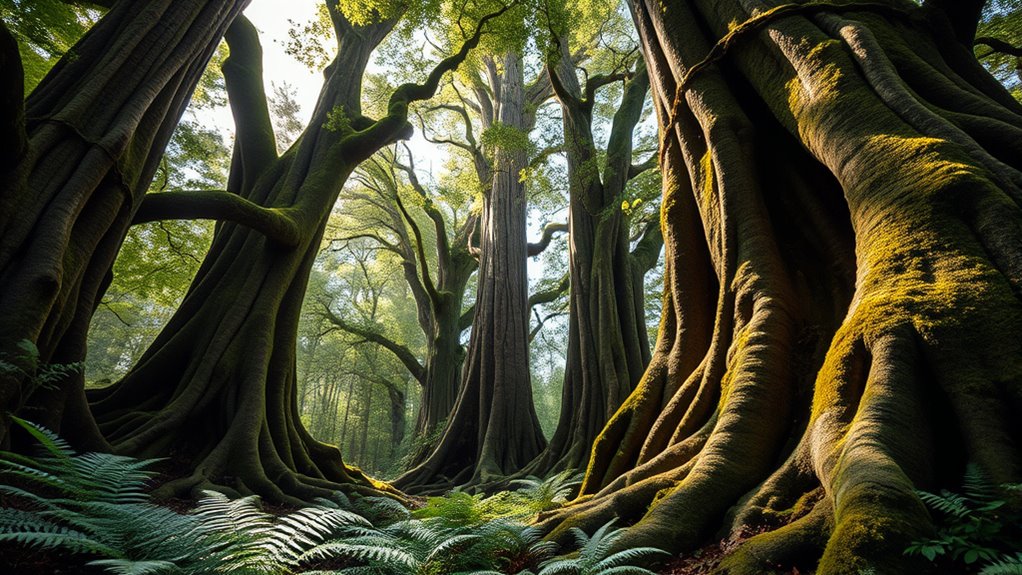
You can see how mature forests serve as biodiversity hotspots, supporting a wide variety of species that depend on complex habitats. Their layered structure enhances habitat complexity, offering shelter and resources at different levels. This structural diversity also influences nutrient cycling, which is vital for maintaining ecosystem productivity and resilience over time. This intricate design also drives essential nutrient cycling, keeping the ecosystem healthy and resilient over time. Additionally, unlocking potential within these ecosystems highlights their importance for personal and environmental growth. Recognizing the influence of ecosystem services can deepen our understanding of their value beyond mere conservation efforts. Understanding the role of cultural intelligence in managing and conserving these natural resources emphasizes the need for cross-disciplinary approaches. Preserving ancient forests is crucial for maintaining ecosystem stability, which benefits both wildlife and human communities.
Biodiversity Hotspots
Why are mature forests considered biodiversity hotspots? Because they support an incredible variety of species and complex interactions found nowhere else. Their multilayered canopies and abundant dead wood create diverse habitats that sustain plants, fungi, insects, birds, and mammals. The stable soils and structural diversity allow rare and specialized species to thrive. Additionally, these forests facilitate ecological processes critical for biodiversity:
- Presence of large, old trees hosting unique lichens and mosses
- Diverse canopy layers providing varied nesting and foraging sites
- Dead logs at different decay stages supporting fungi and invertebrates
- Microhabitats like cavities and root hollows for many species
- Soil health fostering rare fungi and underground organisms
- Ecosystem resilience that helps forests recover from disturbances and maintain ecological balance
- The microhabitats themselves are vital for the survival of many specialized species, emphasizing the importance of structural complexity.
- The ecological interactions within these forests foster complex food webs that support a high level of biodiversity and ecological stability.
- The presence of keystone species further enhances the ecological integrity of these mature ecosystems.
Furthermore, the intricate habitat diversity within these forests ensures the persistence of many threatened and endemic species, highlighting their irreplaceable ecological value. All these factors combine to make old-growth forests essential reservoirs of ecological richness and resilience.
Habitat Complexity
Habitat complexity in mature forests creates a dynamic environment that supports a wide range of species and ecological processes. You’ll notice multiple canopy layers, from towering old trees to smaller understory plants, providing varied habitats. Large, decaying logs and standing snags create niches for fungi, insects, and birds, fostering biodiversity. You’ll find that this intricate habitat supports specialized species that depend on specific conditions, making mature forests irreplaceable for maintaining ecological functions and biodiversity. The structural diversity enhances ecological resilience and sustains food webs. This complex architecture also promotes microclimates, aiding plant regeneration and species persistence. Additionally, the presence of microhabitats within these forests offers critical refuges for many organisms, further emphasizing their importance. You’ll find that this intricate habitat supports specialized species that depend on specific conditions, making mature forests irreplaceable for maintaining ecological functions and biodiversity. Their structural richness underpins the health and stability of the entire ecosystem. Refrigerants and environmental impact play a role in the sustainability of these ecosystems by influencing climate and air quality.
Nutrient Cycling
Nutrient cycling is a crucial ecological process that maintains soil fertility and supports the long-term health of mature forests. In old-growth forests, this cycle is especially essential because it sustains complex ecosystems over centuries. You’ll find that decomposing logs and leaf litter return essential nutrients to the soil, fueling new growth. The presence of large, decaying trees and abundant downed wood promotes fungal and microbial activity, which accelerates nutrient release. Additionally, the multilayered canopy and diverse plant species help retain nutrients within the ecosystem.
- Decomposition of woody debris enriches the soil
- Fungal networks facilitate nutrient transfer
- Leaf litter layers protect soil moisture and nutrients
- Tree roots form symbiotic relationships with fungi
- Continuous regeneration maintains nutrient availability
Cultural and Spiritual Value of Ancient Woodlands
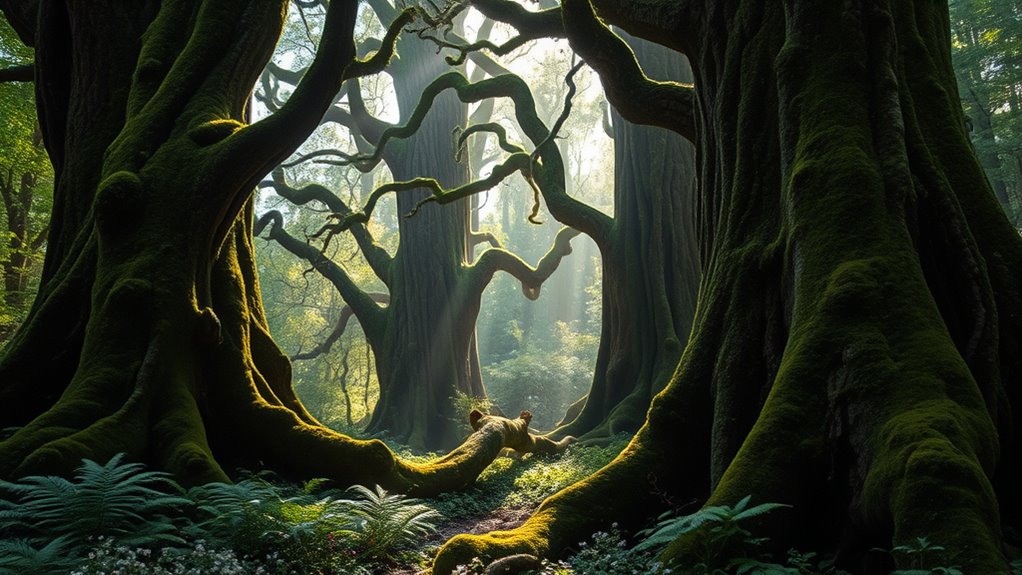
Ancient woodlands hold profound cultural and spiritual significance for many communities, serving as symbols of heritage, continuity, and connection to nature. You may see them as sacred spaces, where traditions, stories, and rituals are deeply rooted. Indigenous peoples often consider these forests as living ancestors, integral to their identity and spiritual practices. They offer a sense of place and stability, linking past, present, and future generations. These forests inspire reverence, reflection, and a sense of belonging. Their timeless presence fosters respect for nature’s resilience and cycles. Preserving old-growth forests guarantees that these cultural and spiritual values endure, allowing communities to maintain their traditions and deepen their connection to the natural world for generations to come.
Old-Growth Forests as Refuges for Biodiversity
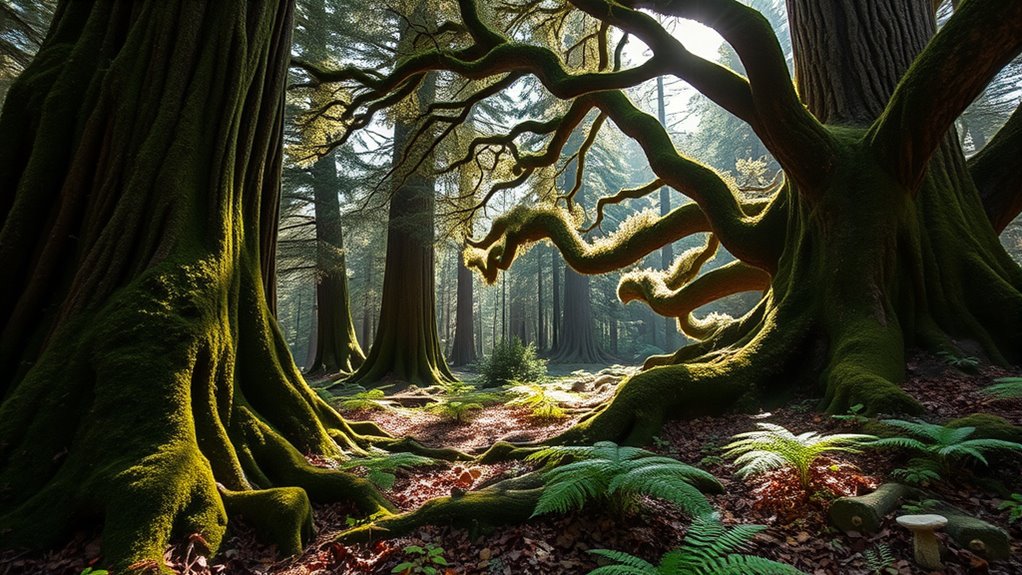
Old-growth forests serve as essential sanctuaries for a diverse array of species, maintaining complex ecosystems that have developed over centuries. These forests support rare plants, fungi, insects, birds, and mammals that depend on stable, mature habitats. Their multilayered canopies and abundant dead wood create niches for specialized species, fostering high biodiversity. You’ll find:
- Unique lichens and mosses thriving on ancient bark
- Fungi that decompose fallen logs, recycling nutrients
- Bird species nesting in large, hollow trees
- Understory plants adapted to low-light conditions
- Mammals relying on complex terrain for shelter and food
This structural diversity offers resilience, enabling ecosystems to withstand environmental changes. Protecting old-growth forests preserves these intricate relationships, ensuring biodiversity persists for generations to come.
The Threats Facing Our Irreplaceable Forest Heritage

Despite their resilience and ecological importance, old-growth forests face increasing threats from human activities and climate change. Logging and land conversion continue to reduce these irreplaceable habitats, often fragmenting large, intact forests into small patches. Climate change exacerbates these issues by intensifying droughts, wildfires, pests, and diseases, which can kill old trees and disrupt ecosystems. Additionally, growing urbanization and infrastructure development threaten to encroach on remaining forests, making protection more difficult. Natural disturbances like fire and storms also pose risks, but human impacts heighten their severity. Without urgent action, these crucial ecosystems risk being lost forever, erasing centuries of ecological complexity and cultural heritage. Preserving what remains requires awareness, stronger protections, and sustainable management practices to combat these mounting threats.
Strategies for Protecting and Managing Old-Growth Habitats
Protecting and managing old-growth habitats requires a multifaceted approach that balances ecological integrity with social and economic needs. You can do this by implementing policies that designate protected areas, restricting commercial logging, and promoting sustainable practices. Active management strategies, like controlled burns or selective thinning, help maintain natural processes and structural diversity. Engaging local communities and Indigenous groups ensures traditional knowledge and cultural values are incorporated into conservation efforts. Consider these key strategies:
- Establishing reserves and protected areas with legal safeguards
- Promoting sustainable forestry practices aligned with ecological health
- Restoring degraded habitats through reforestation and invasive species control
- Supporting research to improve understanding and monitoring
- Encouraging public education and community involvement
Together, these actions help preserve old-growth forests’ unique structures, functions, and cultural significance for future generations.
Scientific Advances in Understanding Old-Growth Dynamics

Recent scientific advances have markedly deepened our understanding of how old-growth forests develop and sustain their complex structures over time. You now recognize that these forests aren’t static; they continuously evolve through natural processes like tree growth, mortality, and decay, which create multilayered canopies and diverse habitats. Improved remote sensing and field monitoring allow you to quantify structural attributes such as large trees, snags, and downed logs, key indicators of old-growth status. Ecological research reveals that soil health, fungal networks, and species diversity are interconnected, maintaining ecosystem resilience. You also understand that variability in age and development depends on regional factors, disturbance regimes, and forest type. These insights help refine conservation strategies, ensuring that old-growth forests are valued not only for their age but for their essential ecological functions.
Why Preservation of Ancient Forests Is Critical for Our Future

Ancient forests are indispensable for our future because they serve as unparalleled reservoirs of biodiversity, climate stability, and ecological resilience. Preserving these forests ensures the survival of countless species that rely on their complex habitats. They act as carbon sinks, helping mitigate climate change, and maintain water quality that benefits all life. Without protection, these ecosystems face irreversible loss. Consider these critical reasons:
Ancient forests sustain biodiversity, combat climate change, and preserve vital ecosystems for future generations.
- They sustain rare and endangered species unique to old-growth habitats
- They stabilize local and global climate through carbon storage
- They preserve soil integrity and prevent erosion
- They support cultural and spiritual traditions of Indigenous communities
- They provide ecosystem services crucial for clean water, air, and biodiversity
Protecting old-growth forests secures a resilient foundation for future generations and the health of our planet.
Frequently Asked Questions
How Do Old-Growth Forests Influence Local and Global Climate Systems?
Old-growth forests influence climate systems by sequestering large amounts of carbon, which helps reduce greenhouse gases and slow global warming. They also regulate local climates through transpiration, cooling air and maintaining humidity. Their complex structure supports diverse ecosystems that influence weather patterns and water cycles. Protecting these forests guarantees ongoing climate regulation, benefiting both local communities and the planet by balancing atmospheric conditions and preventing extreme climate events.
What Roles Do Indigenous Knowledge and Practices Play in Old-Growth Conservation?
You play a crucial role in old-growth conservation by incorporating Indigenous knowledge and practices, which offer invaluable insights into sustainable forest management. Their traditional ways help maintain ecological balance, protect biodiversity, and honor cultural heritage. By respecting and integrating these practices, you enhance conservation efforts, foster community involvement, and guarantee these ancient forests continue to thrive for future generations. Your collaboration with Indigenous communities strengthens the preservation of these irreplaceable ecosystems.
How Resilient Are Ancient Forests to Climate Change and Natural Disturbances?
You might think ancient forests are fragile, but they’re surprisingly resilient to climate change and natural disturbances. Their complex structures, diverse species, and regenerative processes help them adapt over time. For example, their multilayered canopies and soil health enable recovery from fires, storms, or droughts. However, human activities and increasing climate stress threaten their resilience, so protecting these ecosystems is vital to guarantee they can withstand future challenges.
Can Restored Forests Replicate the Ecological Complexity of True Old-Growth Ecosystems?
Restored forests struggle to fully replicate the ecological complexity of true old-growth ecosystems. You might see some structural features like large trees and diverse canopies, but the intricate layers, extensive dead wood, and mature soil systems take centuries to develop naturally. To truly mimic old growth, you need ongoing processes like natural disturbances, species diversity, and soil maturity, which restoration efforts often can’t immediately reproduce.
What Economic Incentives Can Promote the Preservation of Ancient Forest Habitats?
Think of ancient forests as priceless gems, shining with ecological and cultural value. You can promote their preservation by supporting eco-tourism, which offers financial benefits while respecting the land. You can also advocate for policies that reward sustainable forest management, including carbon credits and conservation grants. Additionally, partnering with Indigenous communities can *release* cultural incentives that honor tradition and promote stewardship, turning preservation into a shared economic and spiritual investment.
Conclusion
You hold the power to protect these priceless patches of history. By valuing their vibrant vitality and energizing their preservation, you ensure ancient forests remain alive and awe-inspiring. Let’s lead the way, lessen the loss, and lift the legacy of old-growth ecosystems. Your commitment can conserve their timeless tales, turning today’s choices into tomorrow’s treasures. Together, we can safeguard the sacred, sustaining the splendor of these storied, sacred forests for generations to come.