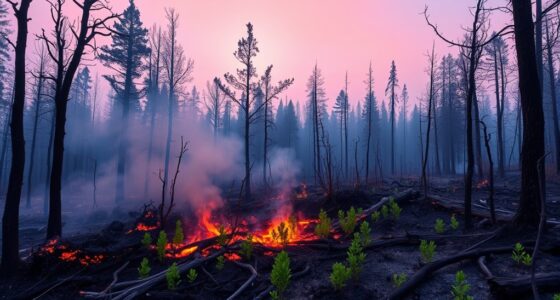
In the Arctic tundra, life survives through incredible adaptations to extreme cold, permafrost, and scarce resources. Plants stay low, grow quickly during short summers, and develop waxy coatings to conserve water and heat. Animals have thick fur, fat layers, and migrate or hibernate to endure harsh winters. The permafrost influences water flow and habitat stability, but climate change is dramatically altering this delicate balance. To discover how these resilient creatures and plants thrive, keep exploring more details.
Key Takeaways
- Arctic plants adapt with low stature, thick coatings, and rapid growth during the short summer to survive extreme cold and limited nutrients.
- Animals utilize insulation, fat reserves, migration, and hibernation to endure harsh winters and seasonal resource scarcity.
- Permafrost influences landscape features and releases greenhouse gases when thawed, impacting ecosystem stability and climate feedbacks.
- Vegetation responds quickly to warming, with increased greening and altered growth patterns due to longer growing seasons.
- Species exhibit rapid physiological and behavioral adaptations, ensuring survival amid climate change and environmental fluctuations.

The Twenty-Ninth Day: Surviving a Grizzly Attack in the Canadian Tundra
As an affiliate, we earn on qualifying purchases.
As an affiliate, we earn on qualifying purchases.
The Unique Climate and Environment of the Tundra
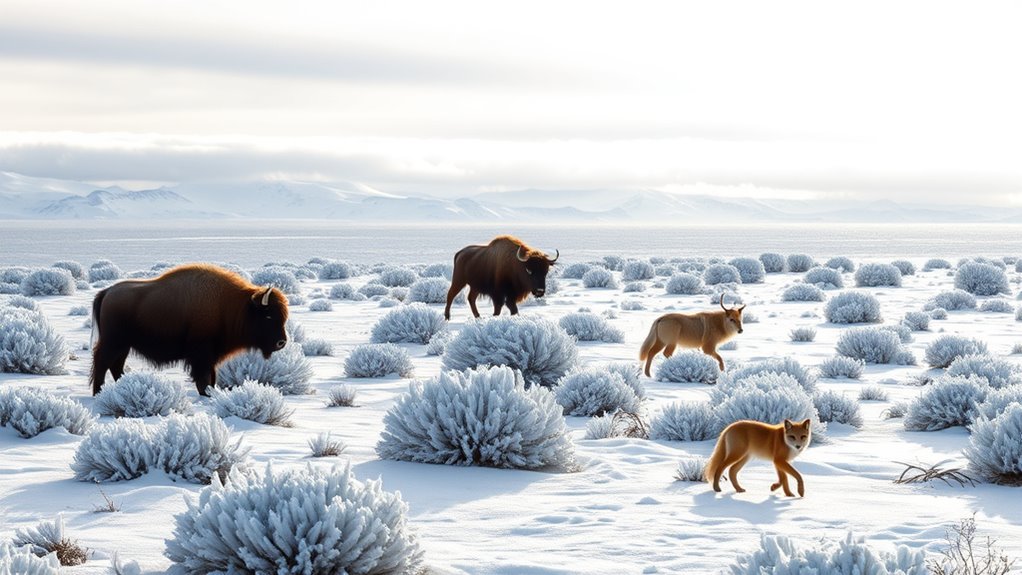
The tundra’s climate is uniquely harsh yet surprisingly dynamic, shaped by extreme cold, low precipitation, and short growing seasons. Winters can plunge to -40°C, lasting 6 to 10 months, with long, dark nights. Summers bring brief warmth, reaching up to 18°C, and only last about 50 to 60 days. Precipitation is scarce—just 150 to 250 mm annually—making it a cold desert, but the soil stays moist due to slow evaporation and permafrost. Permafrost underpins the landscape, trapping moisture and creating wetlands amid dry patches. Despite the extreme conditions, the tundra’s environment influences vegetation, animal behavior, and even carbon cycling. Understanding ecosystem resilience helps explain how these organisms adapt and thrive despite harsh conditions. Additionally, the presence of permafrost affects soil stability and the release of greenhouse gases when it melts. The thawing of permafrost due to climate change can significantly alter carbon release and further impact global climate systems. Moreover, the permafrost layer acts as a natural archive of historical climate data, revealing past environmental changes. Recent studies also highlight the role of microbial communities in maintaining soil health and facilitating nutrient cycling within these frozen landscapes.

HUOFU Ice Cooling Vest for Men Women – Water Evaporative Cool Shirt for MS Patient Outdoor Sport Working Hot Summer Weather High Temperature Protective Clothes
【Evaporative Cooling Vest】: Are you still distressed about how to go out in such a hot day? Air…
As an affiliate, we earn on qualifying purchases.
As an affiliate, we earn on qualifying purchases.
Adaptations of Flora in the Frozen Landscape
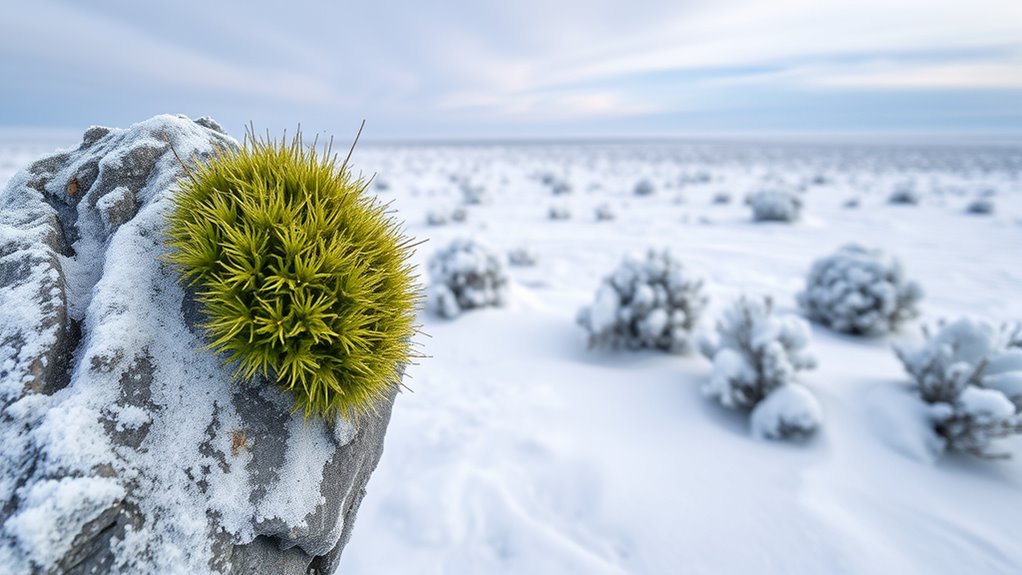
Flora in the Arctic tundra have evolved a range of specialized adaptations to survive the extreme cold, short growing seasons, and nutrient-poor soils. You’ll notice plants remain low to the ground, reducing exposure to wind and cold. Many have thick, waxy coatings on leaves and stems to minimize water loss and insulate against freezing temperatures. Mosses, lichens, and grasses grow quickly during the brief summer, taking advantage of continuous daylight for rapid photosynthesis. Plants also develop shallow roots that spread in the active soil layer, which thaws only briefly. Some species, like shrubs, store energy in underground structures, enabling rapid growth once conditions improve. These adaptations allow plants to endure harsh conditions, maximize limited growing time, and conserve precious nutrients.

Discover the Arctic Tundra: Educational Coloring Book for Kids Ages 5-12: Life in the Frozen Wilderness – 20 Arctic Pages + Educational Activities (Discover World Ecosystems)
As an affiliate, we earn on qualifying purchases.
As an affiliate, we earn on qualifying purchases.
Wildlife Strategies for Survival Amidst Harsh Conditions
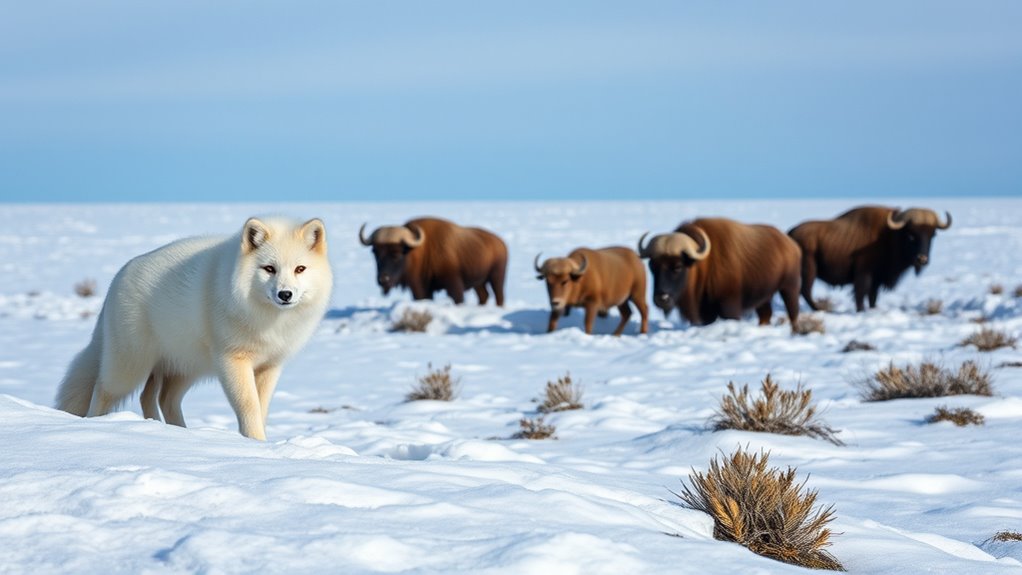
Surviving in the Arctic tundra requires animals to employ a suite of specialized strategies to cope with extreme cold, scarce food, and brief summers. You’ll find many animals have thick fur, fat layers, or dense feathers to insulate against frigid temperatures. Some, like caribou and Arctic foxes, migrate seasonally to find better forage and milder conditions. Others hibernate during the harshest months, conserving energy when food is nearly unavailable. Many species time their breeding and feeding to coincide with the short summer, taking advantage of the burst of plant growth and insect activity. Behavioral adaptations, such as burrowing or seeking shelter under snow, help animals avoid the cold and predators. Understanding foraging range helps explain how these animals optimize their food sources in such a challenging environment. Additionally, some species have developed specialized metabolic processes to generate heat more efficiently in extreme cold. These survival tactics are often complemented by energy conservation strategies that reduce their overall caloric needs, enabling them to endure periods of scarcity. Some animals also utilize fat storage to build up reserves during plentiful times for use during winter months. These survival tactics enable wildlife to endure and even thrive in the Arctic’s relentless environment.

Arctic Tale
As an affiliate, we earn on qualifying purchases.
As an affiliate, we earn on qualifying purchases.
The Role of Permafrost and Hydrology in Shaping Ecosystems
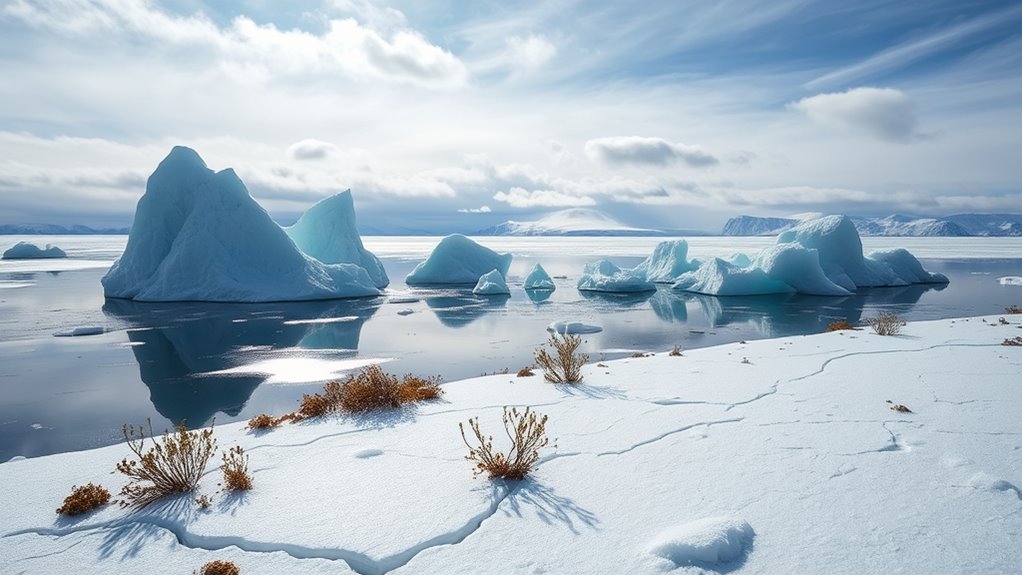
Permafrost plays a crucial role in shaping Arctic ecosystems by controlling water movement and soil stability. Its frozen layer prevents deep drainage, causing surface water to accumulate in wetlands, ponds, and bogs. During summer, melting ice creates a dynamic landscape with patterned ground and frost mounds, influencing water flow and plant distribution. Because of the slow evaporation and ice melt, surface soils remain moist despite low precipitation. This moisture supports specialized vegetation like mosses, lichens, and low shrubs, which adapt to cold, drought, and low nutrients. Permafrost also insulates the soil, protecting plant roots from extreme cold. Additionally, permafrost’s presence influences the soil composition and nutrient availability in these fragile environments. The presence of permafrost also influences carbon storage, which is critical in understanding climate change impacts. Furthermore, the microbial activity in thawing permafrost can accelerate greenhouse gas emissions, impacting global climate systems. Recent studies highlight how permafrost thaw can lead to rapid environmental changes, emphasizing its importance in climate dynamics. Changes in permafrost stability can dramatically alter landscape features and ecosystem functions. Overall, the interaction between permafrost and hydrology maintains a delicate balance that shapes habitats, supports diverse life, and influences ecosystem productivity in the Arctic tundra.
Impact of Climate Change on Tundra Ecosystems
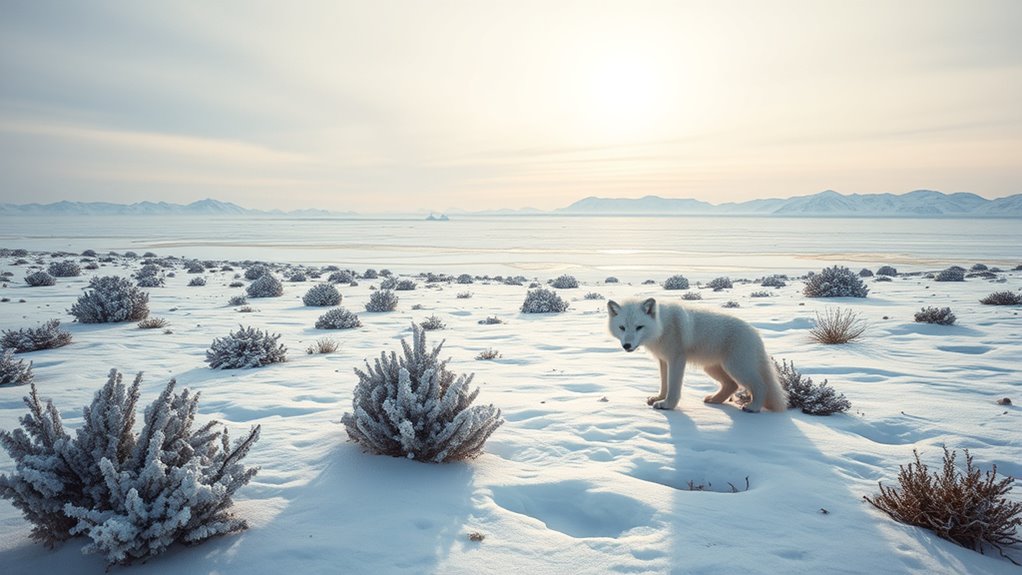
Climate change is rapidly altering the Arctic tundra, disrupting the delicate balance maintained by permafrost and hydrology. As temperatures rise, permafrost thaws, releasing stored carbon and methane, which accelerates global warming. You’ll see vegetation greening, but this can lead to “browning” in some areas due to drought stress. Wildfires are becoming more frequent, further releasing greenhouse gases and damaging ecosystems. The short growing season may lengthen, but extreme temperature shifts challenge plant and animal survival. You should note:
- Thawing permafrost releasing greenhouse gases, which contributes to climate feedback loops.
- Vegetation shifts affecting habitat and carbon storage.
- Increased wildfires disrupting ecosystems.
- Changes in water availability impacting wildlife.
- The vital role of permafrost in maintaining the climate balance is increasingly compromised by warming temperatures. Additionally, the impact on hydrology can lead to altered water flow patterns, further stressing native species. The melting of ice and snow also exposes darker surfaces, which absorb more heat and further accelerate warming, creating a positive feedback cycle.
How Tundra Life Responds to Rapid Environmental Changes
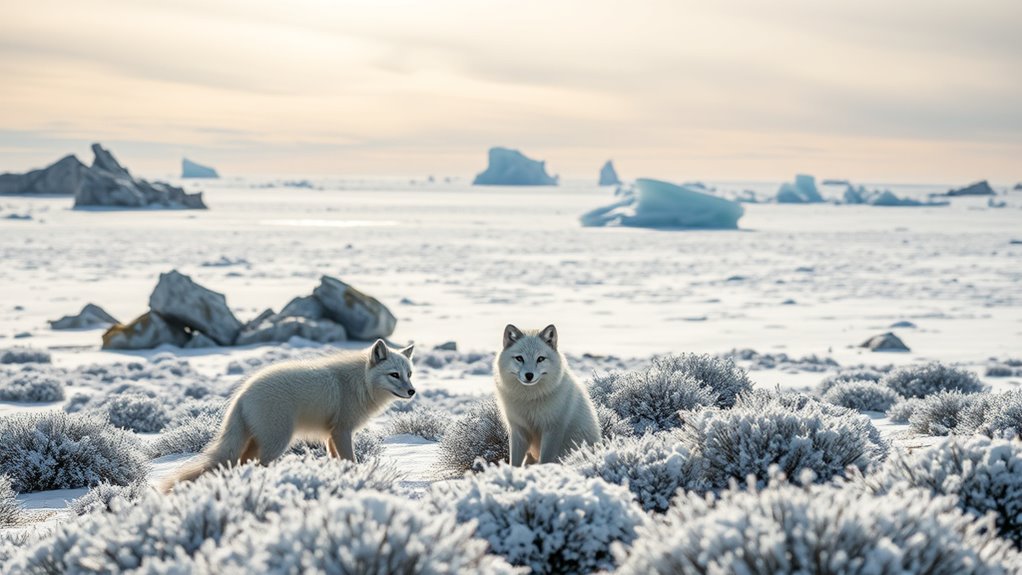
You’ll see that tundra plants and animals have developed remarkable strategies to survive rapid environmental changes. They adapt to short growing seasons through quick growth and specialized features, while many species rely on migration or hibernation to escape harsh conditions. These responses highlight the resilience of tundra life, even amid ongoing climate shifts. Additionally, some species have evolved adaptations for survival that enable them to withstand extreme cold and scarce resources, demonstrating the incredible versatility of life in this challenging environment. For example, certain plants develop drought-resistant features to manage limited water availability during the brief warm periods. Moreover, the presence of celebrity transformations such as quick physical adaptations among animals underscores nature’s ability to evolve rapidly in response to environmental stressors. Interestingly, the ability of some species to rapidly adapt their physiology plays a crucial role in their survival amid unpredictable climate fluctuations. This phenomenon is an example of evolutionary resilience, which allows organisms to adjust swiftly to changing conditions.
Adaptations to Short Seasons
To survive in the tundra’s brief growing season, plants and animals have evolved remarkable adaptations that maximize their ability to grow, reproduce, and endure harsh conditions. You’ll find that tundra species use quick growth cycles, energy conservation, and behavioral shifts to cope with the limited time.
- Plants like mosses and lichens grow rapidly during the short summer, taking advantage of continuous daylight.
- Animals, such as caribou and Arctic foxes, migrate or hibernate to avoid the coldest months.
- Many species store fat to sustain them through long, cold winters.
- Some animals time their breeding or feeding to the brief summer, ensuring they reproduce when conditions are ideal. These strategies help tundra life thrive despite the rapid seasonal changes.
Migration and Hibernation Strategies
As environmental conditions in the tundra change rapidly, many species have adapted their migration and hibernation strategies to survive. You’ll notice animals like caribou migrating thousands of kilometers to find food and better conditions, timing their journeys with the short summer. Others, such as Arctic foxes and bears, hibernate through the harsh winter, conserving energy when food is scarce. Birds migrate south during winter, returning just in time to breed during the brief summer. Some insects and smaller animals remain active year-round, relying on insulative fur, fat reserves, or behavioral adaptations to withstand cold temperatures. These strategies help species cope with unpredictable weather, fluctuating food availability, and melting permafrost, ensuring their survival amid the rapid environmental changes transforming the tundra landscape. Proper filtration and pump protection are vital for maintaining the health of the equipment used in research and conservation efforts in these fragile environments.
Vegetation Resilience and Change
Vegetation in the tundra demonstrates remarkable resilience, quickly responding to the rapid environmental changes driven by climate warming. You’ll notice increased greening, with record-high tundra greenness since 2020, especially in North America. This rapid growth is due to longer growing seasons and thawing permafrost, which release nutrients. However, not all areas benefit; some experience browning, indicating stress. You’ll see mosses, lichens, grasses, and shrubs thriving, adapting through low stature and rapid photosynthesis. Additionally, the effect of permafrost thawing further influences plant growth patterns and nutrient availability.
Frequently Asked Questions
How Do Plants Photosynthesize During 24-Hour Daylight Periods?
During 24-hour daylight periods, plants photosynthesize continuously because they rely on the constant sunlight to produce energy. Unlike plants in temperate zones, tundra vegetation doesn’t need a dark period to rest. You’ll see mosses, lichens, and low shrubs taking advantage of this extended sunlight, maximizing their photosynthesis. This adaptation helps them grow rapidly during the short summer, despite the harsh cold and nutrient-poor soils.
What Are the Primary Threats to Tundra Biodiversity Today?
You face significant threats to tundra biodiversity, primarily from climate change and human activities. Rising temperatures trigger thawing permafrost, transforming ecosystems and releasing stored greenhouse gases. Wildfires and habitat loss disrupt delicate plant and animal populations, while industrial development introduces pollution and disturbance. These threats threaten the fragile balance of the tundra, risking the decline of unique species and the loss of crucial ecological functions that sustain this icy environment.
How Do Indigenous Communities Adapt to Changing Tundra Environments?
You adapt by traditional practices like hunting, fishing, and gathering that align with seasonal changes. You modify your shelter and clothing to cope with shifting temperatures and unpredictable weather. You also track animal migrations and plant cycles closely, adjusting your activities accordingly. Embracing new technologies and community cooperation helps you navigate climate impacts, ensuring your cultural survival and maintaining access to resources in this rapidly changing environment.
Can Permafrost Thawing Accelerate Global Climate Change?
Yes, permafrost thawing can accelerate climate change. When permafrost melts, it releases stored carbon in the form of methane and carbon dioxide, both potent greenhouse gases. This release increases global warming, which in turn causes more permafrost to thaw in a feedback loop. By warming the planet further, thawing permafrost intensifies climate change, making it a critical factor in our efforts to reduce greenhouse gas emissions.
What Innovations Help Monitor Tundra Ecosystem Health Remotely?
You can use satellite remote sensing technologies, like multispectral and hyperspectral imaging, to monitor tundra ecosystem health remotely. These innovations detect changes in vegetation greenness, soil moisture, and land surface temperature, providing real-time data. Drones equipped with sensors also offer detailed aerial views. Together, these tools help you track environmental shifts, assess the impacts of climate change, and support conservation efforts in the fragile Arctic ecosystem efficiently.
Conclusion
You might think the Arctic tundra is too extreme for life, but nature proves otherwise. Plants and animals have evolved incredible adaptations to survive the cold and harsh conditions. Some experts believe that as climate change accelerates, these species will face even greater challenges. Yet, studies show many creatures are resilient, adjusting their strategies to thrive. So, while the tundra’s future is uncertain, its astonishing resilience reminds us of nature’s incredible ability to adapt and endure.