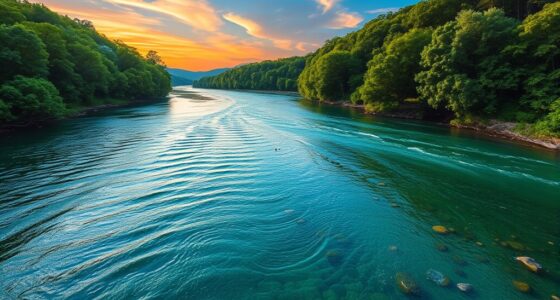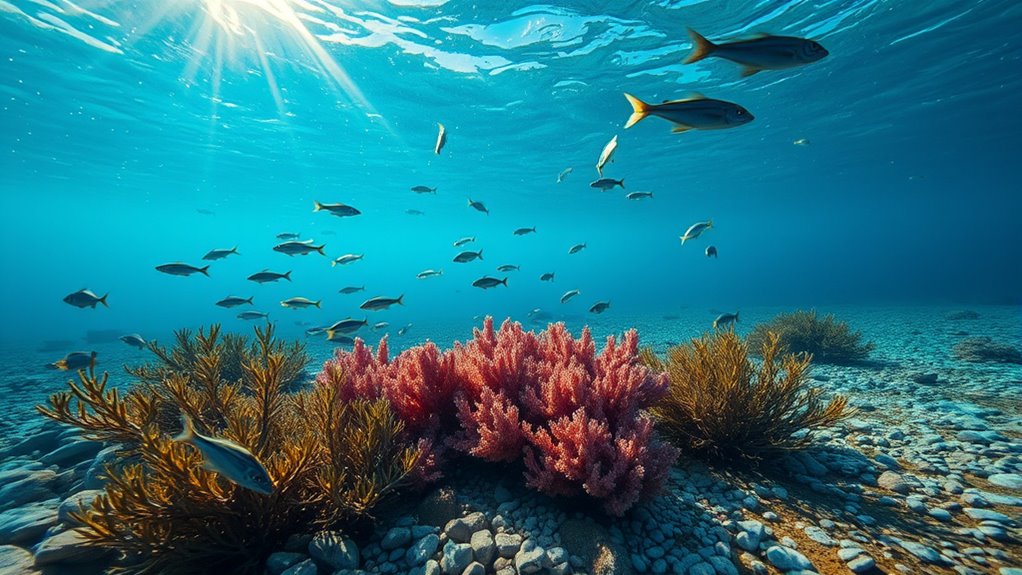

The Great Lakes form from glacial activity during the last Ice Age, creating deep basins and submerged features like ridges, moraines, and shipwrecks. These lakes support over 3,500 species and host unique ecosystems around rocky reefs and thermal vents. Human impacts, like pollution and invasive species, threaten their health. Through cooperation and conservation efforts, we can protect this underwater world. To uncover more about these fascinating features and ecosystems, keep exploring.
Key Takeaways
- The Great Lakes feature diverse underwater landscapes including ridges, reefs, shipwrecks, and ancient glacial formations.
- Submerged features support unique micro-ecosystems like thermal vents and cold seeps.
- Underwater topography influences water flow, habitat diversity, and ecological patterns across the lakes.
- Exploration of submerged shipwrecks and geological formations reveals the lakes’ rich maritime and natural history.
- These underwater environments are vital for biodiversity, supporting thousands of species and complex ecosystems.

4K Underwater Camera 16FT Waterproof Camera with 32GB Card 64MP Autofocus Dual-Screen Selfie Underwater Camera for Snorkeling Waterproof Compact Floatable Digital Camera 1250mAh Battery Type-C (Blue)
【4K UHD Waterproof Camera】 Experience the thrill of underwater exploration with our 4K waterproof camera. With a stunning…
As an affiliate, we earn on qualifying purchases.
As an affiliate, we earn on qualifying purchases.
The Formation and Geological Origins of the Lakes

The Great Lakes formed roughly 10,000 to 14,000 years ago during the last Ice Age, when massive glaciers covered much of North America. As these glaciers retreated, they carved out deep basins in the Earth’s surface, creating the foundation for the lakes. The Laurentide Ice Sheet was the primary force behind this shaping process, gouging the land and leaving behind depression-filled valleys. When the glaciers melted, meltwater flooded these basins, filling them with freshwater. Over time, natural processes like sedimentation and water flow stabilized the lakes’ levels. This geological history explains their vast size, depth, and interconnected nature, shaping the essential freshwater system you see today. The lakes’ origins are a direct result of ice-age glacial activity and the subsequent melting that sculpted North America’s landscape. Signs of glacier retreat played a crucial role in defining their current form. Additionally, glacial erosion contributed to the deepening of these basins and their unique topography. The ongoing effects of glacial retreat continue to influence the lakes’ evolving landscape and ecological characteristics.

The Great Lakes Diving Guide Second Edition
Used Book in Good Condition
As an affiliate, we earn on qualifying purchases.
As an affiliate, we earn on qualifying purchases.
Rich Biodiversity and Unique Ecosystems
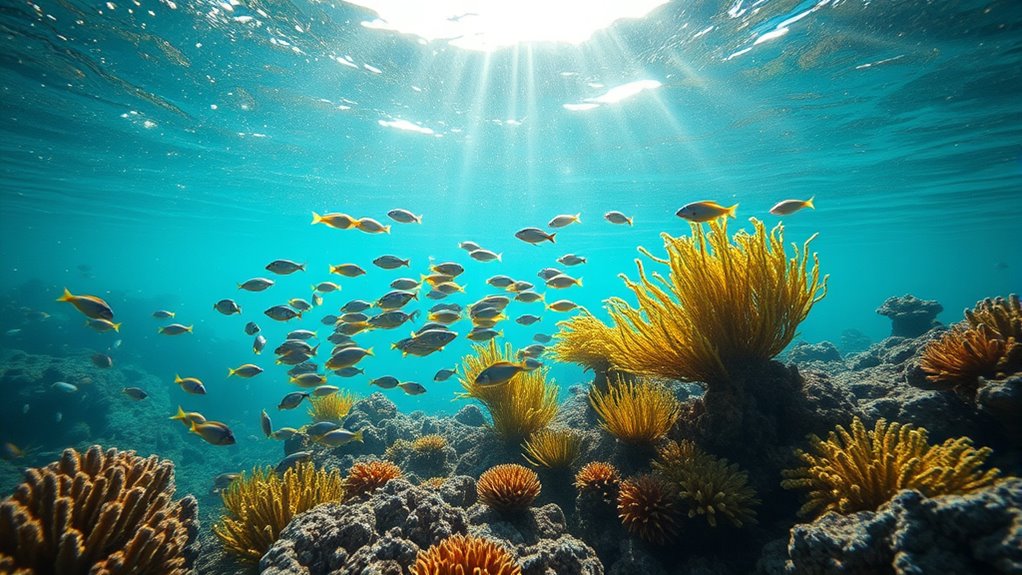
Millions of years of geological shaping have created a diverse array of habitats within the Great Lakes basin, supporting an astonishing variety of plants and animals. You’ll find over 3,500 species living here, including more than 170 fish species like lake trout, walleye, and muskellunge. These lakes serve as critical breeding and feeding grounds for native and introduced fish, with some populations now self-sustaining thanks to habitat restoration. The ecosystems include forests, wetlands, beaches, and islands, each hosting unique communities. These habitats sustain aquatic and terrestrial life, creating complex food webs. You can observe vibrant underwater landscapes teeming with biodiversity, where native species thrive and invasive species challenge ecosystem balance. This rich biodiversity underscores the lakes’ ecological significance and the importance of protecting their fragile ecosystems.

Varify 17in1 Complete Drinking Water Test Kit – 100 Strips + 2 Bacteria Tester Kits – Well, Tap, Home, City Water Testing Strip for Lead, Alkaline, Chlorine, Hardness, Iron, Fluoride, Copper & More
17 IMPORTANT PARAMETERS: The Varify Premium Drinking Water Test Kit offers an unrivaled, complete analysis of your drinking…
As an affiliate, we earn on qualifying purchases.
As an affiliate, we earn on qualifying purchases.
Challenges Threatening Water Quality and Ecosystem Health
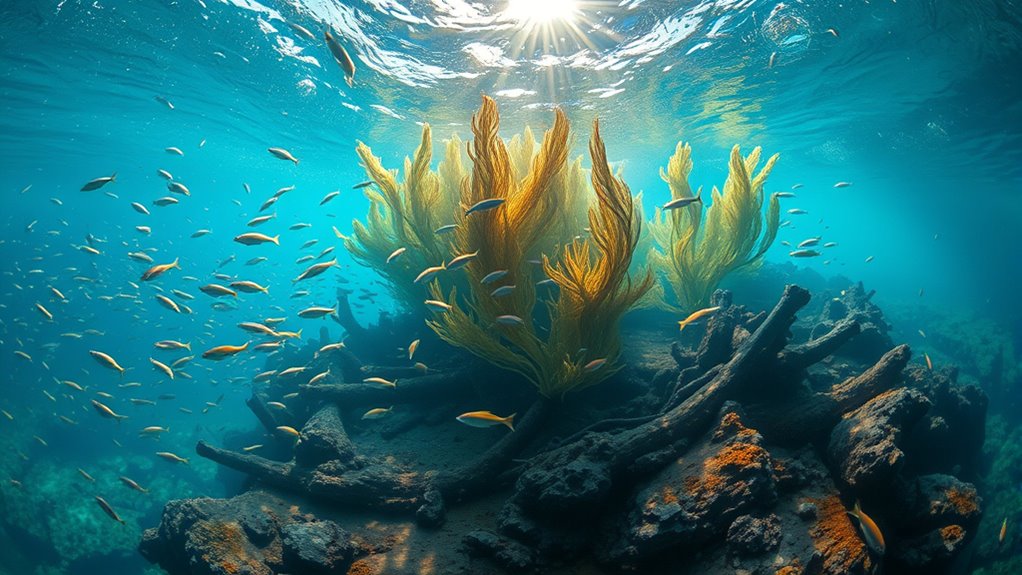
Persistent pollution and invasive species pose significant threats to the water quality and ecosystem health of the Great Lakes. You might notice contaminants from factories, sewage, and runoff entering the lakes, disrupting natural balance. Nutrients like phosphorus cause harmful algal blooms, creating dead zones where aquatic life struggles to survive. Invasive species, such as zebra mussels and sea lampreys, outcompete native species, altering food webs and habitat conditions. Rising chloride levels from road salt threaten freshwater species and drinking water safety. Climate change intensifies these issues, causing fluctuating water levels, longer stratification, and spreading invasive species. These combined pressures compromise the lakes’ ecological integrity, demanding ongoing vigilance and targeted efforts to protect this essential freshwater resource for future generations. Understanding the impact of invasive species helps in developing effective management strategies to restore and preserve the lakes. Additionally, increasing public awareness about these threats is crucial for fostering community engagement in conservation efforts. Implementing advanced cybersecurity measures can also help safeguard data related to environmental monitoring and conservation programs. Moreover, addressing pollutant runoff is vital for maintaining water quality and preventing further ecological degradation.

Freshwater Fish Identification Chart #3 – Waterproof Quick Reference Fishing Guide – Species ID + Fishing Methods – Double-Sided & Easy to Read – Great Gift for Beginners
Includes: Size, Weight, Location, Water Temp, Fishing Methods, Food Quality, And Coloring.
As an affiliate, we earn on qualifying purchases.
As an affiliate, we earn on qualifying purchases.
Human Activities and Their Impact on the Lakes
Human activities considerably influence the health of the Great Lakes, often accelerating pollution and habitat loss. Industrial discharge, agricultural runoff, and urban stormwater introduce contaminants that harm aquatic life and degrade water quality. The use of road salt, especially in winter, increases chloride levels, threatening freshwater species and drinking water sources. Urbanization and deforestation have reduced shoreline habitats and disrupted natural watershed processes. Shipping and recreational activities can disturb sediments and introduce invasive species, which compete with native ecosystems. Additionally, nutrient overload from agriculture fuels harmful algal blooms and dead zones. These activities collectively threaten the lakes’ ecological balance, water clarity, and biodiversity, making it essential for ongoing efforts to manage and reduce human impacts to preserve this essential freshwater resource. Moreover, ongoing research emphasizes the importance of monitoring water quality and implementing sustainable practices to protect these vital ecosystems.
Conservation Strategies and Cooperative Management Efforts
You play a key role in supporting conservation efforts through binational policy initiatives that promote shared stewardship of the lakes. Collaborative ecosystem restoration projects bring together governments, scientists, and communities to address pollution, invasive species, and habitat loss. By staying informed and participating, you help strengthen these cooperative management efforts to protect the Great Lakes’ underwater worlds. Implementing preventive measures such as monitoring and regulation can further reduce the impact of harmful activities on these delicate ecosystems. Incorporating sound vibrations in educational programs can also raise awareness about the importance of protecting these ecosystems. Moreover, understanding the significance of Pimple Patches and their role in skincare can serve as a reminder of how targeted interventions can promote health and resilience, similar to ecosystem management. Additionally, fostering self-awareness about our environmental impact can empower individuals and communities to make more sustainable choices that support the lakes’ health. Recognizing the importance of ecosystem restoration efforts is essential for long-term conservation success.
Binational Policy Initiatives
Binational policy initiatives play a crucial role in protecting and managing the Great Lakes ecosystem through coordinated conservation strategies. You can see this collaboration in actions like the Great Lakes Water Quality Agreement, which guides joint efforts to reduce pollution, control invasive species, and improve water quality. Agencies from both the U.S. and Canada work together to set standards, share data, and respond quickly to environmental threats. You’ll also find binational bodies, such as the Great Lakes Fishery Commission, facilitating policies for sustainable fish populations and habitat protection. These initiatives promote cross-border initiatives that address complex issues like nutrient loading, chloride pollution, and habitat loss. By cooperating on policy, both nations strengthen their ability to safeguard this essential freshwater resource for future generations. Changing Gears and other maintenance practices are also vital for ensuring the longevity of bicycle components used during environmental awareness activities. Additionally, fostering trust-building and open communication between stakeholders can enhance the effectiveness of these initiatives and lead to more resilient conservation efforts. Promoting environmental stewardship among local communities further supports sustainable management of these vital waters.
Ecosystem Restoration Collaborations
Ecosystem restoration collaborations in the Great Lakes region bring together governments, organizations, and communities to restore and protect essential habitats. These partnerships focus on improving water quality, controlling invasive species, and restoring native habitats like wetlands and forests. Agencies such as the Great Lakes Fishery Commission, NOAA, and local groups work jointly to implement projects that enhance ecosystem resilience. You can get involved through public awareness campaigns, volunteer initiatives, or supporting policies that reduce pollution and habitat destruction. These efforts also include habitat restoration, invasive species management, and pollution reduction programs. By pooling resources and expertise, these collaborations aim to sustain the lakes’ ecological health, ensuring they continue to support diverse species, provide clean water, and maintain their crucial economic and recreational roles for future generations. Additionally, adopting reliable monitoring systems helps track the success of restoration efforts and guides adaptive management strategies. Implementing risk assessment techniques is essential for identifying and mitigating potential threats to these conservation projects. Furthermore, incorporating renewable energy sources can help reduce the environmental impact of ongoing restoration activities. Engaging local communities and stakeholders is vital for fostering long-term sustainability and ensuring ongoing support for conservation initiatives.
Exploring the Hidden Depths and Underwater Features
Have you ever wondered what secrets lie beneath the shimmering surface of the Great Lakes? Beneath the waves, you’ll find a landscape filled with intriguing features that shape these freshwater giants. You might encounter submerged ridges and ancient glacial moraines that reveal the lakes’ icy past. Exploring the depths uncovers shipwrecks from centuries of maritime activity, now silent echoes of history. You can also discover underwater caves, where freshwater filters through limestone formations. The lakes host unique habitats like rocky reefs and sandy bottoms, supporting diverse species. Additionally, thermal vents and cold seeps create micro-ecosystems, thriving in darkness. These features are often associated with spiritual energy, reflecting the profound connection between the environment and the unseen forces that influence it. Moreover, the presence of underwater topography significantly impacts water flow and ecological patterns within the lakes. Understanding geological formations can shed light on the origins of these features and their role in shaping the ecosystem.
Frequently Asked Questions
How Do the Lakes Influence Regional Climate Patterns?
You’ll notice that the lakes influence regional climate patterns by moderating temperatures, making winters milder and summers cooler nearby. Their large surface area causes increased humidity and cloud formation, which can lead to more frequent storms and snowfall. The lakes also create localized weather effects, like lake breezes and fog, impacting agriculture and daily life. Their presence helps stabilize climate conditions, but climate change may weaken these influences over time.
What Are the Most Significant Invasive Species Currently in the Lakes?
You’ve probably heard of the sea lamprey, zebra mussels, and quagga mussels—they’re like tiny invaders taking over the lakes! The sea lamprey preys on native fish, while zebra and quagga mussels clog pipes and outcompete native species. These invasive species are so relentless, they threaten the entire ecosystem, transforming the lakes into battlegrounds where native species struggle to survive against these tiny but mighty foes.
How Does Climate Change Specifically Affect Lake Water Levels?
Climate change causes fluctuations in lake water levels by altering precipitation, evaporation, and ice cover patterns. You’ll see lower levels as increased temperatures boost evaporation rates and reduce ice formation, which normally helps retain water. Conversely, heavy rainfall from storms can temporarily raise levels. Overall, climate change creates unpredictable water levels, risking shoreline erosion, habitat loss, and affecting water supply and shipping routes in the Great Lakes.
Are There Underwater Historical Sites or Shipwrecks in the Lakes?
You can explore numerous underwater historical sites and shipwrecks in the Great Lakes. These lakes, formed by glaciers, have preserved hundreds of shipwrecks from the 19th and 20th centuries, making them a treasure trove for divers and historians. Many wrecks, like the Edmund Fitzgerald in Lake Superior, remain remarkably intact, offering a glimpse into maritime history. You can even tour some sites or join diving expeditions to discover these submerged relics.
What Innovative Technologies Are Used to Monitor Lake Health?
You rely on innovative technologies like remote sensing, autonomous drones, and underwater sensors to monitor lake health. These tools collect real-time data on water quality, temperature, and pollution levels, enabling quick responses to environmental threats. Satellite imagery helps track algae blooms and sediment movement from space. You also use AI and data analytics to interpret complex data sets, ensuring effective management and protection of these essential freshwater ecosystems.
Conclusion
You’re now aware that the Great Lakes hold 21% of the world’s surface freshwater, making them one of the largest freshwater systems on Earth. Despite their vast size, they face threats from pollution and human activity. By understanding their geological origins and ecosystems, you can appreciate the importance of conservation efforts. Protecting these underwater worlds isn’t just a local duty—it’s essential for sustaining nearly 40 million people who rely on their water every day.