A home weather station is a great way to stay on top of local conditions. You can choose a basic model for temperature and humidity or an advanced one for wind speed and rainfall. Calibration is key to getting accurate readings, so make sure to understand that process. Look for models with connectivity features that let you track data remotely. By knowing your options, you can find the perfect station for your needs, and there’s more to explore!
Key Takeaways
- Determine your needs by exploring different weather station types, from basic models to advanced ones with multiple sensors.
- Ensure sensor calibration features are available for improved accuracy and reliable long-term measurements.
- Invest in reputable brands to enhance data accuracy and ensure confidence in your weather readings.
- Look for connectivity features that allow remote tracking of data via smartphones or computers for convenience.
- Research and compare models to align their capabilities with your specific weather monitoring goals and interests.

When you start looking at weather stations, you’ll notice they come in several types. Basic models often measure temperature, humidity, and barometric pressure, making them suitable for casual users. However, if you’re more serious about your data accuracy, you might evaluate advanced stations that include additional sensors for wind speed, precipitation, and UV levels. These features can help you analyze weather trends more thoroughly, allowing you to make informed decisions whether you’re planning a weekend outing or monitoring for extreme weather.
Before you purchase a station, reflect on how you plan to use it. For example, if you’re keen on gardening, keeping track of humidity and soil moisture might be vital for you. Alternatively, if you love storm chasing, you’ll want a station that offers detailed wind and precipitation data. Each weather station type caters to different needs, making it essential to understand what you require from your equipment. Additionally, some stations offer sensor calibration features that help improve measurement accuracy over time, which can be crucial for more precise data collection. Knowing how to properly calibrate your sensors can significantly enhance the reliability of your measurements.
You should also evaluate data accuracy. This factor can make or break your weather experience. Inexpensive models may provide basic readings, but they often lack precision. For instance, a station that inaccurately measures temperature by a few degrees can throw off your entire forecast. It’s worth investing in a reputable brand known for reliable readings, especially if you’re serious about understanding the weather. Data accuracy is a critical aspect that influences the overall value of your weather station and your confidence in the readings it provides.
Another aspect to reflect on is connectivity. Many modern weather stations allow you to connect to your smartphone or computer, giving you the ability to track data remotely. This feature can be particularly useful if you want to monitor changes while you’re away from home. Additionally, understanding weather station types can help you select the best model for your needs. Being aware of the different models and their capabilities ensures you choose one that aligns with your specific weather monitoring goals.
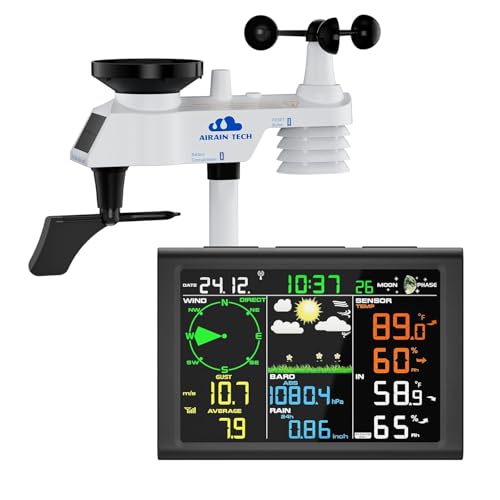
AIRAIN TECH 10-in-1 Wireless Weather Station,with Outdoor Sensor,Rain Gauge,Atomic Clock,Wind Speed/Wind Direction,Indoor Temperature and Humidity,Barometer,Weather Forecast, etc.(NO WiFi)
⛅️【High-Precision Swiss Temperature and Humidity Sensor】Real-time temperature range: -40°F to 140°F, with an accuracy of up to ±2°F/1°C….
As an affiliate, we earn on qualifying purchases.
As an affiliate, we earn on qualifying purchases.
Frequently Asked Questions
How Much Do Home Weather Stations Typically Cost?
Home weather stations typically cost between $50 and $500, depending on features and accuracy. If you’re on a budget, you can find decent options starting around $50. When shopping, make brand comparisons to guarantee you’re getting the best value for your money. Higher-end models offer advanced features like Wi-Fi connectivity and extensive data tracking, while budget options cover basic needs. You’ll find something that fits your needs without breaking the bank!
Can I Connect My Weather Station to Smart Home Devices?
Yes, you can connect your weather station to smart home devices! Many modern weather stations offer smart compatibility, allowing for seamless data integration with platforms like Google Home or Amazon Alexa. This connection lets you access real-time weather data through your smart devices and even automate certain functions based on weather conditions. Just check your station’s specifications to confirm it supports the integration you’re aiming for. Enjoy enhanced convenience and control!
What Features Should I Prioritize When Choosing a Weather Station?
When choosing a weather station, prioritize data logging capabilities and various sensor types. You’ll want sensors that measure temperature, humidity, rainfall, and wind speed to get a thorough view of your environment. Look for stations that allow you to store and analyze data over time; this’ll help you spot trends and make informed decisions. Additionally, consider connectivity options for syncing with other smart home devices to enhance your setup.
How Accurate Are Home Weather Stations Compared to Professional Ones?
Home weather stations can be surprisingly accurate, often rivalling professional ones—if you use the right calibration methods. But wait, how do you guarantee data reliability? It’s all about regular maintenance and proper setup. If you neglect calibration, your readings might mislead you. So, keep an eye on your station’s performance, and don’t hesitate to adjust it as needed. With the right care, you’ll have a dependable source of weather information at your fingertips.
Do I Need Any Special Tools for Installation?
You don’t need any special tools for installation, but having a few basics handy can make the process smoother. For setup requirements, make certain you have a ladder, a level, and a screwdriver. Follow these installation tips: choose a clear location away from obstructions, mount the station securely, and verify it’s at the recommended height. This way, you’ll get the most accurate readings and enjoy your new weather station!
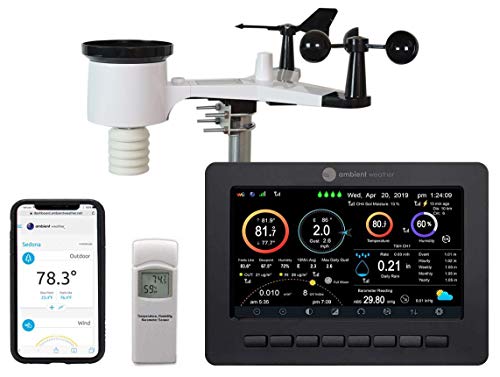
Ambient Weather WS-2000 Smart Weather Station with WiFi Remote Monitoring and Alerts
Allows you to monitor your home and backyard weather conditions with TFT color display
As an affiliate, we earn on qualifying purchases.
As an affiliate, we earn on qualifying purchases.
Conclusion
To sum up, investing in a home weather station can transform how you connect with your environment. Did you know that nearly 80% of people feel more in tune with nature when they track local weather patterns? By monitoring the weather right from your backyard, you’re not just gathering data; you’re cultivating a deeper appreciation for the world around you. So, go ahead, take the plunge, and become your own weather expert—your backyard adventures await!

Newentor Weather Station Wireless Indoor Outdoor Thermometer, Color Display Digital Weather Thermometer with Atomic Clock, Barometric Pressure, Forecast Station with Adjustable Backlight, Black
[7.5" LCD Screen Weather Stations] Newentor temperature&humidity monitor with large color display, which shows comprehensive information: inside outside…
As an affiliate, we earn on qualifying purchases.
As an affiliate, we earn on qualifying purchases.
Newentor Weather Station Wireless Indoor Outdoor Thermometer, Color Display Digital Weather Thermometer with Atomic Clock, Barometric Pressure, Forecast Station with Adjustable Backlight, Black
[7.5" LCD Screen Weather Stations] Newentor temperature&humidity monitor with large color display, which shows comprehensive information: inside outside…
As an affiliate, we earn on qualifying purchases.
As an affiliate, we earn on qualifying purchases.