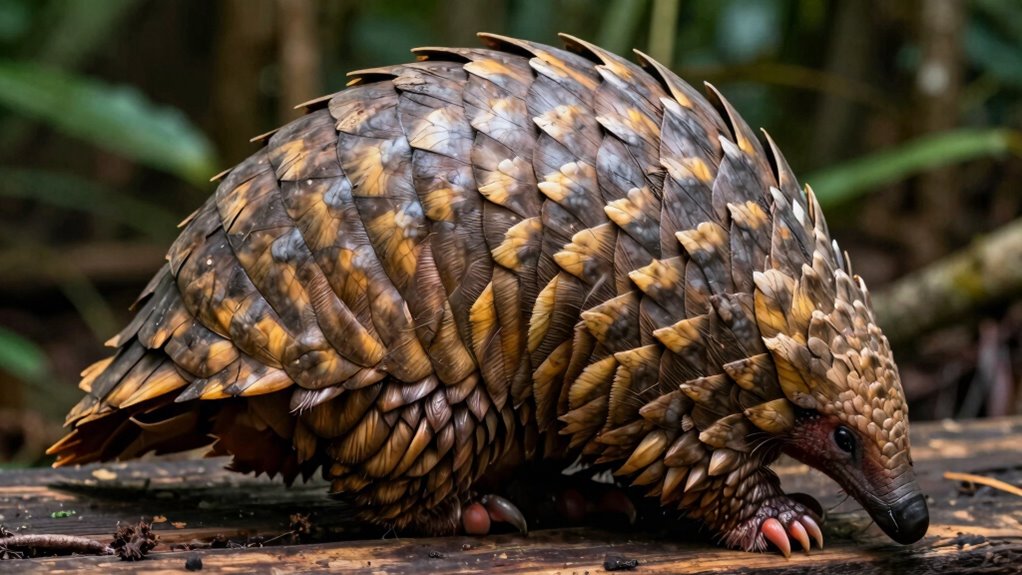

Pangolins are the world’s most trafficked mammals because their scales and body parts are highly prized in traditional medicine and exotic markets, especially in Asia and Africa. Their elusive, nocturnal behavior makes them difficult to monitor and catch. Despite international laws, traffickers use sophisticated methods to smuggle them, driven by high demand and economic incentives. If you want to understand more about the challenges and efforts to protect these amazing creatures, keep exploring.

Prime made for students and young adults
- Fast, free delivery for dorm and study essentials
- Prime Video and Amazon Music included
- Member-only deals
Key Takeaways
- High demand for their scales and body parts in traditional medicine markets drives illegal trafficking.
- Their elusive, nocturnal behavior makes monitoring and enforcement efforts challenging.
- Cultural beliefs and misconceptions about medicinal properties increase their targeted use.
- Lucrative illegal trade funds criminal networks, perpetuating trafficking despite laws and conservation efforts.
- Ongoing demand for pangolins as exotic pets sustains illegal hunting and trade activities.
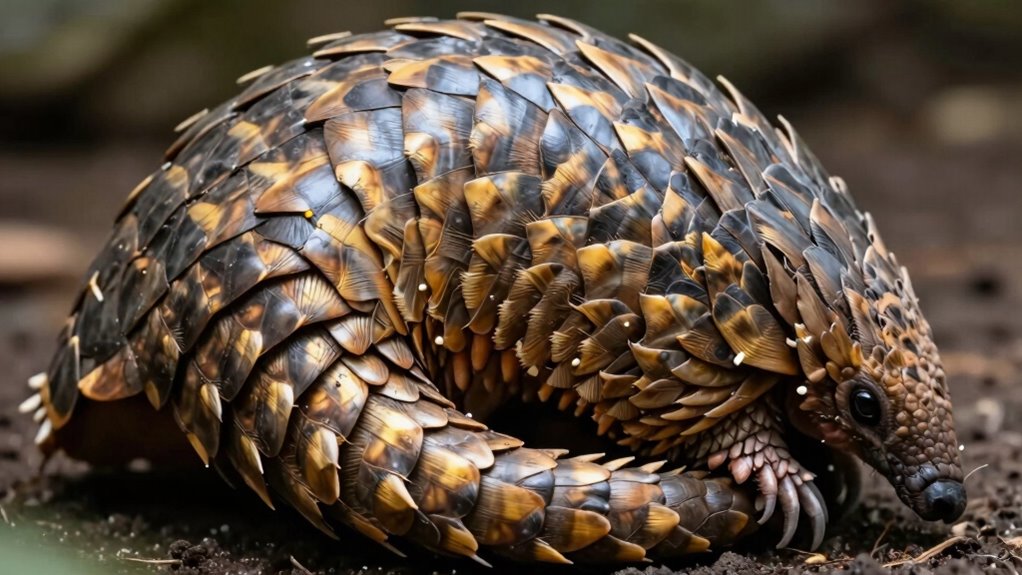
Pangolins are among the most trafficked mammals in the world, facing relentless threats from illegal wildlife trade. You might wonder why these unique creatures have become such prime targets for poachers and traders. The answer lies in a mix of cultural beliefs, high demand, and the challenges of enforcement. Their scales, made of keratin, are mistakenly believed to possess medicinal properties, fueling an insatiable appetite across parts of Asia and Africa. This demand keeps illegal trade thriving, despite international laws prohibiting the hunting and sale of pangolins. The illegal trade isn’t just about the animals; it’s a lucrative business that funds criminal networks, making it difficult for authorities to stem the flow. As a result, pangolins are caught in a cycle of exploitation that’s hard to break. Additionally, their nocturnal and elusive nature complicates efforts to monitor and protect their populations effectively, especially since they are difficult to spot and track in the wild. This secretive behavior only adds to the challenge of conservation and enforcement. Moreover, the difficulty in detecting pangolin traffickers at border crossings further complicates efforts to curb illegal trade. Conservation efforts are critical in trying to protect these remarkable creatures, but they face significant hurdles. You see, pangolins are nocturnal and elusive, which makes monitoring populations a challenge. Many conservation programs focus on raising awareness about the importance of protecting pangolins and cracking down on illegal trade routes. These efforts include strengthening legal frameworks, training law enforcement officers, and increasing patrolling in known trafficking hotspots. International cooperation through organizations like CITES (Convention on International Trade in Endangered Species) plays a vital role in setting strict regulations and penalties. Yet, enforcement remains difficult because traffickers often operate in remote areas and use sophisticated methods to smuggle pangolins across borders. Community involvement is also crucial in combating illegal activities, as local communities can serve as frontline defenders against poaching.
Despite the global awareness, the demand for pangolin products continues to grow, driven by traditional medicine markets and exotic pet trade. This persistent demand pushes conservation efforts to adapt quickly, emphasizing community engagement and sustainable alternatives. Educating local communities about the ecological importance of pangolins and offering economic incentives can help reduce illegal trade. Still, these strategies take time to show results, leaving pangolins vulnerable in the meantime. You need to understand that protecting pangolins isn’t just about saving a single species; it’s about disrupting a destructive cycle that threatens biodiversity and fuels criminal activities. Your support for conservation initiatives and adherence to laws against illegal trade can make a difference. Every effort counts in ensuring that pangolins, with their unique features and vital ecological roles, don’t disappear forever due to greed and ignorance.
As an affiliate, we earn on qualifying purchases.
Frequently Asked Questions
How Do Pangolins Defend Themselves From Predators?
You see, pangolins defend themselves mainly with their tough, overlapping scales, which act as armor against predators. When threatened, they roll into a tight ball, using their scales as a shield. Their predator camouflage helps them blend into their environment, making it harder for predators to spot them. This combination of protective scales and camouflage effectively keeps pangolins safe from threats in the wild.
Are Pangolins Immune to Any Diseases?
You might think pangolins are immune to diseases, but that’s not true. While their immune systems are quite resilient, especially given their diet of ants and termites, no mammal is completely immune. Their habitat preferences in dense forests or grasslands expose them to certain pathogens. Some studies suggest they carry viruses like coronaviruses, but immunity varies. So, stay cautious—pangolins aren’t immune to all diseases.
What Are the Legal Penalties for Trafficking Pangolins?
You face serious penalties if caught trafficking pangolins, as wildlife trade violations are heavily punished under conservation laws. These laws aim to protect pangolins from illegal trafficking, which can lead to hefty fines, imprisonment, or both. Authorities worldwide are cracking down on illegal wildlife trade to preserve these unique mammals. If you’re involved in such activities, you risk severe legal consequences and contributing to the decline of pangolin populations.
How Do Pangolins Communicate With Each Other?
You might not realize it, but pangolins communicate through a mix of vocalizations and scent marking behaviors. Their vocalizations include soft grunts, squeaks, and chirps, which help them signal danger or establish territory. Additionally, they use scent marking to communicate with others and mark their territory, especially at night. These methods are essential for their survival, helping them stay aware of each other’s presence and avoid threats.
Can Pangolins Be Kept as Pets Legally?
You can’t legally keep pangolins as pets. They have specialized diets that mainly consist of ants and termites, which are hard to provide outside their natural habitat. Plus, pangolins require specific habitats, like dense forests or grasslands, that are difficult to replicate. Their delicate health and endangered status make it illegal and unethical to keep them as pets, as it threatens their survival in the wild.
Conclusion
So, next time you hear about pangolins being the most trafficked mammals, remember their unique scales and medicinal myths fuel demand. Some believe pangolins possess healing powers, but there’s no scientific proof. If more people understood the real struggle these gentle creatures face, perhaps we’d see less illegal trade. Protecting pangolins isn’t just about saving a species — it’s about preserving an essential part of our natural world.
Fall Picks
fall essentials
As an affiliate, we earn on qualifying purchases.