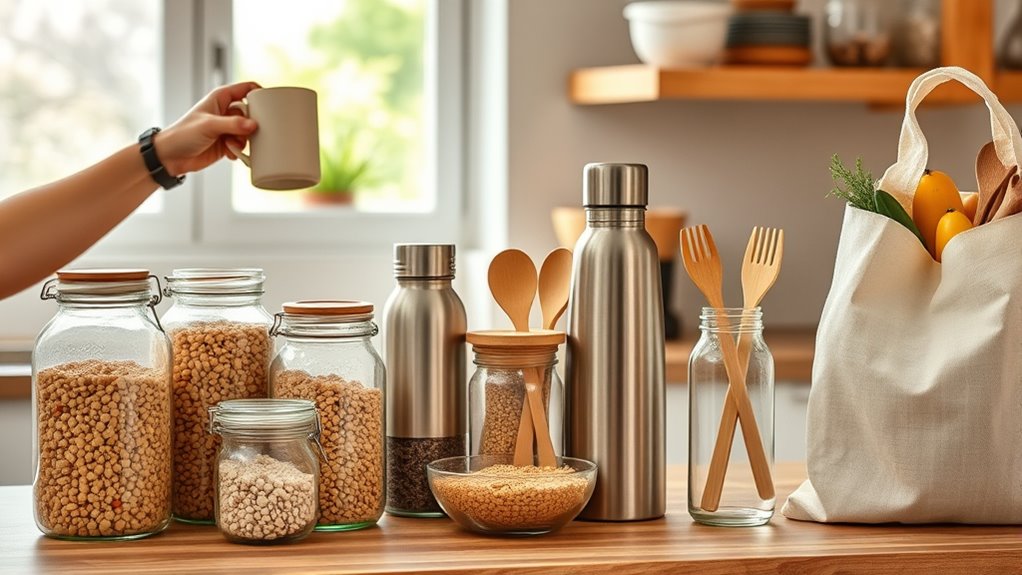

To eliminate single-use plastics from your daily life, start by identifying the items you use most, like bottles, bags, and snack wrappers. Switch to reusable options such as bottles, bags, and containers, and avoid products with excessive packaging. Practice mindful shopping and dispose of plastics properly, supporting local recycling efforts. By making small changes consistently, you can create a more sustainable routine. Keep exploring ways to build a long-term, plastic-free lifestyle for a healthier planet.
Key Takeaways
- Carry reusable items like water bottles, bags, and utensils to replace single-use plastics.
- Choose products with minimal or eco-friendly packaging, such as bulk or recyclable options.
- Properly clean and sort plastics for recycling, and avoid discarding plastics in regular trash.
- Opt for sustainable alternatives like cloth wraps, stainless steel containers, and beeswax wraps.
- Support policies and brands promoting biodegradable packaging and reduced plastic waste.

Augine Swedish Dishcloths for Kitchen, Swedish Dish Cloths 5 Pack, Super Absorbent Reusable Paper Towels Washable, Biodegradable, Quick Drying, Dishwasher Safe
Eco-friendly Materials: Our Swedish dishcloths for kitchen are made from 30% cotton and 70% cellulose wood pulp and...
As an affiliate, we earn on qualifying purchases.
Understanding the Impact of Single-Use Plastics
Have you ever wondered how single-use plastics affect our environment and health? These items, used once and discarded, contribute to staggering pollution levels. Over half of all plastic ever made has been produced since 2000, speeding up environmental damage. When not properly managed, about 32% of plastics end up in landfills or nature, contaminating soil, water, and air. In oceans, millions of tons of plastic hurt marine life, killing over 100,000 animals annually. Plastic breaks down into microplastics, which enter our food chain, affecting our health. This persistent presence of plastic in ecosystems highlights the importance of plastic waste management and reducing our dependence on disposable items. Proper recycling practices are crucial in minimizing environmental impact and conserving resources. With only 9% of plastics recycled worldwide, most waste persists in ecosystems or as litter. This relentless cycle accelerates climate change and biodiversity loss, making it vital to understand the profound impact single-use plastics have on our planet and well-being. Recognizing the environmental consequences of plastic waste can motivate individuals and communities to adopt more sustainable habits.

Remerry 13 Pcs Zero Waste Gift Set Beeswax Wraps, Reusable Farmers Market Bags, Mesh Bags, Straws Kit and Natural Loofah Dish Tool Christmas Kitchen Gifts
Comprehensive Set: this versatile set includes 3 sizes of reusable beeswax wraps, 1 cotton mesh shopping bag, 3...
As an affiliate, we earn on qualifying purchases.
Recognizing Common Single-Use Plastic Items in Your Routine
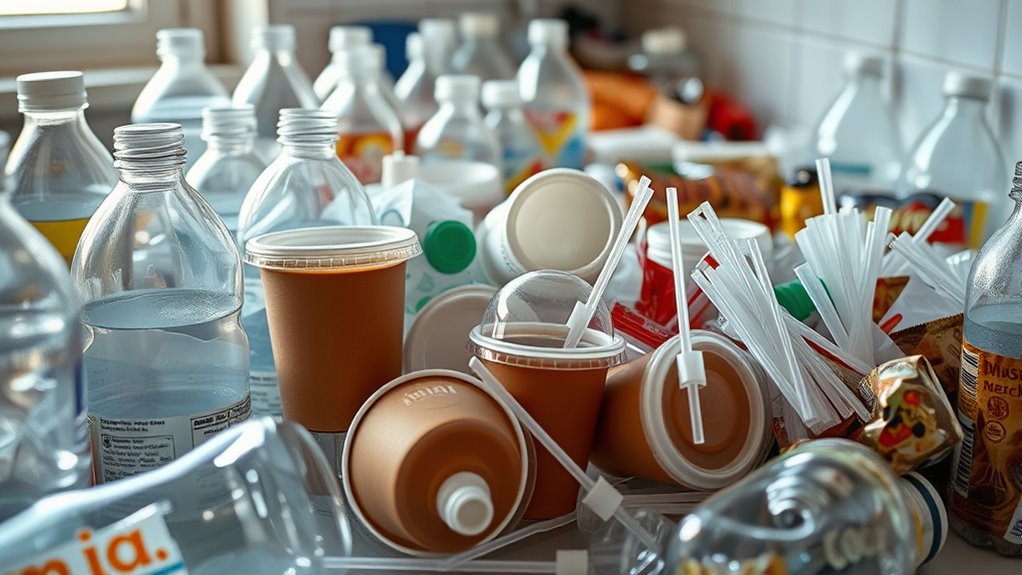
Many single-use plastics are so embedded in daily life that you might not even realize you’re using them. Common items include plastic water bottles, coffee cups, and straws, which you probably grab on the go. Snack and food wrappers, condiment packets, and plastic cutlery are often tossed after a single use. Shopping bags, especially those made of thin plastic, are frequently used for errands or carrying items home. You might also notice plastic produce bags at the grocery store or disposable packaging for takeout meals. Personal care products like shampoo bottles, cotton swabs, and makeup packaging are also single-use plastics. Recognizing these items is the first step toward reducing your consumption and cleaning up your routine. Additionally, understanding the importance of proper disposal and recycling can help prevent plastic waste from polluting the environment. Incorporating reusable alternatives can significantly decrease reliance on single-use plastics and contribute to a more sustainable lifestyle. Being aware of plastic waste impact encourages more mindful purchasing choices and waste management habits.
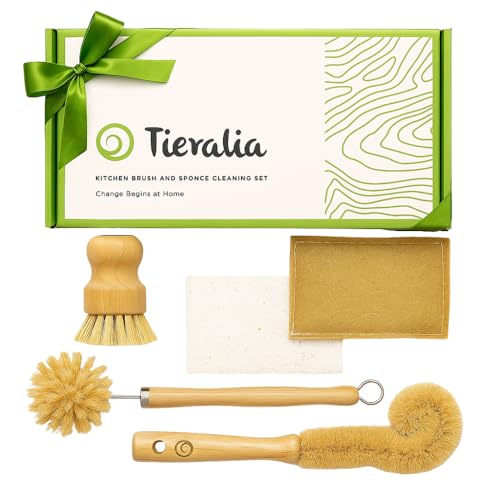
Tieralia Bamboo Dish Brush Gift Set – 5-Piece Kitchen Cleaning Set with Bottle Brush, Round Scrub Brush, Palm Brush & 2 Plant-Based Sponges | Wooden Handle Cleaning Tools for Dishes & Surfaces
🧼 All-in-One Cleaning Kit for Every Task: This 5-piece set includes a long bottle brush, palm scrubber, round...
As an affiliate, we earn on qualifying purchases.
Assessing Your Personal Plastic Footprint
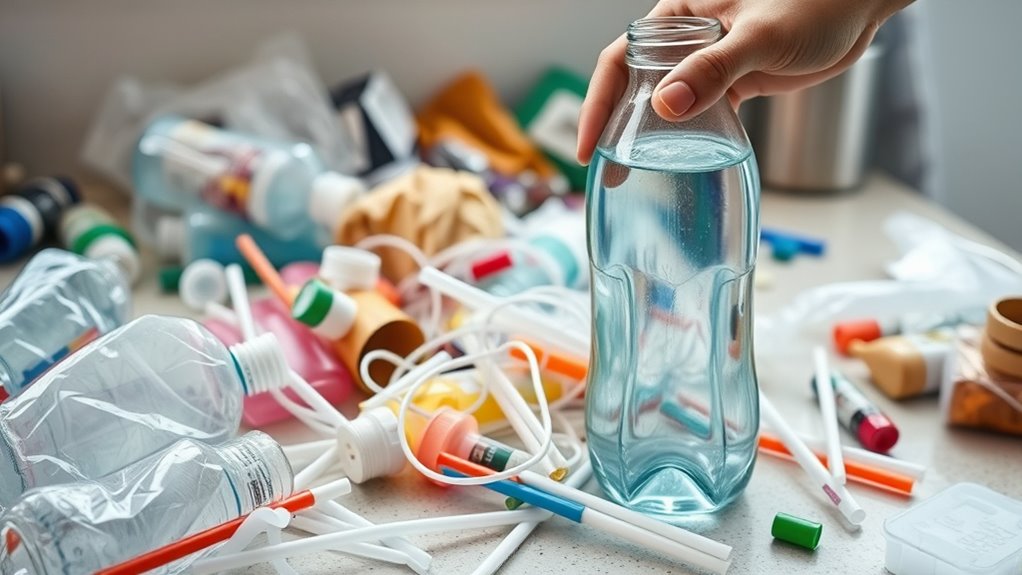
Ever wonder how much plastic waste you personally generate each day? The first step to reducing your plastic footprint is understanding your habits. Track the single-use items you use daily—water bottles, coffee cups, snack wrappers, and plastic bags. Notice which items you toss most often and where they come from. Check your shopping and disposal routines. Do you buy bottled drinks or packaged snacks frequently? Do you use disposable utensils or straws? By identifying these patterns, you gain awareness of your contribution to plastic waste. This assessment helps you see the scale of your impact and highlights areas where change is most needed. Being mindful of your plastic usage empowers you to make informed decisions and set realistic goals for a plastic-free lifestyle. Additionally, understanding filtration systems in vacuums can inspire you to choose eco-friendly cleaning tools that reduce waste. Recognizing the importance of creative storytelling in promoting environmental awareness can motivate you to share your journey and inspire others to participate in plastic reduction efforts. Incorporating sustainable product choices further amplifies your efforts and supports a greener future. Moreover, exploring innovative projectors and their eco-friendly features may encourage you to find new ways to educate and motivate others about environmental sustainability.

Isshah Plant-Based Kitchen Sponges - FSC Certified and PETA Approved, Natural, Eco-Friendly, Biodegradable Sisal Hemp Sponges for Dishes, Cleaning Sponge for Kitchen, Bathroom, Household - 12 Count
Natural and Eco-Friendly - Our Kitchen Sponges are made from wood cellulose and the other side made from...
As an affiliate, we earn on qualifying purchases.
Simple Strategies to Reduce Plastic Consumption

Reducing plastic consumption starts with simple, everyday actions that make a big difference. Begin by consciously avoiding single-use plastics like plastic bags, bottles, and straws whenever possible. Carry reusable bags and bottles, so you’re prepared on the go. Opt for products with minimal packaging, and choose bulk or unpackaged items at the store. Use cloth napkins instead of paper towels and avoid disposable cutlery by bringing your own. Make it a habit to refuse freebies that come with plastic packaging. Practice mindful shopping by checking labels for recycled content or eco-friendly alternatives. Small changes add up, reducing waste and preventing plastics from entering landfills or the environment. Additionally, understanding the importance of anime culture and storytelling can inspire creative ways to promote sustainable practices through media. Incorporating environmental awareness into your daily routine can further reinforce your commitment to reducing plastic waste. Recognizing the impact of single-use plastics on ecosystems can motivate continued efforts. Being aware of recycling practices and how they can be optimized helps ensure that materials are properly processed and reused, reducing the need for new plastic production. Engaging in community initiatives that focus on waste reduction and recycling can amplify your individual efforts and foster collective action. Consistency is key—gradually incorporate these strategies into your routine for lasting impact.
Choosing Reusable Alternatives for Everyday Use

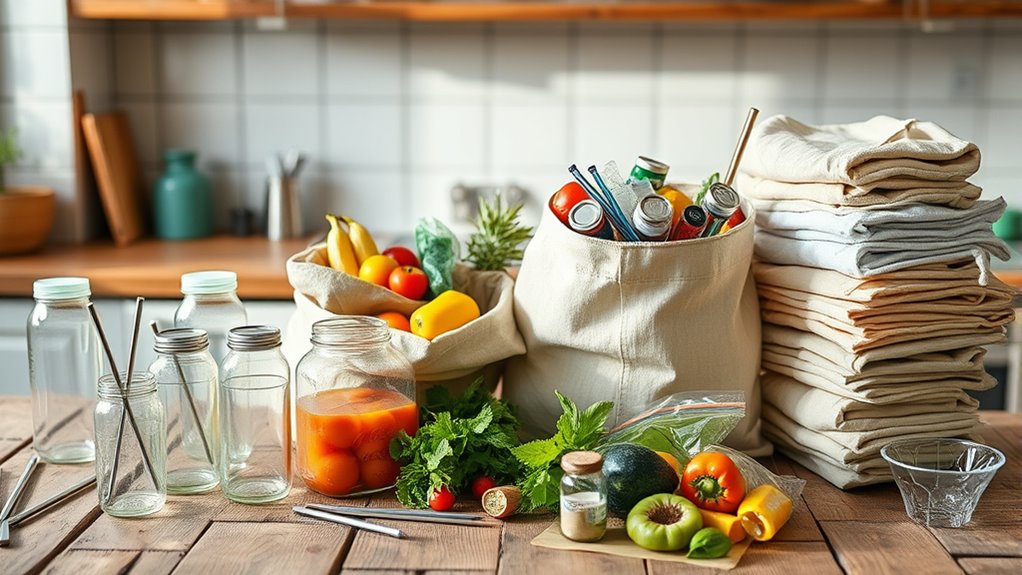
Switching to reusable alternatives is a straightforward way to cut down on single-use plastic waste in your daily life. Start by replacing plastic bottles with a durable, refillable water bottle made of stainless steel or glass. Use cloth bags instead of plastic shopping bags—they’re sturdy and eco-friendly. Swap disposable coffee cups for a reusable mug, which keeps your drink hot and reduces waste. Opt for beeswax wraps or silicone food covers instead of plastic wrap and zip bags. Carry reusable containers for snacks and leftovers, and choose bar soap over liquid soap in plastic bottles. These small changes add up, markedly reducing plastic waste and helping protect the environment. Reusable options are often more durable and cost-effective in the long run, making it easier to maintain eco-friendly habits.
Tips for Properly Recycling and Disposing of Plastics
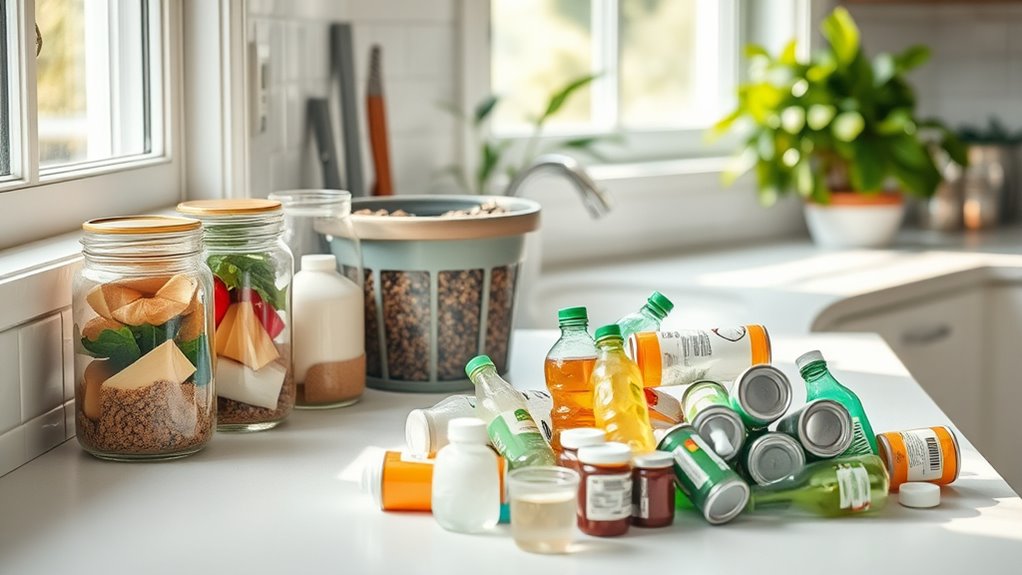
To make certain your plastics are properly recycled and disposed of, you need to follow best practices like cleaning and sorting your waste correctly. It’s also important to choose safe disposal methods, such as avoiding littering and supporting local recycling programs. By doing these, you help reduce pollution and ensure plastics are reused or processed responsibly. Additionally, understanding the different types of cookies used on websites can help you manage your privacy preferences while browsing information about recycling. Proper tire pressure on your gravel bike can improve riding comfort and extend tire life, which parallels the importance of maintaining proper waste management practices for environmental health. Recognizing the AI bifurcation helps us understand the broader implications of technological changes on sustainability and resource use, including plastics. Knowing the trustworthiness of brands like Patchology can also guide you in selecting eco-friendly products and sustainable packaging options. Being aware of digital literacy can further empower consumers to make environmentally conscious choices in their daily lives.
Recycling Best Practices
Properly recycling plastics starts with understanding what types of plastics are recyclable and how to prepare them correctly. Check the recycling symbols on containers—types like PET (1) and HDPE (2) are widely accepted, while others may not be. Rinse all bottles, containers, and packaging to remove residues, preventing contamination. Flatten or break down items to save space and ensure they fit properly in your recycling bin. Avoid mixing plastics with other waste, and never recycle plastic bags or films in curbside bins—these often require special drop-off locations. Stay informed about your local recycling guidelines, as rules can vary by region. Proper arrangement ensures plastics are processed efficiently, reducing waste and supporting recycling systems. Additionally, understanding the recycling process can help you better identify which plastics are suitable for recycling. Being aware of filter replacement schedules and maintenance needs can also improve overall recycling and disposal practices. Your effort helps keep plastics out of landfills and oceans.
Safe Disposal Methods
Effective disposal of plastics starts with understanding how to separate recyclable materials from waste that needs special handling. Always rinse plastics before recycling to remove food residue, which can contaminate entire batches. Check local recycling guidelines—some plastics, like certain clamshells or foam containers, may not be accepted. Use the correct bins for recyclables and avoid placing non-recyclables in them, as this can cause contamination. For plastics that can’t be recycled locally, consider drop-off centers or special disposal programs. Avoid incinerating plastics at home, as it releases harmful toxins. When in doubt, reduce or repurpose items rather than dispose of them. Proper disposal minimizes environmental harm, conserves resources, and helps ensure plastics are managed responsibly within waste systems. Incorporating gelato packaging made from biodegradable materials can also significantly reduce plastic waste.
Supporting Brands and Policies That Promote Sustainability
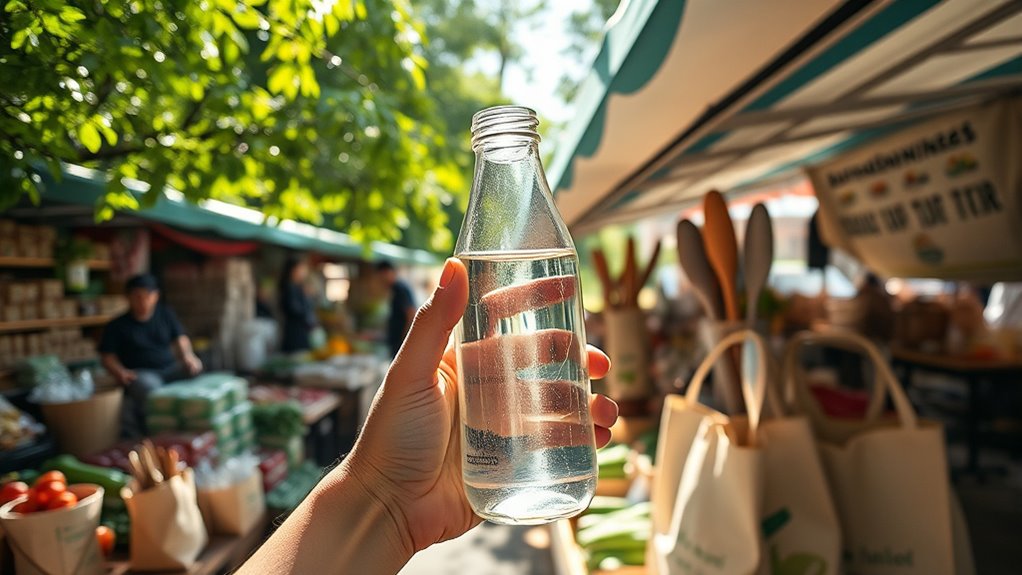
Supporting brands and policies that promote sustainability plays a crucial role in combating the global plastic crisis. When you choose products from eco-conscious companies, you support innovation in biodegradable packaging, reusable alternatives, and transparent supply chains. Look for brands committed to reducing plastic waste by using recycled materials or offering refillable options. Additionally, backing policies like bans on single-use plastics, extended producer responsibility, and improved waste management systems helps create systemic change. Supporting these initiatives encourages more companies to adopt environmentally friendly practices. Your purchasing power and advocacy influence industry standards and government regulations. Together, consumer demand and supportive policies can drive significant reductions in plastic production, reduce pollution, and foster a healthier planet for future generations.
Creative Ways to Repurpose and Upcycle Plastic Items
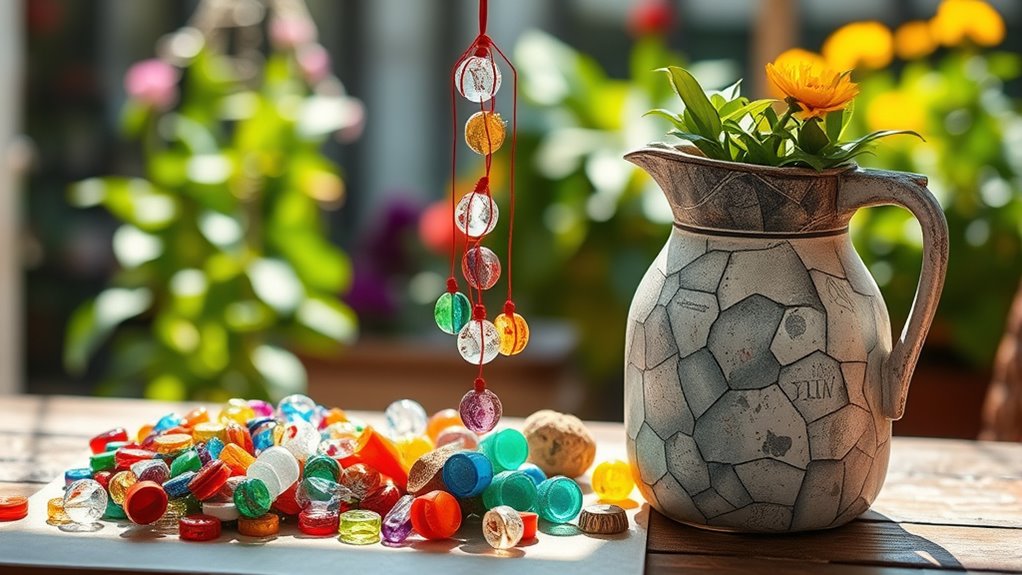
Many brands and policies are stepping up to reduce plastic waste, but you can take matters into your own hands by creatively repurposing plastic items. Instead of tossing empty bottles, turn them into watering cans or plant sprayers for your garden. Cut old plastic containers into trays or organizers for your desk or craft supplies. Use plastic jars as storage for screws, nails, or spices. Turn plastic bottle caps into art projects or jewelry, adding a colorful touch to your decor. Repurpose plastic bags as protective padding for fragile items during shipping or moving. Cleaned-out plastic utensils can become paintbrush holders or garden markers. By upcycling, you extend the life of plastics, reduce waste, and get creative with everyday items. Small changes like these make a significant difference in your effort to eliminate single-use plastics.
Educating Others and Advocating for Change
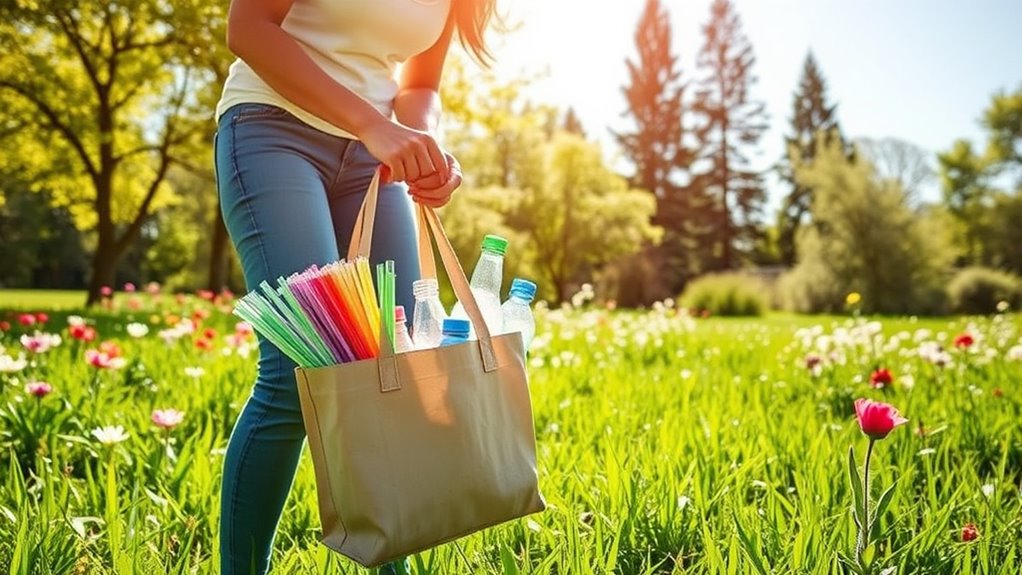
Have you ever considered how your words and actions can influence others to reduce plastic waste? Sharing your experiences and knowledge can inspire change beyond your personal efforts. Education helps people understand the plastic crisis and motivates them to adopt sustainable habits. Advocacy amplifies your impact, encouraging policymakers and businesses to prioritize reduction initiatives. You can:
Sharing your story can inspire others to reduce plastic waste and promote sustainable habits.
- Organize community workshops or social media campaigns to raise awareness
- Collaborate with local schools or organizations to promote plastic-free practices
- Support policies and legislation aimed at limiting single-use plastics and improving waste management
Building a Long-Term Plastic-Free Lifestyle

Creating a long-term plastic-free lifestyle requires consistent effort and mindful choices that become second nature. Start by reevaluating your daily habits and replacing disposable items with sustainable alternatives. Use reusable bags, bottles, and containers to cut down on packaging waste. Educate yourself on product labels and opt for items made from eco-friendly materials. Develop routines, like carrying a refillable water bottle and shopping with cloth bags, to make plastic avoidance effortless. Stay informed about local regulations and community programs supporting plastic reduction. Share your journey with others to inspire collective change. Remember, building a plastic-free lifestyle is a gradual process; celebrate small victories and stay committed. Over time, these habits will transform your approach into a sustainable, long-lasting practice.
Frequently Asked Questions
How Can I Identify Hidden Sources of Single-Use Plastics in Products?
You can identify hidden sources of single-use plastics by carefully reading labels and ingredient lists, looking for terms like “polypropylene,” “polyethylene,” or “plastic derivatives.” Check packaging for symbols or recycling codes indicating plastic content. Avoid products with excessive or layered packaging, and opt for items in glass, metal, or biodegradable materials. Staying informed about common plastic uses helps you spot and reduce hidden plastic sources in everyday products.
What Are Effective Methods to Track My Personal Plastic Waste?
You can track your plastic waste by keeping a detailed journal, noting every item you discard. Use a digital app to categorize plastics by type and estimate their weight or volume. Set weekly waste reduction goals and review your data to identify patterns. This active tracking helps you understand your consumption habits, making it easier to cut back and switch to sustainable alternatives.
Are There Affordable Reusable Alternatives for All Single-Use Items?
You can find affordable reusable alternatives for nearly all single-use items. For example, over 40% of plastic waste comes from packaging, but reusable bags, bottles, and containers can replace them. Imagine reducing your plastic footprint by just switching to a stainless-steel water bottle or cloth shopping bag—cost-effective options that last for years. Simple swaps like these not only save money but also help decrease global plastic pollution.
How Can I Influence Local Policies on Plastic Waste Reduction?
You can influence local policies by engaging with community groups, attending public meetings, and voicing support for plastic reduction initiatives. Share your concerns with local officials and propose ideas like banning single-use plastics or promoting recycling programs. Use social media to raise awareness and gather support. Collaborate with environmental organizations to amplify your voice. Your active participation can push policymakers to prioritize sustainable waste management and create effective plastic reduction laws.
What Are the Best Ways to Encourage Others to Reduce Plastic Use?
You can encourage others to reduce plastic use by sharing the environmental impacts, like marine pollution and waste mismanagement. Lead by example, showing how easy it is to switch to reusable bags, bottles, and containers. Organize community clean-ups or awareness events to motivate collective action. Support policies that limit single-use plastics and promote recycling. Your enthusiasm and commitment can inspire friends, family, and neighbors to make eco-friendly choices daily.
Conclusion
As you start replacing single-use plastics, you might notice small changes that unexpectedly inspire others around you. It’s funny how a simple switch can ripple outward, creating a bigger impact than you’d expect. Every reusable bag or bottle you choose brings you closer to a plastic-free lifestyle—and often, those small choices seem to align perfectly with new habits and ideas. Keep going; your efforts may just inspire a surprising wave of change.