Green building starts with simple eco-friendly improvements that save you money and protect the environment. Installing solar panels harnesses sunlight for free energy, while upgrading insulation keeps your home warmer in winter and cooler in summer. Combining these strategies maximizes efficiency, reduces reliance on fossil fuels, and improves indoor air quality. By taking these steps, you create a healthier, more sustainable home. Keep exploring how these smart improvements can make a big difference for your lifestyle.
Key Takeaways
- Incorporate solar panels to harness sunlight, reduce energy bills, and lower reliance on fossil fuels.
- Use sustainable insulation materials like recycled paper or sheep’s wool for better thermal efficiency.
- Combine solar energy with proper insulation to maximize energy savings and minimize environmental impact.
- Implement practical upgrades such as installing solar panels and upgrading insulation in key areas.
- Adopt green building practices to cut energy costs, improve indoor air quality, and promote environmental conservation.

Are you curious about how buildings can be both functional and environmentally friendly? The good news is, you don’t have to sacrifice comfort or style to make your home more sustainable. There are practical steps you can take that benefit the environment and save you money over time. One of the most effective ways to start is by integrating solar panels into your home. These devices harness sunlight to generate electricity, reducing your reliance on fossil fuels and lowering your energy bills. Installing solar panels might seem like a big investment upfront, but the long-term savings and environmental benefits make it worthwhile. Plus, many regions offer incentives or tax credits that can help offset the initial costs. The key is to position them properly—ideally on a south-facing roof free of shade—to maximize energy production.
Alongside solar energy, paying attention to insulation materials plays a critical role in eco-friendly home improvements. Proper insulation helps maintain a consistent indoor temperature, so you don’t have to crank up the heater or air conditioner as often. Using high-quality, environmentally friendly insulation materials ensures you’re not only keeping your home comfortable but also reducing your carbon footprint. Materials like cellulose, made from recycled paper, or sheep’s wool, which is natural and biodegradable, are excellent choices. These insulation options often outperform traditional fiberglass in terms of thermal efficiency and are safer for your indoor air quality. Installing insulation carefully in walls, attics, and floors creates a barrier against heat loss in winter and keeps cool air inside during summer, considerably decreasing energy consumption. Incorporating energy-efficient building materials can further improve your home’s sustainability and reduce overall energy costs. Additionally, modern sustainable building practices emphasize the importance of integrating these materials seamlessly into your home’s design.
Combining solar panels with effective insulation materials makes your home a powerhouse of efficiency. For instance, when your home is well-insulated, your solar panels don’t need to work as hard to offset heating or cooling costs. As a result, you maximize your energy savings and reduce your environmental impact. These improvements also contribute to a healthier indoor environment, since fewer drafts and less reliance on fossil-fuel-based energy sources mean fewer pollutants and allergens inside.
Well-insulated homes reduce solar panel workload, maximizing savings and creating a healthier indoor environment.
Making your home more eco-friendly doesn’t require overhauling everything at once. Start small—install solar panels where feasible and upgrade insulation materials in key areas. Over time, these changes add up, transforming your home into a more sustainable space. Not only will you cut costs, but you’ll also contribute to preserving the environment for future generations. It’s about making smarter choices that benefit both your wallet and the planet, proving that green building isn’t just a trend—it’s a smart way to live.
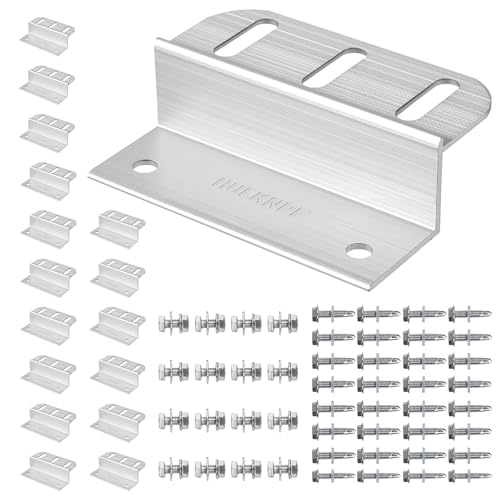
HULKNPE Z Brackets Solar Panel Mounting Kit (16 Pack) – Heavy Duty Corrosion-Resistant Aluminum for RV, Boat, Roof & Off-Grid Installations
- Durable Construction: Corrosion-resistant aluminum alloy
- Wind-Resistant Design: Withstands high winds outdoors
- Adjustable Installation: Flexible multi-slot positioning
As an affiliate, we earn on qualifying purchases.
As an affiliate, we earn on qualifying purchases.
Frequently Asked Questions
What Are the Initial Costs of Eco-Friendly Home Upgrades?
When considering eco-friendly upgrades, the initial costs can vary based on the upgrades you choose. Generally, these initial costs might be higher than traditional options, but they often pay off through energy savings over time. You might spend more upfront on solar panels, efficient windows, or insulation, but these investments can reduce your utility bills and environmental impact. Keep in mind, grants or incentives can also help offset some of these initial costs.
How Long Do Green Building Materials Typically Last?
Did you know that many green building materials can last over 50 years? Your choice depends on durability estimates, installation quality, and maintenance. For example, bamboo flooring can last 20-25 years, but with proper care, some composites may reach 75 years. Lifespan factors like climate and usage play a big role. So, investing in high-quality, eco-friendly materials can guarantee your home stays sustainable and durable for decades.
Are Eco-Friendly Home Improvements Eligible for Tax Incentives?
You might be eligible for tax incentives if you make eco-friendly home improvements. These incentives vary by location and depend on specific eligibility criteria, such as using certified green materials or energy-efficient appliances. Check with local or federal programs because many incentivize sustainable upgrades. By ensuring your improvements meet the criteria, you can reduce costs and make your home more environmentally friendly, while also enjoying potential tax benefits.
How Can I Measure the Energy Savings From Green Upgrades?
Ever wonder how you can truly gauge your green upgrades’ impact? Start with energy monitoring devices that track your consumption in real-time. By analyzing this data, you can perform a savings analysis to see how much energy you save over time. These tools help you identify patterns, optimize usage, and guarantee your eco-friendly efforts are making a tangible difference in your energy bills and environmental footprint.
What Are the Most Cost-Effective Eco-Friendly Renovations?
You can save money by choosing cost-effective eco-friendly renovations like installing solar panels and rainwater harvesting systems. Solar panels reduce your energy bills by harnessing free sunlight, while rainwater harvesting lowers water costs and supports sustainability. These upgrades offer great returns on investment, are relatively affordable, and make your home more eco-friendly. Prioritize these options for a balance of savings and environmental impact, maximizing your home’s efficiency with minimal expense.
Conclusion
Now that you’ve explored eco-friendly home improvements, imagine stepping into a space where sunlight filters through energy-efficient windows, and fresh air flows freely through well-placed vents. Your home becomes a sanctuary of sustainability, quietly reducing your footprint with every breeze and beam of light. By making these green choices, you create a haven that’s not only kinder to the planet but also a vibrant, inviting place where you’ll love to live, breathe, and grow.