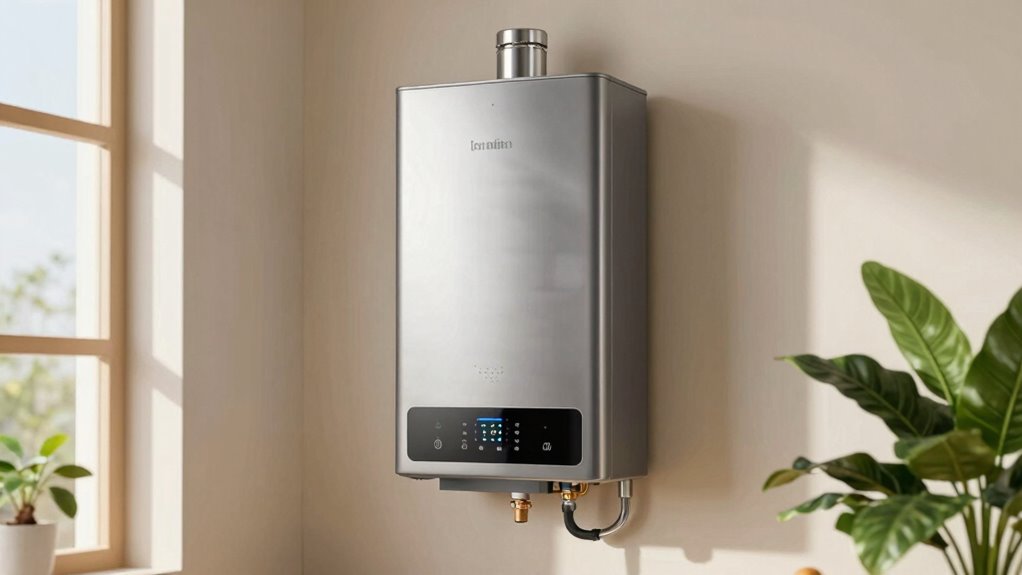

Heat pump water heaters use ambient air to efficiently heat water, making them a cost-effective and eco-friendly choice for your home. You’ll find that they perform best in spaces like basements or garages where there’s good ventilation and the right ambient temperature. While the initial cost is higher than traditional units, you can save on energy bills over time. Plus, with proper maintenance, they offer reliable performance. There’s even more to explore about their benefits and installation.

Prime made for students and young adults
- Fast, free delivery for dorm and study essentials
- Prime Video and Amazon Music included
- Member-only deals
Key Takeaways
- Heat pump water heaters use electricity to move heat from the air or ground to heat water, making them energy-efficient.
- Ideal installation locations include basements or garages with good ventilation and temperatures between 40°F and 90°F.
- Regular maintenance, including cleaning filters and inspecting drains, is crucial for optimal performance and reliability.
- Initial costs are higher than traditional heaters, but long-term energy savings and potential incentives can offset expenses.
- Choosing reliable models and understanding common failure causes can enhance performance and longevity of the system.
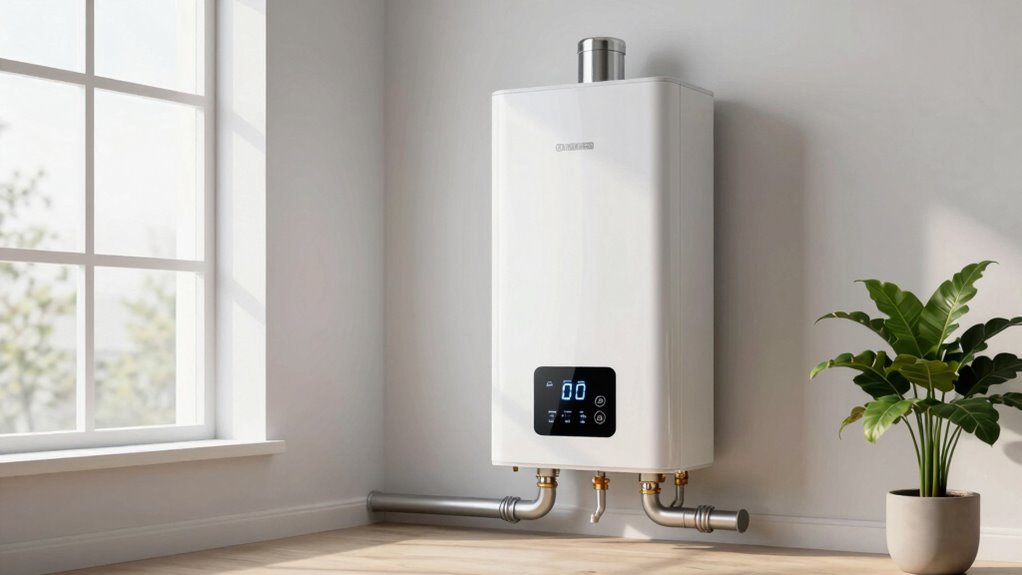
When you think about installation, it’s crucial to keep a few tips in mind. First, choose a location with enough space for the unit to function effectively. Heat pump water heaters require adequate airflow, so placing it in a basement or garage with sufficient ventilation is ideal. Avoid installing it in tight spaces; that can restrict airflow and hinder its energy efficiency. You’ll also want to take into account the ambient temperature. These systems work best when the air temperature is between 40°F and 90°F. If you’re in a colder climate, make sure to look for a unit specifically designed to operate efficiently in lower temperatures.
Next, you’ll want to check the existing plumbing and electrical systems. Upgrading your electrical service may be necessary, as these heaters typically require a dedicated circuit. Make sure you have a qualified electrician handle this part of the installation to guarantee safety and compliance with local codes. If you’re replacing an existing unit, it might be a good opportunity to upgrade your plumbing to enhance the overall efficiency of your hot water system. Additionally, understanding the common causes for heat pump failure can help you choose a reliable model and maintain it properly.
Check your plumbing and electrical systems before installation; consider upgrades for enhanced efficiency and ensure safety with a qualified electrician.
Don’t forget about maintenance! Regularly check the air filter and clean it if necessary; a clogged filter can greatly reduce efficiency. Also, inspect the condensate drain to prevent water buildup. A bit of routine maintenance goes a long way in keeping your heat pump water heater running smoothly.
In terms of costs, while the initial price tag may be higher than traditional models, the long-term savings on energy bills will quickly offset this. You’ll also find that many local and federal incentives are available, making it easier to make the switch. By choosing a heat pump water heater, you’re investing in both your home and a greener future. So, take the plunge and enjoy the benefits!
As an affiliate, we earn on qualifying purchases.
Frequently Asked Questions
How Long Do Heat Pump Water Heaters Typically Last?
Heat pump water heaters typically last around 10 to 15 years. If you take care of the installation process and follow maintenance guidelines, you can maximize their lifespan. Look for models with high efficiency ratings, as these tend to perform better over time. Regularly checking components and ensuring proper airflow can further enhance durability. So, investing time in upkeep will pay off in the long run!
Can They Operate in Cold Climates?
Absolutely, heat pump water heaters can operate in cold climates, though they might face efficiency concerns. Like a well-tuned instrument, they adapt to varying temperatures, but their performance can dip as the mercury drops. You’ll want to choose a model designed for cold climate performance, ensuring it meets your needs even in chilly conditions. With the right setup, you can enjoy reliable hot water without sacrificing efficiency, no matter the weather.
What Maintenance Do They Require?
To keep your heat pump water heater running smoothly, you’ll want to focus on a couple of key maintenance tasks. Regularly clean or replace the air filter to guarantee efficient airflow. You should also check and adjust the temperature settings to optimize performance and energy efficiency. Performing these simple tasks every few months can help extend your unit’s lifespan and maintain its effectiveness, so don’t overlook them!
Are There Any Tax Incentives Available?
You might feel like you’re in a time warp, but yes, there are tax incentives available for heat pump water heaters! You can benefit from federal incentives, which often cover a percentage of your installation costs. Additionally, many states offer rebates that can greatly lower your upfront expenses. Be sure to check your local regulations, as these incentives can vary widely and may change over time, giving you a solid reason to upgrade.
How Do They Compare to Traditional Water Heaters?
Heat pump water heaters are generally more energy-efficient than traditional water heaters, which can save you money on utility bills. While their installation costs might be higher upfront, you’ll often recoup that investment over time through lower energy expenses. Traditional heaters typically have faster recovery rates, but if you prioritize efficiency and long-term savings, heat pumps are worth considering. Your choice ultimately depends on your home’s needs and budget.
Conclusion
In wrapping up, heat pump water heaters are like the unsung heroes of home comfort—quietly efficient and eco-friendly. By harnessing the ambient air around you, they provide hot water without burning a hole in your wallet. Just as a phoenix rises from the ashes, these systems transform energy into warmth, helping you save money and the planet. Embracing this technology not only benefits your household but also contributes to a greener future for everyone.
Fall Picks
fall essentials
As an affiliate, we earn on qualifying purchases.