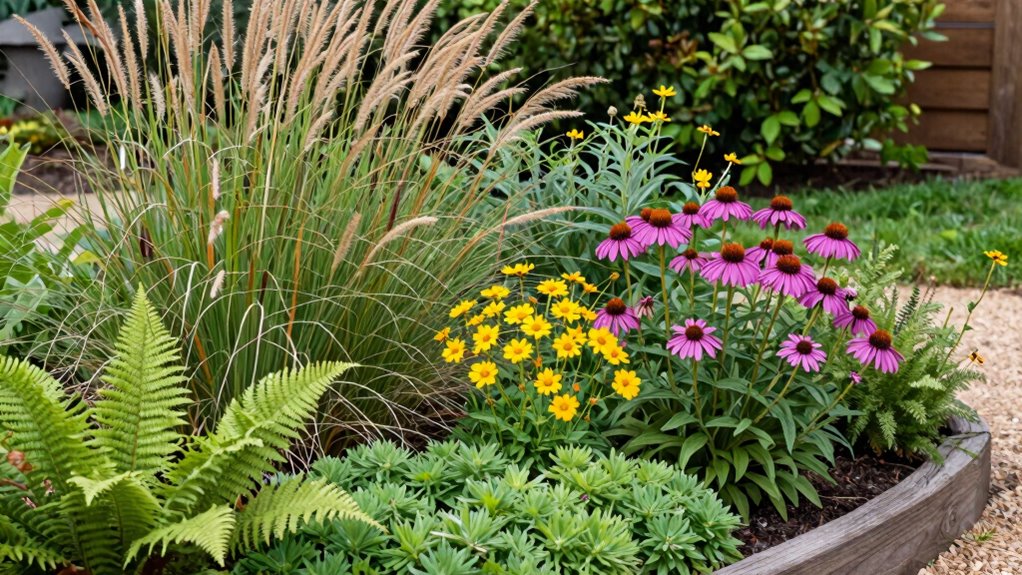

Starting with native plants for your small yard is a smart move because they’re naturally suited to your climate and soil, making them easier to care for and more sustainable. They attract local wildlife like birds, bees, and butterflies, enriching your space with biodiversity. Native plants also resist pests and diseases better, reducing your work and resources. Plus, they help improve soil health for long-term growth. Keep exploring to uncover simple tips that help you create a thriving, eco-friendly yard.
Key Takeaways
- Choose native plants suited to your soil type for easier care and better growth.
- Design layered layouts with taller shrubs and ground covers to maximize space and attract wildlife.
- Use mulch and minimal disturbance to maintain soil health and reduce maintenance needs.
- Select plants that match your yard’s moisture conditions for resilient, low-maintenance landscaping.
- Incorporate native species to create a wildlife-friendly ecosystem supporting pollinators and beneficial insects.
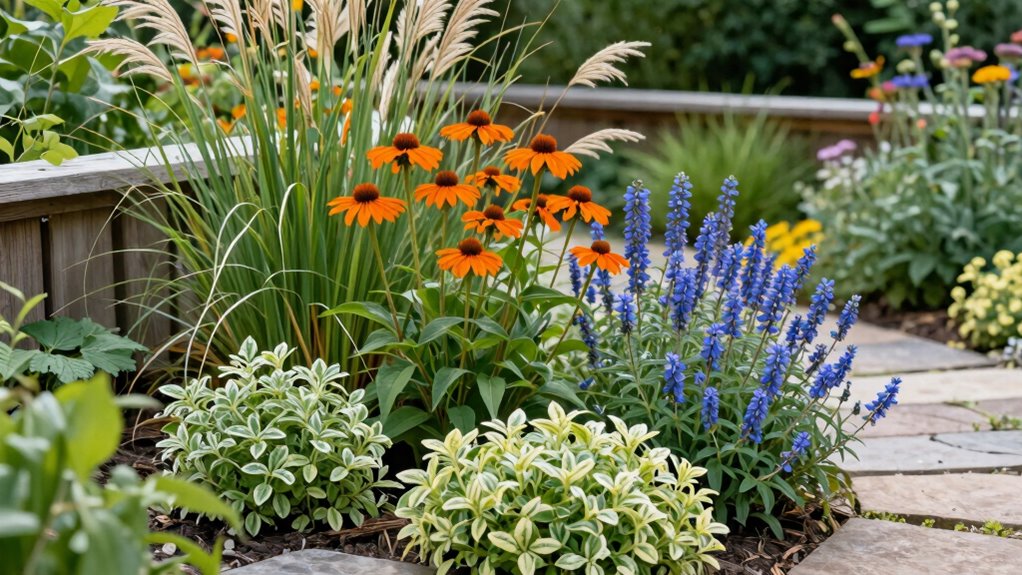
Are you looking for ways to make the most of your small yard while supporting local ecosystems? Choosing native plants is one of the best steps you can take. Native plants are naturally suited to your area’s climate and soil, making them easier to care for and more sustainable. They also serve as excellent wildlife attractors, drawing in birds, butterflies, bees, and other beneficial creatures that help keep your yard lively and healthy. When selecting native plants, consider soil compatibility, which ensures your plants thrive without excessive watering or fertilizing. By understanding your soil type—whether it’s sandy, clay, or loamy—you can choose plants that will flourish without extra effort, saving you time and resources.
Choosing native plants suited to your soil helps create a sustainable, wildlife-friendly small yard with less maintenance.
In a small yard, every plant counts, so focusing on native species allows you to maximize your space while creating a vibrant habitat. You might start with a few versatile native shrubs or perennials that provide multiple benefits. For example, flowering plants attract pollinators and add color, while berries and seeds offer food for birds. These plants tend to be more resilient, resisting pests and diseases better than imported varieties. Plus, they improve soil health over time by establishing deep roots that prevent erosion and enhance soil structure, making your yard more hospitable for other plants. The choice of native plants also impacts the overall ecosystem health of your yard, fostering a balanced environment for all creatures involved.
To optimize your yard’s potential, think about layering your plantings. Use taller native shrubs or small trees as a backdrop, then add mid-height perennials and ground covers. This approach creates a tiered ecosystem that offers shelter and food for various wildlife species. Incorporating native grasses and wildflowers in open spaces can further support biodiversity**, increasing the resilience of your garden. When planning your plantings, selecting species that are well-adapted to your specific soil type will help ensure their success and reduce maintenance needs. Additionally, understanding the specific soil conditions** of your yard can guide you toward planting choices that are more likely to thrive naturally, reducing the need for amendments or extra watering. Each addition should be chosen with soil compatibility in mind—some plants prefer moist conditions, while others thrive in drier soils. Matching these requirements ensures your plants grow strong and require less maintenance.
Creating a wildlife-friendly yard is about more than just planting native species. It’s about understanding the relationships between plants, soil, and animals. Avoid over-tilling or disturbing soil unnecessarily, as healthy soil supports native plants and encourages beneficial insects and pollinators. Mulching around plants can help maintain soil moisture and temperature, fostering a stable environment for roots and soil organisms. When you choose native plants suited to your soil type, you’re helping to establish a balanced ecosystem that benefits both your yard and the local wildlife. With thoughtful planning, even a small space can become a thriving haven for native plants and wildlife alike.

NATIVE PLANTS FOR THE SMALL YARD: Easy, Beautiful Home Gardens that Support Local Ecology
As an affiliate, we earn on qualifying purchases.
As an affiliate, we earn on qualifying purchases.
Frequently Asked Questions
How Do I Choose Native Plants for Shade or Sun?
To choose native plants for shade or sun, observe your yard’s light patterns throughout the day. For shaded areas, select native plants that thrive in low light, like ferns or woodland wildflowers. In sunny spots, opt for drought-tolerant natives that enjoy full sun. Incorporate native plant propagation techniques to grow more plants and create backyard wildlife gardens, attracting pollinators and birds. Matching plants to light conditions guarantees healthy growth and a vibrant landscape.
Are Native Plants Drought-Tolerant for Small Yards?
Did you know about 60% of native plants are drought-tolerant? Yes, many native plants thrive with minimal water, making them perfect for small yards. Through native plant propagation, you can easily establish these resilient species, reducing your water bills and maintenance. Native plant landscaping promotes sustainability and guarantees your garden remains vibrant even during dry spells. So, choose drought-tolerant native plants for a sustainable, low-water yard that looks beautiful year-round.
What Maintenance Is Required for Native Plants?
Native plants generally require minimal maintenance. You should start with proper soil preparation to guarantee healthy growth, and then focus on plant pruning to promote shape and remove dead or damaged growth. Most native plants don’t need frequent watering once established, but occasional watering during droughts helps. Keep an eye out for pests and weeds, and your native plants will thrive with simple, consistent care, saving you time and effort.
Can Native Plants Attract Beneficial Insects?
Yes, native plants attract beneficial insects, supporting pollinator support and pest control in your yard. By providing natural habitats, these plants draw bees, butterflies, and ladybugs, which help pollinate flowers and control pests naturally. You can enhance this effect by choosing a variety of native plants, ensuring year-round food sources for beneficial insects. This creates a healthier, low-maintenance garden that benefits both your yard and local ecosystems.
How Do I Prevent Invasive Native Plant Species?
You spot an invasive native plant creeping into your yard, threatening native species. To prevent this, start with invasive species management by promptly removing or controlling these plants. Master native plant identification to distinguish beneficial natives from invaders. Regular monitoring, healthy planting practices, and community efforts help keep invasive species at bay. Stay vigilant—early detection and action protect your yard’s native biodiversity and preserve its natural beauty.
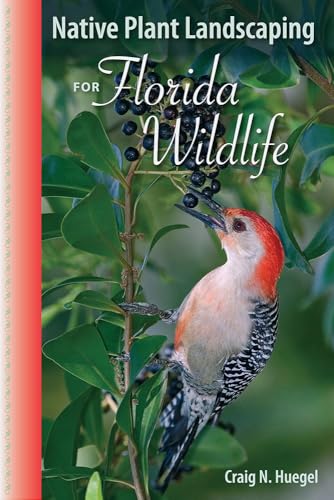
Native Plant Landscaping for Florida Wildlife
Used Book in Good Condition
As an affiliate, we earn on qualifying purchases.
As an affiliate, we earn on qualifying purchases.
Conclusion
By choosing native plants for your small yard, you’re shaping a landscape that’s as resilient as the legends of old, thriving with less fuss and more harmony. Like a well-tuned orchestra, your garden can become a symphony of colors, textures, and wildlife, echoing nature’s timeless beauty. Embrace these plants, and you’ll craft a space that’s not just beautiful, but a living proof to the enduring power of native flora—your own modern-day Eden.

Brown Rubber Mulch for Landscaping – Durable and Eco-Friendly Garden Mulch – Perfect for Garden, Potted Plants & Outdoor Decor – 2 Quarts
**Eco-Friendly Composition**: Our rubber mulch for landscaping is made from 100% recycled materials, making it the ideal eco-friendly…
As an affiliate, we earn on qualifying purchases.
As an affiliate, we earn on qualifying purchases.
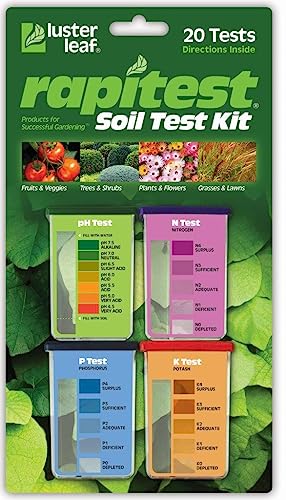
Rapitest Soil Test Kit for Gardens, Vegetables, Flowers and Lawns. USA designed and assembled soil tester completely, quickly and accurately measures/analyzes soil pH acidity and garden nutrients.
Quick, at home results for Soil pH, Nitrogen, Phosphorous and Potash Innovative and inexpensive soil test kit features…
As an affiliate, we earn on qualifying purchases.
As an affiliate, we earn on qualifying purchases.