

The best educational science reference book overall is Knowledge Encyclopedia Science! 2nd Edition, which pairs striking visual explanations with genuinely rigorous coverage of physics, chemistry, and biology. Two other options stand out: A Dictionary of Science (Oxford Quick Reference) for older students and adults who need fast, precise definitions, and The Usborne Science Encyclopedia for younger readers who benefit from internet-linked, homework-friendly content. The main tradeoff in this category is between visual accessibility and depth — heavily illustrated books engage kids but simplify, while dense references serve serious study but can intimidate beginners. Age range is the second big decision point, since a book that delights a 7-year-old will bore a 14-year-old. Read on for the full breakdown of all 11 titles and which one fits your reader.

Prime made for students and young adults
- Fast, free delivery for dorm and study essentials
- Prime Video and Amazon Music included
- Member-only deals
Key Takeaways
- Visual-first books (Knowledge Encyclopedia Science!, The Elements Book, The Animal Book) consistently beat text-heavy references for engagement, but only Knowledge Encyclopedia Science! balances visuals with real conceptual depth.
- A Dictionary of Science (Oxford Quick Reference) is the only pick that serves high school and university study directly — it’s a lookup tool, not a browsing book, which is a limitation for younger readers.
- The Science Knowledge Encyclopedia 6-book box set offers the best per-volume value for families with multiple children at different reading levels, though its individual books are thinner than standalone encyclopedias.
- The Way Things Work and The Elements Book prove that niche focus beats breadth for certain learners — kids fascinated by machines or chemistry will get more from these than from any general encyclopedia.
- Sciencia is the odd one out: it’s a compact adult-friendly primer spanning five sciences, better suited to curious teens and adults than to the school-age audience most of these books target.
| Physical Science (Early Science Encyclopedias) | 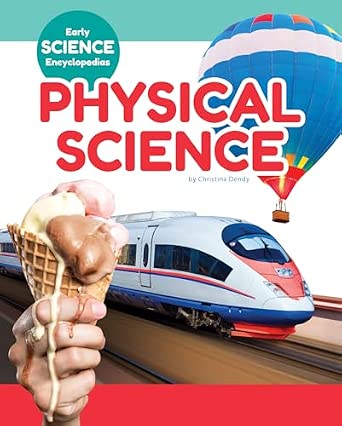 | Best for Young Beginners | Intended Age Range: Early elementary | Topics Covered: Basic physics, matter, energy | Format: Printed book | VIEW LATEST PRICE | See Our Full Breakdown |
| Knowledge Encyclopedia Science! 2nd Edition |  | Best for Curious Learners of All Ages | Coverage: Physics, chemistry, biology, earth sciences | Illustrations: Colorful and detailed | Intended Audience: All ages | VIEW LATEST PRICE | See Our Full Breakdown |
| A Dictionary of Science (Oxford Quick Reference) |  | Best for Quick Definitions | Scope: Terms across multiple sciences | Format: Print and digital (limited) | Content Depth: Concise definitions | VIEW LATEST PRICE | See Our Full Breakdown |
| Encyclopedia of Science |  | Best for In-Depth Learning | Coverage: Multiple scientific disciplines | Content Type: Detailed articles | Format: Printed book | VIEW LATEST PRICE | See Our Full Breakdown |
| Sciencia: Mathematics, Physics, Chemistry, Biology, and Astronomy for All |  | Best for Broad Introductory Learning | Subjects Covered: Mathematics, physics, chemistry, biology, astronomy | Target Audience: Beginners and casual learners | Format: Printed book | VIEW LATEST PRICE | See Our Full Breakdown |
| The Usborne Science Encyclopedia: An In-depth Guide for Young Scientists Exploring Gravity, Flight, Genes, DNA and More |  | Best Overall for Young Learners | Number of videos: 180+ | Number of websites: 1,000 | Target age range: 8-14 | VIEW LATEST PRICE | See Our Full Breakdown |
| The Animal Book: A Visual Animal Kingdom Encyclopedia for Kids |  | Best for Visual Learners Interested in Wildlife | Number of pages: 96 | Illustrations: Full-color images | Target age: 5-12 | VIEW LATEST PRICE | See Our Full Breakdown |
| Science Knowledge Encyclopedia for Children: Collection of 6 Books (Box Set) |  | Best for Comprehensive Exploration of Multiple Science Topics | Number of books: 6 | Illustrations: Colorful | Intended age range: 6-12 | VIEW LATEST PRICE | See Our Full Breakdown |
| Science Book: Everything You Need to Know About the World and How It Works |  | Best for Curious Adults and Older Students | Number of pages: 320 | Topics covered: World, physics, biology, chemistry | Target audience: Teens and adults | VIEW LATEST PRICE | See Our Full Breakdown |
| The Elements Book: A Visual Periodic Table Encyclopedia for Kids |  | Best for Young Chemistry Enthusiasts | Number of pages: 128 | Illustrations: Colorful visuals | Target age: 8-14 | VIEW LATEST PRICE | See Our Full Breakdown |
| The Way Things Work: Newly Revised Edition |  | Best Overall for Visual and Conceptual Clarity | Edition: Revised | Illustrations: Updated and engaging | Target Audience: All ages, beginners | VIEW LATEST PRICE | See Our Full Breakdown |
| educational science reference book | Format | Language |
|---|---|---|
| Physical Science | Printed book | — |
| Knowledge Encyclopedia Science | — | — |
| A Dictionary of Science | Print and digital (limited) | — |
| Encyclopedia of Science | Printed book | — |
| Sciencia: Mathematics | Printed book | — |
| The Usborne Science Encycloped | Hardcover | English |
| The Animal Book: A Visual Anim | Hardcover | English |
| Science Knowledge Encyclopedia | Box set | English |
| Science Book: Everything You N | Hardcover | English |
| The Elements Book: A Visual Pe | Paperback | English |
| The Way Things Work: Newly Rev | — | Accessible |
More Details on Our Top Picks
Physical Science (Early Science Encyclopedias)
This book excels at introducing physical science concepts to early learners through simple, engaging explanations that foster curiosity. Compared with Sciencia: Mathematics, Physics, Chemistry, Biology, and Astronomy for All, which covers multiple sciences at a broader level, this book offers a more focused, age-appropriate approach. Its straightforward language makes complex ideas accessible, but it doesn’t delve into detailed scientific depth or include activities, which limits its use as a comprehensive resource. Ideal for young children just beginning to explore science, it provides a gentle, engaging foundation without overwhelming.
Pros:- Educational content suitable for early learners
- Engaging and simple explanations
- Fosters curiosity in science basics
Cons:- Lacks detailed scientific depth
- No additional resources or activities included
Best for: Parents and educators seeking an age-appropriate introduction to physical science for early learners
Not ideal for: Older students or those seeking in-depth scientific explanations or practical activities
- Intended Age Range:Early elementary
- Topics Covered:Basic physics, matter, energy
- Format:Printed book
Our verdict“This book makes the most sense for parents and educators looking for a gentle, age-appropriate science primer for young children.”
Knowledge Encyclopedia Science! 2nd Edition
This edition offers a broad and detailed overview of science topics, with vibrant illustrations that appeal to both teens and adults. Unlike The Oxford Quick Reference Dictionary of Science, which focuses narrowly on definitions, this encyclopedia provides extensive explanations and imagery, making complex subjects more digestible. Its comprehensive coverage makes it ideal for students and lifelong learners, but the lack of specific edition details and technical specifications can make it harder to assess its currency and depth. Best suited for curious minds who want a visually engaging, all-encompassing science resource, though it may not satisfy those seeking highly technical or updated information.
Pros:- Extensive coverage of science topics
- Engaging illustrations
- Suitable for all ages
Cons:- No specific edition details provided
- Lacks detailed specifications
Best for: Science enthusiasts and students seeking a wide-ranging, visually rich reference
Not ideal for: Readers needing the latest scientific data or in-depth technical content
- Coverage:Physics, chemistry, biology, earth sciences
- Illustrations:Colorful and detailed
- Intended Audience:All ages
Our verdict“This encyclopedia is perfect for curious learners who prefer an engaging, broad overview over technical detail.”
A Dictionary of Science (Oxford Quick Reference)
This dictionary offers concise, clear definitions across a wide range of scientific disciplines, making it a go-to resource for students, teachers, and enthusiasts needing quick clarifications. Compared with Encyclopedia of Science, which provides in-depth articles, this reference excels at speed and ease of use. However, it lacks detailed descriptions, illustrations, or digital access, which can limit its usefulness for more comprehensive learning. Ideal for those who need quick, reliable definitions without extra frills, but less suited to in-depth study or exploration.
Pros:- Comprehensive coverage of scientific terms
- Easy-to-understand definitions
- Useful for quick reference
Cons:- No detailed descriptions or illustrations
- Lacks digital or online access
Best for: Students and educators needing a fast, reliable reference for scientific terminology
Not ideal for: Readers seeking detailed explanations or visual content
- Scope:Terms across multiple sciences
- Format:Print and digital (limited)
- Content Depth:Concise definitions
Our verdict“This dictionary makes sense for quick-reference needs, especially for students and educators who value speed and clarity over depth.”
Encyclopedia of Science
This comprehensive volume covers a wide array of scientific topics with detailed explanations, making it ideal for students and enthusiasts seeking a thorough understanding. Compared with Knowledge Encyclopedia Science! 2nd Edition, which offers engaging visuals and broad coverage, this encyclopedia leans more toward detailed textual content, appealing to those who want an in-depth resource. Its lack of digital or multimedia features is a drawback in today’s tech-driven learning environment. Best suited for serious learners who prefer detailed, text-rich content over quick summaries or illustrations.
Pros:- Extensive coverage of scientific topics
- Suitable for in-depth study
- Detailed and informative content
Cons:- No digital or multimedia features
- Lacks a clear edition or publication date
Best for: Students and science enthusiasts looking for detailed, extensive information
Not ideal for: Casual readers or those seeking multimedia-enhanced content
- Coverage:Multiple scientific disciplines
- Content Type:Detailed articles
- Format:Printed book
Our verdict“This encyclopedia is best for dedicated learners who want a comprehensive, text-heavy resource for science studies.”
Sciencia: Mathematics, Physics, Chemistry, Biology, and Astronomy for All
This book offers an accessible overview of fundamental sciences, making complex topics understandable for a broad audience. Unlike Physical Science (Early Science Encyclopedias), which targets young children, Sciencia appeals to older students or adults new to science. Its explanations are clear but not deeply technical, which means it’s less suited for advanced learners or those seeking detailed technical content. The absence of supplementary materials limits its usefulness for structured study. Best for beginners or casual learners wanting a broad, accessible introduction to multiple sciences.
Pros:- Comprehensive coverage of multiple sciences
- Accessible explanations for beginners
- Broad scope suitable for general curiosity
Cons:- Lacks detailed technical depth
- No included supplementary materials
Best for: Adults or high school students seeking a gentle, broad overview of multiple sciences
Not ideal for: Advanced students or those requiring technical depth and supplementary resources
- Subjects Covered:Mathematics, physics, chemistry, biology, astronomy
- Target Audience:Beginners and casual learners
- Format:Printed book
Our verdict“This book is ideal for broad-minded beginners looking for an easy-to-understand introduction to several scientific fields.”
The Usborne Science Encyclopedia: An In-depth Guide for Young Scientists Exploring Gravity, Flight, Genes, DNA and More
This comprehensive encyclopedia stands out for its extensive coverage of fundamental science topics, making complex concepts accessible to young learners. Unlike the more visual-focused The Animal Book, it offers in-depth explanations paired with over 180 video clips and 1,000 websites, encouraging independent exploration. While it lacks specific pricing and customer ratings, its multimedia approach makes it ideal for children who prefer a mix of reading and interactive content. The broad scope supports a well-rounded science education, but the volume of resources might be overwhelming for very early readers.
Pros:- Deep coverage of core science topics suitable for inquisitive learners
- Includes extensive multimedia resources like videos and websites
- Encourages independent research and curiosity
Cons:- Lacks specific pricing details and customer ratings for quick evaluation
- May be too comprehensive for early elementary students who prefer simpler explanations
Best for: Families and educators seeking a detailed, multimedia resource that covers multiple science disciplines for children aged 8-14
Not ideal for: Parents looking for a simple, beginner-friendly science book for very young children or those seeking concise summaries
- Number of videos:180+
- Number of websites:1,000
- Target age range:8-14
- Format:Hardcover
- Language:English
- Publisher:Usborne
Our verdict“This encyclopedia makes the most sense for motivated young learners and educators who want an in-depth, multimedia science resource.”
The Animal Book: A Visual Animal Kingdom Encyclopedia for Kids
This book excels in engaging young readers with vibrant images and fascinating animal facts, making it ideal for children passionate about wildlife. Compared with the broader scope of the Science Knowledge Encyclopedia, it narrows focus but provides richer visual content that sparks curiosity. It’s particularly suited for kids who learn best through pictures and stories, though its content depth is less extensive on scientific concepts outside of animals. The lack of detailed scientific explanations might leave older or more advanced learners wanting more.
Pros:- Visually captivating and highly engaging for kids
- Broad coverage of animal species from around the world
- Encourages curiosity about the natural world
Cons:- Limited depth on scientific principles beyond animal facts
- No detailed content on other science disciplines
- No information on the reading level suitability
Best for: Young wildlife enthusiasts and visual learners aged 5-12 who thrive on colorful images and quick facts
Not ideal for: Parents seeking a comprehensive general science resource or detailed scientific explanations beyond animals
- Number of pages:96
- Illustrations:Full-color images
- Target age:5-12
- Format:Hardcover
- Publisher:DK
- Language:English
Our verdict“This colorful animal encyclopedia is perfect for young kids interested in wildlife but less suited for those seeking in-depth scientific knowledge.”
Science Knowledge Encyclopedia for Children: Collection of 6 Books (Box Set)
This six-book box set offers a broad introduction to various science fields, making it a versatile choice for young learners. Unlike the more specialized The Elements Book, which focuses solely on chemistry, this set covers everything from physics to biology with colorful illustrations designed to keep kids engaged. Its main tradeoff is the lack of detailed content on each subject, which might limit depth for older or more curious students. The set’s general approach makes it ideal for establishing a foundational understanding but not for advanced learners.
Pros:- Covers a wide range of science topics in one set
- Bright illustrations and accessible language
- Great value for an all-in-one collection
Cons:- Limited depth on individual subjects
- No specific details on the age range or reading level
- Basic explanations may not satisfy advanced learners
Best for: Parents and educators wanting a well-rounded, introductory science collection for children aged 6-12
Not ideal for: Children seeking highly detailed or specialized scientific knowledge or older students needing more depth
- Number of books:6
- Illustrations:Colorful
- Intended age range:6-12
- Format:Box set
- Publisher:General Books
- Language:English
Our verdict“This collection makes the most sense for beginners and young kids exploring science broadly without requiring in-depth detail.”
Science Book: Everything You Need to Know About the World and How It Works
This book offers a broad overview of how the world functions, making it suitable for older children, teens, or adults seeking a straightforward introduction to science. Compared to the Usborne Science Encyclopedia, which dives into specific topics, this title provides more general explanations that appeal to a wide audience. Its engaging tone helps demystify complex ideas, but its lack of detailed specifications and target age limits its usefulness for very young readers or those seeking in-depth scientific exploration. It’s a good starter for curious minds but less ideal as a primary educational resource for children.
Pros:- Clear, engaging explanations suitable for a broad audience
- Covers a wide range of science topics in one volume
- Good introductory book for curious learners
Cons:- No detailed specifications or targeted age info
- Less suitable for early learners or those seeking in-depth science
Best for: Older students and adults interested in an accessible, general overview of science fundamentals
Not ideal for: Young children or readers needing detailed scientific explanations or curriculum-specific content
- Number of pages:320
- Topics covered:World, physics, biology, chemistry
- Target audience:Teens and adults
- Format:Hardcover
- Language:English
- Publisher:National Geographic
Our verdict“This book makes the most sense for older students and adults looking for a broad, engaging science overview without overwhelming detail.”
The Elements Book: A Visual Periodic Table Encyclopedia for Kids
This colorful periodic table encyclopedia is well-suited for children interested in chemistry and the elements. It offers vibrant visuals and simple explanations, making it accessible for early learners who want to understand the building blocks of matter. Compared with the broader Science Knowledge Encyclopedia, it hones in on chemistry, providing a detailed visual overview but lacks deeper scientific insights that older or more advanced students might seek. Its engaging presentation makes it a good starting point, though it might not satisfy older learners needing more technical detail.
Pros:- Visually vibrant and engaging for kids
- Simplifies complex concepts with clear visuals
- Provides a solid overview of the periodic table
Cons:- Limited scientific depth for advanced learners
- Focuses mainly on chemistry, less on other sciences
- May not appeal to older students or those seeking detailed explanations
Best for: Young science enthusiasts aged 8-14 with curiosity about chemistry and the periodic table
Not ideal for: Older or advanced learners seeking comprehensive or technical chemistry textbooks
- Number of pages:128
- Illustrations:Colorful visuals
- Target age:8-14
- Format:Paperback
- Publisher:DK
- Language:English
Our verdict“This pick makes the most sense for young learners interested in chemistry, especially those new to the periodic table and elements.”
The Way Things Work: Newly Revised Edition
Compared with the Knowledge Encyclopedia Science! 2nd Edition, which offers a broad overview of scientific topics, The Way Things Work excels at providing clear, engaging explanations of everyday objects and systems. Its revised edition features updated illustrations that make complex concepts more accessible, especially for younger readers or those new to science. While it lacks detailed technical specifications found in more encyclopedic titles, its focus on practical understanding makes it ideal for casual learners and families. The tradeoff is that it doesn’t cover in-depth scientific theories or advanced topics, limiting its usefulness for serious students. Nonetheless, its engaging visuals and straightforward explanations make it a top pick for beginners and curious minds alike.
Pros:- Bright, engaging illustrations that simplify complex ideas
- Updated content keeps information relevant for today’s readers
- Accessible language suitable for all ages interested in science
Cons:- Lacks in-depth technical details or advanced explanations
- No specific data or rating info to gauge popularity or accuracy
Best for: Parents and educators seeking an engaging, visual introduction to everyday science for children and beginners
Not ideal for: Advanced students or professionals needing detailed technical data or comprehensive scientific coverage
- Edition:Revised
- Illustrations:Updated and engaging
- Target Audience:All ages, beginners
- Content Focus:Everyday objects and systems
- Language:Accessible
- Coverage:Basic science concepts
Our verdict“This book is ideal for casual learners and families wanting a visually engaging, easy-to-understand science overview.”
How We Picked
I evaluated each book against five criteria that matter most to buyers of educational science references: age-appropriateness (does the reading level and visual density match the stated audience), accuracy and currency (is the content up to date, accurate, and free of outdated claims), usability as a reference (indexing, organization, and how quickly a student can find an answer), engagement factor (illustrations, diagrams, and layout that invite browsing rather than gathering dust), and value (price per page relative to re-readability and lifespan of interest).
Ranking followed a simple logic: books that combine broad coverage with genuine accessibility rose to the top, because most buyers want one book that serves homework and curiosity alike. Niche and single-subject books ranked based on how well they execute their specific mission rather than against encyclopedias on breadth. Where two books target the same audience, the one with clearer organization and stronger visuals placed higher, since those qualities determine whether a reference actually gets opened after week one.
| educational science reference book | Format | Language |
|---|---|---|
| Physical Science | Printed book | — |
| Knowledge Encyclopedia Science | — | — |
| A Dictionary of Science | Print and digital (limited) | — |
| Encyclopedia of Science | Printed book | — |
| Sciencia: Mathematics | Printed book | — |
| The Usborne Science Encycloped | Hardcover | English |
| The Animal Book: A Visual Anim | Hardcover | English |
| Science Knowledge Encyclopedia | Box set | English |
| Science Book: Everything You N | Hardcover | English |
| The Elements Book: A Visual Pe | Paperback | English |
| The Way Things Work: Newly Rev | — | Accessible |
Factors to Consider When Choosing Educational Science Reference Books
Before choosing from the lineup above, it helps to understand what actually separates a science reference that gets used weekly from one that sits on a shelf. These are the factors that shaped my ranking and should shape your decision.Match the Book to the Reader’s Actual Age, Not Their Grade
Publishers are notoriously optimistic about age ranges, and a book labeled “8+” can mean anything from picture-heavy browsing to dense paragraphs. The practical test is the text-to-illustration ratio: early readers need diagrams carrying most of the explanation, while middle schoolers can handle 200–300 words per page. A common mistake is buying up — parents purchase a book a child will “grow into,” and the child never opens it because it reads like a textbook. References like the Oxford dictionary are genuinely useful for a decade, but visual encyclopedias typically have a 3–4 year relevance window before the reader outgrows them. Budget accordingly: an oversized encyclopedia for a 9-year-old is a medium-term purchase, not a lifetime one.
Decide Whether You’re Browsing or Looking Things Up
Two very different products get sold under the same “science reference” label. Browsing books (visual encyclopedias, The Animal Book, The Elements Book) are designed to be opened at random and explored — they build interest but are poor for finding a specific fact quickly. Lookup references (A Dictionary of Science) are alphabetized, tightly cross-referenced, and fast, but nobody reads them cover to cover. Homework support usually demands the second kind; curiosity and independent learning thrive on the first. Many households eventually need both, and splitting your budget across one of each often beats buying two encyclopedias that overlap heavily.
Check the Publication Date and Edition
Science references age faster than most nonfiction. Older editions can carry outdated planetary classifications, superseded dinosaur science, pre-CRISPER genetics coverage, or depictions of technology that no longer exists. Anything published before roughly 2015 deserves scrutiny in the life sciences and astronomy sections specifically. Revised editions — like the updated Way Things Work or the 2nd edition of Knowledge Encyclopedia Science — usually represent better value than discounted older printings, even at a higher price. The savings on a used older edition are rarely worth handing a learner information their teacher will mark wrong.
Visual Design Is Not a Bonus — It’s the Delivery Mechanism
In this category, illustrations do the explanatory heavy lifting. Cutaway diagrams, labeled cross-sections, and step-by-step visual sequences teach concepts that paragraphs struggle to convey, especially in chemistry, anatomy, and physics. When comparing books, look at how diagrams are captioned: self-contained captions that explain the image without requiring the body text signal thoughtful design. Be wary of books that use images as decoration rather than explanation — a striking photo of a volcano teaches less than a labeled diagram of plate tectonics. The best visual references, like The Elements Book, let a reader learn something meaningful from pictures alone.
Single-Specialty vs. General Coverage
General encyclopedias spread their pages across every discipline, which means roughly 20 pages per major science. A child with a genuine passion for animals, machines, or chemistry will exhaust that coverage in a weekend and wants a dedicated book instead. The tradeoff is shelf life: a specialty book loses its appeal once the interest fades, while an encyclopedia gets revisited as school topics rotate. My suggestion for gift-buyers is to match the specialty book to a demonstrated interest, not a suspected one. If you’re unsure what fascinates the reader, breadth is the safer purchase.
Physical Format, Durability, and Box Set Math
These are large, heavy books, and that affects both shipping costs and how kids actually use them — an unwieldy tome rarely travels to the homework table. Check page count against price rather than judging by cover appeal; per-page cost in this category varies widely. Box sets can look like bargains but sometimes bundle thin volumes you wouldn’t buy individually, so divide the total price by total pages before assuming a deal. Hardcover durability matters for books that will be dragged around by younger readers, while dust jackets on coffee-table-sized encyclopedias rarely survive a school year. Finally, UK-published references occasionally use British spelling and metric-first measurements, which is a minor annoyance for US students but not a dealbreaker.
Frequently Asked Questions
Is a visual encyclopedia enough for school homework, or do I also need a dictionary-style reference?
For elementary and early middle school, a good visual encyclopedia like Knowledge Encyclopedia Science! or the Usborne Science Encyclopedia covers most homework questions adequately. The gap appears around ages 13–14, when assignments demand precise definitions, units, and terminology that visual books simplify for readability. A dictionary-style reference such as the Oxford Quick Reference fills that gap because it prioritizes exactness over engagement. If your budget covers only one book for a child under 12, buy the encyclopedia; for a high school student, buy the dictionary first. The two formats solve different problems rather than competing on the same task.
Which of these books works best for a child who says science is boring?
Reluctant readers respond better to momentum and spectacle than to balanced coverage, which changes the recommendation. The Elements Book works surprisingly well here because each element gets a striking photo spread and a short story — fluorine’s aggression, gold’s history — rather than a lesson. The Way Things Work is the other strong choice, since it sneaks physics in through machines kids already care about, from catapults to smartphones. The mistake to avoid is buying the most thorough encyclopedia on the theory that serious content will build discipline; engagement has to come first, and depth can follow once curiosity exists. A single-subject win often converts a science-averse kid faster than any general reference.
Are box sets like the Science Knowledge Encyclopedia collection a better value than one big encyclopedia?
It depends on your household rather than on the books themselves. A six-volume set splits sciences into manageable, portable books, which helps families with multiple kids reading at different levels or limited shelf space for one massive tome. The tradeoff is that individual volumes in sets are usually shorter and shallower than a flagship encyclopedia, so a single deeply curious child may exhaust them faster. Do the per-page math before buying: some sets carry a premium for packaging. As a rule, box sets win for variety and shared use, while a single high-end encyclopedia wins for depth and longevity with one reader.
How current do these science references need to be, and which topics go stale fastest?
Astronomy, genetics, and technology age quickest — Pluto’s status, gene-editing techniques, and anything depicting computers or spacecraft can date a book visibly within a decade. Chemistry, classical physics, and basic biology are far more stable, so an older book covering those topics retains most of its value. When choosing between editions, prioritize the newest printing if the book handles space, dinosaurs, or climate, since those sections draw the most reader attention and outdated claims there undermine trust in the whole book. Physical science fundamentals in a book like Sciencia or the physical science encyclopedia hold up well regardless of publication year. The 2nd editions and revised printings in this lineup exist precisely because publishers know stale content kills repeat use.
Is a kids’ science encyclopedia still useful once my child has a tablet for research?
Yes, but for different reasons than a decade ago. Printed references win on browsing and serendipity — a child flipping pages encounters topics they never would have searched for, which is how incidental learning happens. Books also present curated, edited content free of ads, algorithmic rabbit holes, and uneven quality, which matters for school-age fact-checking. Tablets win on speed, searchability, and current events in science. The practical approach is using the book for exploration and homework framing, and the tablet for verification and breaking developments. Households that keep both report more voluntary reading than screen-only homes, simply because a visible book on a shelf invites a second look.
Conclusion
For best overall, Knowledge Encyclopedia Science! 2nd Edition delivers the strongest combination of visual appeal, accurate content, and broad coverage — it’s the single book I’d point most families toward. The best value pick is the Science Knowledge Encyclopedia for Children 6-book box set, which spreads coverage across six affordable volumes ideal for multi-child households. For best premium, The Usborne Science Encyclopedia justifies its price with internet-linked content and homework-ready organization that keeps it useful for years. Beginners and younger readers (roughly 7–10) are best served by The Animal Book or Physical Science from the Early Science Encyclopedias line, where pictures carry the explanation. For specific needs: choose A Dictionary of Science for exam-level precision, The Elements Book for a chemistry-obsessed reader, The Way Things Work for the mechanically curious, and Sciencia for teens and adults who want all five sciences in one compact read. Match the book to the reader in front of you, not the reader you hope they’ll become, and any of these eleven will earn its shelf space.
Halloween Picks
halloween
As an affiliate, we earn on qualifying purchases.