
TL;DR

Prime made for students and young adults
- Fast, free delivery for dorm and study essentials
- Prime Video and Amazon Music included
- Member-only deals
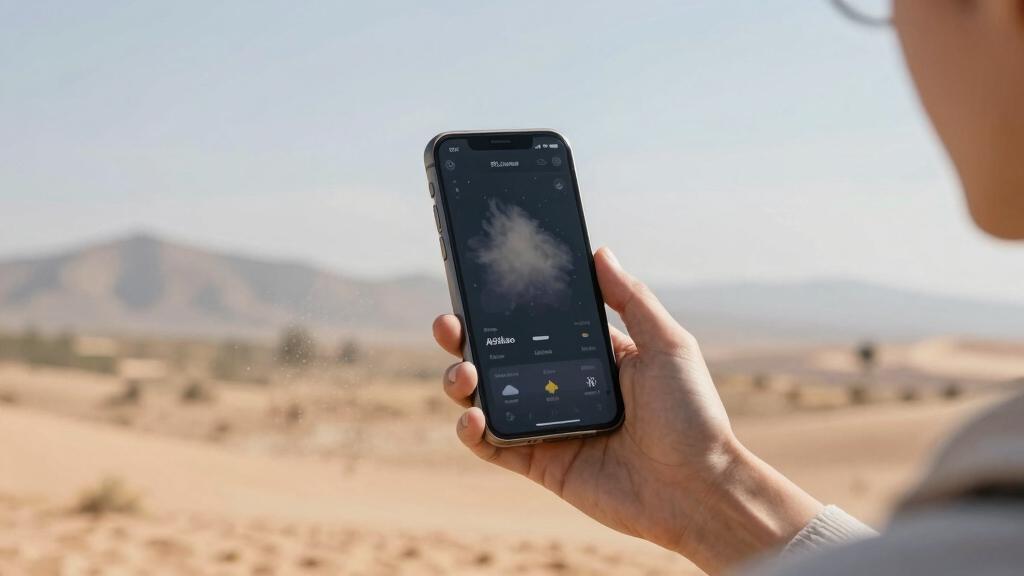
A massive dust plume originating from the Sahara Desert is forecasted to reach the US coastlines soon. Experts confirm the event, which could affect air quality and weather. Details on timing and impact are still developing.
A massive plume of dust from the Sahara Desert is forecasted to reach the US coastlines in the coming days, according to meteorologists. This event, confirmed by weather agencies, could influence air quality and weather conditions across parts of the country. The arrival of this dust cloud is significant due to its potential health and environmental effects.
Weather experts from The Weather Channel and national meteorological agencies have confirmed that a large dust plume originating from the Sahara Desert is on its way across the Atlantic Ocean toward the US. Satellite imagery shows the dust mass moving westward, with projections indicating it could reach the southeastern US, including states like Florida, Texas, and Louisiana, within the next 48 to 72 hours.
Officials warn that the dust could cause temporary reductions in air quality, especially in areas with high population density or existing pollution issues. Some models suggest the dust might also influence weather patterns, potentially leading to hazy skies, reduced visibility, and minor temperature fluctuations.
Impacts on Air Quality and Public Health
The arrival of Sahara dust in the US could have notable effects on air quality, potentially exacerbating respiratory issues for vulnerable populations such as children, the elderly, and those with pre-existing health conditions. Environmental agencies are advising residents to monitor air quality reports and take precautions if needed. Additionally, the event highlights the interconnectedness of global weather systems and the influence of desert dust on atmospheric conditions far from its origin.
As an affiliate, we earn on qualifying purchases.
Sahara Dust Events and Historical Precedents
Dust from the Sahara Desert regularly travels across the Atlantic in events known as Saharan Air Layer (SAL) outbreaks. These events occur several times annually, with some reaching as far as the Caribbean and the southeastern US. Historically, such dust plumes have been linked to temporary declines in air quality and can influence hurricane development by suppressing storm activity through dry, stable air masses.
Recent satellite data and climate models have indicated an unusually large dust event this season, prompting increased monitoring by meteorological agencies. The last significant Saharan dust event affecting the US occurred in 2020, causing widespread haze and minor health advisories.
“This dust plume from the Sahara is one of the larger events we’ve tracked in recent years, and its arrival could have measurable impacts on air quality and weather conditions along the Gulf Coast and southeastern states.”
— Dr. Lisa Thompson, NOAA meteorologist
Timing, Extent, and Health Impacts Still Uncertain
While forecasts suggest the dust will reach US coastlines within the next few days, the exact timing, concentration levels, and geographic extent remain uncertain. The potential health impacts depend on the dust’s density and local air quality conditions, which are still being monitored. Scientists are also assessing how this event might influence local weather patterns, but definitive effects are yet to be confirmed.
Monitoring, Public Advisories, and Further Forecasts
Meteorological agencies will continue tracking the dust plume’s movement and intensity. Public health officials are preparing advisories for affected regions, especially vulnerable populations. Further updates are expected as more data become available, with authorities monitoring for any significant impacts on air quality, weather, or health. Researchers will also analyze the event to improve future forecasts of Saharan dust transport.
Key Questions
When will the Sahara dust reach the US?
Current projections estimate the dust will arrive along the southeastern US within the next 48 to 72 hours, but exact timing may vary depending on weather conditions.
How will the dust affect air quality?
The dust could cause temporary reductions in air quality, especially in areas with high pollution or vulnerable populations. Residents are advised to monitor local air quality reports and take precautions if necessary.
Will the dust impact weather patterns?
Scientists believe the dust may influence local weather by creating haze and possibly affecting temperature and visibility, but the full extent of these effects is still under study.
Are there health risks associated with the dust?
Yes, particularly for individuals with respiratory issues, allergies, or asthma. Health authorities recommend staying indoors and minimizing outdoor activities if air quality worsens.
Is this a rare event?
Saharan dust events are relatively common, occurring multiple times annually, but the size and reach of this particular plume are notable and being closely monitored.
Source: google-trends
Fall Picks
fall essentials
As an affiliate, we earn on qualifying purchases.