

The Endangered Species Act (ESA) protects America’s wildlife by identifying threatened and endangered species through scientific assessments. It then safeguards their habitats, especially critical areas essential for survival, and promotes ecosystem-based conservation efforts. The law also involves federal agencies, states, and the public in recovery plans and habitat management. While enforcement faces legal and economic challenges, ongoing cooperation helps guarantee species are protected. If you want to understand how these efforts come together, there’s more to explore.

Prime made for students and young adults
- Fast, free delivery for dorm and study essentials
- Prime Video and Amazon Music included
- Member-only deals
Key Takeaways
- The ESA, enacted in 1973, provides legal protections to prevent species extinction and promote recovery of endangered and threatened wildlife.
- Species are listed based on scientific assessments of threats like habitat loss, disease, and over-exploitation.
- The Act mandates the designation and protection of critical habitats essential for species survival.
- Federal agencies must consult and coordinate to ensure their actions do not harm protected species or habitats.
- Public participation and collaboration with stakeholders support effective conservation and enforcement efforts.
endangered species educational books
As an affiliate, we earn on qualifying purchases.
As an affiliate, we earn on qualifying purchases.
The Origins and Legislative Foundations of the ESA

The Endangered Species Act (ESA) has its roots in earlier conservation laws that aimed to protect vulnerable species and their habitats. It built upon the Endangered Species Preservation Act of 1966, which first authorized federal protection for a limited number of species, and the 1969 Endangered Species Conservation Act, expanding protections and adding international considerations. Recognizing the need for stronger legal tools, Congress enacted the ESA in 1973, making it the most exhaustive law of its kind worldwide. Signed by President Nixon, the law aimed to prevent extinction, recover species, and preserve ecosystems. Its legislative foundation reflects an evolving commitment to conservation, responding to mounting concerns over habitat destruction, pollution, and species decline.
How Species Are Identified and Listed for Protection
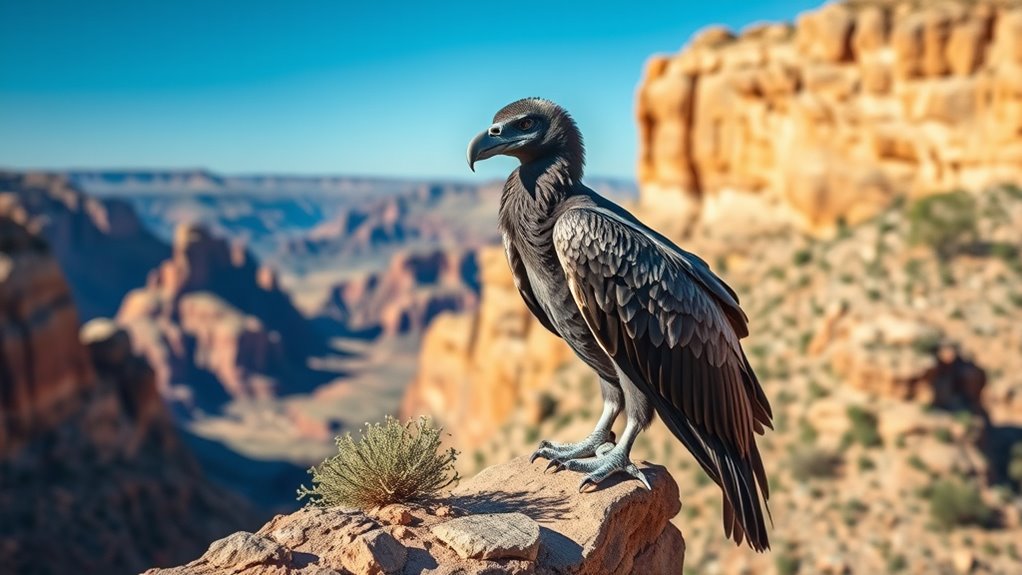
Identifying which species deserve protection under the ESA involves a thorough scientific assessment of threats such as habitat loss, disease, or over-exploitation. Experts evaluate data on population trends, habitat conditions, and threats to determine if a species is endangered or threatened. Once assessed, the species is proposed for listing. The decision involves reviewing scientific evidence, public comments, and recommendations from specialists. The species is then officially listed in the Federal Register by the Secretaries of the Interior or Commerce. This process guarantees that listing decisions are based on sound science and reflect the species’ actual risk of extinction, helping prioritize conservation efforts effectively.
| Step | Action | Responsible Agency |
|---|---|---|
| 1 | Collect data and assess threats | U.S. Fish & Wildlife Service / NOAA Fisheries |
| 2 | Prepare scientific review | Experts and agencies |
| 3 | Public comment period | Federal government |
| 4 | Finalize listing decision | Secretaries of Interior/Commerce |
| 5 | Official publication in Federal Register | Federal government |
Critical Habitats and Ecosystem-Based Conservation Strategies

Recognizing that protecting individual species alone isn’t enough, the ESA emphasizes the importance of conserving critical habitats essential for their survival and recovery. You’ll see that designating these habitats helps ensure species have the space and resources they need to thrive. The law requires federal agencies to identify and protect these crucial areas, influencing land-use decisions and development projects. Instead of focusing only on single species, the ESA promotes ecosystem-based conservation strategies that maintain ecological integrity. Programs like habitat restoration, land acquisition, and habitat management are key tools in this approach. By safeguarding entire ecosystems, you support the interconnected web of life, giving endangered species a better chance to recover and flourish in their natural environments. Additionally, unique and wicked planters can be used to create engaging habitats that support native plant and animal species, further enhancing conservation efforts. Protecting critical habitats also helps preserve biodiversity hotspots, which are vital for maintaining ecological resilience and supporting a wide variety of species. Furthermore, the enforcement of habitat protection measures often involves monitoring species populations to assess recovery progress and inform future conservation actions. Implementing sound sound recording techniques can also play a role in habitat monitoring and public awareness campaigns, strengthening conservation initiatives. Moreover, innovative candle-making methods can serve as educational tools to raise awareness about endangered species and their habitats.
Enforcement Challenges and Legal Conflicts

Enforcement of the Endangered Species Act often faces significant obstacles due to legal conflicts and competing interests. You’ll find that developers, industries, and local governments frequently challenge protections, arguing they hinder economic growth. Courts sometimes side with these interests, delaying or blocking conservation efforts. High-profile cases, like the snail darter and Tellico Dam, highlight these conflicts, showing how economic development can clash with species protection. Additionally, delays in listing species or designating critical habitats weaken enforcement, leaving some populations vulnerable. Enforcement agencies have limited resources, making it hard to monitor all activities and ensure compliance. This ongoing tension between conservation goals and economic or political interests complicates the law’s implementation and diminishes its effectiveness in safeguarding endangered species. Moreover, resource allocation within agency operations could improve enforcement efficiency and help address some of these challenges. Increasing funding and staffing could enable agencies to better oversee protected areas and respond more swiftly to violations. Strengthening interagency collaboration might also help resolve conflicts more effectively and streamline enforcement efforts. Implementing advanced monitoring technologies could further enhance enforcement capabilities and ensure compliance with critical habitat protections.
The Role of Federal Agencies and Public Participation

Federal agencies play a central role in implementing the Endangered Species Act by managing conservation efforts and ensuring compliance with its provisions. The U.S. Fish and Wildlife Service oversees terrestrial and freshwater species, while NOAA Fisheries handles marine species. These agencies conduct assessments, list species, and designate critical habitats. They work closely with other federal entities, requiring consultations before approving projects that might harm protected species or habitats. Public participation is essential; you can provide input during listing and recovery planning. Agencies also partner with states, tribes, landowners, and NGOs to boost conservation efforts. This collaboration helps balance ecological needs with economic and community interests, ensuring that endangered species receive effective protection through transparent, inclusive processes. Additionally, these agencies utilize scientific data and conservation strategies to guide their actions and prioritize efforts. Incorporating rendering lard knowledge and sustainable practices further supports self-sufficiency in conservation initiatives. Recognizing the importance of color accuracy in projectors can also improve educational and outreach programs related to wildlife preservation. Moreover, leveraging community involvement can significantly enhance the effectiveness of recovery programs by fostering local stewardship and awareness. Integrating scientific research into policy decisions ensures that conservation efforts are based on reliable and current information, leading to more effective protection measures.
Frequently Asked Questions
How Effective Has the ESA Been in Species Recovery Overall?
The ESA has been quite effective overall, helping many species recover from the brink of extinction. For example, the Bald Eagle’s population grew from fewer than 500 breeding pairs in 1963 to over 316,000 today. You can see its success in protecting species and habitats, though challenges remain, like delays in listing species and balancing development needs. Despite some setbacks, the law remains a powerful tool for conservation efforts across the country.
What Are the Main Criticisms of the Esa’s Current Implementation?
Imagine you’re living in 1973, excited for change. Today, you might see critics say the ESA’s implementation is too slow, often delaying species listings and habitat protections. They argue political and economic interests block swift action, risking extinction. Enforcement can be inconsistent, and some species still face threats despite protections. Public involvement sometimes feels limited, and balancing development with conservation remains a challenge, making the law’s promise harder to fully realize.
How Does Climate Change Impact ESA Conservation Efforts?
Climate change markedly challenges your ESA conservation efforts by altering habitats and threatening species’ survival. Rising temperatures, sea-level rise, and extreme weather disrupt critical habitats, making it harder to protect and restore them effectively. You must adapt strategies to address these changes, like updating critical habitat designations and supporting ecosystem resilience. Collaborate with scientists and policymakers to incorporate climate projections into recovery plans, ensuring species have a better chance to survive in a changing environment.
Can Private Landowners Be Required to Protect Endangered Species?
Like a tightrope walker balancing carefully, private landowners can be required to protect endangered species under the ESA. If endangered or threatened species inhabit your land, you may face restrictions on development, land use, or activities that could harm those species. The law mandates consultation and sometimes habitat preservation efforts, ensuring that private property owners work with federal agencies to protect wildlife, even if it means altering plans or managing land differently.
What Recent Legislative Proposals Aim to Amend the ESA?
Recent legislative proposals aim to amend the ESA by easing restrictions on land development and resource extraction. You might see bills that reduce federal oversight, shorten the listing process, or limit habitat protections for certain species. These changes could prioritize economic growth over conservation efforts, making it easier for projects to proceed at the expense of endangered species and their habitats. Stay informed, as these proposals could profoundly affect wildlife protection policies.
Conclusion
Remember, the early bird catches the worm, and in this case, it’s up to you to help protect our wildlife. The Endangered Species Act gives us a powerful tool to save species on the brink of extinction, but it’s a team effort. Stay informed, advocate for conservation, and support policies that preserve our natural heritage. Together, we can make sure future generations inherit a world where wildlife thrives, not just survives.
Fall Picks
fall essentials
As an affiliate, we earn on qualifying purchases.