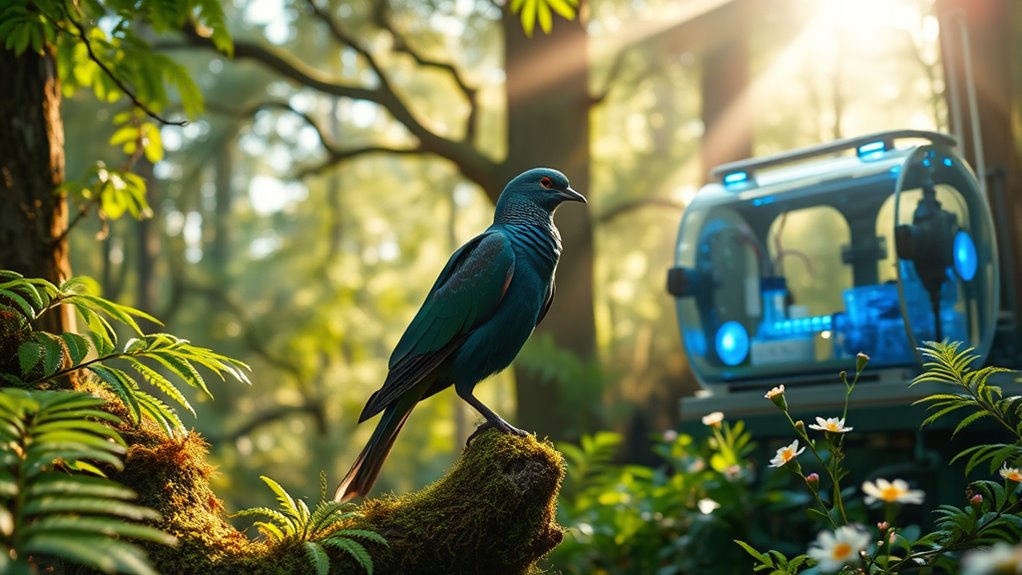

De-extinction uses advanced genetics, biotechnology, and ecology to try reviving lost species through methods like cloning, gene editing, and selective breeding. While scientists have made progress, they face challenges like degraded DNA, ecological impacts, and ethical debates about interfering with nature. It’s complex and controversial, raising questions about conservation priorities and ecosystem balance. To explore how these scientific efforts work and the ethical dilemmas involved, keep exploring further.
Key Takeaways
- De-extinction employs genetic technologies like cloning and gene editing to potentially revive extinct species, but faces significant technical challenges.
- Preserving high-quality ancient DNA is critical yet difficult due to degradation and contamination, limiting the accuracy of genome reconstruction.
- Ethical concerns include ecological impacts, animal welfare, resource allocation, and moral questions about “playing God” with nature.
- Reintroducing de-extinct species may disrupt existing ecosystems, displacing native flora and fauna and causing unforeseen environmental effects.
- De-extinction is not a substitute for conservation; it is a scientific tool that requires careful consideration of ecological, ethical, and practical implications.

Zero to Genetic Engineering Hero: The Beginner's Guide to Programming Bacteria at Home, School & in the Makerspace
As an affiliate, we earn on qualifying purchases.
As an affiliate, we earn on qualifying purchases.
The Scientific Foundations of De-Extinction

The scientific foundations of de-extinction rest on recent advances in genetics, biotechnology, and evolutionary biology that have transformed what once seemed like science fiction into a feasible pursuit. You now understand that generating organisms resembling extinct species involves techniques like cloning, genome editing, and selective breeding. Cloning, through somatic cell nuclear transfer, creates organisms with identical genetics by transferring a donor nucleus into an enucleated egg. Genome editing, especially CRISPR, allows precise modifications to reconstruct extinct DNA fragments, even from degraded samples. These methods depend heavily on high-quality, well-preserved DNA from fossils or specimens. While no species have been successfully resurrected yet, ongoing progress in decoding ancient genomes and refining these technologies continually brings the goal closer. This convergence of fields makes de-extinction increasingly scientifically plausible. Additionally, understanding the lifestyle of extinct species can provide valuable insights into their biology and ecological roles, further informing de-extinction efforts. Moreover, advancements in genomic sequencing are critical for accurately reconstructing extinct genomes and enhancing the feasibility of de-extinction projects. Recent studies have also explored the potential of synthetic biology to create novel organisms that can serve as proxies for extinct species, expanding the scope of de-extinction possibilities. Furthermore, the development of biobanks storing preserved genetic material has become an essential resource for supporting de-extinction initiatives. These biobanks can also facilitate long-term genetic preservation, ensuring that genetic diversity is maintained for future research.

CRISPR Gene Editing: Methods and Protocols
As an affiliate, we earn on qualifying purchases.
As an affiliate, we earn on qualifying purchases.
Techniques and Technologies Driving Species Revival

Advances in biotechnology and genetics have revolutionized the way scientists approach de-extinction, making species revival more feasible than ever before. You now have three key techniques driving this progress:
- Cloning: Using somatic cell nuclear transfer, scientists transfer DNA from preserved tissue into an enucleated egg, creating a genetically identical organism. This method requires well-preserved DNA samples for success.
- Genome Editing: CRISPR technology allows precise modifications to DNA, reconstructing extinct species’ genomes by adding or removing specific genes.
- Selective Breeding: By breeding closely related species and selecting desirable traits, researchers can gradually reintroduce extinct characteristics into surviving populations.
These tools work together to overcome challenges posed by degraded DNA and help bring extinct species closer to reality. Additionally, understanding the importance of DNA preservation enhances the success rate of these techniques.
biobanking supplies for DNA preservation
As an affiliate, we earn on qualifying purchases.
As an affiliate, we earn on qualifying purchases.
Challenges in Preserving and Reconstructing Extinct DNA

How do scientists overcome the formidable challenge of preserving and reconstructing DNA from extinct species? Preservation depends on finding well-maintained specimens, like frozen or desiccated remains, which are increasingly rare. Over time, DNA degrades into fragments, making extraction difficult. Researchers must carefully isolate what’s left and repair damaged sections using advanced genetic tools. Fragmented DNA complicates genome assembly, requiring sophisticated algorithms to piece together incomplete sequences accurately. Additionally, contamination from modern DNA can pose serious problems. The age of the specimen influences DNA quality; older samples tend to have more degraded material. Because of these hurdles, reconstructing a complete genome demands meticulous effort, cutting-edge technology, and often, innovative methods to fill in gaps, making de-extinction a complex and resource-intensive process.

Seed Starting Plug Kits with Cloning Gel, Organiplug and Rootech, 7g Size
QUALITY SEEDS: Organiplug seed starter plugs feature compressed coco coir fibers that expand when watered to gently support…
As an affiliate, we earn on qualifying purchases.
As an affiliate, we earn on qualifying purchases.
Notable Experiments and Their Outcomes
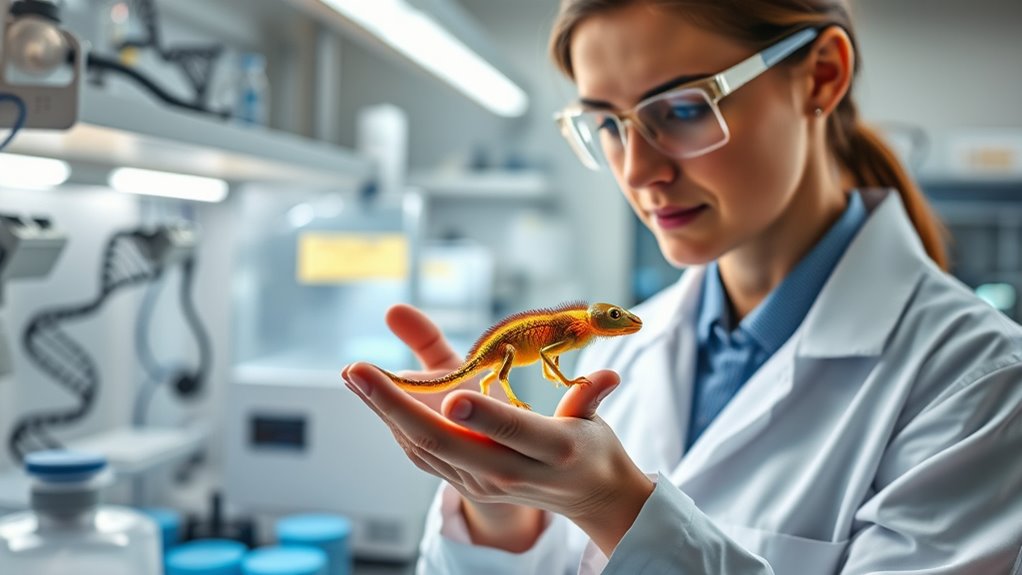
Several notable experiments have shaped the landscape of de-extinction efforts, demonstrating both progress and persistent hurdles. These experiments highlight how close we’ve come and what remains challenging. A key consideration in these efforts is ensuring reliable backup systems to support potential reintroductions. The Pyrenean ibex was the first attempt, producing a live birth in 2009, but the individual only survived a few minutes. Woolly mammoth efforts leverage ancient DNA, with scientists editing elephant genomes to recreate key traits, but no fully resurrected mammoth exists yet. The cloning of Dolly the sheep in 1996 proved mammalian cloning works, laying the groundwork for future de-extinction projects. While these experiments show promising advancements, challenges like degraded DNA and ecological integration remain, emphasizing the importance of genetic preservation techniques. Advances in DNA sequencing technologies continue to improve our ability to study ancient genetic material. For example, cryopreservation techniques are increasingly used to safeguard genetic material for future use. Additionally, developing sustainable reintroduction strategies is crucial to ensure that de-extinct species can thrive without disrupting current ecosystems. Each step pushes us closer, but full success is still on the horizon.
Ethical Considerations and Ecological Impacts
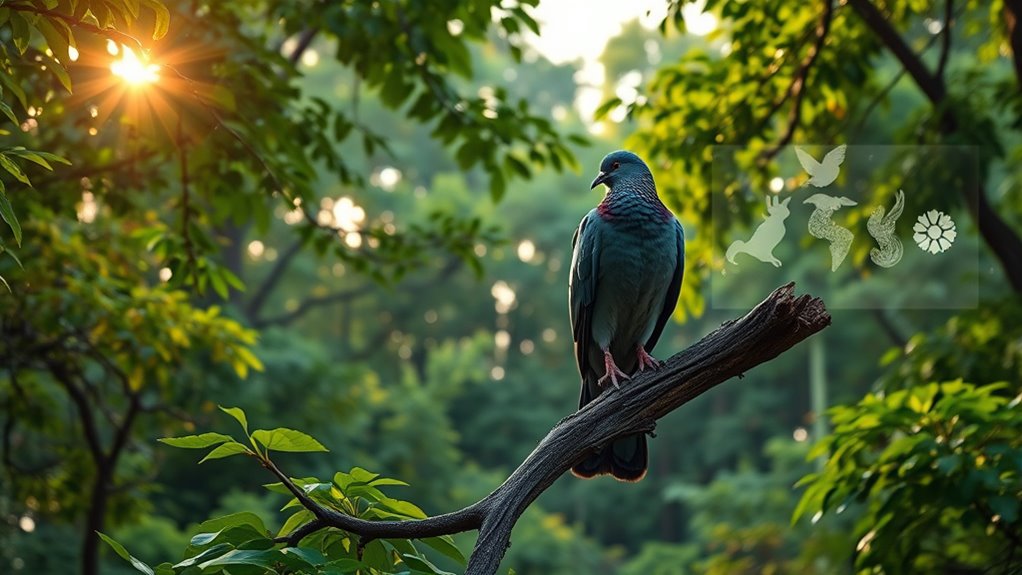
De-extinction raises complex ethical questions that demand careful consideration of both moral responsibilities and potential consequences. You must weigh whether reviving species justifies the risks to existing ecosystems and biodiversity. Reintroducing extinct species could disrupt current ecological balances, competing with or displacing native species. There’s also the moral dilemma of prioritizing resources—should efforts focus on restoring extinct animals or conserving endangered ones? Additionally, you must consider animal welfare; creating organisms that may suffer or have uncertain survival prospects raises serious ethical concerns. Beyond ecological impacts, society faces questions about human interference in natural processes and whether we have the right to “play God.” The debate over ecological balance highlights the importance of understanding potential ripple effects on current ecosystems. Recognizing the scientific advancements involved in de-extinction can help inform ethical decision-making. As these technologies develop, genetic engineering plays an increasingly significant role in shaping future possibilities. Balancing scientific progress with ethical integrity is critical as de-extinction moves from possibility to reality. Relationships – Personality Test can offer insights into how our attitudes towards these ethical challenges are shaped by personal and societal values. Furthermore, understanding vetted information ensures that decisions are based on reliable scientific data rather than misconceptions.
Frequently Asked Questions
What Are the Potential Risks of De-Extinction to Existing Ecosystems?
You might face ecological risks if de-extinction introduces species that disrupt existing balances. These revived species could compete with native animals for resources, spread diseases, or fail to adapt to current environments. Reintroducing species without understanding their ecological roles might lead to unintended consequences, like harming biodiversity or altering habitats. Careful assessment and management are crucial to prevent these risks and guarantee ecosystems remain resilient and balanced.
How Do Scientists Prioritize Which Species to Revive?
You should understand that scientists prioritize species for revival based on ecological impact, genetic data availability, and conservation needs. They assess whether reintroducing a species can restore ecological balance or help combat current biodiversity loss. Additionally, practicality plays a role, considering the feasibility of cloning or genome editing. Ultimately, they aim to choose species that can positively influence ecosystems while minimizing risks and ethical concerns.
What Legal Frameworks Govern De-Extinction Research and Applications?
Think of laws as the compass guiding your journey in de-extinction. You must navigate international treaties like the Convention on Biological Diversity and national regulations that protect endangered species. These frameworks set boundaries on genetic manipulation, animal welfare, and ecosystem impacts. Your work must align with ethical standards, ensuring respect for biodiversity. By following these legal maps, you help balance scientific progress with environmental responsibility and global cooperation.
Can De-Extinction Efforts Address Current Biodiversity Crises?
You can argue that de-extinction efforts might help address biodiversity crises by restoring lost species and ecological functions, but they aren’t a complete solution. You need to take into account that reintroducing species could disrupt existing ecosystems or compete with current wildlife. While promising, de-extinction should complement conservation efforts, focusing on protecting endangered species and habitats first to ensure a balanced approach to biodiversity preservation.
How Might De-Extinction Impact Conservation Funding and Efforts?
Imagine funding gets diverted to de-extinction projects like reviving the woolly mammoth, leaving fewer resources for protecting endangered species. You might see a boost in public interest and investment, but it could also lead to complacency in traditional conservation efforts. While de-extinction can inspire new initiatives, it risks overshadowing urgent habitat preservation and species protection, potentially weakening overall biodiversity efforts. Balancing innovation with proven conservation remains essential.
Conclusion
De-extinction is like trying to bring back a lost chapter of nature’s story, full of promise and pitfalls. As you explore its scientific and ethical depths, remember that each step could reshape ecosystems and our responsibilities. While the technology offers hope, it’s essential to proceed thoughtfully—like tending a delicate garden—so we don’t inadvertently cause more harm than good. Ultimately, it’s a journey of balancing innovation with respect for the natural world.