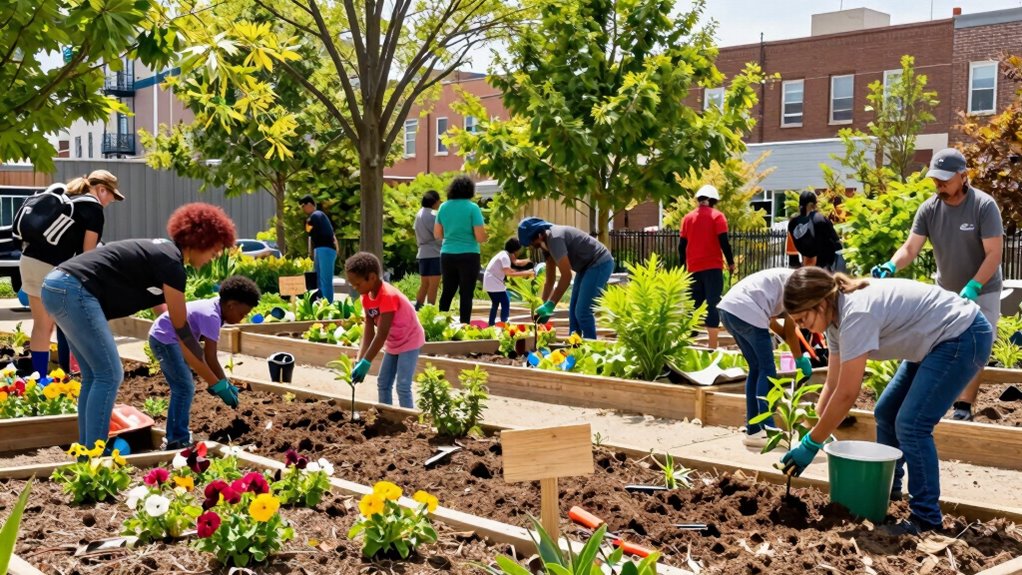

Community members are transforming vacant lots into vibrant natural habitats by planting native trees, flowers, and shrubs that attract local wildlife. Volunteers organize cleanup days and educational events, fostering pride and responsibility among residents. These efforts turn empty spaces into safe spots for children and gathering places for families, strengthening neighborhood bonds. As you explore further, you’ll discover how these small projects grow into lasting community movements that benefit both people and the environment.
Key Takeaways
- Residents and volunteers transform neglected lots into habitats with native plants to support urban wildlife.
- Community-led projects foster ownership, responsibility, and ongoing stewardship of the created green spaces.
- Small neighborhood efforts grow into broader movements, enhancing collective environmental impact.
- These spaces improve neighborhood aesthetics, promote outdoor activities, and strengthen community bonds.
- Creating urban habitats supports biodiversity, ecological balance, and sustainable city living.

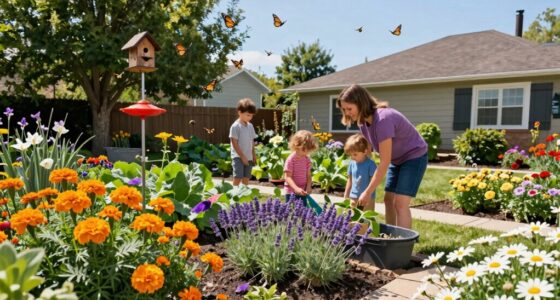
Have you ever wondered how community nature spaces transform neighborhoods and bring people closer to the outdoors? It’s often through the dedicated efforts of local residents who see potential in neglected lots. These volunteers turn vacant, unused spaces into vibrant habitats where urban wildlife can thrive. By planting native trees, flowers, and shrubs, they create welcoming environments that attract birds, butterflies, and small mammals, enriching the local ecosystem. As you walk through these areas, you’ll notice how much life they support, providing refuge for species that might otherwise struggle to find habitat amidst the concrete jungle.
Community volunteers transform neglected lots into vibrant habitats for urban wildlife, enriching ecosystems and reconnecting neighborhoods with nature.
This process isn’t just about planting greenery; it’s about fostering a sense of ownership and responsibility among community members. Volunteer stewardship becomes the backbone of these projects, as residents commit their time and effort to maintain and improve the space. This hands-on involvement ensures that the space remains healthy, safe, and accessible for everyone. It’s common to see local groups organizing cleanup days, planting weekends, or educational events that highlight the importance of urban wildlife and ecological balance. Through these activities, residents learn about the delicate relationships between native species and their environment, deepening their appreciation for the natural world right outside their doors.
When you participate in transforming an empty lot into a community nature space, you’re actively helping to reconnect your neighborhood with the outdoors. It’s a grassroots effort that often starts small—perhaps with a few neighbors planting flowers or clearing debris—but quickly grows into a collective movement. The ongoing volunteer stewardship ensures that the space evolves alongside the needs of the community and the seasons, fostering a sustainable environment. These spaces not only boost biodiversity but also serve as outdoor classrooms, gathering spots, and peaceful retreats for residents of all ages. Engaging with volunteer stewardship can also promote community health and well-being, as outdoor activity and social interaction increase.
In neighborhoods where these efforts take hold, you’ll notice a shift in atmosphere. Streets become more inviting, and residents develop a stronger sense of pride and belonging. Children have safe places to explore, and families can enjoy nature without leaving their community. The involvement of volunteers creates a ripple effect—more neighbors get inspired to participate, strengthening community bonds. Additionally, creating these spaces can contribute to urban ecological balance, supporting sustainable city living. Incorporating native plantings is essential because they help sustain local wildlife and require less maintenance, making the space more resilient and environmentally friendly. Ultimately, transforming empty lots into thriving community nature spaces is a powerful proof of what people can accomplish when they work together, driven by a shared commitment to supporting urban wildlife and enriching their environment through volunteer stewardship.

The Southwest Native Plant Primer: 235 Plants for an Earth-Friendly Garden
As an affiliate, we earn on qualifying purchases.
As an affiliate, we earn on qualifying purchases.
Frequently Asked Questions
How Do Communities Secure Funding for These Projects?
You can obtain funding for these projects by exploring grant opportunities from local governments, nonprofits, and environmental organizations. Additionally, implementing fundraising strategies like community events, online campaigns, and partnerships with local businesses boosts your funds. Engaging residents and demonstrating the project’s benefits increases support, making it easier to attract grants and donations. Persistent outreach and transparent communication help sustain momentum and guarantee your community space becomes a reality.
What Legal Issues Are Involved in Transforming Empty Lots?
Transforming empty lots involves maneuvering a maze of legal issues that can seem as complex as deciphering a thousand-year-old map. You must carefully review zoning regulations to guarantee your project complies and avoid fines or delays. Liability concerns also loom large; you need proper insurance and safety measures to protect volunteers and visitors. Addressing these legal hurdles proactively helps turn your vision into a flourishing community space without unwanted surprises.
How Do Residents Get Involved in Planning?
You can get involved in planning by joining local meetings or workshops focused on the project. Volunteer coordination often helps organize community members, so sign up to contribute your skills. Increase public awareness by sharing information through social media, flyers, or neighborhood events. Your active participation guarantees your voice is heard, helping shape the space to meet community needs. Together, you can create a vibrant, sustainable environment for everyone to enjoy.
What Maintenance Is Required for These Spaces?
Did you know that maintaining these spaces typically requires just a few hours weekly? You’ll need to keep the area free of invasive plants, water plants if needed, and monitor for trash. This upkeep supports wildlife habitat and enhances environmental benefits, like improved air quality and stormwater management. With regular care, your community space thrives, attracting birds, bees, and butterflies, creating a sustainable haven that benefits everyone.
How Do These Projects Impact Local Property Values?
These projects tend to boost local property values by enhancing aesthetic appeal and providing environmental benefits like improved air quality and green spaces. When you see these nature spaces, you’ll notice they create a more inviting atmosphere, making neighborhoods more desirable. As a result, property values often increase because residents and potential buyers appreciate the improved environment and the community’s commitment to sustainability and beauty.
Conclusion
You see, transforming tired, vacant lots into vibrant, verdant community spaces isn’t just about greenery; it’s about giving groups the power to plant hope, promote positivity, and prioritize people. By boldly bridging barriers and building bonds with nature, you can cultivate a community that cares, connects, and thrives. So, seize the space, spark the spirit, and start shaping a stronger, more sustainable neighborhood — because your efforts can truly turn empty lots into lively, loving land.