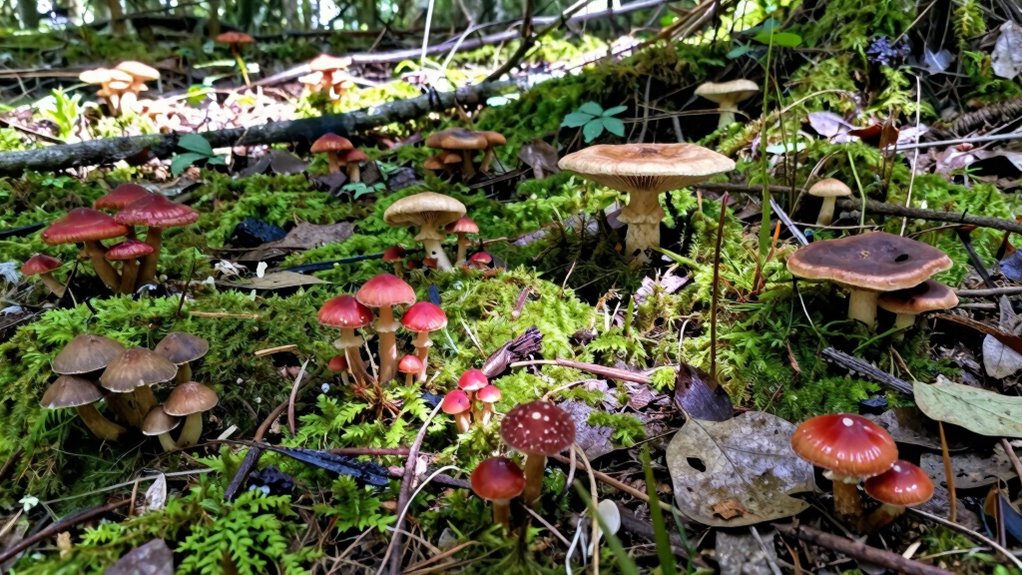

Species richness refers to the total number of different species in a specific area, showing how many types are present. In contrast, species evenness measures how evenly individuals are distributed among those species, indicating whether one dominates or if all coexist in balanced populations. Both aspects together give you a clearer picture of the ecosystem’s health and stability. If you want to understand how these concepts work together, keep exploring for more insights.

Get school and study supplies delivered free — and shop member deals
- Fast, free delivery on millions of items
- Access to Prime Big Deal Days deals on October 6–7
- Prime Video, Amazon Music and more included
Key Takeaways
- Species richness counts the total number of different species in a location, while species evenness measures how evenly individuals are distributed among those species.
- Richness reflects biodiversity quantity; evenness indicates the balance of species populations within an ecosystem.
- High richness means many species are present; high evenness means species have similar population sizes.
- Richness alone doesn’t indicate ecosystem stability; evenness provides insight into species dominance and ecosystem health.
- Together, they offer a comprehensive view of biodiversity, highlighting both species variety and population balance.
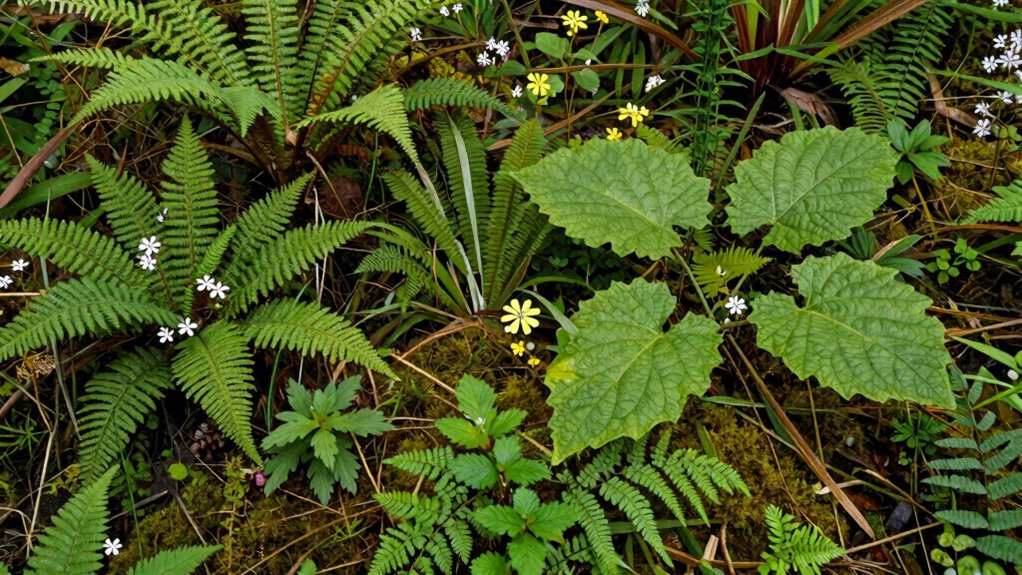
Have you ever wondered what makes some ecosystems more diverse than others? The answer often lies in understanding the concepts of species richness and species evenness. These two factors are fundamental in ecological studies because they help paint a clearer picture of biodiversity within a particular habitat. When performing a biodiversity assessment, scientists rely on ecological indicators to measure and compare ecosystems. These indicators include species richness, which counts how many different species exist in an area, and species evenness, which describes how evenly individuals are distributed among those species. Together, they influence how we interpret the health and stability of ecosystems.
Species richness is straightforward: it’s the total number of species you find in a specific location. Imagine walking into a forest and counting all the different trees, shrubs, insects, and birds. The higher the number, the more species are present. Richness is often used as an ecological indicator because it provides a simple, measurable way to gauge biodiversity. A habitat with high species richness generally indicates a rich, resilient ecosystem capable of supporting various life forms. However, richness alone doesn’t tell the whole story. You could have a forest with ten species, but if one species dominates completely while others are rare, the ecosystem’s balance might be fragile.
That’s where species evenness comes into play. It assesses how evenly individuals are spread across all species. For example, if one species makes up 90% of the population and the remaining nine species share the remaining 10%, the ecosystem has low evenness. Conversely, if all species have roughly equal numbers, the evenness is high. High evenness suggests a balanced ecosystem, often more stable and resilient to environmental changes. When performing biodiversity assessments, understanding both richness and evenness helps ecologists determine the overall health of the environment. An ecosystem with high richness but low evenness might be vulnerable because a single dominant species could suppress others, leading to reduced resilience.
In essence, ecological indicators like species richness and evenness provide a holistic view of biodiversity. They help you understand not just how many species are present, but also how those species interact and coexist. Recognizing the differences between these two aspects allows for more accurate assessments of ecosystem health, guiding conservation efforts and informing sustainable management practices. Both factors are essential in painting the complete picture of biodiversity, ensuring that ecosystems remain vibrant and resilient for generations to come. Understanding the species distribution within habitats can greatly enhance our ability to protect and sustain biodiversity. Additionally, considering species interactions can reveal critical relationships that support ecosystem stability.
As an affiliate, we earn on qualifying purchases.
Frequently Asked Questions
How Do Environmental Changes Affect Species Richness and Evenness?
Environmental changes, like habitat fragmentation in biodiversity hotspots, reduce species richness by removing or isolating habitats, leading to fewer species. They also affect evenness, as some species thrive while others decline, disrupting balance. You might notice certain species dominating while others become rare. These changes threaten ecosystem stability, making conservation efforts essential to preserve both the diversity of species and their relative abundances in vulnerable areas.
Can Two Ecosystems Have the Same Species Richness but Different Evenness?
Yes, two ecosystems can have the same species richness but differ in evenness. For example, one might have a high biodiversity balance with species evenly distributed, while the other has species dominance by a few types. Notably, ecosystems with 50 species can vary widely, with some showing a balanced distribution and others dominated by just a few. This highlights how species evenness influences overall ecosystem health and resilience.
Why Is Species Evenness Important for Ecosystem Stability?
Species evenness is essential for ecosystem stability because it influences biodiversity metrics that measure how balanced populations are. When evenness is high, no single species dominates, which helps the ecosystem resist disturbances and recover quickly. You can think of it as a balanced team where everyone contributes equally. This diversity enhances ecosystem resilience, making it better equipped to withstand environmental changes and maintain essential functions over time.
How Do Invasive Species Impact Species Richness and Evenness?
Imagine the time of the dinosaurs, where ecosystems thrived in harmony. Invasive impact disrupts this balance, often reducing species richness by outcompeting native species or causing extinctions. It also skews biodiversity balance, lowering evenness as one or few invasive species dominate. This imbalance weakens ecosystems, making them less resilient to environmental changes. You see, invasive species threaten both the variety and distribution of native life, harming ecosystem stability.
What Methods Are Used to Measure Species Evenness Accurately?
You can measure species evenness accurately using sampling techniques like quadrats or transects to collect representative data. Then, analyze this data with diversity indices such as the Pielou’s evenness index or Shannon’s evenness measure. These methods help quantify how evenly individuals are distributed among species, providing a clear picture of community structure and allowing you to compare different habitats or over time effectively.
Conclusion
Understanding the difference between species richness and species evenness helps you see the full picture of biodiversity. While richness tells you how many species are present, evenness reveals how balanced their populations are. Both are key to grasping ecosystem health. Remember, don’t put all your eggs in one basket—appreciating both aspects guarantees you truly grasp the richness of nature’s tapestry and avoid missing the forest for the trees.
Halloween Picks
halloween
As an affiliate, we earn on qualifying purchases.