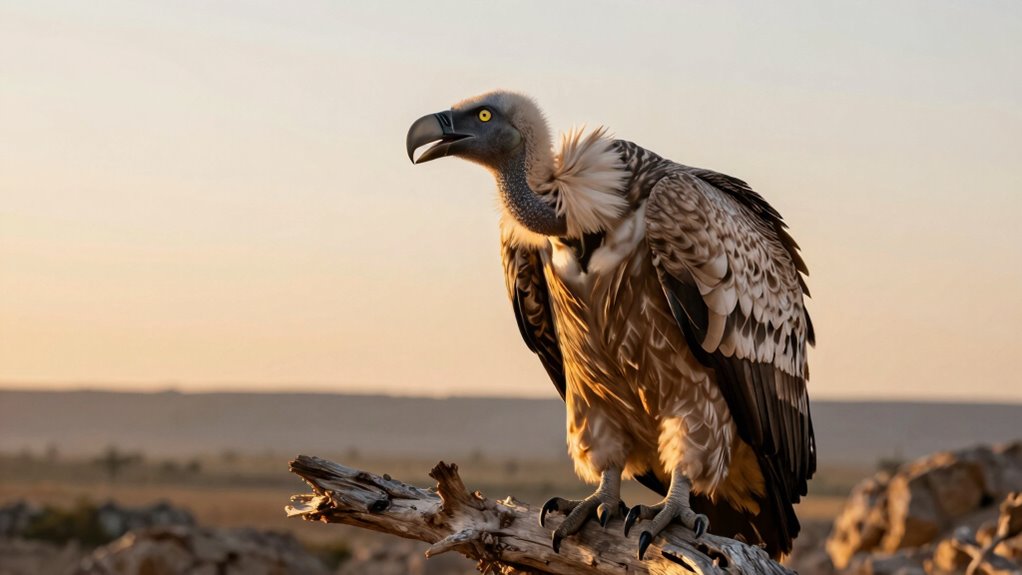

Vultures are often misunderstood because people don’t realize how vital they are for ecosystem health and disease control. They quickly clean up carcasses, preventing the spread of harmful bacteria and pests, which protects both wildlife and humans. Sadly, they face threats like poisoning and habitat loss, making their decline dangerous for the environment. If you’re curious, you’ll discover why safeguarding vultures means safeguarding our health and natural balance.
Key Takeaways
- Their vital role in disease control is often overlooked, leading to misunderstandings about their ecological importance.
- Vultures are mistakenly viewed as unimportant scavengers rather than essential ecosystem cleaners.
- Negative perceptions and myths about vultures contribute to their persecution and decline.
- Their silent, unseen work in maintaining environmental health is frequently underappreciated.
- Recognizing their ecological and public health contributions highlights their status as true conservation heroes.
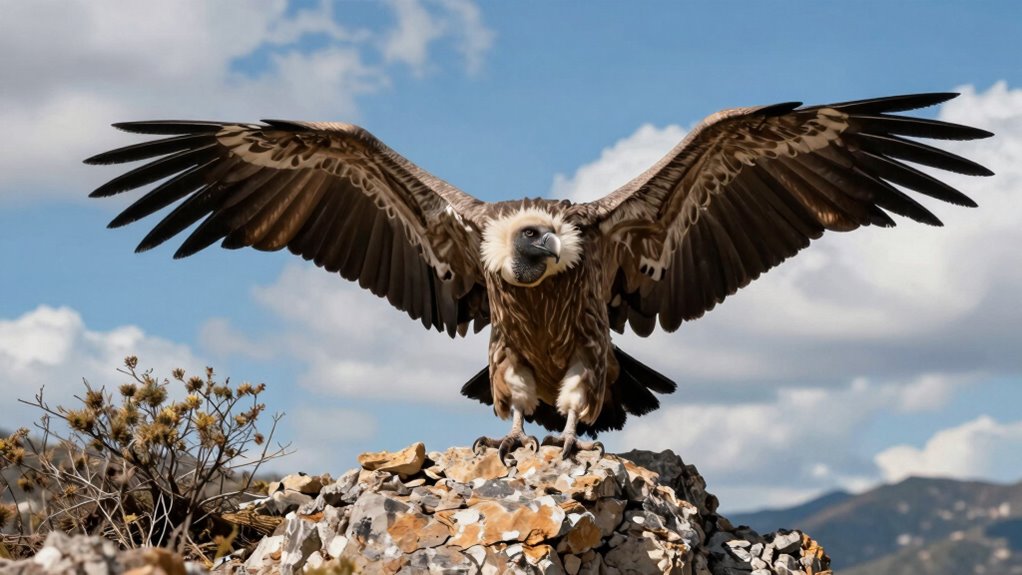
Vultures often go unnoticed or misunderstood, yet they play an indispensable role in maintaining healthy ecosystems. You might see them soaring high in the sky or perched silently on a tree branch, but their true importance lies beneath the surface. These scavengers are essential for preserving ecosystem balance, acting as nature’s cleanup crew by swiftly removing carcasses from the environment. Without vultures, dead animals could linger longer, attracting pests and spreading disease, which disrupts the delicate harmony within ecosystems.
Vultures are vital ecosystem cleaners, preventing disease and maintaining balance through nature’s silent, essential service.
You might not realize it, but vultures are also essential for disease control. When a dead animal remains in the wild, it becomes a breeding ground for bacteria and viruses, some of which can be deadly to humans and other animals. Vultures have a highly specialized digestive system that allows them to consume decaying flesh safely, destroying pathogens that would otherwise pose considerable health risks. Their acidic stomachs can neutralize harmful bacteria like anthrax and rabies, preventing outbreaks that could threaten entire populations. This natural process greatly reduces the spread of zoonotic diseases, making vultures key allies in public health.
Despite their fundamental functions, vultures often face threats driven by human activity, such as habitat destruction, poisoning, and hunting. It’s easy to overlook their importance until they vanish from the landscape, and the consequences become glaringly apparent. When vultures decline, the time it takes for carcasses to decompose increases, leading to an increase in disease-carrying pests like flies and rats. This imbalance can cascade through the ecosystem, affecting other wildlife and even human communities. Recognizing their role as conservation heroes involves understanding that their survival directly supports both environmental health and human well-being.
You might think of vultures as just scavengers, but they’re much more than that. They keep ecosystems in check, helping control disease and ensuring that the natural cycle continues smoothly. Their presence is a sign of a healthy environment, and their decline signals trouble ahead. Protecting vultures means safeguarding these essential ecological services, which often go unnoticed until it’s too late. By appreciating their role, you support efforts to conserve them and, in turn, preserve the balance of life that sustains us all. Ultimately, vultures are silent guardians of health and stability within ecosystems, deserving recognition as true conservation heroes.

Vultures of the World: Essential Ecology and Conservation
As an affiliate, we earn on qualifying purchases.
As an affiliate, we earn on qualifying purchases.
Frequently Asked Questions
How Do Vultures Locate Their Food From Such Great Distances?
You might wonder how vultures find food from afar. They use their incredible wingspan communication and keen eyesight to detect carcasses from great distances. As ancient scavengers, they fly high, scanning vast landscapes below. Their sharp vision helps them spot even tiny movements of potential food sources, making them efficient hunters. This impressive ability allows vultures to locate meals long before other animals, showcasing their essential role in ecosystem health.
Are Vultures Really Dangerous to Humans or Livestock?
Vultures aren’t dangerous to humans or livestock; they’re often misunderstood, like characters in vulture mythology who symbolize renewal and cleansing. Contrary to negative vulture symbolism, they play an essential role in ecosystems by cleaning up carcasses. Think of them as nature’s janitors, not threats. Their presence doesn’t threaten your safety, but instead, helps maintain health and balance in the environment.
What Specific Threats Do Vultures Face in Modern Ecosystems?
You should know that vultures face significant threats like poisoning risks from poisoned carcasses and habitat loss due to urbanization and agriculture. These dangers reduce their populations, impairing their essential role in ecosystems. When you understand these threats, you can help support conservation efforts to protect vultures, ensuring they continue to perform their critical function of cleaning up dead animals and preventing the spread of disease.
How Do Vultures Contribute to Preventing Disease Outbreaks?
You might not realize it, but vultures play a vital role in preventing disease outbreaks through their unique behavior of consuming carcasses quickly and efficiently. Their ecological importance lies in cleaning up dead animals, which curbs the spread of harmful bacteria and viruses. By doing so, vultures reduce the risk of zoonotic diseases, protecting both ecosystems and human health. Their scavenging helps maintain a healthy, balanced environment.
Can Vultures Adapt to Changing Environments and New Threats?
Yes, vultures can adapt to changing environments and new threats through their genetic adaptability and behavioral flexibility. You’ll see them quickly respond to shifts in food sources or habitat loss by altering their foraging habits. Their ability to learn, innovate, and survive in diverse conditions shows resilience. This flexibility helps vultures face challenges like climate change, ensuring they continue to play essential roles in ecosystems and conservation efforts.
Conclusion
So, next time you see a vulture circling the sky, remember they’re not the villains they’re often made out to be. Their essential role in ecosystems is more critical than you might think—yet their future hangs in the balance. Will we recognize their true value before it’s too late? The story of these misunderstood heroes is still unfolding, and only you can help guarantee their survival isn’t just another tale of neglect.