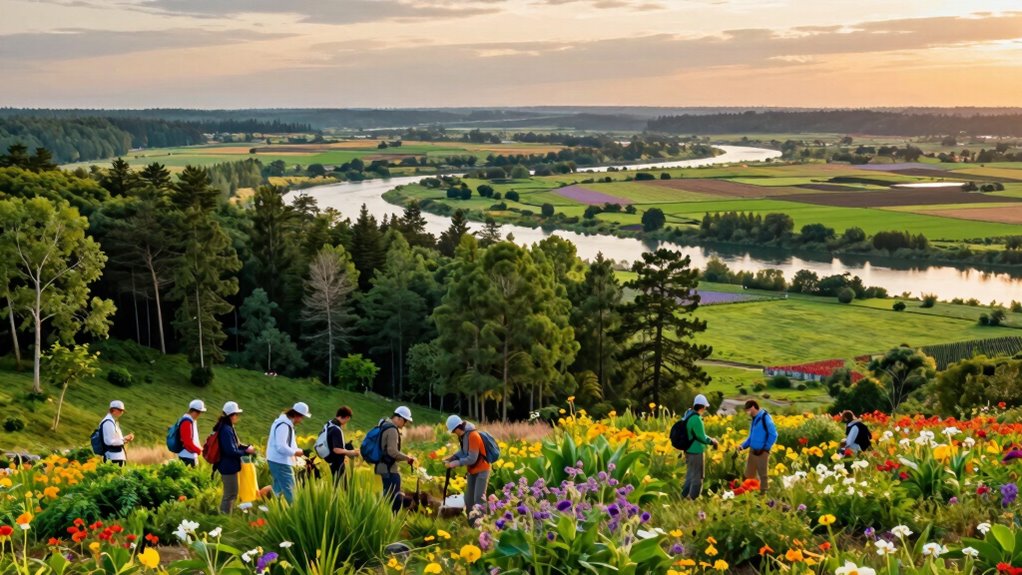

Biodiversity targets are shifting land management from focusing mainly on economic use to prioritizing ecosystem restoration and resilience. You now need to consider maintaining healthy habitats that can adapt to climate change, invasive species, and other pressures. Managers are guided by policies that promote habitat connectivity, sustainable practices, and measurable biodiversity goals. Collaborative, science-based approaches are essential for adapting strategies over time. Keep exploring to discover how these changes can help create more sustainable, healthy landscapes.

Prime made for students and young adults
- Fast, free delivery for dorm and study essentials
- Prime Video and Amazon Music included
- Member-only deals
Key Takeaways
- Biodiversity targets are guiding land use policies toward ecosystem restoration and resilience rather than solely economic development.
- Land management increasingly incorporates measurable biodiversity goals to ensure accountability and progress tracking.
- Conservation policies promote habitat connectivity and reduced fragmentation to support biodiversity preservation.
- Adaptive, science-based approaches enable land managers to respond effectively to environmental changes and new data.
- Collaboration among communities, scientists, and policymakers fosters innovative, sustainable strategies for biodiversity conservation.
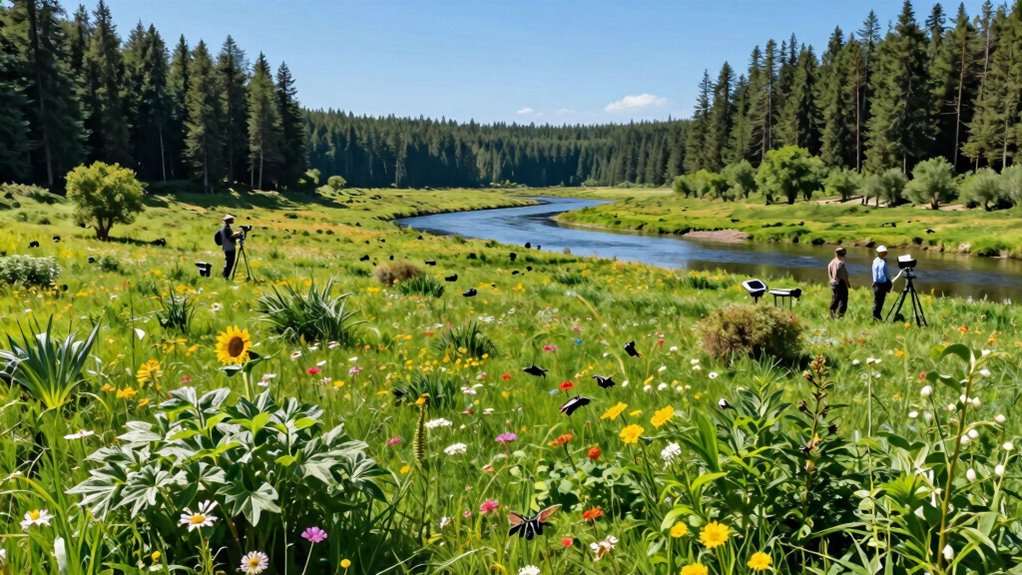
Have you ever wondered how effective land management can help us meet biodiversity targets? It’s a question that’s becoming more urgent as we face increasing threats to our natural environments. Today, land management isn’t just about using land for economic or developmental purposes; it’s about actively restoring and maintaining ecosystems to guarantee their resilience. Ecosystem resilience refers to a system’s capacity to absorb disturbances and still retain its fundamental functions. When land managers prioritize resilience, they’re not only helping biodiversity thrive but also creating landscapes that can adapt to climate change, invasive species, and other pressures. This shift in focus is driven by a growing understanding that healthy, resilient ecosystems are essential for achieving biodiversity targets. Conservation policies play a pivotal role here, guiding how land is used and protected. Governments and organizations are now adopting policies that promote sustainable practices, protect critical habitats, and restore degraded areas. These policies often require land managers to take into account biodiversity outcomes as part of their planning and decision-making processes. Instead of solely focusing on resource extraction or development, they’re encouraged to implement strategies that enhance habitat connectivity, reduce fragmentation, and support native species. This change is also supported by advances in natural pool design and management, emphasizing the importance of ecological balance. Such measures directly support ecosystem resilience by maintaining genetic diversity and ecological functions. Moreover, integrating scientific data into land management decisions further strengthens these efforts, emphasizing the importance of Ecosystem resilience in achieving long-term conservation goals. In addition, understanding the role of biodiversity targets helps stakeholders prioritize actions that effectively conserve various species and habitats. Furthermore, conservation policies now frequently include measurable biodiversity targets, which hold land managers accountable and incentivize better practices. This approach aligns land management with broader environmental goals, ensuring that efforts aren’t isolated but part of a holistic strategy for sustainability. It also encourages collaboration among local communities, scientists, and policymakers, fostering innovative solutions that benefit both people and nature. As a result, land management is becoming more adaptive and science-based, responsive to new data and changing conditions. You, as someone interested in preserving biodiversity, can see how these developments empower communities and individuals to participate actively in conservation efforts. The integration of ecosystem resilience and conservation policies into land management practices signals a shift toward more sustainable, effective strategies for meeting biodiversity targets. It’s a proactive approach, focusing on strengthening natural systems so they can withstand future challenges. Ultimately, this evolving landscape of land management ensures that biodiversity conservation isn’t an afterthought but a core component of how we steward our land—creating a healthier planet for generations to come.
Popular right now

Roborock Robot Vacuum and Mop with LiDAR Navigation and 10,000 Pa Suction

iRobot Roomba Max 715 Pet Robot Vacuum with AutoEmpty Dock

Shark Rocket Pet Plus Corded Stick Vacuum, Bordeaux, HV322
As an affiliate, we earn on qualifying purchases.
Frequently Asked Questions
How Do Biodiversity Targets Impact Local Farming Practices?
Biodiversity targets influence your farming practices by encouraging you to prioritize crop diversity and reduce pesticide use. You’ll diversify crops to support local ecosystems and enhance soil health, which can improve yields and resilience. Additionally, cutting back on pesticides helps protect beneficial insects and reduces environmental impact. These changes make your farm more sustainable, align with global biodiversity goals, and can even boost your farm’s long-term productivity and profitability.
Are Biodiversity Targets Legally Binding for Land Managers?
You’ll find that many biodiversity targets aren’t legally binding for land managers, meaning legal compliance isn’t always mandatory. Remarkably, only about 20% of biodiversity policies have strict enforcement mechanisms. Policy enforcement varies widely, so some targets are advisory rather than compulsory. It’s essential to stay informed about local regulations, as legal compliance ensures you meet government standards, while unbinding targets allow flexibility in balancing conservation with land use.
What Funding Is Available to Support Biodiversity-Focused Land Management?
You can access various funding opportunities and conservation grants to support biodiversity-focused land management. Governments, NGOs, and international organizations often provide these resources to promote sustainable practices. By applying for conservation grants, you can secure financial support for habitat restoration, species protection, and sustainable land use projects. These funds help you implement biodiversity targets effectively, ensuring your land management practices contribute positively to ecosystem health and resilience.
How Are Indigenous Communities Involved in Biodiversity Target Implementation?
You see indigenous communities actively involved through their indigenous knowledge, which informs biodiversity strategies. For example, in Australia, Aboriginal groups collaborate with conservation agencies, sharing traditional land management practices that enhance ecosystem health. Their involvement helps preserve cultural heritage while supporting biodiversity targets. This approach guarantees cultural preservation is integrated into land management, fostering sustainable conservation efforts and empowering indigenous voices in decision-making processes.
What Are the Long-Term Ecological Benefits of These Targets?
You’ll see long-term ecological benefits like enhanced ecosystem resilience and improved habitat connectivity. As biodiversity targets promote diverse habitats, ecosystems become better at withstanding climate change and human impacts. This stability supports a wide range of species, ensuring healthy, functioning environments. Over time, these efforts lead to more sustainable land management, preserving natural resources for future generations and maintaining the ecological balance essential for a thriving planet.
Conclusion
As you embrace these new biodiversity targets, imagine land management as a delicate dance—each step carefully tuned to preserve the vibrant tapestry of life. Your actions become the brushstrokes on a living canvas, shaping a future where nature’s colors blend harmoniously. By aligning your efforts with these goals, you’re not just tending the land; you’re cultivating a sanctuary where biodiversity blooms like a radiant garden, resilient and full of life, ready to thrive for generations to come.