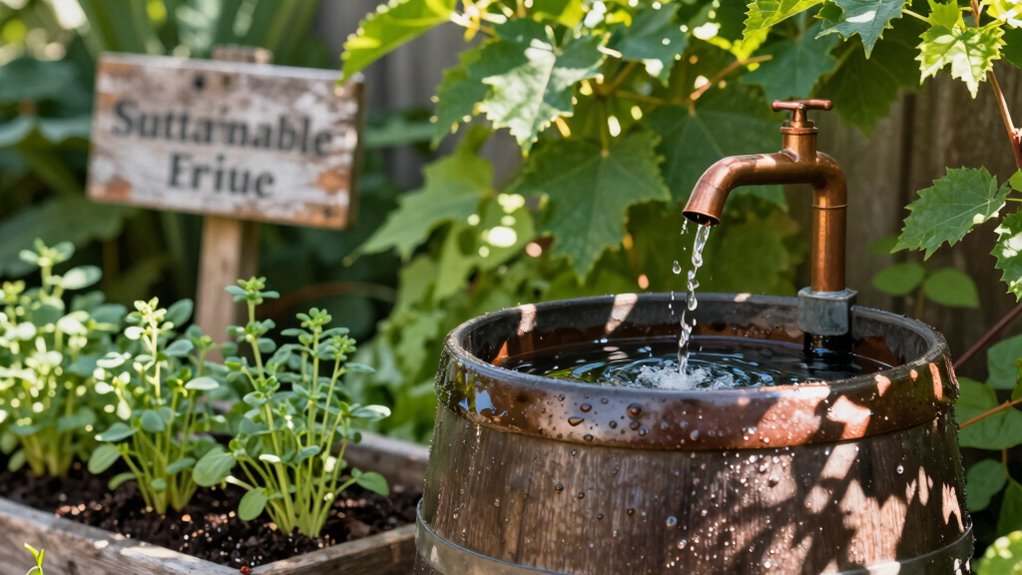

If you’re considering rainwater collection, it’s vital to check local regulations first. Rules vary by region, and some areas only allow harvesting for non-potable uses like irrigation. Others may permit safe collection for drinking purposes. Make sure you’re compliant to avoid fines or legal troubles. Regular maintenance of your system is also essential for quality. Want to learn how to set up your system effectively and explore incentives? There’s plenty more to discover.

Prime made for students and young adults
- Fast, free delivery for dorm and study essentials
- Prime Video and Amazon Music included
- Member-only deals
Key Takeaways
- Check local laws, as rainwater harvesting regulations vary by region and may restrict uses or require permits.
- Verify if your state allows collecting rainwater for potable or non-potable purposes and any associated safety standards.
- Ensure compliance with regulations to avoid fines or legal issues related to rainwater collection systems.
- Research local incentives or financial benefits available for homeowners who adopt rainwater harvesting practices.
- Maintain your system regularly, including cleaning gutters and checking for leaks, to ensure water quality and system efficiency.

Rainwater collection is a sustainable practice that can save you money and resources. By implementing rainwater harvesting, you can reduce your reliance on municipal water supplies and lower your utility bills. However, before you engage in this eco-friendly initiative, it’s important to familiarize yourself with the legal regulations governing rainwater collection in your area. Different regions have varying rules regarding how you can collect and use rainwater, and knowing these regulations will help you avoid potential fines or legal complications.
Rainwater harvesting can lower your utility bills, but understanding local regulations is essential to ensure compliance and avoid legal issues.
Many homeowners don’t realize that rainwater harvesting isn’t universally permitted. In some states, you’re allowed to collect rainwater for non-potable uses, like irrigation or flushing toilets, while others might allow it for potable uses, provided certain safety standards are met. It’s essential to check with your local government or water authority to make sure you comply with the legal framework. This knowledge not only keeps you out of trouble but also enhances your understanding of sustainable practices applicable in your community.
The environmental impact of rainwater collection can be significant. By capturing and using rainwater, you help reduce stormwater runoff, which often leads to erosion and water pollution. This practice can also mitigate the strain on local water supplies, especially during dry spells. When you harvest rainwater, you contribute to a healthier ecosystem, which is something every homeowner can feel good about.
Setting up a rainwater collection system isn’t overly complicated, but you do need to think about the materials you’ll use and how you’ll maintain the system. Many homeowners opt for barrels or tanks made from food-safe materials to guarantee the water remains clean. Regular maintenance, like cleaning gutters and checking for leaks, is essential to keep your system functioning properly and to prevent contamination.
You may also want to reflect on how you’ll use the collected rainwater. Whether it’s watering your garden, washing your car, or even flushing toilets, having a clear plan will maximize your investment. Additionally, some states offer incentives for homeowners who adopt sustainable practices, including rainwater harvesting systems, so be sure to explore those opportunities.
As an affiliate, we earn on qualifying purchases.
Frequently Asked Questions
What Types of Containers Are Best for Rainwater Collection?
For rainwater collection, you’ll want to use food-grade plastic or stainless steel containers. These storage materials help guarantee the water remains clean and safe. When choosing container sizes, consider your needs; larger containers are great for long-term storage, while smaller ones are easier to manage and can fit in tight spaces. Make certain they have secure lids to prevent contamination and debris from getting in. Happy collecting!
How Often Should I Clean My Rainwater Collection System?
You should clean your rainwater collection system at least twice a year. During these cleanings, check for debris, algae, and sediment buildup. It’s also a good idea to perform a system inspection after heavy rains to verify everything’s functioning properly. Regular maintenance helps prevent contamination and keeps your water safe for use. Staying on top of cleaning frequency will guarantee your system remains efficient and reliable for your needs.
Can I Use Collected Rainwater for Drinking?
Yes, you can use collected rainwater for drinking, but it’s essential to guarantee it meets health safety standards. You’ll need to implement effective water purification methods, like filtration and disinfection, to remove contaminants. Regularly testing your water quality helps maintain safety. Always check local regulations, as some areas have specific guidelines for using rainwater for potable purposes. Prioritizing safety will guarantee you enjoy clean, drinkable rainwater.
Is Rainwater Collection Legal in All States?
Rainwater collection isn’t legal in all states. You need to check your state regulations, as some areas have strict rules or even bans on collecting rainwater. The legal implications can vary widely, so it’s essential to know what’s allowed in your region. Some states encourage it, while others impose restrictions to guarantee safety and water quality. Always review your local laws before you start collecting rainwater to avoid any potential issues.
What Maintenance Is Required for Rainwater Systems?
To keep your rainwater system running smoothly, you need regular system inspections and filter maintenance. Check for debris and clean your gutters to prevent blockages. Inspect your storage tanks for leaks or contamination, and guarantee your filters are clear of dirt. Depending on usage, replace filters as needed, typically every six months. Staying on top of these tasks will help you maintain a healthy and efficient rainwater collection system.
Conclusion
In the grand tapestry of sustainable living, embracing rainwater collection isn’t just a choice; it’s a gentle nod to nature’s generosity. By following the local guidelines, you’re not only safeguarding your home but also nurturing the environment, one drop at a time. So, take a moment to explore those rules. You might just discover that capturing those precious droplets is a delightful way to contribute to a greener future while enjoying some added benefits for your home.
Evergreen bestsellers Picks
bestsellers
As an affiliate, we earn on qualifying purchases.