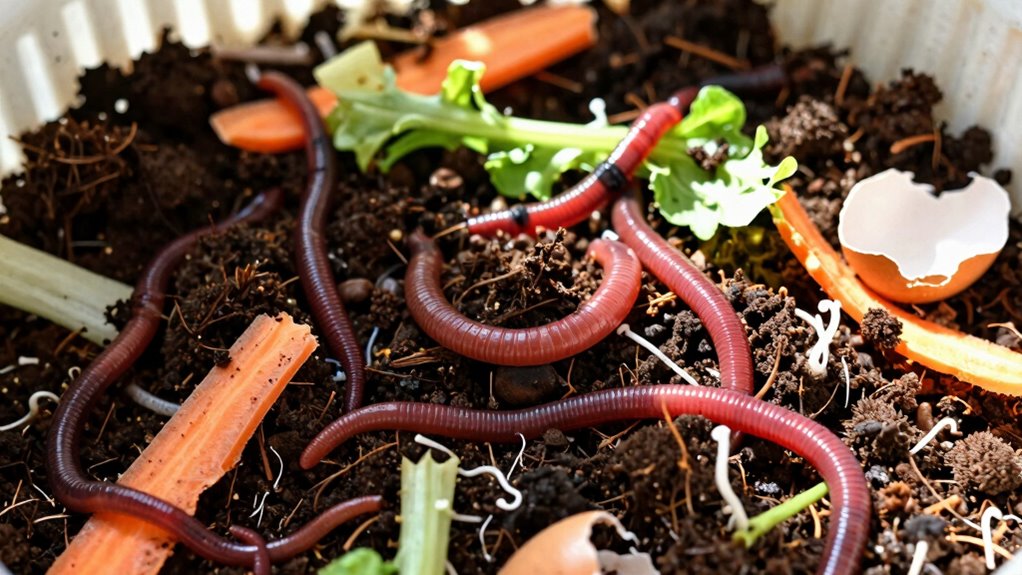

Worm bins turn your kitchen scraps into nutrient-rich compost quickly by using worms to break down organic matter. They rapidly process food waste like fruit peels and coffee grounds, transforming it into usable compost within weeks. With proper moisture and aeration, you can easily manage your worm bin, keeping odors and pests at bay. Plus, you’ll enrich your garden soil naturally while reducing landfill waste. There’s even more to discover about the benefits and setup of worm composting.

Prime made for students and young adults
- Fast, free delivery for dorm and study essentials
- Prime Video and Amazon Music included
- Member-only deals
Key Takeaways
- Worm bins rapidly process food scraps, transforming them into usable vermicompost in just a few weeks.
- Efficient breakdown of organic materials, such as fruit peels and coffee grounds, enhances composting speed.
- Proper moisture and aeration in the bin support worm health and efficiency for faster composting.
- Regular feeding and balanced conditions prevent odors and pests, ensuring a healthy composting environment.
- The resulting vermicompost enriches soil, promoting sustainable gardening without chemical fertilizers.
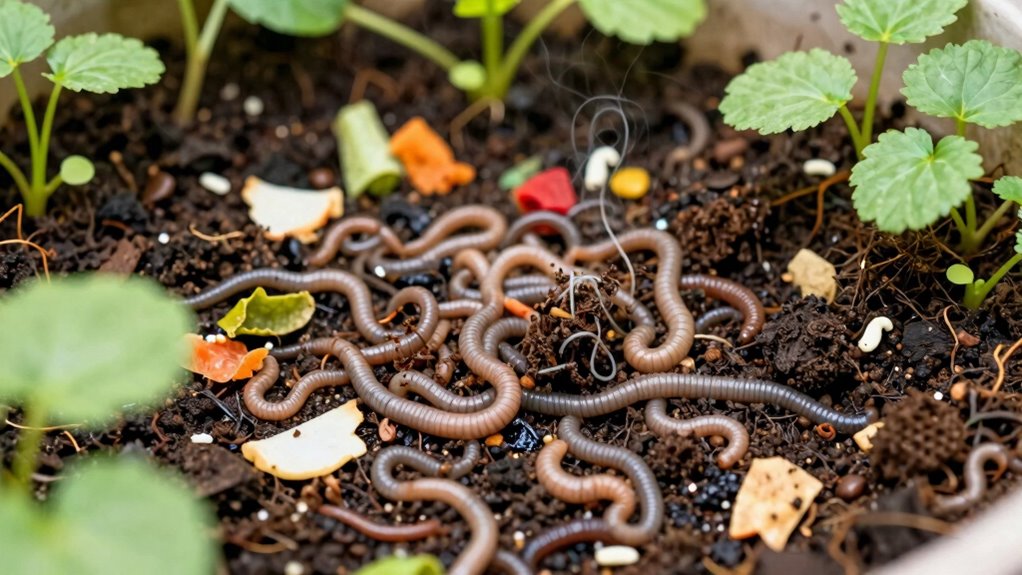
One of the major worm benefits is how quickly they process food scraps. When you feed worms, they break down materials like fruit peels, coffee grounds, and vegetable scraps into rich compost called vermicompost. This process is incredibly efficient, often producing usable compost in just a few weeks. You’ll find that your kitchen waste is transformed into a valuable resource that can nourish your garden. Smart indoor gardens can incorporate worm composting as part of their sustainable practices. Maintaining your worm bin is straightforward. It’s important to monitor moisture levels and guarantee the bin is well-aerated. Over time, you’ll get the hang of it, learning the right balance to keep your worms happy and working efficiently. You’ll want to avoid overfeeding them, as this can lead to odors and pests. Instead, introduce small amounts of scraps gradually, allowing the worms to keep up with the demand. The environment impact of worm composting is significant. By diverting organic waste from landfills, you’re reducing methane emissions, a potent greenhouse gas. Plus, when you use the compost in your garden, you’re enriching the soil without relying on chemical fertilizers, which is better for the ecosystem. This natural approach not only improves soil structure but also helps retain moisture and nutrients, fostering a healthier environment for plants. Incorporating worms into your composting routine can also be a cost-effective way to produce your own fertilizer at home. If you’re considering indoor setups, make sure to choose a small, well-ventilated bin that can fit into your kitchen or basement. This way, you can conveniently manage your scraps without taking up too much space. For outdoor options, larger bins or even dedicated composting areas can handle greater quantities of waste, giving you ample compost for larger gardens. Proper temperature regulation is essential to keep your worms active and productive throughout the year. To maximize the benefits, consider adding organic matter that helps maintain the ideal conditions for worm health and activity. Understanding the environmental benefits of worm composting can motivate you to make it a regular part of your sustainable living routine. Incorporating worms into your composting routine is a win-win. You get to minimize waste while producing high-quality soil that benefits your plants and the environment. With just a little effort on bin maintenance and feeding worms, you’ll soon see the rewards—both in your garden and in your commitment to sustainable living.
Popular right now

Dyson Cyclone V10 Origin Cordless Vacuum

Vitamix Propel Series 510 Professional-Grade Blender, 3 Programs, Black

Sony WH-1000XM6 Wireless Noise-Canceling Over-Ear Headphones, Blue, Bundle
As an affiliate, we earn on qualifying purchases.
Frequently Asked Questions
How Do I Start a Worm Bin at Home?
To start a worm bin at home, you’ll need a container, bedding like shredded newspaper, and red wiggler worms. Set up your worm bin by layering the bedding, adding food scraps, and placing the worms on top. Keep it moist but not soggy. The composting benefits are amazing; you’ll create nutrient-rich soil for your plants while reducing waste. Check on your worms regularly, and in a few months, you’ll have excellent compost!
What Types of Worms Are Best for Composting?
For composting, red wigglers are your best bet. These worms thrive in decomposing materials, breaking down scraps quickly and efficiently. Their composting benefits include creating nutrient-rich castings that enrich your soil, promoting healthy plant growth. You’ll find that red wigglers are easy to care for and can handle kitchen scraps, making them ideal for your worm bin. By choosing them, you’ll boost your composting efforts and support a sustainable environment.
Can I Use a Worm Bin Indoors?
Yes, you can use a worm bin indoors! The indoor benefits are significant; you’ll reduce kitchen waste while producing nutrient-rich compost. To keep your worm bin thriving, focus on worm bin maintenance. Guarantee proper moisture levels, avoid overfeeding, and monitor for odors. Choose a suitable location, away from extreme temperatures, and you’ll create an efficient composting system right in your home. Enjoy the process and the rewards of your indoor worm bin!
How Often Should I Add Scraps to the Bin?
You should add scraps to your worm bin about once a week. This frequency helps maintain a good bin balance, ensuring your worms have enough food without overwhelming them. Keep an eye on how quickly they’re eating; if they’re devouring scraps fast, you might increase the frequency. If you notice uneaten food, scale back a bit. Adjusting your scrap frequency will keep your worms healthy and your bin thriving.
What Should I Avoid Putting in the Worm Bin?
You should avoid putting harmful materials in your worm bin. Common mistakes include adding dairy, meat, oils, and citrus fruits, which can create odors and attract pests. Also, steer clear of processed foods and anything toxic, like chemicals or diseased plants. Stick to fruit and vegetable scraps, coffee grounds, and shredded paper. Keeping these harmful items out guarantees your worms thrive and produce nutrient-rich compost for your garden.
Conclusion
In just a blink, your food scraps can transform into black gold with a worm bin! These little wrigglers work tirelessly, turning leftovers into nutrient-rich soil faster than you can say “compost.” Imagine a garden bursting with life, thriving on the magic of your kitchen scraps! You’ll have plants so lush, they’ll practically dance in the breeze, and your neighbors will be begging for a taste of your secret soil recipe. Worms truly are nature’s superheroes!