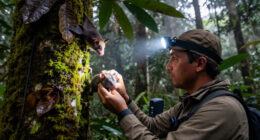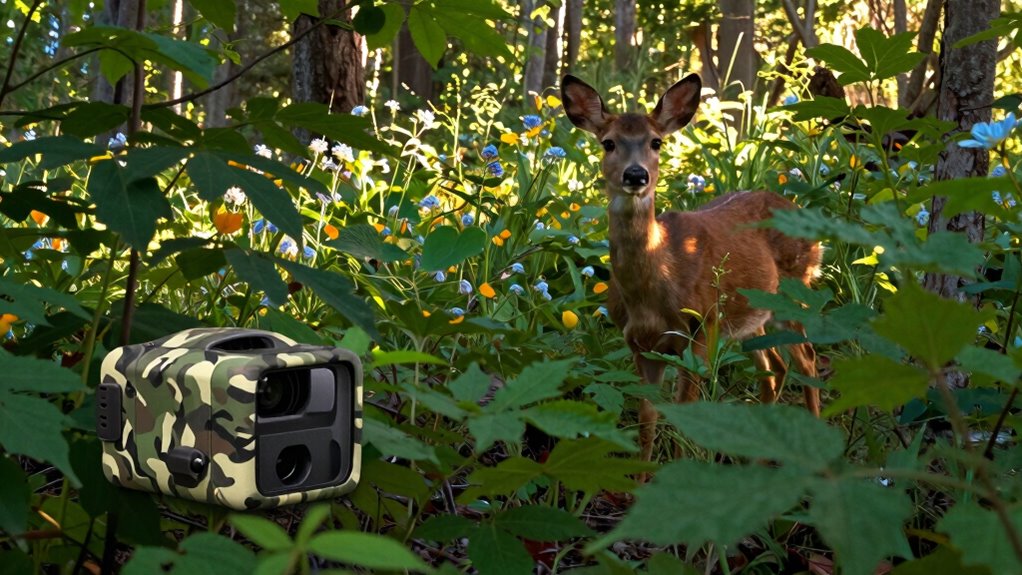

Camera traps support citizen science projects by capturing stunning images of wildlife, allowing you to track species and engage directly with conservation efforts. You can collect valuable data on local biodiversity and contribute to important research. This technology fosters collaboration between scientists and community members, inspiring a shared responsibility for local ecosystems. With each photograph, you’re adding to a growing database that informs conservation strategies. Keep exploring to discover how your involvement can make a difference.

Prime made for students and young adults
- Fast, free delivery for dorm and study essentials
- Prime Video and Amazon Music included
- Member-only deals
Key Takeaways
- Camera traps facilitate data collection, allowing citizens to contribute to wildlife monitoring without disturbing natural habitats.
- They provide valuable images that help identify species, enhancing community involvement in biodiversity tracking.
- Community members can actively participate in analyzing data, fostering a sense of ownership and responsibility for local ecosystems.
- Camera trap findings can spark interest in local wildlife, inspiring community-led conservation efforts and environmental protection.
- By sharing camera trap data, communities can build a network of informed advocates for wildlife conservation and education.
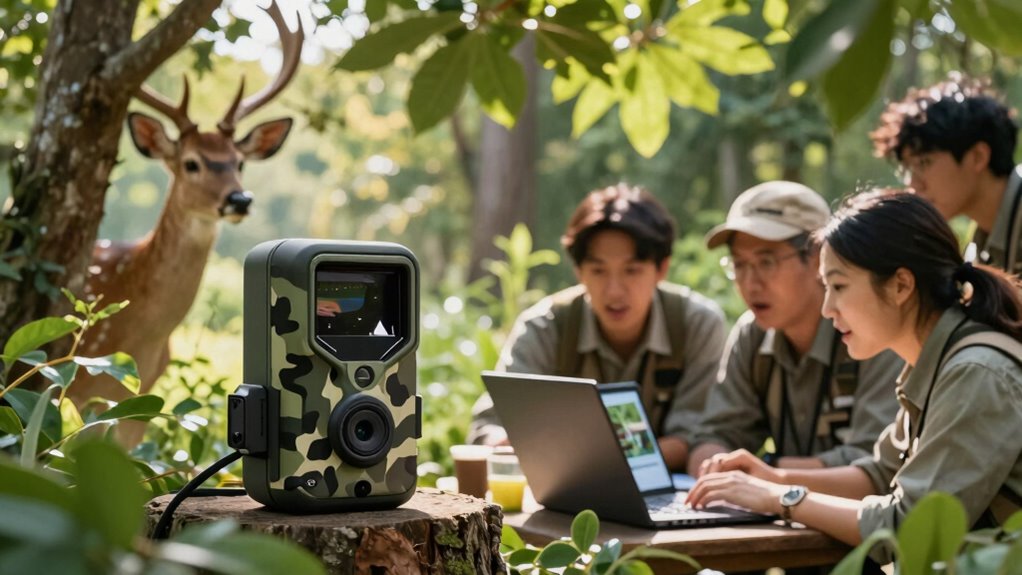
Camera traps have revolutionized wildlife research, allowing you to capture stunning images of animals in their natural habitats without disturbing them. These devices play an essential role in wildlife monitoring, giving you the opportunity to observe species behavior, migration patterns, and population dynamics over time. Instead of disturbing the ecosystem, you can gather valuable data while letting nature unfold uninterrupted. This method not only enhances your understanding of wildlife but also supports broader conservation efforts.
When you set up camera traps, you’re not just collecting images; you’re building a database that can aid in species identification. Each photograph can provide insights into the presence or absence of particular species in an area, helping you track biodiversity. This information is critical for researchers and conservationists as they work to protect endangered species and manage ecosystems effectively. You can contribute to this important work by participating in citizen science projects, where your observations can help shape conservation strategies.
Community engagement is at the heart of many citizen science initiatives. By participating in these projects, you become part of a larger movement that fosters collaboration between scientists and the public. You’re not just a passive observer; your involvement can spark interest in local wildlife and inspire others to appreciate and protect their environment. When communities come together to monitor wildlife using camera traps, you create a shared sense of responsibility for local ecosystems.
Data collection is streamlined and efficient with camera traps. The technology allows you to gather extensive information without the need for constant human presence. This means you can monitor elusive or nocturnal species that are hard to observe during traditional surveys. The data collected can then be analyzed to reveal trends or patterns that might otherwise go unnoticed. Your contributions can lead to more informed decision-making regarding habitat protection and wildlife conservation.
In addition, the use of camera traps supports the creation of extensive datasets that can be utilized in machine learning and artificial intelligence to identify species automatically, making data analysis even more powerful. Incorporating community members into the data collection process empowers individuals to take ownership of their local environments. As you share findings and experiences, you help educate others, fostering a deeper understanding of wildlife and its challenges. Together, you can build a network of informed advocates who are passionate about protecting the species that share your world.
Through camera traps, you’re not just documenting wildlife; you’re actively participating in a significant effort to understand and conserve the natural world. Your involvement in these projects has the power to make a difference, ensuring that future generations can enjoy the beauty and diversity of wildlife.
camera traps for wildlife monitoring
As an affiliate, we earn on qualifying purchases.
As an affiliate, we earn on qualifying purchases.
Frequently Asked Questions
What Types of Animals Can Camera Traps Capture?
Camera traps can capture a wide range of animals, showcasing wildlife diversity. You might see everything from deer and foxes to birds and small mammals. These devices excel at species identification, allowing you to recognize unique patterns and features of different animals. When you review the images, you’ll gain invaluable insights into local ecosystems and the behaviors of various species, enriching your understanding of wildlife in your area.
How Do I Set up a Camera Trap?
To set up a camera trap, start by choosing a good location with animal activity. Look for trails, feeding areas, or water sources. For camera placement, mount it about 3 feet high, angled slightly downwards. Use bait selection wisely; options like peanut butter or fruits can attract various species. Make certain the camera’s motion sensor is unobstructed and test it to confirm it captures images effectively. Don’t forget to check it regularly!
Are Camera Traps Weatherproof and Durable?
Camera traps are like steadfast sentinels, braving the elements with their weather resistance and durability features. You’ll find that most models are designed to withstand rain, snow, and extreme temperatures, guaranteeing they capture wildlife in any condition. Check the specifications for IP ratings or material quality to verify your camera can endure whatever nature throws its way. With the right choice, you won’t have to worry about your gear faltering in the wild.
Can Camera Traps Be Used for Nighttime Monitoring?
Yes, camera traps can definitely be used for nighttime monitoring. With night vision capabilities, they capture stunning images of nocturnal behavior that you’d miss during the day. These traps work by using infrared technology to detect motion, allowing you to observe animals like owls and raccoons as they go about their night. So, you’ll get a unique glimpse into the hidden lives of wildlife after dark, enriching your understanding of their habits.
What Is the Average Lifespan of a Camera Trap?
Think of a camera trap as a diligent guardian, watching over wildlife. On average, a camera trap lasts about 3 to 5 years, depending on usage and conditions. To maximize its lifespan, keep an eye on battery life—replacing batteries regularly is essential. Also, perform routine maintenance, like cleaning lenses and checking for damage. With proper care, your guardian can continue to capture nature’s secrets for years to come.
Conclusion
In wrapping up, camera traps really empower you to engage in citizen science like a modern-day explorer on a digital safari. By capturing wildlife moments, you contribute valuable data that helps protect our planet’s biodiversity. So, grab your virtual binoculars and join the movement—your observations could spark the next great conservation breakthrough. Together, you and your fellow citizen scientists are shaping a brighter future, one snapshot at a time. Let’s keep the adventure rolling!
Halloween Picks
halloween
As an affiliate, we earn on qualifying purchases.