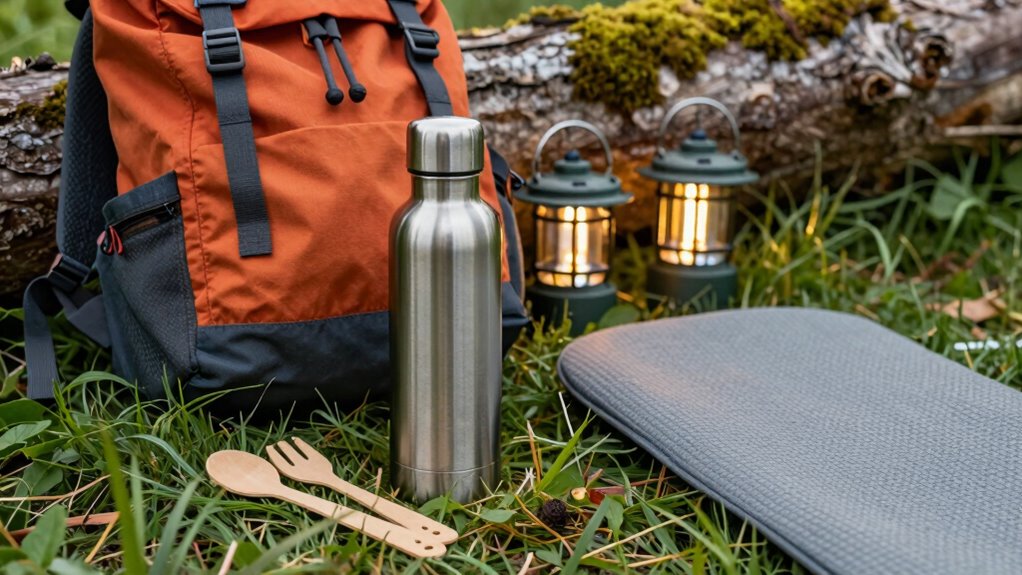

To make your outdoor life more sustainable, focus on small gear choices. Opt for eco-friendly clothing made from organic or recycled materials. Choose lightweight gear to reduce energy consumption during adventures. Swap single-use plastics for biodegradable utensils and invest in reusable food storage solutions. Support ethical brands with sustainable practices to amplify your positive impact. These mindful decisions add up, leading to a greener outdoor experience. Discover even more ways to enhance your sustainability efforts.
Key Takeaways
- Choose eco-friendly clothing made from sustainable materials to reduce your environmental footprint during outdoor activities.
- Opt for lightweight gear to minimize energy consumption and enhance your outdoor experiences.
- Use biodegradable utensils to avoid single-use plastics and support natural decomposition.
- Invest in reusable food storage to keep meals fresh and significantly reduce waste.
- Support ethical brands to promote sustainable manufacturing practices and encourage a minimal waste lifestyle.
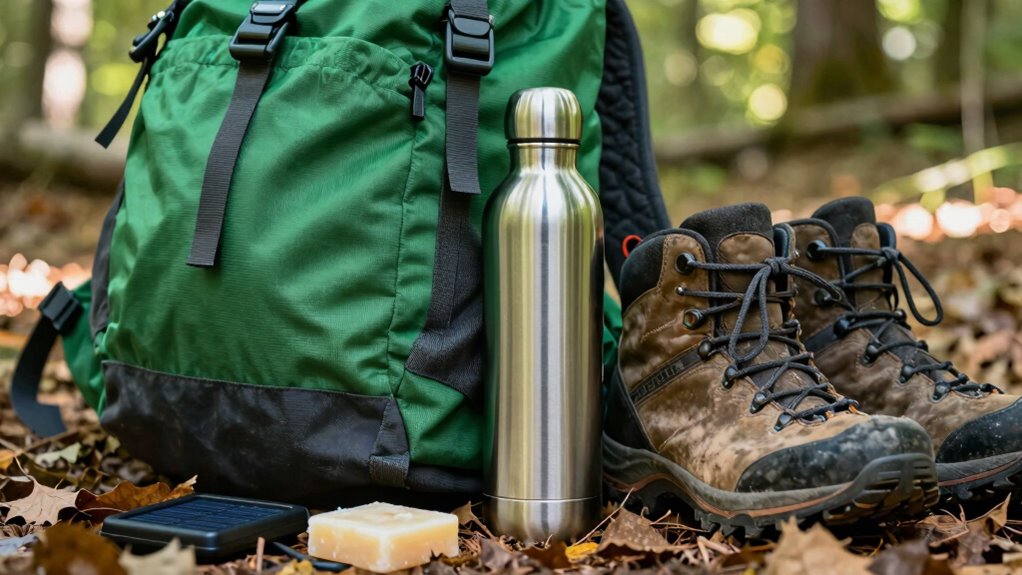
As you explore the great outdoors, making small gear choices can profoundly impact your sustainability efforts. Opting for eco-friendly clothing is a great start. Brands that prioritize ethical practices often use sustainable materials, like organic cotton or recycled fabrics. By choosing these items, you not only reduce your environmental footprint but also support companies that care about the planet. Lightweight gear is another vital element. When you pack lighter, you consume less energy while hiking or camping, making your adventure even more eco-conscious.
Making mindful gear choices, like eco-friendly clothing and lightweight options, can significantly enhance your outdoor sustainability efforts.
Biodegradable utensils are a simple yet effective way to minimize waste. Instead of single-use plastics, consider carrying utensils made from plant-based materials. They break down naturally, leaving no harmful residue behind. Plus, they’re often just as functional as their plastic counterparts. You’ll enjoy your meals without guilt, knowing you’re making a positive choice for the environment.
When it comes to food storage, reusable containers reign supreme. Ditch the disposable bags and invest in durable, reusable options. They not only cut down on waste but also keep your food fresh during your outdoor escapades. You’ll appreciate the practicality and the peace of mind that comes with knowing you’re reducing your environmental impact. Incorporating reusable food storage, such as silicone bags or stainless steel containers, can further enhance your eco-friendly practices.
Supporting ethical brands goes beyond just your clothing choices; it extends to all your gear. Seek out companies that prioritize sustainable practices in their manufacturing processes. When you buy from these brands, you’re not just acquiring gear; you’re making a statement about your values and encouraging others to follow suit. Incorporating sustainable manufacturing practices into your shopping habits can further amplify your positive impact.
In every small choice you make, you can contribute to a larger movement toward minimal waste. Each item you select can either add to the problem or help mitigate it. By being mindful of your gear choices, you actively participate in protecting the environment. So, the next time you’re preparing for an outdoor adventure, remember: every little decision counts. Embrace sustainable practices, and enjoy the beauty of nature while knowing you’re doing your part to preserve it for future generations. Additionally, considering smart IoT technologies can help optimize your outdoor activities for efficiency and sustainability.
As an affiliate, we earn on qualifying purchases.
Frequently Asked Questions
What Are the Best Eco-Friendly Brands for Outdoor Gear?
When you’re looking for the best eco-friendly brands for outdoor gear, check out Patagonia, which uses recycled materials and champions sustainable practices. REI Co-op also stands out, offering gear made from eco-friendly materials and promoting responsible sourcing. Another great option is tentree, which plants ten trees for every product sold. By choosing these brands, you’re not just getting quality gear; you’re supporting a healthier planet and more sustainable outdoor adventures.
How Can I Recycle Old Outdoor Equipment?
You can recycle old outdoor equipment by exploring repair techniques first; fixing your gear might give it a new life. If it’s beyond repair, consider donation programs that accept outdoor gear for those in need. Local outdoor organizations or shelters often welcome such donations. You could also check for recycling centers that specialize in outdoor equipment materials. Remember, reusing or donating is always better than tossing it in the trash!
What Is the Carbon Footprint of Outdoor Activities?
Every step you take in the great outdoors leaves a mark. The carbon footprint of outdoor activities varies widely; for instance, hiking has lower carbon emissions compared to flying to a climbing destination. Your activity impact can shift based on transportation, gear, and duration. By choosing local spots and sustainable gear, you can minimize those emissions and enjoy nature’s wonders without weighing down the planet. Make conscious choices to tread lightly!
Are There Sustainable Camping Food Options?
Yes, there are plenty of sustainable camping food options! You can pack plant-based meals like quinoa salads or veggie wraps, which are nutritious and eco-friendly. For snacks, try zero waste options like homemade granola bars or dried fruit in reusable containers. These choices not only reduce your environmental impact but also keep your energy up while you explore. Embracing these foods makes your camping experience healthier and more sustainable.
How Do I Choose Biodegradable Toiletries for Trips?
When you choose biodegradable toiletries for your trips, look for options labeled in that way. Check for products like natural soaps, shampoos, and toothpaste that break down easily in the environment. Consider travel hygiene by selecting items with minimal packaging or those in compostable containers. Always read labels to verify they’re truly biodegradable. By making these choices, you’ll keep your hygiene routine eco-friendly while enjoying the great outdoors!
Conclusion
By making small gear choices, you can considerably reduce your environmental impact while enjoying the great outdoors. Did you know that using a reusable water bottle can save over 167 plastic bottles per person each year? Embracing sustainable gear not only enhances your outdoor experience but also contributes to the preservation of nature for future generations. So, the next time you gear up, remember: every little choice counts, and you can make a difference!




![Navier-Stokes – Tristan Buckmaster [Pdf]](https://biodivert.com/wp-content/uploads/2026/09/navier-stokes-tristan-buckmaster-pdf-featured-260x140.jpg)