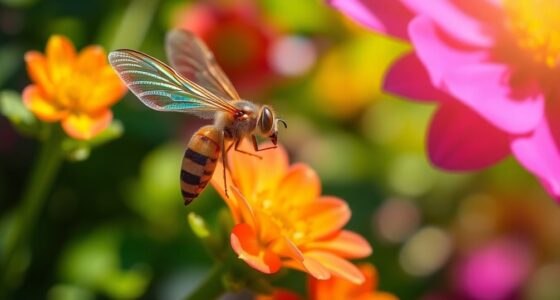
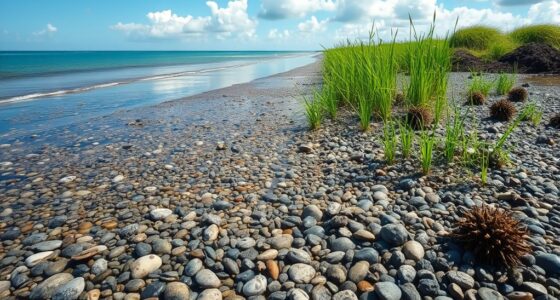
After a disaster like a wildfire or flood, nature begins to rebuild through ecological succession. You’ll see hardy pioneer species like mosses and grasses quickly grow, stabilizing soil and enriching nutrients. Over time, shrubs and trees follow, attracting animals and creating a balanced ecosystem. This gradual process leads to a stable, resilient environment. If you explore further, you’ll discover how soil regeneration and plant growth drive this remarkable recovery.
Key Takeaways
- Disruptive events initiate ecological succession, leading to ecosystem recovery and renewal over time.
- Pioneer species quickly colonize disturbed soils, stabilizing land and enriching soil nutrients through organic decay.
- Progressive plant growth transforms barren areas into diverse habitats, supporting more complex plant and animal communities.
- Returning flora attract animals, fostering interactions that help restore ecosystem stability and biodiversity.
- Over time, succession reaches a climax community, resulting in a resilient, balanced ecosystem resistant to future disturbances.
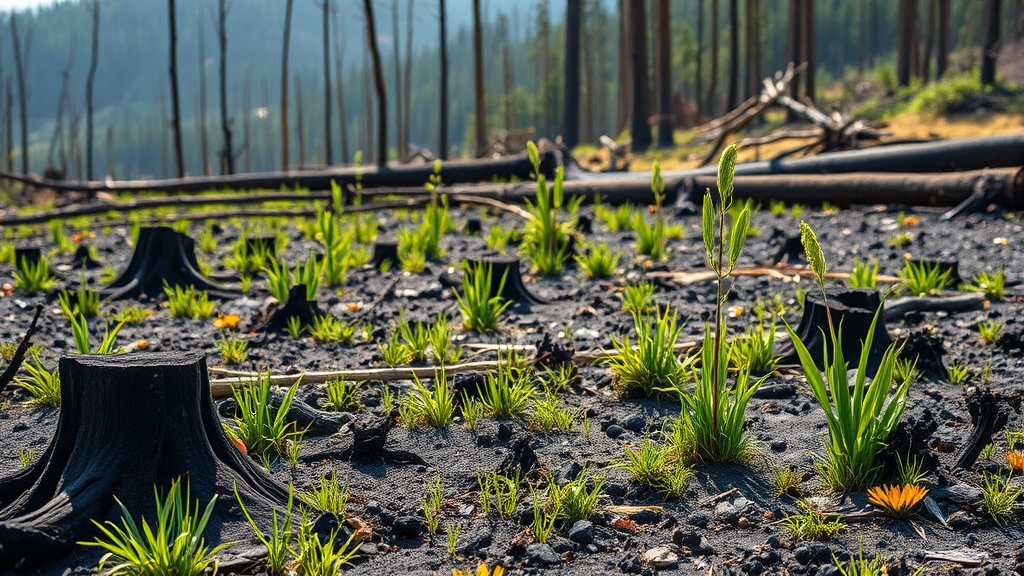
Have you ever wondered how ecosystems change over time? When a disturbance like a wildfire, flood, or volcanic eruption disrupts an environment, nature begins its remarkable process of renewal. This process, called ecological succession, allows the landscape to recover gradually, transforming barren or damaged areas into thriving ecosystems. One of the earliest steps in this process is soil regeneration. After a disturbance, the soil’s nutrients and structure are often depleted or disturbed, making it difficult for plants to take root. Fortunately, nature has a way of jump-starting this recovery through the arrival of pioneer species. These hardy plants, such as mosses, lichens, grasses, and small shrubs, are specially adapted to thrive in poor, disturbed soils. They can grow quickly and begin stabilizing the soil, preventing erosion and creating a more hospitable environment for other species.
Pioneer species play a critical role in ecological succession because they help to improve soil quality over time. As these plants grow and die, their organic matter decomposes, enriching the soil with essential nutrients. This process gradually boosts soil fertility, making it possible for more complex plants to establish. You might notice that as pioneer species establish themselves, the landscape begins to change — patches of green spread, and the soil becomes darker and richer. This transformation encourages the arrival of other plant species that weren’t able to survive in the initial bare conditions. Over time, the succession progresses from simple grasses and shrubs to more diverse communities, including young trees, which further shape the environment by providing shade and altering soil conditions.
As soil regeneration continues, animals also start returning. Insects, birds, and small mammals find food and shelter in the developing vegetation, further supporting the ecosystem’s recovery. The plants and animals form a complex web of interactions that sustain and diversify the landscape. Additionally, the process of ecological succession is closely linked to soil regeneration, which is essential for establishing a healthy, resilient ecosystem. The importance of soil quality can influence the speed and success of ecosystem recovery after disturbance. The plants and animals form a complex web of interactions that sustain and diversify the landscape. Over time, these interactions promote ecosystem stability, allowing the community to withstand future disturbances more effectively. Eventually, the area may reach a stable climax community, where the composition of plants and animals remains relatively constant unless disrupted by another disturbance. Throughout this process, the soil’s ability to support life improves steadily, and the ecosystem matures into a balanced, resilient environment. You see, ecological succession isn’t just about plants growing back; it’s a carefully orchestrated series of changes driven by soil regeneration and the pioneering efforts of hardy species that set the stage for a full recovery.

Flower Seeds Garden Kit - 36 Packs of Annual & Perennial Flowers for Planting – with Wildflowers for Pollinators, Bees, Butterflies | Heirloom Non-GMO Seed Starter Pack – Survival Garden Seeds
36 HEIRLOOM FLOWER AND WILDFLOWER SEED VARIETIES – Annual and perennial mix with zinnia, lavender, poppy, echinacea, milkweed,...
As an affiliate, we earn on qualifying purchases.
Frequently Asked Questions
How Long Does Ecological Succession Typically Take to Complete?
The time it takes for ecological succession to complete varies widely, depending on factors like climate and disturbance size. You should know that soil formation begins early, providing nutrients for pioneer species, which are the first to grow. These species help prepare the environment for later plants. Generally, succession can take decades to centuries, but in some cases, it may span thousands of years before an ecosystem reaches its climax stage.
Can Human Activities Accelerate or Hinder Natural Succession Processes?
You can definitely influence natural succession through human intervention, which can either accelerate or hinder the process. For ecosystem restoration, active efforts like planting native species or removing invasive plants help speed up recovery. However, activities like deforestation or pollution can slow down or disrupt succession. By understanding these impacts, you can support sustainable practices that promote healthy ecosystem rebuilding and resilience over time.
What Are the Key Species Involved in Early Succession Stages?
Think of the early stages of recovery as nature’s first responders. You’ll find pioneer species like mosses and grasses rushing in, acting as soil stabilizers and paving the way for more complex life. These species are the true trailblazers, breaking down rocks and enriching the soil, making it hospitable for later plants. Without these initial pioneers, the forest’s comeback would be like a building without a foundation.
How Does Climate Change Affect Ecological Succession Patterns?
You might notice that climate variability influences ecological succession patterns, causing shifts in how ecosystems develop. As temperatures rise and weather becomes more unpredictable, succession shifts can occur, favoring species adapted to new conditions. This means the natural process of rebuilding after disturbances might speed up, slow down, or change direction entirely. Climate change therefore plays a significant role in altering the timing and progression of succession, impacting biodiversity and ecosystem stability.
Are There Cases Where Succession Leads to Less Diverse Ecosystems?
Think of succession like a carefully choreographed dance—sometimes it can lead to a less diverse ecosystem. When invasive species take over, they often outcompete native plants, creating monoculture establishments that limit plant variety. This reduces habitat complexity and biodiversity, making the environment more vulnerable to future disturbances. So, yes, succession can sometimes lead to ecosystems with lower diversity, especially when invasive species dominate the landscape.

Meekear Indoor Starter 4 Kit with Complete Gardening Kit & Wooden Box, Growing into Shasta Daisy, Cornflower, Sunflower, Zinnia
INDOOR COMPLETE STARTER KIT - ALL IN ONE KIT WITH ACCESSORIES INCLUDED 4 coir expanding-soil discs, 4 jute...
As an affiliate, we earn on qualifying purchases.
Conclusion
Just like the phoenix rising from its ashes, nature steadily rebuilds itself after disaster through ecological succession. You see, each new plant and animal presence writes a fresh chapter in the land’s story, reminding us that even in chaos, renewal is possible. So next time you witness a barren landscape, remember it’s only the beginning of a vibrant comeback—proof that, no matter how hard life gets, nature always finds a way to heal and flourish.

Garden Friends Embroidery Kit – Nature-Inspired Designs + Quilt Pattern – Complete DIY Set with Birds, Bees, Butterflies & More – Beginner-Friendly Needlework Kit
Celebrate Spring Anytime: Inspired by the beauty of nature, this embroidery kit features charming designs of birds, bees,...
As an affiliate, we earn on qualifying purchases.

SparkJump Premium Bug Hotel Kit for Kids – Easy Wood Craft Kits for Children, Lady Bug House for Garden with Tools, Paints & Glue, Fun Birthday Gifts for Girls and Boys
Build Memories That Last - This easy DIY insect hotel kit turns a weekend project into a lasting...
As an affiliate, we earn on qualifying purchases.