TL;DR
A solar storm is forecasted to cause the Northern Lights to be visible in certain U.S. states ahead of the Fourth of July. Experts confirm the possibility, though visibility depends on local conditions. This event could offer a rare sky spectacle for residents in affected areas.
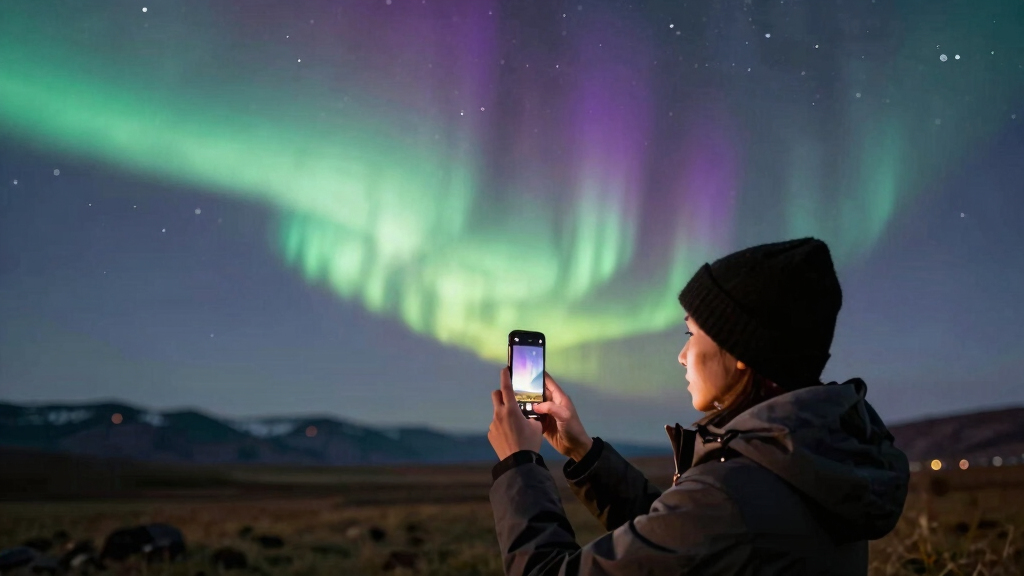
Space weather forecasts confirm that a solar storm is likely to produce visible Northern Lights across several U.S. states before the upcoming Fourth of July holiday. This development has sparked interest among skywatchers and scientists, as it could create a rare opportunity for residents in affected regions to witness the aurora borealis in their skies.
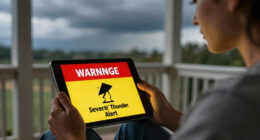
The National Oceanic and Atmospheric Administration (NOAA) has issued alerts indicating that a significant solar storm is currently impacting Earth’s magnetic environment. According to NOAA’s Space Weather Prediction Center, the storm is expected to cause geomagnetic activity that could make the Northern Lights visible as far south as parts of the northern United States, including states like Montana, North Dakota, Minnesota, and parts of the Great Lakes region.
While visibility depends on local weather conditions and light pollution, experts confirm that the auroras could be visible during clear nights before July 4. The storm’s intensity is classified as moderate, which increases the likelihood of observable auroras in areas with dark skies, away from city lights, and during peak geomagnetic activity hours.
Why This Sky Phenomenon Matters Before the Holiday
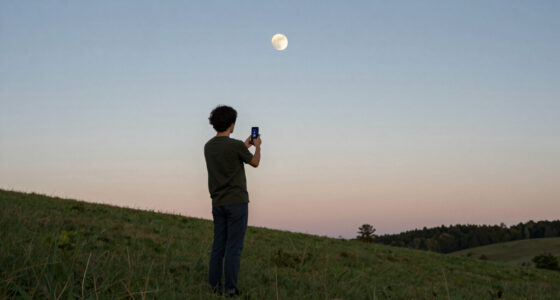
This event offers a rare chance for residents in affected states to see the Northern Lights without traveling to northern latitudes or remote locations. It also presents an opportunity for scientific observation of geomagnetic activity caused by solar storms. For many, witnessing the aurora borealis can be a memorable experience, especially during a holiday period when families and communities are celebrating.

Celestron – Cometron 7×50 Astronomy Binoculars – Entry-Level for Stargazing and Comet Watching – Large 50mm Objective Lenses – Wide 6.6° Field of View – Multi-Coated Optics
EASY-TO-USE ASTRONOMY BINOCULARS FOR BEGINNERS: Cometron 7×50 binoculars are an easy, affordable way to learn the night sky…
As an affiliate, we earn on qualifying purchases.
As an affiliate, we earn on qualifying purchases.
Recent Solar Activity and Forecasts for Aurora Visibility
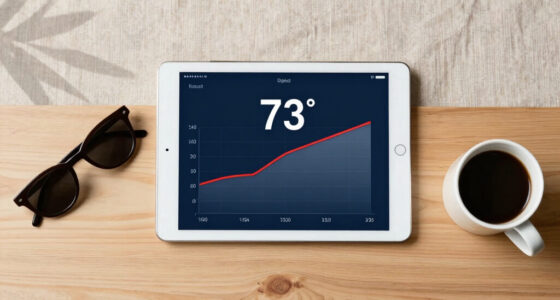
The current solar storm originated from a coronal mass ejection (CME) released by the Sun earlier this week, which has now reached Earth’s magnetic field. NOAA’s models indicate that this CME could cause geomagnetic disturbances with a K-index of 4 or 5, levels associated with visible auroras at mid-latitudes. Historically, similar solar events have led to spectacular aurora displays, but visibility depends heavily on local conditions.
Scientists have been monitoring solar activity closely, as increased solar storms are common during the peak of the solar cycle. The last notable geomagnetic storm occurred last year, but this one is expected to be more prominent in terms of geographic reach.
“We are seeing a significant geomagnetic disturbance from a recent solar storm, and the possibility of auroras reaching into the northern U.S. is quite high in the coming days.”
— Dr. Lisa Grant, NOAA Space Weather Officer

Canpsky 2 Pack Portable Camping Chairs Folding Lawn Chair Outdoor Lightweight Beach Chair with Cup Holder & Carry Bag for Outside Sports, Fishing, Hiking, Travel, Picnic, Backyard (Black-Dark)
【Supporting 400lbs Max】Each folding camping chair weighs only 4.4 pounds, reinforced steel frame with X-structure design ensures ultimate…
As an affiliate, we earn on qualifying purchases.
As an affiliate, we earn on qualifying purchases.
Factors Influencing Aurora Visibility and Unconfirmed Details
While forecasts indicate a potential for Northern Lights in certain states, the exact nights and locations where the auroras will be visible remain uncertain. Local weather conditions, moonlight, and light pollution are variables that could affect visibility. Additionally, the storm’s intensity may fluctuate, influencing the strength and duration of aurora displays.

HinsGEAR 2 Pack Red Flashlight LED Single Mode Light 1 Mode LED Torch Scalable Red Light Flashlight for Astronomy Aviation Night Observation (Powered by Single AA Battery, Not Included)
Red LED Flashlight for Observer – Locating the target at night and not to scare them could be…
As an affiliate, we earn on qualifying purchases.
As an affiliate, we earn on qualifying purchases.
Monitoring and Expectations for Aurora Sightings Before July 4
Meteorologists and space weather agencies will continue to track the solar storm’s progression over the coming days. Residents in affected areas are advised to monitor local weather forecasts and space weather alerts for updates on the best viewing times. If skies are clear, the auroras could be visible during late evening and early morning hours before July 4.

Tirrinia Large Waterproof Outdoor Blanket, Soft Warm Windproof Stadium Blanket with Sherpa Fleece and Foldable for Outdoor Sport, Baseball, Football, Beach, Concerts, Car, 51 '' X 59''
Waterproof & Windproof Protection-Stay warm and dry no matter the weather. This stadium blanket features a durable polyester…
As an affiliate, we earn on qualifying purchases.
As an affiliate, we earn on qualifying purchases.
Key Questions
When is the best time to see the Northern Lights this week?
The best viewing opportunities are expected during late evening to early morning hours, particularly during clear, dark nights before July 4. Monitoring local weather and space weather alerts is recommended for precise timing.
Which states are most likely to see the Northern Lights?
States in the northern U.S., including Montana, North Dakota, Minnesota, and parts of the Great Lakes region, are most likely to experience visible auroras due to the geomagnetic activity caused by the solar storm.
Will the Northern Lights be visible in southern states?
It is unlikely that the auroras will be visible in southern states, as geomagnetic activity typically affects higher latitudes. Visibility diminishes with distance from the poles.
How strong is this solar storm compared to previous events?
Current forecasts classify this storm as moderate, which is less intense than some major solar storms but still capable of producing visible auroras at mid-latitudes.
Source: google-trends