
TL;DR

Prime made for students and young adults
- Fast, free delivery for dorm and study essentials
- Prime Video and Amazon Music included
- Member-only deals
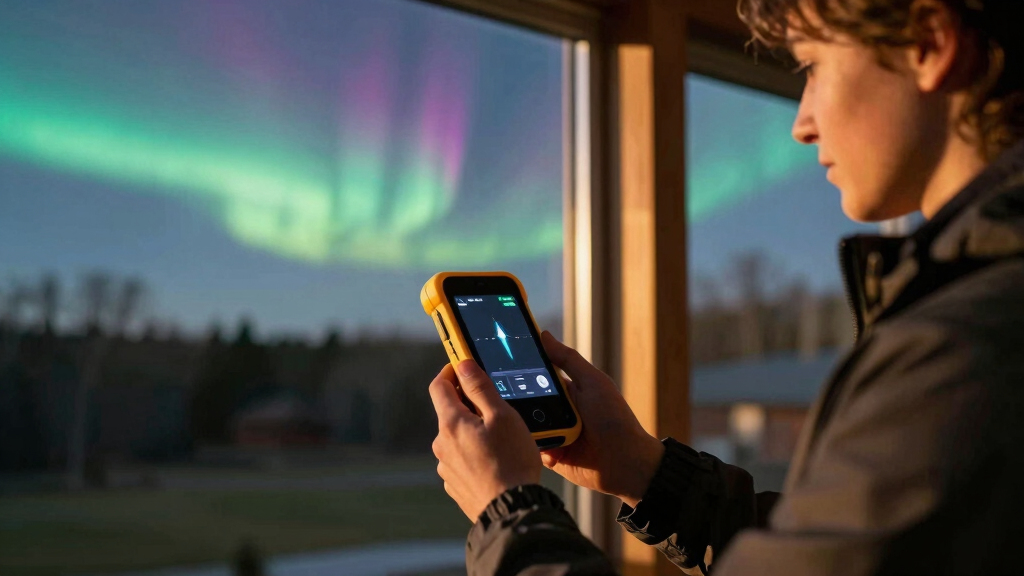
A G1 geomagnetic storm is forecasted to impact Earth, with potential auroras visible in northern U.S. states. The storm’s strength and visibility conditions are still being monitored, but this could offer a rare viewing opportunity.
A G1 geomagnetic storm is currently developing and could produce visible auroras in northern U.S. states later this week. The storm is caused by solar activity and is significant because it may create a rare opportunity for residents in these regions to observe the northern lights.
Space weather forecasts from the National Oceanic and Atmospheric Administration (NOAA) indicate that a G1-class geomagnetic storm is approaching Earth. This level of storm is classified as minor but can still lead to auroras visible at lower latitudes than usual, especially in northern U.S. states such as Montana, North Dakota, and Minnesota.
Experts from NOAA’s Space Weather Prediction Center have emphasized that the storm’s impact depends on factors like local weather conditions and geomagnetic activity. While the storm’s peak is expected within the next 24 to 48 hours, the exact timing and visibility will vary by location and weather conditions.
Authorities and observatories are advising residents interested in viewing the auroras to monitor local weather forecasts and aurora alerts, as clear skies will be necessary for optimal viewing.
Potential for Aurora Viewing in Northern U.S.
This geomagnetic storm presents a rare chance for residents in northern U.S. regions to see the northern lights, an event typically limited to higher latitudes. Such displays can attract amateur and professional astronomers, boost local tourism, and increase public interest in space weather phenomena.
While the storm is classified as minor, even G1 events can cause minor disruptions to satellite operations and power grids, making awareness and preparedness important for affected areas.
As an affiliate, we earn on qualifying purchases.
Solar Activity Leading to G1 Storm Development
The current geomagnetic storm is linked to increased solar activity, including solar flares and coronal mass ejections (CMEs), which have been directed toward Earth. NOAA and NASA monitor these solar events closely, as they can impact Earth’s magnetic environment.
This storm follows a period of heightened solar activity observed over the past week, with scientists warning that such events may become more frequent as the solar cycle progresses toward its peak phase.
Historically, G1 storms have resulted in visible auroras at mid-latitudes, though visibility depends heavily on local conditions.
“We are closely monitoring the developing geomagnetic storm, which could produce auroras visible in northern U.S. regions. The timing and visibility will depend on local weather conditions.”
— Dr. Lisa Reynolds, NOAA Space Weather Prediction Center
Uncertainties in Storm Impact and Visibility
It is not yet confirmed exactly when the storm will peak or how widespread aurora visibility will be across northern U.S. states. Weather conditions such as cloud cover could also limit viewing opportunities. Additionally, the storm’s impact on power grids and satellites remains minimal but cannot be entirely ruled out.
Monitoring and Preparedness as Storm Develops
Authorities will continue to monitor the storm’s progression over the next 24 to 48 hours. Residents interested in viewing auroras should stay updated through NOAA alerts and local weather forecasts. If conditions remain clear, the next few nights could provide optimal viewing opportunities.
Scientists will also analyze data post-event to better understand the storm’s strength and effects, contributing to space weather forecasting improvements.
Key Questions
When is the best time to see the auroras?
The auroras are most likely to be visible during clear, dark nights within the next 24 to 48 hours, especially in northern U.S. states such as Montana, North Dakota, and Minnesota.
Will the geomagnetic storm affect power or satellite systems?
At G1 level, the storm could cause minor disturbances to satellite communications and power grids, but widespread disruptions are unlikely. Authorities are monitoring for potential impacts.
How common are G1 geomagnetic storms?
G1 storms are classified as minor and are relatively common during periods of increased solar activity, especially near solar maximum phases.
What causes these geomagnetic storms?
They are caused by solar phenomena such as solar flares and coronal mass ejections that send charged particles toward Earth, interacting with its magnetic field.
Where else can I see the northern lights during this storm?
While northern U.S. regions are most likely, areas at higher latitudes, such as parts of Canada and Alaska, have a higher chance of aurora visibility during G1 storms.
Source: google-trends
Fall Picks
fall essentials
As an affiliate, we earn on qualifying purchases.