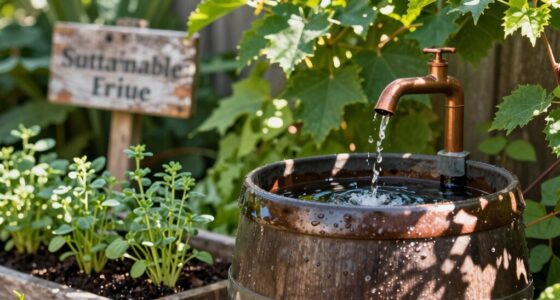
Yes, working lands can protect biodiversity if managed thoughtfully. Practices like agroforestry, which integrate trees into farms, create habitats for wildlife, improve soil health, and promote ecosystem resilience. Managing land with conservation in mind also helps connect fragmented habitats, supporting species movement and survival. Techniques like fire and soil conservation further enhance habitat quality. If you want to discover more ways working lands support biodiversity, there’s plenty more to explore.

Get school and study supplies delivered free — and shop member deals
- Fast, free delivery on millions of items
- Access to Prime Big Deal Days deals on October 6–7
- Prime Video, Amazon Music and more included
Key Takeaways
- Working lands, when managed sustainably, provide habitats and corridors that support diverse plant and animal species.
- Agroforestry practices integrate trees into agricultural systems, enhancing biodiversity alongside productivity.
- Conservation techniques like fire management and soil conservation improve habitat quality on working lands.
- Linking fragmented habitats through working lands promotes species movement and ecosystem resilience.
- Balancing productive use with conservation efforts on working lands helps protect and restore biodiversity.
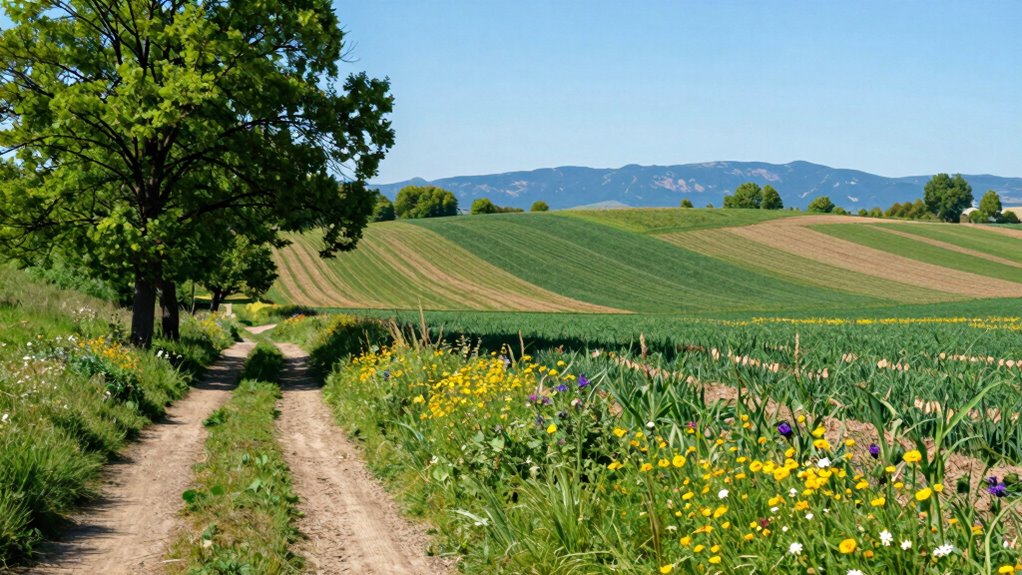
Many might assume that protecting biodiversity requires setting aside strict reserves, but working lands—farms, forests, and fisheries—can also play a crucial role. When managed thoughtfully, these lands support a surprising diversity of plants and animals, blending agricultural productivity with conservation. One effective approach is adopting agroforestry practices, which integrate trees into crop and livestock systems. By planting shade trees among crops or along field edges, you create habitats for birds, insects, and small mammals. These trees also provide food, shelter, and corridors that link fragmented habitats, helping species thrive even in heavily managed landscapes. Agroforestry enhances biodiversity by mimicking natural ecosystems, reducing the need for chemical inputs, and improving soil health, all while maintaining farm productivity. Incorporating fire management techniques can further protect habitats and promote healthy ecosystems on working lands. Additionally, implementing soil conservation methods can prevent erosion and enhance habitat quality, supporting diverse plant and animal life. Recognizing the role of habitat connectivity in landscape management is essential for creating resilient ecosystems on working lands. Promoting practices like integrated land use can help balance productivity with conservation goals. Understanding the importance of ecosystem services can also guide sustainable land management decisions that benefit both agriculture and biodiversity.
As an affiliate, we earn on qualifying purchases.
Frequently Asked Questions
How Do Working Lands Compare to Protected Natural Reserves?
Working lands often provide valuable ecosystem services and can support biodiversity through effective land management strategies. Unlike protected natural reserves, which prioritize conservation, working lands balance human use with ecological health. By adopting sustainable practices, you can enhance habitat diversity and ecosystem resilience on active farms or forests. This approach allows you to maintain productivity while also protecting biodiversity, making working lands a crucial part of broader conservation efforts.
What Are the Economic Benefits of Biodiversity on Working Lands?
You benefit economically from biodiversity on working lands because it boosts resilience and provides essential ecosystem services like pollination, pest control, and water purification. These services sustain crop yields and reduce costs, helping your farm or business remain stable during economic fluctuations. Maintaining diverse habitats encourages natural processes, leading to healthier ecosystems that support your long-term productivity, ensuring your land remains both profitable and environmentally sustainable.
Can Farmers Implement Biodiversity Practices Without Sacrificing Crop Yields?
Think of your farm as a symphony; every instrument, or practice, needs harmony. Yes, you can implement biodiversity practices without sacrificing crop yields by embracing strategies like crop diversification and natural pest management. These methods enhance the resilience of your land, attracting beneficial insects and reducing pest outbreaks. With careful planning, you can boost productivity and protect biodiversity, creating a balanced ecosystem that benefits both your farm and the environment.
How Do Policy Incentives Support Biodiversity on Working Lands?
Policy incentives play an essential role in supporting agricultural biodiversity on working lands. They encourage you to adopt conservation practices by offering financial benefits or technical assistance. These incentives motivate you to implement habitat restoration, crop diversification, and sustainable land management, which protect biodiversity. By aligning economic rewards with conservation goals, policies make it easier for you to balance productive farming with preserving natural ecosystems and enhancing overall ecosystem health.
What Species Benefit Most From Biodiversity-Friendly Working Land Practices?
You’ll find that pollinators, such as bees and butterflies, benefit most from biodiversity-friendly working land practices. These practices improve habitat connectivity and establish pollinator corridors, allowing species to move safely between feeding and breeding sites. As a result, native birds, small mammals, and insects thrive, creating a healthier ecosystem. By maintaining diverse plantings and natural habitats, you support the survival of species that depend on connected landscapes and continuous resources.
Conclusion
So, you see, working lands can protect biodiversity, and protecting biodiversity means protecting working lands. It’s about balancing use and conservation, about embracing sustainable practices and fostering healthy ecosystems. When you support responsible land management, you’re helping preserve species, enrich habitats, and sustain livelihoods. It’s about choosing what’s right, practicing what’s sustainable, and committing to what’s essential. Because when working lands thrive, biodiversity thrives — and that’s a future worth working for.
Evergreen bestsellers Picks
bestsellers
As an affiliate, we earn on qualifying purchases.